







 Chat with AI


Economics: A Contemporary Introduction 9th Edition by William McEachern
Edition 9ISBN: 9780538453745Economics: A Contemporary Introduction 9th Edition by William McEachern
Edition 9ISBN: 9780538453745 Exercise 13
Case Study: The Rich Got Poorer During the Recession List the ill effects that the 2007-2009 recession had on high income households and therefore on the economy.
Reference Case Study:
Public Policy
The Rich Got Poorer During the Recession The sharp and painful national recession of 2007-2009 was hard on many Americans. The unemployment rate doubled between 2007 and 2009. To help people through this rough patch, the social safety net was broadened. Extra months were added to unemployment benefits; in many states benefits were extended to nearly two years, or four times the usual duration. Spending targeted for the poor (see the programs identified in Exhibit 5) grew by 13 percent between 2007 and 2009, even after adjusting for inflation. The progressive income tax rate declined for all but those in the highest-income brackets, as falling incomes meant lower tax brackets. Indeed, an estimated 47 percent of households paid no federal personal income taxes in 2009. No question, some people were still having a rough time, but public programs softened the blow, particularly at the low end of the income distribution.
It may seem odd, but one of the hardest hit groups, at least on a relative basis, was high-income households, many of whom lost a ton with the double whammy of a stock market crash and a real-estate crash. High-income households also depend more on corporate dividends, which experienced their sharpest drop since the government began keeping records a half century ago.
Jonathan Parker and Annette Vissing-Jorgensen, economists at Northwestern University, found that incomes of the affluent tend to fall more, in both absolute dollars and in percentage terms, during a recession than do the incomes of the typical household. The exposure to economic fluctuations of households in the top 10 percent based on income is about five times greater than the exposure of the typical household. And the incomes of the super rich, defined as the top one-hundredth of 1 percent, fall the most in percentage terms. Along with the decline in income of the rich comes a decline in consumption. The two researchers expected that the recession of 2007-2009 would cause a sharp reduction in consumption inequality across income classes. In short, the rich were hit harder in relative terms by the recession than were other income groups, so they cut their consumption more.
How has the declining fortunes of the rich affected the economy more broadly? A drop in their income and wealth reduced contributions to universities, charities, museums, and other institutions that rely on their generosity. Federal and state tax revenues were also down sharply because these sources rely so much on the taxes paid by the affluent. For example, most recently the top 1 percent of tax filers based on income paid over 40 percent of all federal income taxes collected.
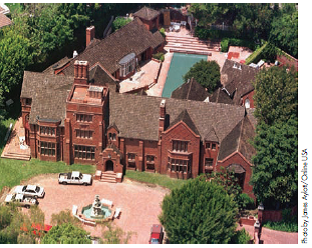
High-income households aren't just cash cows for tax collectors. The rich often get that way by starting successful businesses that create jobs. Consumption by the rich, including spending on luxuries, also helps create jobs in the economy. But a recession is a bad time for costly luxuries. In 2009, for example, 1,312 homes with mortgage balances in excess of $5 million were foreclosed on and went to public auction in the United States. That foreclosure rate more than doubled in early 2010, and included the 11,817 square-foot Tudor mansion of actor Nicolas Cage. Other luxuries also took a hit during the recession. Diamond sales worldwide fell 16 percent in 2009; thousands of U.S. jewelry stores closed their doors. The best seats at the new Yankee Stadium failed to sell until prices were cut in half. And hundreds of luxury boats, too costly to maintain, were abandoned or purposely run aground. Florida recently had to remove more than a hundred derelict boats from public waterways, up from only a handful the year before.
Troubles of the rich will never elicit much public sympathy, but high-income households represent a critical source of tax revenue, charitable giving, and job creation in the economy.
Reference Case Study:
Public Policy
The Rich Got Poorer During the Recession The sharp and painful national recession of 2007-2009 was hard on many Americans. The unemployment rate doubled between 2007 and 2009. To help people through this rough patch, the social safety net was broadened. Extra months were added to unemployment benefits; in many states benefits were extended to nearly two years, or four times the usual duration. Spending targeted for the poor (see the programs identified in Exhibit 5) grew by 13 percent between 2007 and 2009, even after adjusting for inflation. The progressive income tax rate declined for all but those in the highest-income brackets, as falling incomes meant lower tax brackets. Indeed, an estimated 47 percent of households paid no federal personal income taxes in 2009. No question, some people were still having a rough time, but public programs softened the blow, particularly at the low end of the income distribution.
It may seem odd, but one of the hardest hit groups, at least on a relative basis, was high-income households, many of whom lost a ton with the double whammy of a stock market crash and a real-estate crash. High-income households also depend more on corporate dividends, which experienced their sharpest drop since the government began keeping records a half century ago.
Jonathan Parker and Annette Vissing-Jorgensen, economists at Northwestern University, found that incomes of the affluent tend to fall more, in both absolute dollars and in percentage terms, during a recession than do the incomes of the typical household. The exposure to economic fluctuations of households in the top 10 percent based on income is about five times greater than the exposure of the typical household. And the incomes of the super rich, defined as the top one-hundredth of 1 percent, fall the most in percentage terms. Along with the decline in income of the rich comes a decline in consumption. The two researchers expected that the recession of 2007-2009 would cause a sharp reduction in consumption inequality across income classes. In short, the rich were hit harder in relative terms by the recession than were other income groups, so they cut their consumption more.
How has the declining fortunes of the rich affected the economy more broadly? A drop in their income and wealth reduced contributions to universities, charities, museums, and other institutions that rely on their generosity. Federal and state tax revenues were also down sharply because these sources rely so much on the taxes paid by the affluent. For example, most recently the top 1 percent of tax filers based on income paid over 40 percent of all federal income taxes collected.
High-income households aren't just cash cows for tax collectors. The rich often get that way by starting successful businesses that create jobs. Consumption by the rich, including spending on luxuries, also helps create jobs in the economy. But a recession is a bad time for costly luxuries. In 2009, for example, 1,312 homes with mortgage balances in excess of $5 million were foreclosed on and went to public auction in the United States. That foreclosure rate more than doubled in early 2010, and included the 11,817 square-foot Tudor mansion of actor Nicolas Cage. Other luxuries also took a hit during the recession. Diamond sales worldwide fell 16 percent in 2009; thousands of U.S. jewelry stores closed their doors. The best seats at the new Yankee Stadium failed to sell until prices were cut in half. And hundreds of luxury boats, too costly to maintain, were abandoned or purposely run aground. Florida recently had to remove more than a hundred derelict boats from public waterways, up from only a handful the year before.
Troubles of the rich will never elicit much public sympathy, but high-income households represent a critical source of tax revenue, charitable giving, and job creation in the economy.
Explanation Verified
Verified
During the 2007-2009 United States reces...

Economics: A Contemporary Introduction 9th Edition by William McEachern

Why don’t you like this exercise?
Other Minimum 8 character and maximum 255 character
Character 255






