







 Chat with AI


Biology 11th Edition by Cecie Starr ,Ralph Taggart
Edition 11ISBN: 978-0495106784Biology 11th Edition by Cecie Starr ,Ralph Taggart
Edition 11ISBN: 978-0495106784 Exercise 15
Suppose an outcome of some event has been observed to happen with great regularity. Can we predict that the same thing will always happen again Not really, because there is no way for us to account for all of the possible variables that might affect the outcome. To illustrate this point, Garvin McCain and Erwin Segal offer a parable:
Once there was a highly intelligent turkey. The turkey lived in a pen, attended by a kind, thoughtful master. It had nothing to do but reflect on the worlds wonders and regularities. It observed some major regularities.
Morning always started out with the sky turning light, followed by the clop, clop, clop of the masters footsteps, which was always followed by the appearance of delicious food. Other things varied-sometimes the morning was warm and sometimes cold-but food always followed footsteps. The sequence of events was so predictable that it eventually became the basis of the turkeys theory about the goodness of the world.
One morning, after more than 100 confirmations of the goodness theory, the turkey listened for the clop, clop, clop, heard it, and had its head chopped off.
Scientists understand that all well-tested theories about nature have a high probability of not being wrong. They realize, however, that any theory is subject to modification if and when contradictory information becomes available. The absence of absolute certainty has led some people to conclude that "facts are irrelevant-facts change." If that is so, should we just stop doing scientific research Why or why not
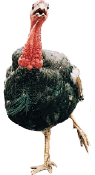
Once there was a highly intelligent turkey. The turkey lived in a pen, attended by a kind, thoughtful master. It had nothing to do but reflect on the worlds wonders and regularities. It observed some major regularities.
Morning always started out with the sky turning light, followed by the clop, clop, clop of the masters footsteps, which was always followed by the appearance of delicious food. Other things varied-sometimes the morning was warm and sometimes cold-but food always followed footsteps. The sequence of events was so predictable that it eventually became the basis of the turkeys theory about the goodness of the world.
One morning, after more than 100 confirmations of the goodness theory, the turkey listened for the clop, clop, clop, heard it, and had its head chopped off.
Scientists understand that all well-tested theories about nature have a high probability of not being wrong. They realize, however, that any theory is subject to modification if and when contradictory information becomes available. The absence of absolute certainty has led some people to conclude that "facts are irrelevant-facts change." If that is so, should we just stop doing scientific research Why or why not
Explanation Verified
Verified
It can be estimated that all well tested...

Biology 11th Edition by Cecie Starr ,Ralph Taggart

Why don’t you like this exercise?
Other Minimum 8 character and maximum 255 character
Character 255






