







 Chat with AI


Integrated Advertising, Promotion and Marketing Communications 5th Edition by Kenneth Clow,Donald Baack
Edition 5ISBN: 978-0132538961Integrated Advertising, Promotion and Marketing Communications 5th Edition by Kenneth Clow,Donald Baack
Edition 5ISBN: 978-0132538961 Exercise 17
After The Rush: What's Next for Red Bull
In today's active world, people need help. At least, that would be the position presented by any of the companies that sell energy drinks. Red Bull and other products are designed to jolt a consumer into action.
Red Bull's ingredient list begins with taurine, which occurs naturally in the human body. Red Bull helps to replace the taurine lost during conditions of high stress or physical exertion, which, in turn, helps the person recover more quickly. The carbohydrate glucuronolactone, which also is found naturally in the human body, is added to help with the detoxification processes as well as support the body in eliminating waste substances. The amount of caffeine in a serving of Red Bull is nearly double the amount present in Mountain Dew, a product perceived by many as the highest-energy soft drink. Red Bull also contains acesulfame K, sucrose, glucose, B vitamins, and aspartame, which is well-known as the key ingredient in NutraSweet. The company's marketing materials emphasize that the formula took 3 years to develop. The 8.3-ounce can drink was first launched in Australia in 1984. Red Bull tastes sweet and lemony, and, as one fan put it, "like a melted lollypop." The price of a single can is typically higher than a 16-ounce bottle of soda.54
When Red Bull was introduced into the United States, the product clearly struck a chord in some markets. Those pulling all-nighters for school, work, or partying, as well as those engaged in extreme sports, quickly gravitated to Red Bull. By 2010, the drink continued to hold a 60 to 70 percent share of the U.S. market for similar drinks and annual sales.
Red Bull's entry into the United States has been viewed by many marketing experts as one of the first and classic uses of alternative and buzz marketing. Red Bull's brand management team began by identifying a target audience-those who would most likely want the buzz created by an energy drink. One key constituent group would be college students. Consequently, the company provided free samples of the drink to college and university students, who were encouraged to throw big parties where cases of Red Bull would be served.
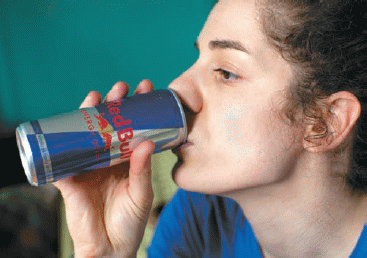
Red Bull used alternative marketing to establish a presence in the United States.
Red Bull's marketing team created a group of "consumer educators" who traveled to various locations giving out free samples. The brand managers organized and sponsored extreme sporting events, such as skateboarding and cliff diving, for consumer educators to attend. The concept was that the participants and fans of these types of sports had buzz-seeking desires and an interest in products that were positioned as "sleek, sweet, and full-throttle."55 From the parties and the extreme sports, word-of-mouth communications about the brand spread. The buzz-seeking target audience became Red Bull's first customer base.
The traditional soft-drink companies were slow to react. Eventually, Pepsi created a competing product called Adrenaline Rush; Coca-Cola entered the market with KMX; and Anheuser Busch developed 180, which is supposed to turn a person's energy level around by 180 degrees. Pepsi may be less concerned with Red Bull due to its ownership of Gatorade. Still, both Coke and Pepsi have concentrated efforts on garnering shelf space in convenience stores and superstores.
More recently, Red Bull's marketing efforts have been expanded to include more traditional forms of advertising. At the same time, endorsers tend to be edgier figures, such as famed kayaker Tao Berman, and the commercials themselves remain offbeat. Red Bull creator Dietrich Mateschitz summarized it best, "If we don't create a market, it doesn't exist." And $1.6 billion later, it is clear that he has a point.
Two challenges have begun to emerge. First, Red Bull has been banned in some countries, including France and Canada. Other nations have examined the product and express fears about its impact on health. The second is keeping Red Bull on the cutting edge. A series of new energy formulas are available, including the heavily advertised 5-Hour Energy drinks. Can Red Bull maintain its edgy marketing presence over a sustained period of time
1. What alternative marketing methods does Red Bull use
2. Visit Red Bull's Web site (www.redbull.com) and identify the alternative media venues used by Red Bull's marketing team.
3. What role should traditional media play in Red Bull's future, especially when compared to alternative media
4. Are there ways to build brand communities around Red Bull What role might Twitter, Digg, or Facebook play in supporting such communities
5. Red Bull believes that staying with alternative approaches best fits its image. As you think about all of the alternative marketing methods and alternative media, what suggestions would you make to Red Bull for the future Describe a campaign for Red Bull using one or more alternative methods.
In today's active world, people need help. At least, that would be the position presented by any of the companies that sell energy drinks. Red Bull and other products are designed to jolt a consumer into action.
Red Bull's ingredient list begins with taurine, which occurs naturally in the human body. Red Bull helps to replace the taurine lost during conditions of high stress or physical exertion, which, in turn, helps the person recover more quickly. The carbohydrate glucuronolactone, which also is found naturally in the human body, is added to help with the detoxification processes as well as support the body in eliminating waste substances. The amount of caffeine in a serving of Red Bull is nearly double the amount present in Mountain Dew, a product perceived by many as the highest-energy soft drink. Red Bull also contains acesulfame K, sucrose, glucose, B vitamins, and aspartame, which is well-known as the key ingredient in NutraSweet. The company's marketing materials emphasize that the formula took 3 years to develop. The 8.3-ounce can drink was first launched in Australia in 1984. Red Bull tastes sweet and lemony, and, as one fan put it, "like a melted lollypop." The price of a single can is typically higher than a 16-ounce bottle of soda.54
When Red Bull was introduced into the United States, the product clearly struck a chord in some markets. Those pulling all-nighters for school, work, or partying, as well as those engaged in extreme sports, quickly gravitated to Red Bull. By 2010, the drink continued to hold a 60 to 70 percent share of the U.S. market for similar drinks and annual sales.
Red Bull's entry into the United States has been viewed by many marketing experts as one of the first and classic uses of alternative and buzz marketing. Red Bull's brand management team began by identifying a target audience-those who would most likely want the buzz created by an energy drink. One key constituent group would be college students. Consequently, the company provided free samples of the drink to college and university students, who were encouraged to throw big parties where cases of Red Bull would be served.
Red Bull used alternative marketing to establish a presence in the United States.
Red Bull's marketing team created a group of "consumer educators" who traveled to various locations giving out free samples. The brand managers organized and sponsored extreme sporting events, such as skateboarding and cliff diving, for consumer educators to attend. The concept was that the participants and fans of these types of sports had buzz-seeking desires and an interest in products that were positioned as "sleek, sweet, and full-throttle."55 From the parties and the extreme sports, word-of-mouth communications about the brand spread. The buzz-seeking target audience became Red Bull's first customer base.
The traditional soft-drink companies were slow to react. Eventually, Pepsi created a competing product called Adrenaline Rush; Coca-Cola entered the market with KMX; and Anheuser Busch developed 180, which is supposed to turn a person's energy level around by 180 degrees. Pepsi may be less concerned with Red Bull due to its ownership of Gatorade. Still, both Coke and Pepsi have concentrated efforts on garnering shelf space in convenience stores and superstores.
More recently, Red Bull's marketing efforts have been expanded to include more traditional forms of advertising. At the same time, endorsers tend to be edgier figures, such as famed kayaker Tao Berman, and the commercials themselves remain offbeat. Red Bull creator Dietrich Mateschitz summarized it best, "If we don't create a market, it doesn't exist." And $1.6 billion later, it is clear that he has a point.
Two challenges have begun to emerge. First, Red Bull has been banned in some countries, including France and Canada. Other nations have examined the product and express fears about its impact on health. The second is keeping Red Bull on the cutting edge. A series of new energy formulas are available, including the heavily advertised 5-Hour Energy drinks. Can Red Bull maintain its edgy marketing presence over a sustained period of time
1. What alternative marketing methods does Red Bull use
2. Visit Red Bull's Web site (www.redbull.com) and identify the alternative media venues used by Red Bull's marketing team.
3. What role should traditional media play in Red Bull's future, especially when compared to alternative media
4. Are there ways to build brand communities around Red Bull What role might Twitter, Digg, or Facebook play in supporting such communities
5. Red Bull believes that staying with alternative approaches best fits its image. As you think about all of the alternative marketing methods and alternative media, what suggestions would you make to Red Bull for the future Describe a campaign for Red Bull using one or more alternative methods.
Explanation Verified
Verified
1.
RB is an energy drink which was first...

Integrated Advertising, Promotion and Marketing Communications 5th Edition by Kenneth Clow,Donald Baack

Why don’t you like this exercise?
Other Minimum 8 character and maximum 255 character
Character 255






