







 Chat with AI


Marketing 5th Edition by Dhruv Grewal,Michael Levy
Edition 5ISBN: 978-1259446290Marketing 5th Edition by Dhruv Grewal,Michael Levy
Edition 5ISBN: 978-1259446290 Exercise 18
THE GREAT YOGURT BATTLE
Let's think about the options available for your frozen dessert indulgence: ice cream, frozen custard, gelato, frozen yogurt, sherbet, sorbet, water ice, singleserving desserts such as Popsicles, milkshakes, and blended treats that combine frozen dairy products with bits of cookies or candies. In addition to their wide variety of flavors, they also come in reduced-fat, soy, organic, fair-trade, probiotic, nutrition-enhanced, and gluten-free versions. Faced with all these choices and options, how is a brand to make its mark
This case focuses particularly on sales of frozen yogurt-a relatively small, but growing, part of the $25 billion frozen dessert market. Its growth trends have spawned intense competition among existing frozen yogurt shops, as well as inspired new brands to set up shop. Specifically, the modern U.S. market features approximately 1,500 shops, maintained by 268 different companies. These firms are projected to earn $800 million in revenue this year.
To build and maintain a loyal customer base, each frozen yogurt brand seeks to distinguish itself from its competitors by offering products, services, and ambiance that are so appealing that customers shun competitors. Since it opened in 2005, for example, Pinkberry has attracted loyal fans devoted to its tart-flavored yogurt, which contains probiotics and promises to aid digestion. Stores offer a limited number of exotic flavors, many of which are seasonal, and a wide array of high-end toppings.59 The minimalism in the flavor choices is part of the company's brand image, as reflected in the stark, bright store layouts. That is, this popular new chain offers consistency across its products and its store images, even as it promises that customers can eat healthy, lowfat, hormone-free milk products and still indulge in unusual yogurt flavors and interesting toppings.
In contrast, the more traditional dessert idea offered by TCBY allows consumers to help themselves to yogurt flavors like cake batter, red velvet cake, and peanut butter, and then pile on candy, cookies, fruit, sauces, and sprinkles. Because the stores calculate the costs of each dessert by weight rather than by serving size, customers feel free to create towering frozen creations that they might have felt awkward ordering. It also results in a higher per-serving cost.
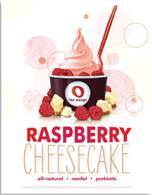
How does Red Mango add value for its customers
Originating in South Korea, Red Mango started opening the doors on its U.S. stores in 2007. It purposefully seeks locations in college towns, reasoning that students tend to be more health conscious and thus would be attracted to its all-natural, gluten-free, low-fat options. In keeping with its goal of appealing mainly to students and young consumers, it also promotes its cold coffee options. The stores themselves encourage lingering, with comfortable seating and even large-screen televisions in some stores.
These chains and their smaller competitors also are adding new product lines to leverage the exploding popularity of Greek-style yogurt. Adding desserts based on the newly introduced (at least in the United States) style has expanded the market dramatically. Yet analysts argue that there is still plenty of room for growth. The United States eats far less yogurt per capita than most European nations, for example. In contrast, other observers caution that frozen yogurt is just one more dessert fad, rather like cupcake shops, that will reach a peak and then fade away relatively soon.
On grocery store shelves, the brands see room to grow. Sales of frozen yogurt products jumped by 74 percent in a recent two-year period. In that same span of time, sales of ice cream products grew by a mere 3.9 percent.
As these examples show, newcomers must constantly try to find a foothold in the market. Already established businesses must grow and change their product offerings and corporate citizenry to keep pace with customer needs and tastes. Pinkberry stresses health and style; TCBY gives customers more choices and more control over portions; Red Mango targets young college consumers.
Which growth strategies seem most likely for each of the companies mentioned in this case Why
Let's think about the options available for your frozen dessert indulgence: ice cream, frozen custard, gelato, frozen yogurt, sherbet, sorbet, water ice, singleserving desserts such as Popsicles, milkshakes, and blended treats that combine frozen dairy products with bits of cookies or candies. In addition to their wide variety of flavors, they also come in reduced-fat, soy, organic, fair-trade, probiotic, nutrition-enhanced, and gluten-free versions. Faced with all these choices and options, how is a brand to make its mark
This case focuses particularly on sales of frozen yogurt-a relatively small, but growing, part of the $25 billion frozen dessert market. Its growth trends have spawned intense competition among existing frozen yogurt shops, as well as inspired new brands to set up shop. Specifically, the modern U.S. market features approximately 1,500 shops, maintained by 268 different companies. These firms are projected to earn $800 million in revenue this year.
To build and maintain a loyal customer base, each frozen yogurt brand seeks to distinguish itself from its competitors by offering products, services, and ambiance that are so appealing that customers shun competitors. Since it opened in 2005, for example, Pinkberry has attracted loyal fans devoted to its tart-flavored yogurt, which contains probiotics and promises to aid digestion. Stores offer a limited number of exotic flavors, many of which are seasonal, and a wide array of high-end toppings.59 The minimalism in the flavor choices is part of the company's brand image, as reflected in the stark, bright store layouts. That is, this popular new chain offers consistency across its products and its store images, even as it promises that customers can eat healthy, lowfat, hormone-free milk products and still indulge in unusual yogurt flavors and interesting toppings.
In contrast, the more traditional dessert idea offered by TCBY allows consumers to help themselves to yogurt flavors like cake batter, red velvet cake, and peanut butter, and then pile on candy, cookies, fruit, sauces, and sprinkles. Because the stores calculate the costs of each dessert by weight rather than by serving size, customers feel free to create towering frozen creations that they might have felt awkward ordering. It also results in a higher per-serving cost.
How does Red Mango add value for its customers
Originating in South Korea, Red Mango started opening the doors on its U.S. stores in 2007. It purposefully seeks locations in college towns, reasoning that students tend to be more health conscious and thus would be attracted to its all-natural, gluten-free, low-fat options. In keeping with its goal of appealing mainly to students and young consumers, it also promotes its cold coffee options. The stores themselves encourage lingering, with comfortable seating and even large-screen televisions in some stores.
These chains and their smaller competitors also are adding new product lines to leverage the exploding popularity of Greek-style yogurt. Adding desserts based on the newly introduced (at least in the United States) style has expanded the market dramatically. Yet analysts argue that there is still plenty of room for growth. The United States eats far less yogurt per capita than most European nations, for example. In contrast, other observers caution that frozen yogurt is just one more dessert fad, rather like cupcake shops, that will reach a peak and then fade away relatively soon.
On grocery store shelves, the brands see room to grow. Sales of frozen yogurt products jumped by 74 percent in a recent two-year period. In that same span of time, sales of ice cream products grew by a mere 3.9 percent.
As these examples show, newcomers must constantly try to find a foothold in the market. Already established businesses must grow and change their product offerings and corporate citizenry to keep pace with customer needs and tastes. Pinkberry stresses health and style; TCBY gives customers more choices and more control over portions; Red Mango targets young college consumers.
Which growth strategies seem most likely for each of the companies mentioned in this case Why
Explanation Verified
Verified
PB : Its growth strategy is to concentra...

Marketing 5th Edition by Dhruv Grewal,Michael Levy

Why don’t you like this exercise?
Other Minimum 8 character and maximum 255 character
Character 255






