







 Chat with AI

Contemporary Nutrition 3rd Edition by Gordon Wardlaw, Anne Smith, Angela Collene
Edition 3ISBN: 978-0-07-802134-3Contemporary Nutrition 3rd Edition by Gordon Wardlaw, Anne Smith, Angela Collene
Edition 3ISBN: 978-0-07-802134-3 Exercise 20
Can You Spot the Improper Food-Safety Practices?
In this chapter you learned that (1) foodborne illness strikes up to 76 million U.S. citizens each year and (2) about 5000 deaths each year in the United States are caused by foodborne organisms.
Carefully preparing foods to prevent foodborne illness can minimize its occurrence for most of us. Read the following excerpt and find the food-safety violations that could lead toillness.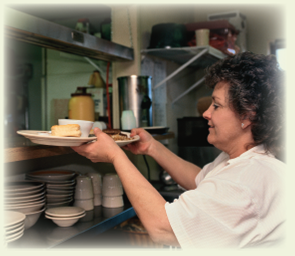
A Local Health Department Inspector Gives the Following Account of His Visit to a Local Diner
As I walked through the kitchen of the Morningside Diner, I noticed that all food handlers washed their hands thoroughly with hot, soapy water before handling the food, especially after handling raw meat, fish, poultry, or eggs. Before preparing raw foods, they also thoroughly washed the cutting boards, dishes, and other equipment. As they used their cutting boards after cutting foods, they wiped them with a damp rag and used them again to cut more food.
When preparing fresh fruits and vegetables, they washed them but were careful to leave a little dirt on for fear of washing important nutrients from the outside. The cooks generally cooked meats to an internal temperature of 180°F (82°C). However, to preserve the flavor, pork was cooked to an internal temperature of 140°F (60°C). Some cooked foods to be served later were cooled to below 41°F (5°C) within 2 hours, and foods like beef stew were cooled in shallow pans.
The diner served canned foods, even when the cans were dented. When leftovers were reheated, they were raised to an internal temperature of 130°F (55°C) and served immediately. Food handlers took great care to remove moldy portions of food. The cooks prepared stuffing separately from the poultry. The temperature of refrigerators was approximately 45°F (7°C).
1. List the violations of food-safety practices that could contribute to foodborne illness.
________________________________________________________________________________
________________________________________________________________________________
________________________________________________________________________________
2. If you were writing a report describing ways to correct these practices, what would you say?
________________________________________________________________________________
________________________________________________________________________________
________________________________________________________________________________
3. List the food-safety practices that follow the general rules for preventing foodborne illness.
________________________________________________________________________________
________________________________________________________________________________
________________________________________________________________________________
In this chapter you learned that (1) foodborne illness strikes up to 76 million U.S. citizens each year and (2) about 5000 deaths each year in the United States are caused by foodborne organisms.
Carefully preparing foods to prevent foodborne illness can minimize its occurrence for most of us. Read the following excerpt and find the food-safety violations that could lead toillness.
A Local Health Department Inspector Gives the Following Account of His Visit to a Local Diner
As I walked through the kitchen of the Morningside Diner, I noticed that all food handlers washed their hands thoroughly with hot, soapy water before handling the food, especially after handling raw meat, fish, poultry, or eggs. Before preparing raw foods, they also thoroughly washed the cutting boards, dishes, and other equipment. As they used their cutting boards after cutting foods, they wiped them with a damp rag and used them again to cut more food.
When preparing fresh fruits and vegetables, they washed them but were careful to leave a little dirt on for fear of washing important nutrients from the outside. The cooks generally cooked meats to an internal temperature of 180°F (82°C). However, to preserve the flavor, pork was cooked to an internal temperature of 140°F (60°C). Some cooked foods to be served later were cooled to below 41°F (5°C) within 2 hours, and foods like beef stew were cooled in shallow pans.
The diner served canned foods, even when the cans were dented. When leftovers were reheated, they were raised to an internal temperature of 130°F (55°C) and served immediately. Food handlers took great care to remove moldy portions of food. The cooks prepared stuffing separately from the poultry. The temperature of refrigerators was approximately 45°F (7°C).
1. List the violations of food-safety practices that could contribute to foodborne illness.
________________________________________________________________________________
________________________________________________________________________________
________________________________________________________________________________
2. If you were writing a report describing ways to correct these practices, what would you say?
________________________________________________________________________________
________________________________________________________________________________
________________________________________________________________________________
3. List the food-safety practices that follow the general rules for preventing foodborne illness.
________________________________________________________________________________
________________________________________________________________________________
________________________________________________________________________________
Explanation Verified
Verified
1.
The following are the violations of f...

Contemporary Nutrition 3rd Edition by Gordon Wardlaw, Anne Smith, Angela Collene

Why don’t you like this exercise?
Other Minimum 8 character and maximum 255 character
Character 255






