







 Chat with AI


Marketing 12th Edition by Charles Lamb,Charles Lamb,Joe Hair
Edition 12ISBN: 978-1111821647Marketing 12th Edition by Charles Lamb,Charles Lamb,Joe Hair
Edition 12ISBN: 978-1111821647 Exercise 14
YELLOW TAIL'S TAILS-FOR-TAILS CAMPAIGN
Yellow Tail is an Australian wine produced by Casella Wines Pty Ltd. The company entered into bottled wine commercialization around the beginning of 2000 and quickly became a top imported wine into the United States. As such, it is not surprising that the company has targeted cause-related promotional efforts in the United States. However, the company created quite a stir in 2010 when it donated US$100,000 to the Humane Society of the United States (HSUS). At first glance, one might think (as probably did executives at Yellow Tail) that this type of donation would engender strong support and affinity among American consumers. Unfortunately, just the opposite happened!
The Humane Society of the United States
According to the HSUS Web site, the society "... is the nation's largest and most effective animal protection organization-backed by 11 million Americans.... HSUS seeks a humane and sustainable world for all animals.... We are America's mainstream force against cruelty, exploitation and neglect, as well as the most trusted voice extolling the human-animal bond." Based on that mission, one might expect the HSUS to be a critical advocate for animals. Yet the firestorm associated with the Tails-for-Tails campaign highlighted several possible flaws in the interpretation of what HSUS really does. For example, numerous reports point out that HSUS is not an animal shelter group seeking to take care of abandoned pets. Rather, some writers even suggest that the group is an animal rights extremist group opposed to the consumption of meat products and a group that seeks to outlaw progressive and humane agricultural practices. Adding fuel to the fire is the evidence that less than one percent of the HSUS budget actually goes toward the caring of animals. In a comment attributed to the Animal Agriculture Alliance, the American Institute of Philanthropy gave the HSUS a grade of "C-" in its Charity Rating Guide. Supposedly, the vast majority of the HSUS budget goes to fundraising, lobbying, and salaries.
Tails for Tails
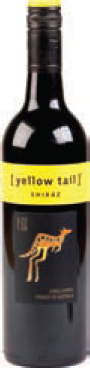
On February 4, 2010, a Yellow Tail press release announced a collaboration between the company and the HSUS. In support of the HSUS mission to celebrate animals, the wine company made a donation of US$100,000. The company said that it embraced animals and pointed to the company's logo of a Yellow-footed Rock Wallaby as an example of that affiliation. In addition to point-of-sale visibility for the Tails-for-Tails campaign, Yellow Tail's Facebook page would include a link to the HSUS pet photo contest. Via this online collaboration, consumers would receive information on how to make a donation to the HSUS animal rescue program.
The Uproar
The agriculture community has long felt like it has been a target of the HSUS. It was thought that the HSUS was an organization with a core mission of removing meat, dairy, and eggs from the American diet and, as such, putting farmers and ranchers out of business. Soon after the announcement of the Tails-for-Tails campaign, the U.S. Sportsmen's Alliance sent a letter to the American distributor of Yellow Tail wine. In the letter, it was pointed out that efforts by the HSUS weaken wildlife conservation within the United States while attacking a major economic sector. The Alliance also tweeted about the collaboration between Yellow Tail and the HSUS. The agricultural community picked up on the news and word began to spread throughout the Twitterverse, and a public relations nightmare began for Yellow Tail.
Within days, a "Yellow Fail" Facebook page was created and fans of the page skyrocketed to almost equal that of a Yellow Tail fan page. Bloggers condemned both Yellow Tail and the HSUS. A call to action was made to stop buying Yellow Tail wine. A fifth generation rancher in South Dakota (USA) digitally recorded himself pouring Yellow Tail wine onto the snow while his cattle watched in the background. The recording quickly garnered thousands of views. Another rancher was seen with a bottle of Yellow Tail being used for target practice. People even became fans on Yellow Tail's Facebook page just so they could write negative comments on the company's wall. The agriculture community took a stand against Yellow Tail and the HSUS and used social media to disseminate its concerns.
What role did the social media ecosystem play in this public relations nightmare?
Yellow Tail is an Australian wine produced by Casella Wines Pty Ltd. The company entered into bottled wine commercialization around the beginning of 2000 and quickly became a top imported wine into the United States. As such, it is not surprising that the company has targeted cause-related promotional efforts in the United States. However, the company created quite a stir in 2010 when it donated US$100,000 to the Humane Society of the United States (HSUS). At first glance, one might think (as probably did executives at Yellow Tail) that this type of donation would engender strong support and affinity among American consumers. Unfortunately, just the opposite happened!
The Humane Society of the United States
According to the HSUS Web site, the society "... is the nation's largest and most effective animal protection organization-backed by 11 million Americans.... HSUS seeks a humane and sustainable world for all animals.... We are America's mainstream force against cruelty, exploitation and neglect, as well as the most trusted voice extolling the human-animal bond." Based on that mission, one might expect the HSUS to be a critical advocate for animals. Yet the firestorm associated with the Tails-for-Tails campaign highlighted several possible flaws in the interpretation of what HSUS really does. For example, numerous reports point out that HSUS is not an animal shelter group seeking to take care of abandoned pets. Rather, some writers even suggest that the group is an animal rights extremist group opposed to the consumption of meat products and a group that seeks to outlaw progressive and humane agricultural practices. Adding fuel to the fire is the evidence that less than one percent of the HSUS budget actually goes toward the caring of animals. In a comment attributed to the Animal Agriculture Alliance, the American Institute of Philanthropy gave the HSUS a grade of "C-" in its Charity Rating Guide. Supposedly, the vast majority of the HSUS budget goes to fundraising, lobbying, and salaries.
Tails for Tails
On February 4, 2010, a Yellow Tail press release announced a collaboration between the company and the HSUS. In support of the HSUS mission to celebrate animals, the wine company made a donation of US$100,000. The company said that it embraced animals and pointed to the company's logo of a Yellow-footed Rock Wallaby as an example of that affiliation. In addition to point-of-sale visibility for the Tails-for-Tails campaign, Yellow Tail's Facebook page would include a link to the HSUS pet photo contest. Via this online collaboration, consumers would receive information on how to make a donation to the HSUS animal rescue program.
The Uproar
The agriculture community has long felt like it has been a target of the HSUS. It was thought that the HSUS was an organization with a core mission of removing meat, dairy, and eggs from the American diet and, as such, putting farmers and ranchers out of business. Soon after the announcement of the Tails-for-Tails campaign, the U.S. Sportsmen's Alliance sent a letter to the American distributor of Yellow Tail wine. In the letter, it was pointed out that efforts by the HSUS weaken wildlife conservation within the United States while attacking a major economic sector. The Alliance also tweeted about the collaboration between Yellow Tail and the HSUS. The agricultural community picked up on the news and word began to spread throughout the Twitterverse, and a public relations nightmare began for Yellow Tail.
Within days, a "Yellow Fail" Facebook page was created and fans of the page skyrocketed to almost equal that of a Yellow Tail fan page. Bloggers condemned both Yellow Tail and the HSUS. A call to action was made to stop buying Yellow Tail wine. A fifth generation rancher in South Dakota (USA) digitally recorded himself pouring Yellow Tail wine onto the snow while his cattle watched in the background. The recording quickly garnered thousands of views. Another rancher was seen with a bottle of Yellow Tail being used for target practice. People even became fans on Yellow Tail's Facebook page just so they could write negative comments on the company's wall. The agriculture community took a stand against Yellow Tail and the HSUS and used social media to disseminate its concerns.
What role did the social media ecosystem play in this public relations nightmare?
Explanation Verified
Verified
The social media ecosystem has played a ...

Marketing 12th Edition by Charles Lamb,Charles Lamb,Joe Hair

Why don’t you like this exercise?
Other Minimum 8 character and maximum 255 character
Character 255






