







 Chat with AI


Marketing 12th Edition by Charles Lamb,Charles Lamb,Joe Hair
Edition 12ISBN: 978-1111821647Marketing 12th Edition by Charles Lamb,Charles Lamb,Joe Hair
Edition 12ISBN: 978-1111821647 Exercise 26
URBAN STORE FORMAT AT CVS: WHERE DID ALL THE CASHIERS GO?
Self-checkout has been implemented at various retailers. They can be found at most grocery stores and Home Depot even offers the option. But, grocery stores and Home Depot have kept their cashiers. A consumer can choose to go to a cashier line or to use one of two to four self checkout machines. At CVS, however, the new urban store format has resulted in consumers being forced to go through the self checkout. In the new urban stores, there may only be one cashier and that cashier is likely no longer found easily at the front of the store.
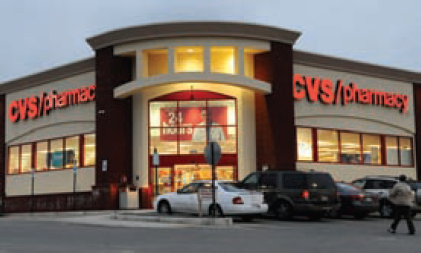
CVS CAREMARK
CVS Corporation and Caremark Rx Inc. merged in 2007 to form CVS Caremark, the largest pharmacy healthcare provider in the United States. Headquartered in Woonsocket, Rhode Island (USA), the company has more than $99 billion in annual revenue, filling more than one billion prescriptions annually. More than four million customers visit a CVS pharmacy store every day.
In 2010, CVS Caremark began converting about 300 CVS stores in large American cities to a more urban store concept. Research had shown that CVS customers in large cities were using the store more as a general, all-purpose store than just for pharmacy or over-the- counter healthcare products. As such, the company saw a need to stock a wider variety of products, including items such as grab-and-go sandwiches, fruit, refrigerated soft drinks and bottled water, and frozen food. As a part of this urban store concept, the company also revamped the stores with self-checkout machines. According to the company, the logic behind the self-checkout machines was the facilitation of quick and convenient shopping trips.
Self-checkout registers are intended to provide many benefits to CVS shoppers. The key benefit is the reduced checkout time since registers do not depend upon the number of clerks available to operate the registers. Additionally, some consumers, particularly in pharmacies, appreciate the privacy and anonymity of not having to deal with anyone who can see the items being purchased. However, the self-checkout does not come without disadvantages. In particular, an inexperienced customer can take an unreasonable amount of time in scanning their own items. As well, there are some over-the-counter healthcare products that require approval before the purchasing process can be validated. Thus, an employee of the store must assist in the purchasing process by inputting a validation code (e.g., after checking the person's identification). Another very common frustration at the self-checkout is the "unexpected item in bagging area" notification. These usually false alerts halt the checkout process and require a store attendant to assist with the continuance of the checkout process. From the retailer's point-of-view, a major benefit of self-checkout is reduced staffing requirements.
IMPLEMENTATION IS KEY
Self-checkout has to be implemented properly for benefits to accrue to both the customer and retailer. Unfortunately for CVS, concerns arose about the ability of the company to implement the self-checkout component of its urban store concept. Two major issues arose from the customer's perspective.
One, there was concern that CVS was implementing the self-checkout as a way to reduce headcount. This struck at the nerve of many customers who expressed concern about laying off workers during a recession. While CVS said that there would not be an impact on headcount, the company was vague when it came to the adjustment of workers' hours. Thus, while workers might not get laid off , they were likely to see fewer work hours per week.
Second, according to numerous consumer blogs, the machines at CVS were not working properly and/or conveniently. One customer likened the self-checkout registers at CVS to the first iteration of the Windows operating system-a good idea, but clunky, prone to errors, and not intuitive. The rampant need for assistance due to healthcare products requiring proof of age or identification was another point of concern in that the fewer number of available staff meant long waits for assistance, assuming assistance ever arrived. Finally, another customer who expressed a love for self-checkouts said that the registers at CVS were hands-down the worst ever experienced. Concerns such as this made some bloggers wonder if the automated checkouts at CVS were ready for prime time. Had CVS released the concept too soon or without a strong implementation plan?
Has the electronic checkout supplanted the need for good customer service?
Self-checkout has been implemented at various retailers. They can be found at most grocery stores and Home Depot even offers the option. But, grocery stores and Home Depot have kept their cashiers. A consumer can choose to go to a cashier line or to use one of two to four self checkout machines. At CVS, however, the new urban store format has resulted in consumers being forced to go through the self checkout. In the new urban stores, there may only be one cashier and that cashier is likely no longer found easily at the front of the store.
CVS CAREMARK
CVS Corporation and Caremark Rx Inc. merged in 2007 to form CVS Caremark, the largest pharmacy healthcare provider in the United States. Headquartered in Woonsocket, Rhode Island (USA), the company has more than $99 billion in annual revenue, filling more than one billion prescriptions annually. More than four million customers visit a CVS pharmacy store every day.
In 2010, CVS Caremark began converting about 300 CVS stores in large American cities to a more urban store concept. Research had shown that CVS customers in large cities were using the store more as a general, all-purpose store than just for pharmacy or over-the- counter healthcare products. As such, the company saw a need to stock a wider variety of products, including items such as grab-and-go sandwiches, fruit, refrigerated soft drinks and bottled water, and frozen food. As a part of this urban store concept, the company also revamped the stores with self-checkout machines. According to the company, the logic behind the self-checkout machines was the facilitation of quick and convenient shopping trips.
Self-checkout registers are intended to provide many benefits to CVS shoppers. The key benefit is the reduced checkout time since registers do not depend upon the number of clerks available to operate the registers. Additionally, some consumers, particularly in pharmacies, appreciate the privacy and anonymity of not having to deal with anyone who can see the items being purchased. However, the self-checkout does not come without disadvantages. In particular, an inexperienced customer can take an unreasonable amount of time in scanning their own items. As well, there are some over-the-counter healthcare products that require approval before the purchasing process can be validated. Thus, an employee of the store must assist in the purchasing process by inputting a validation code (e.g., after checking the person's identification). Another very common frustration at the self-checkout is the "unexpected item in bagging area" notification. These usually false alerts halt the checkout process and require a store attendant to assist with the continuance of the checkout process. From the retailer's point-of-view, a major benefit of self-checkout is reduced staffing requirements.
IMPLEMENTATION IS KEY
Self-checkout has to be implemented properly for benefits to accrue to both the customer and retailer. Unfortunately for CVS, concerns arose about the ability of the company to implement the self-checkout component of its urban store concept. Two major issues arose from the customer's perspective.
One, there was concern that CVS was implementing the self-checkout as a way to reduce headcount. This struck at the nerve of many customers who expressed concern about laying off workers during a recession. While CVS said that there would not be an impact on headcount, the company was vague when it came to the adjustment of workers' hours. Thus, while workers might not get laid off , they were likely to see fewer work hours per week.
Second, according to numerous consumer blogs, the machines at CVS were not working properly and/or conveniently. One customer likened the self-checkout registers at CVS to the first iteration of the Windows operating system-a good idea, but clunky, prone to errors, and not intuitive. The rampant need for assistance due to healthcare products requiring proof of age or identification was another point of concern in that the fewer number of available staff meant long waits for assistance, assuming assistance ever arrived. Finally, another customer who expressed a love for self-checkouts said that the registers at CVS were hands-down the worst ever experienced. Concerns such as this made some bloggers wonder if the automated checkouts at CVS were ready for prime time. Had CVS released the concept too soon or without a strong implementation plan?
Has the electronic checkout supplanted the need for good customer service?
Explanation Verified
Verified
In regards to the implementation of elec...

Marketing 12th Edition by Charles Lamb,Charles Lamb,Joe Hair

Why don’t you like this exercise?
Other Minimum 8 character and maximum 255 character
Character 255






