







 Chat with AI


Campbell Biology 11th Edition by Lisa Urry,Michael Cain,Steven Wasserman,Peter Minorsky,Jane Reece
Edition 11ISBN: 978-0134093413Campbell Biology 11th Edition by Lisa Urry,Michael Cain,Steven Wasserman,Peter Minorsky,Jane Reece
Edition 11ISBN: 978-0134093413 Exercise 3
The water in the Yellowstone National Park hot springs shown here is around 160°F (70°C). Biologists assumed that no species of organisms could live in water above about 130°F (55°C), so they were surprised to find several species of bacteria there, now called thermophiles ("heat-lovers"). You've learned in this chapter how an enzyme from one species, Thermus aquaticus, made feasible one of the most important DNA-based techniques used in labs today. What was the enzyme, and what was the value of its being isolated from a thermophile Can you think of reasons other enzymes from this bacterium (or other thermophiles) might also be valuable 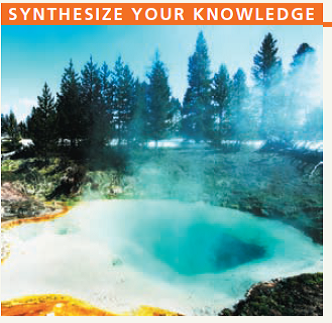
Explanation Verified
Verified
The enzyme that was found in Thermus aqu...

Campbell Biology 11th Edition by Lisa Urry,Michael Cain,Steven Wasserman,Peter Minorsky,Jane Reece

Why don’t you like this exercise?
Other Minimum 8 character and maximum 255 character
Character 255






