







 Chat with AI

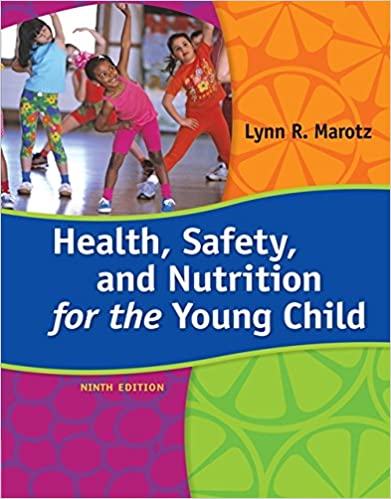
Health, Safety, and Nutrition for the Young Child 9th Edition by Lynn Marotz
Edition 9ISBN: 978-1285427331Health, Safety, and Nutrition for the Young Child 9th Edition by Lynn Marotz
Edition 9ISBN: 978-1285427331 Exercise 21
Adults worldwide are being encouraged to lower their salt intake. The Dietary Guidelines for Healthy Americans urge adults to limit their sodium intake to 2,300 mg (the equivalent of 1 teaspoon) daily. Recognized organizations, such as the World Health Organization (WHO), the American Medical Association (AMA), and the American Heart Association (AHA) continue to issue public warnings about the links between sodium intake, hypertension (high blood pressure), and heart disease (Frisoli et al., 2012). Certain populations, especially minorities, older adults, and the obese, are known to be at greater risk for these conditions. However, we are also learning that excessive salt intake can contribute to the early development of these same diseases in children. Although infants appear to initially dislike the taste of salt, they quickly learn to like it and even to acquire a preference for it as they transition to finger foods (Stein, Cowart, Beauchamp, 2012). Adults who are aware of this connection can play an influential role in shaping children's early eating habits.
Think About This:
What high-salt (sodium) finger foods are frequently offered to infants
How much salt (sodium) do the infants in your program receive in a typical day
What healthy, low-salt finger food options can you suggest for snacks
What can you do to encourage families to lower their salt intake and to substitute low-salt food items for infants
Think About This:
What high-salt (sodium) finger foods are frequently offered to infants
How much salt (sodium) do the infants in your program receive in a typical day
What healthy, low-salt finger food options can you suggest for snacks
What can you do to encourage families to lower their salt intake and to substitute low-salt food items for infants
Explanation Verified
Verified
High salt intact is just as bad for infa...

Health, Safety, and Nutrition for the Young Child 9th Edition by Lynn Marotz

Why don’t you like this exercise?
Other Minimum 8 character and maximum 255 character
Character 255






