







 Chat with AI

Deck 37: Vital Signs and Measurements
Full screen (f)

Question

Question
Question
Question
Question
Question
Question
Question
Question
Question
Question
Question
Question
Question
Question
Question
Question
Question
Question
Question
Question
Question
Question
Question
Question
Question
Question
Question
Question
Question
Question
Question
Question
Question
Question
Question
Question
Question
Question
Question
Question
The measurement on this sphygmomanometer gauge is ________ mm Hg. 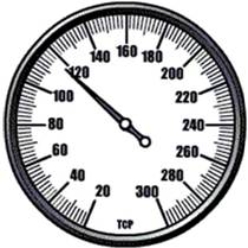
Question
Question
Question
Question
Question
Question
The measurement on this sphygmomanometer gauge is ________ mm Hg. 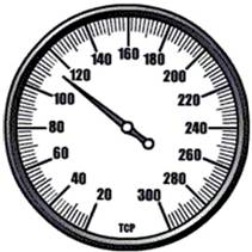
Question
Question
Question
Question
Question
Question
The measurement on this sphygmomanometer gauge is ________ mm Hg. 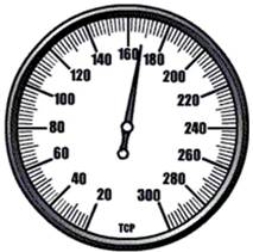
Question
The measurement on this sphygmomanometer gauge is ________ mm Hg. 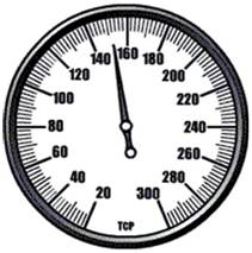
Question
The measurement on this sphygmomanometer gauge is ________ mm Hg. 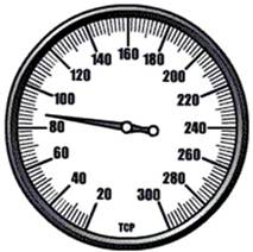
Question
Question
Question
Question
Question
Question
Question
Question
Question
Question
Question
Question
Question
Question
Question
Question
Question
Question
Question
Question
Question
Question
Question
Question
Question

Unlock Deck
Sign up to unlock the cards in this deck!
Unlock Deck
Unlock Deck
1/93

Play

Full screen (f)
Deck 37: Vital Signs and Measurements
1
Respiration is the number of times a patient breathes in ____ seconds.
A) 15
B) 30
C) 20
D) 60
E) 90
A) 15
B) 30
C) 20
D) 60
E) 90
60
2
Which of the following is the normal range for an adult heart rate per minute?
A) 80-160
B) 75-130
C) 55-110
D) 60-100
E) 85-150
A) 80-160
B) 75-130
C) 55-110
D) 60-100
E) 85-150
60-100
3
Which of the following is important when taking a rectal temperature?
A) Rinse the thermometer under water before inserting it
B) Ask the patient to stand up and bend over
C) Insert the thermometer 2 inches into the rectum
D) Hold the thermometer in place while taking the temperature
E) Use a disposable thermometer
A) Rinse the thermometer under water before inserting it
B) Ask the patient to stand up and bend over
C) Insert the thermometer 2 inches into the rectum
D) Hold the thermometer in place while taking the temperature
E) Use a disposable thermometer
Hold the thermometer in place while taking the temperature
4
The normal adult oral temperature is ____.
A) 98.6ºF-99.8 ºF
B) 98.8ºF-100.1 ºF
C) 97.8ºF-99.1ºF
D) 96.6ºF-99.3 ºF
E) 97.2ºF-100.0 ºF
A) 98.6ºF-99.8 ºF
B) 98.8ºF-100.1 ºF
C) 97.8ºF-99.1ºF
D) 96.6ºF-99.3 ºF
E) 97.2ºF-100.0 ºF
Unlock Deck
Unlock for access to all 93 flashcards in this deck.
Unlock Deck
k this deck
5
Which of the following pulse points is located in the groove on the thumb side of the inner wrist?
A) Radial
B) Brachial
C) Femoral
D) Pedal
E) Temporal
A) Radial
B) Brachial
C) Femoral
D) Pedal
E) Temporal
Unlock Deck
Unlock for access to all 93 flashcards in this deck.
Unlock Deck
k this deck
6
Which of the following is part of the procedure for measuring the weight of an adult?
A) Placing a disposable towel on the scale
B) Asking the patient to step on the back of the scale and lean forward
C) Placing the lower weight at the lowest number until the balance indicator drops to the bottom
D) Moving the upper weight slowly to the left
E) Moving all the weights to the right side to see whether the scale is in balance
A) Placing a disposable towel on the scale
B) Asking the patient to step on the back of the scale and lean forward
C) Placing the lower weight at the lowest number until the balance indicator drops to the bottom
D) Moving the upper weight slowly to the left
E) Moving all the weights to the right side to see whether the scale is in balance
Unlock Deck
Unlock for access to all 93 flashcards in this deck.
Unlock Deck
k this deck
7
Which of the following is the most accurate measurement of body temperature?
A) Temporal temperature
B) Tympanic temperature
C) Axillary temperature
D) Rectal temperature
E) Oral temperature
A) Temporal temperature
B) Tympanic temperature
C) Axillary temperature
D) Rectal temperature
E) Oral temperature
Unlock Deck
Unlock for access to all 93 flashcards in this deck.
Unlock Deck
k this deck
8
Which of the following is the normal range for respirations per minute in an infant?
A) 30-60
B) 40-50
C) 25-36
D) 18-24
E) 12-18
A) 30-60
B) 40-50
C) 25-36
D) 18-24
E) 12-18
Unlock Deck
Unlock for access to all 93 flashcards in this deck.
Unlock Deck
k this deck
9
Pulse is measured as the number of times the heart beats in ____.
A) 15 seconds
B) 20 seconds
C) 30 seconds
D) 1 minute
E) 2 minutes
A) 15 seconds
B) 20 seconds
C) 30 seconds
D) 1 minute
E) 2 minutes
Unlock Deck
Unlock for access to all 93 flashcards in this deck.
Unlock Deck
k this deck
10
Which of the following is important when using a tympanic thermometer?
A) Shake the thermometer down to a reading between 96.0ºF and 97.0ºF
B) Remove the thermometer from the recharging unit and put it in the ear before the light goes on
C) Attach a disposable sheath and place the thermometer snugly in the ear
D) Pull the ear down and forward for an adult
E) Wait at least 15 minutes after a patient has been eating, drinking, or smoking
A) Shake the thermometer down to a reading between 96.0ºF and 97.0ºF
B) Remove the thermometer from the recharging unit and put it in the ear before the light goes on
C) Attach a disposable sheath and place the thermometer snugly in the ear
D) Pull the ear down and forward for an adult
E) Wait at least 15 minutes after a patient has been eating, drinking, or smoking
Unlock Deck
Unlock for access to all 93 flashcards in this deck.
Unlock Deck
k this deck
11
Which of the following thermometers provides the least accurate temperature reading?
A) Disposable thermometers
B) Electronic thermometers
C) Temporal thermometers
D) Tympanic thermometers
E) Oral thermometers
A) Disposable thermometers
B) Electronic thermometers
C) Temporal thermometers
D) Tympanic thermometers
E) Oral thermometers
Unlock Deck
Unlock for access to all 93 flashcards in this deck.
Unlock Deck
k this deck
12
Which of the following is a temperature of 98.6ºF converted to Celsius?
A) 35.9ºC
B) 36.4ºC
C) 37ºC
D) 37.6º C
E) 38°C
A) 35.9ºC
B) 36.4ºC
C) 37ºC
D) 37.6º C
E) 38°C
Unlock Deck
Unlock for access to all 93 flashcards in this deck.
Unlock Deck
k this deck
13
Which of the following is important when measuring an axillary temperature?
A) Have the patient stand up
B) Place the middle of the thermometer on the edge of the axilla
C) Place the shaft of the thermometer facing forward
D) Avoid pressing the patient's upper arm against his side
E) Lubricate the thermometer before use
A) Have the patient stand up
B) Place the middle of the thermometer on the edge of the axilla
C) Place the shaft of the thermometer facing forward
D) Avoid pressing the patient's upper arm against his side
E) Lubricate the thermometer before use
Unlock Deck
Unlock for access to all 93 flashcards in this deck.
Unlock Deck
k this deck
14
The normal adult range for respirations per minute is ____.
A) 26-40
B) 20-30
C) 18-24
D) 12-18
E) 10-20
A) 26-40
B) 20-30
C) 18-24
D) 12-18
E) 10-20
Unlock Deck
Unlock for access to all 93 flashcards in this deck.
Unlock Deck
k this deck
15
Which of the following is considered a normal blood pressure for a healthy adult?
A) 90/60 to 139/78
B) 84/54 to 120/80
C) 80/50 to 112/80
D) 74/50 to 100/70
E) less than 120/less than 80
A) 90/60 to 139/78
B) 84/54 to 120/80
C) 80/50 to 112/80
D) 74/50 to 100/70
E) less than 120/less than 80
Unlock Deck
Unlock for access to all 93 flashcards in this deck.
Unlock Deck
k this deck
16
Which of the following is part of the procedure for weighing a toddler?
A) Asking the parent to remove the toddler's clothing
B) Asking the parent to leave the room
C) Weighing the parent holding the toddler
D) Measuring the weight to the nearest pound
E) Asking the toddler to step on the scale, facing forward
A) Asking the parent to remove the toddler's clothing
B) Asking the parent to leave the room
C) Weighing the parent holding the toddler
D) Measuring the weight to the nearest pound
E) Asking the toddler to step on the scale, facing forward
Unlock Deck
Unlock for access to all 93 flashcards in this deck.
Unlock Deck
k this deck
17
The usual ratio of the pulse rate to the respiration rate is ____.
A) 1:1
B) 2:1
C) 4:1
D) 6:1
E) 8:1
A) 1:1
B) 2:1
C) 4:1
D) 6:1
E) 8:1
Unlock Deck
Unlock for access to all 93 flashcards in this deck.
Unlock Deck
k this deck
18
Which of the following is the normal range for an infant's heart rate per minute?
A) 60-100
B) 70-115
C) 75-130
D) 85-145
E) 100-160
A) 60-100
B) 70-115
C) 75-130
D) 85-145
E) 100-160
Unlock Deck
Unlock for access to all 93 flashcards in this deck.
Unlock Deck
k this deck
19
Adult height should be measured to the nearest ____.
A) sixteenth of an inch
B) eighth of an inch
C) quarter of an inch
D) half-inch
E) inch
A) sixteenth of an inch
B) eighth of an inch
C) quarter of an inch
D) half-inch
E) inch
Unlock Deck
Unlock for access to all 93 flashcards in this deck.
Unlock Deck
k this deck
20
Which of the following is important when measuring an oral temperature?
A) The patient must be able to breathe through the nose.
B) You should place the thermometer on top of the tongue and in the center.
C) The patient should hold the thermometer between the teeth.
D) You should wait 5 minutes after a patient eats or drinks before taking the temperature.
E) You should ask the patient to lie on the left side.
A) The patient must be able to breathe through the nose.
B) You should place the thermometer on top of the tongue and in the center.
C) The patient should hold the thermometer between the teeth.
D) You should wait 5 minutes after a patient eats or drinks before taking the temperature.
E) You should ask the patient to lie on the left side.
Unlock Deck
Unlock for access to all 93 flashcards in this deck.
Unlock Deck
k this deck
21
Which of the following is a special consideration when taking blood pressure in adults?
A) Always take the blood pressure in the arm that has an implant
B) Avoid using any cuff other than the standard adult cuff
C) Wait 15 minutes before taking the blood pressure of a patient who has just exercised
D) Be aware that the blood pressure tends to be low in anxious patients
E) Do not take the blood pressure of a person who is anxious or upset
A) Always take the blood pressure in the arm that has an implant
B) Avoid using any cuff other than the standard adult cuff
C) Wait 15 minutes before taking the blood pressure of a patient who has just exercised
D) Be aware that the blood pressure tends to be low in anxious patients
E) Do not take the blood pressure of a person who is anxious or upset
Unlock Deck
Unlock for access to all 93 flashcards in this deck.
Unlock Deck
k this deck
22
When taking a blood pressure, there are five phases that are heard after the cuff is deflated. These phases are called ____.
A) systolic pressure
B) Korotkoff sounds
C) diastolic pressure
D) pulse pressure
E) auscultated pressure
A) systolic pressure
B) Korotkoff sounds
C) diastolic pressure
D) pulse pressure
E) auscultated pressure
Unlock Deck
Unlock for access to all 93 flashcards in this deck.
Unlock Deck
k this deck
23
Which of the following is important in the palpatory method of obtaining blood pressure?
A) Inflate the cuff to 50 mmHg
B) Increase the pressure by 5 mmHg increments
C) Palpate the brachial artery
D) Note the level of pressure at which the pulse disappears
E) Place the stethoscope over the brachial pulse point
A) Inflate the cuff to 50 mmHg
B) Increase the pressure by 5 mmHg increments
C) Palpate the brachial artery
D) Note the level of pressure at which the pulse disappears
E) Place the stethoscope over the brachial pulse point
Unlock Deck
Unlock for access to all 93 flashcards in this deck.
Unlock Deck
k this deck
24
Which of the following is an accurate statement about a stethoscope?
A) The diaphragm is the cone-shaped side of the stethoscope chestpiece.
B) The bell is best at amplifying low-pitched sounds, such as vascular and heart sounds.
C) The cone is the larger, flat side of the stethoscope chestpiece.
D) For best results, the earpieces should be loosely placed in the ears.
E) Earpieces should be angled down and to the rear for best fit.
A) The diaphragm is the cone-shaped side of the stethoscope chestpiece.
B) The bell is best at amplifying low-pitched sounds, such as vascular and heart sounds.
C) The cone is the larger, flat side of the stethoscope chestpiece.
D) For best results, the earpieces should be loosely placed in the ears.
E) Earpieces should be angled down and to the rear for best fit.
Unlock Deck
Unlock for access to all 93 flashcards in this deck.
Unlock Deck
k this deck
25
When taking an infant's pulse, if the brachial artery cannot be felt, which pulse site would be checked?
A) Over the apex of the heart
B) At the antecubital space
C) At the radial artery
D) Over the brachial artery
E) At the infant's heel
A) Over the apex of the heart
B) At the antecubital space
C) At the radial artery
D) Over the brachial artery
E) At the infant's heel
Unlock Deck
Unlock for access to all 93 flashcards in this deck.
Unlock Deck
k this deck
26
The pulse point that is located in the bend of the elbow is called the ____ pulse.
A) pedal
B) brachial
C) apical
D) radial
E) temporal
A) pedal
B) brachial
C) apical
D) radial
E) temporal
Unlock Deck
Unlock for access to all 93 flashcards in this deck.
Unlock Deck
k this deck
27
Which of the following is important when putting on a blood pressure cuff?
A) Place the blood pressure cuff over the patient's sleeve
B) Locate the popliteal artery
C) Position the cuff so that the midline of the bladder is at the back of the elbow
D) Make the bladder of the cuff encircles 50% to 60% the distance around the arm
E) Position the cuff so the lower edge of the cuff is 1 inch above the antecubital space
A) Place the blood pressure cuff over the patient's sleeve
B) Locate the popliteal artery
C) Position the cuff so that the midline of the bladder is at the back of the elbow
D) Make the bladder of the cuff encircles 50% to 60% the distance around the arm
E) Position the cuff so the lower edge of the cuff is 1 inch above the antecubital space
Unlock Deck
Unlock for access to all 93 flashcards in this deck.
Unlock Deck
k this deck
28
What is the definition of tachypnea?
A) Normal breathing
B) Rapid breathing
C) Deep or labored breathing
D) Difficult or painful breathing
E) Lack of breathing
A) Normal breathing
B) Rapid breathing
C) Deep or labored breathing
D) Difficult or painful breathing
E) Lack of breathing
Unlock Deck
Unlock for access to all 93 flashcards in this deck.
Unlock Deck
k this deck
29
Which of the following is not an internal factor that affects the blood pressure?
A) Cardiac output
B) Stress
C) Blood volume
D) Blood viscosity
E) Vasoconstriction
A) Cardiac output
B) Stress
C) Blood volume
D) Blood viscosity
E) Vasoconstriction
Unlock Deck
Unlock for access to all 93 flashcards in this deck.
Unlock Deck
k this deck
30
The last tapping sound heard when taking the blood pressure is the ____.
A) systolic pressure
B) auscultated pressure
C) pressure point
D) diastolic pressure
E) palpated pressure
A) systolic pressure
B) auscultated pressure
C) pressure point
D) diastolic pressure
E) palpated pressure
Unlock Deck
Unlock for access to all 93 flashcards in this deck.
Unlock Deck
k this deck
31
Which of the following means lack of breathing?
A) Dyspnea
B) Tachypnea
C) Hyperpnea
D) Eupnea
E) Apnea
A) Dyspnea
B) Tachypnea
C) Hyperpnea
D) Eupnea
E) Apnea
Unlock Deck
Unlock for access to all 93 flashcards in this deck.
Unlock Deck
k this deck
32
Which of the following is a characteristic of electronic sphygmomanometers?
A) The mercury rises with an increase in pressure as the cuff is inflated.
B) They have a circular gauge for registering pressure.
C) They require the use of a stethoscope.
D) Some types also measure pulse and oxygen saturation.
E) They are the least expensive type of sphygmomanometer.
A) The mercury rises with an increase in pressure as the cuff is inflated.
B) They have a circular gauge for registering pressure.
C) They require the use of a stethoscope.
D) Some types also measure pulse and oxygen saturation.
E) They are the least expensive type of sphygmomanometer.
Unlock Deck
Unlock for access to all 93 flashcards in this deck.
Unlock Deck
k this deck
33
The medical term hyperpnea is ____.
A) normal breathing
B) difficult or painful breathing
C) the absence of breathing
D) rapid and deep breathing
E) slow breathing
A) normal breathing
B) difficult or painful breathing
C) the absence of breathing
D) rapid and deep breathing
E) slow breathing
Unlock Deck
Unlock for access to all 93 flashcards in this deck.
Unlock Deck
k this deck
34
Which of the following is a characteristic of aneroid sphygmomanometers?
A) They have a circular gauge for registering pressure.
B) They provide a digital readout of the blood pressure.
C) They are least likely to give an accurate reading.
D) They are very costly.
E) They are no longer being manufactured.
A) They have a circular gauge for registering pressure.
B) They provide a digital readout of the blood pressure.
C) They are least likely to give an accurate reading.
D) They are very costly.
E) They are no longer being manufactured.
Unlock Deck
Unlock for access to all 93 flashcards in this deck.
Unlock Deck
k this deck
35
Which of the following is correct in the procedure for taking an auscultated blood pressure?
A) Do not wait to take the blood pressure after completing the palpatory method
B) Switch the stethoscope to the bell
C) Hold the stethoscope in place with the thumb
D) Inflate the cuff to 30 mm Hg above the level determined by palpation
E) Record the levels of all five Korotkoff sounds
A) Do not wait to take the blood pressure after completing the palpatory method
B) Switch the stethoscope to the bell
C) Hold the stethoscope in place with the thumb
D) Inflate the cuff to 30 mm Hg above the level determined by palpation
E) Record the levels of all five Korotkoff sounds
Unlock Deck
Unlock for access to all 93 flashcards in this deck.
Unlock Deck
k this deck
36
The first tapping sound heard when taking a blood pressure is the ____.
A) systolic pressure
B) pulse point
C) diastolic pressure
D) blood pressure
E) palpated pressure
A) systolic pressure
B) pulse point
C) diastolic pressure
D) blood pressure
E) palpated pressure
Unlock Deck
Unlock for access to all 93 flashcards in this deck.
Unlock Deck
k this deck
37
What is the medical term for difficult or painful breathing?
A) Eupnea
B) Tachypnea
C) Hyperpnea
D) Dyspnea
E) Apnea
A) Eupnea
B) Tachypnea
C) Hyperpnea
D) Dyspnea
E) Apnea
Unlock Deck
Unlock for access to all 93 flashcards in this deck.
Unlock Deck
k this deck
38
Which of the following is a true statement concerning mercury sphygmomanometers?
A) They have a circular gauge for registering pressure.
B) They never need to be calibrated.
C) They are no longer being manufactured.
D) They do not require the use of a stethoscope.
E) They are less accurate than electronic sphygmomanometers.
A) They have a circular gauge for registering pressure.
B) They never need to be calibrated.
C) They are no longer being manufactured.
D) They do not require the use of a stethoscope.
E) They are less accurate than electronic sphygmomanometers.
Unlock Deck
Unlock for access to all 93 flashcards in this deck.
Unlock Deck
k this deck
39
In addition to obtaining the length and weight of an infant, you will also measure the ____.
A) abdominal girth
B) arm length
C) leg length
D) head circumference
E) body mass index
A) abdominal girth
B) arm length
C) leg length
D) head circumference
E) body mass index
Unlock Deck
Unlock for access to all 93 flashcards in this deck.
Unlock Deck
k this deck
40
A patient just had a drink of cold water and you are getting ready to perform the vital signs and measurements. Which would be the best order?
A) BP, P, R, Ht., Wt., T
B) T, P, R, BP, Ht., Wt.
C) BP, T, P, R, Ht., Wt.
D) Ht., Wt., T, P, R, BP
E) T, BP, R, P, Wt., Ht.
A) BP, P, R, Ht., Wt., T
B) T, P, R, BP, Ht., Wt.
C) BP, T, P, R, Ht., Wt.
D) Ht., Wt., T, P, R, BP
E) T, BP, R, P, Wt., Ht.
Unlock Deck
Unlock for access to all 93 flashcards in this deck.
Unlock Deck
k this deck
41
The measurement on this sphygmomanometer gauge is ________ mm Hg.
Unlock Deck
Unlock for access to all 93 flashcards in this deck.
Unlock Deck
k this deck
42
Abnormally rapid, deep, and labored breathing is called ________.
Unlock Deck
Unlock for access to all 93 flashcards in this deck.
Unlock Deck
k this deck
43
Low blood pressure is called ________.
Unlock Deck
Unlock for access to all 93 flashcards in this deck.
Unlock Deck
k this deck
44
You must ________, or standardize, an aneroid sphygmomanometer frequently to ensure accurate results.
Unlock Deck
Unlock for access to all 93 flashcards in this deck.
Unlock Deck
k this deck
45
Nina Trevez is a 32-year-old patient who is new to your medical office. During the initial patient interview, Ms. Trevez says her appendix was removed when she was 10 years old, she had a complete mastectomy of the left breast 5 years ago, and she has a severe allergy to penicillin. Which of the following actions would you be careful to take while taking Ms. Trevez's vital signs?
A) Include a pain assessment of her abdominal and chest areas
B) Check her blood pressure using the right arm
C) Avoid using an oral thermometer
D) Perform orthostatic vital signs
E) Wear a mask to prevent transmission of bacterial diseases
A) Include a pain assessment of her abdominal and chest areas
B) Check her blood pressure using the right arm
C) Avoid using an oral thermometer
D) Perform orthostatic vital signs
E) Wear a mask to prevent transmission of bacterial diseases
Unlock Deck
Unlock for access to all 93 flashcards in this deck.
Unlock Deck
k this deck
46
The absence of respirations is called ________.
Unlock Deck
Unlock for access to all 93 flashcards in this deck.
Unlock Deck
k this deck
47
The measurement on this sphygmomanometer gauge is ________ mm Hg.
Unlock Deck
Unlock for access to all 93 flashcards in this deck.
Unlock Deck
k this deck
48
A systolic reading between 120 and 139 mm Hg and a diastolic reading between 80 and 89 mm Hg is considered ________.
Unlock Deck
Unlock for access to all 93 flashcards in this deck.
Unlock Deck
k this deck
49
Mrs. Reeves is a 57-year-old patient who was brought to the office because she has been having frequent dizzy spells. In addition to the routine vital signs, which of the following would you expect the physician to ask you to perform for this patient?
A) Pupil reactivity
B) Elbow and knee reflexes
C) Postural vital signs
D) Capillary refill time
E) Gait tests
A) Pupil reactivity
B) Elbow and knee reflexes
C) Postural vital signs
D) Capillary refill time
E) Gait tests
Unlock Deck
Unlock for access to all 93 flashcards in this deck.
Unlock Deck
k this deck
50
Mrs. Young called the medical office because her 6-year-old daughter Mary says she feels ill. Mrs. Young used a disposable thermometer to measure the child's temperature and found it to be 102.3° Fahrenheit. Which of the following would be the best response to Mrs. Young?
A) Advise Mrs. Young that the flu is going around; have her give Mary plenty of fluids and call in three days if she does not improve
B) Tell Mrs. Young to take Mary immediately to the nearest urgent care center or emergency room for treatment
C) Explain that the physician's schedule is full until next Wednesday and ask Mrs. Young if she would like an appointment for Mary then
D) Advise Mrs. Young to keep Mary isolated from other children for a minimum of one week to avoid spreading disease
E) Make an appointment for Mary this afternoon, and ask Mrs. Young to use a regular oral thermometer to check the temperature again
A) Advise Mrs. Young that the flu is going around; have her give Mary plenty of fluids and call in three days if she does not improve
B) Tell Mrs. Young to take Mary immediately to the nearest urgent care center or emergency room for treatment
C) Explain that the physician's schedule is full until next Wednesday and ask Mrs. Young if she would like an appointment for Mary then
D) Advise Mrs. Young to keep Mary isolated from other children for a minimum of one week to avoid spreading disease
E) Make an appointment for Mary this afternoon, and ask Mrs. Young to use a regular oral thermometer to check the temperature again
Unlock Deck
Unlock for access to all 93 flashcards in this deck.
Unlock Deck
k this deck
51
A patient is ________ when he has a body temperature within his normal range.
Unlock Deck
Unlock for access to all 93 flashcards in this deck.
Unlock Deck
k this deck
52
Difficult or painful breathing is called ________.
Unlock Deck
Unlock for access to all 93 flashcards in this deck.
Unlock Deck
k this deck
53
The measurement on this sphygmomanometer gauge is ________ mm Hg.
Unlock Deck
Unlock for access to all 93 flashcards in this deck.
Unlock Deck
k this deck
54
The measurement on this sphygmomanometer gauge is ________ mm Hg.
Unlock Deck
Unlock for access to all 93 flashcards in this deck.
Unlock Deck
k this deck
55
The measurement on this sphygmomanometer gauge is ________ mm Hg.
Unlock Deck
Unlock for access to all 93 flashcards in this deck.
Unlock Deck
k this deck
56
The pressure measured when the left ventricle of the heart contracts is the ________ pressure, and it is the first heartbeat you hear when taking a blood pressure.
Unlock Deck
Unlock for access to all 93 flashcards in this deck.
Unlock Deck
k this deck
57
Quint Gardner, a 35-year-old established patient, is in the office for his annual checkup. He says he feels great, and he appears to be in good physical condition. According to office policy, you check his blood pressure using the aneroid sphygmomanometer and his temperature using an axillary thermometer. His vital signs are: BP: 118/88, R: 16, T: 102.4, P: 62. Given these vitals what would the medical assistant's next step be?
A) Recheck the blood pressure using an electronic sphygmomanometer
B) Ask him to sit quietly for 15 minutes, and then recheck his pulse
C) Recheck his temperature using a different type of thermometer
D) Ask him if he has had anything cold to drink in the last half hour
E) Notify the physician that this patient's temperature is dangerously elevated
A) Recheck the blood pressure using an electronic sphygmomanometer
B) Ask him to sit quietly for 15 minutes, and then recheck his pulse
C) Recheck his temperature using a different type of thermometer
D) Ask him if he has had anything cold to drink in the last half hour
E) Notify the physician that this patient's temperature is dangerously elevated
Unlock Deck
Unlock for access to all 93 flashcards in this deck.
Unlock Deck
k this deck
58
A blood pressure over 140 to 159 mm Hg systolic and 90 to 99 mm Hg diastolic is considered _________ hypertension.
Unlock Deck
Unlock for access to all 93 flashcards in this deck.
Unlock Deck
k this deck
59
The ________ pressure indicates the minimum amount of pressure exerted against the vessel walls at all times.
Unlock Deck
Unlock for access to all 93 flashcards in this deck.
Unlock Deck
k this deck
60
The ________ pulse is taken over the apex (the lower left corner) of the heart, where the strongest heart sounds can be heard.
Unlock Deck
Unlock for access to all 93 flashcards in this deck.
Unlock Deck
k this deck
61
A(n) _______ amplifies body sounds, making them louder, and consists of earpieces, binaurals, rubber or plastic tubing, and a chestpiece.
Unlock Deck
Unlock for access to all 93 flashcards in this deck.
Unlock Deck
k this deck
62
An exceptionally high fever is known as ________.
Unlock Deck
Unlock for access to all 93 flashcards in this deck.
Unlock Deck
k this deck
63
An abnormally slow heart rate is called ________.
Unlock Deck
Unlock for access to all 93 flashcards in this deck.
Unlock Deck
k this deck
64
The ________ blood pressure is determined by listening with a stethoscope.
Unlock Deck
Unlock for access to all 93 flashcards in this deck.
Unlock Deck
k this deck
65
Electronic digital _______ are used frequently in medical offices and provide a fast and accurate digital readout of the patient's temperature.
Unlock Deck
Unlock for access to all 93 flashcards in this deck.
Unlock Deck
k this deck
66
The brachial artery pulse point is located in the bend of the elbow, or the ________ space.
Unlock Deck
Unlock for access to all 93 flashcards in this deck.
Unlock Deck
k this deck
67
Rapid breathing is called _______.
Unlock Deck
Unlock for access to all 93 flashcards in this deck.
Unlock Deck
k this deck
68
Temperature can be measured in degrees Fahrenheit (°F) or degrees ________ (centigrade; °C).
Unlock Deck
Unlock for access to all 93 flashcards in this deck.
Unlock Deck
k this deck
69
The apical pulse is taken over the ________, or the lower left corner of the heart, where the strongest heart sounds can be heard.
Unlock Deck
Unlock for access to all 93 flashcards in this deck.
Unlock Deck
k this deck
70
The ________ scanner is a noninvasive and quick procedure for taking temperatures by stroking the thermometer across the forehead, crossing over the temporal artery.
Unlock Deck
Unlock for access to all 93 flashcards in this deck.
Unlock Deck
k this deck
71
The pulse of adults is generally measured at the ________ artery, where it can be felt in the groove on the thumb side of the inner wrist.
Unlock Deck
Unlock for access to all 93 flashcards in this deck.
Unlock Deck
k this deck
72
Temperature can be measured in degrees ________ (°F) or degrees Celsius (centigrade; °C).
Unlock Deck
Unlock for access to all 93 flashcards in this deck.
Unlock Deck
k this deck
73
Noisy breathing called ________ can indicate fluid in the lungs.
Unlock Deck
Unlock for access to all 93 flashcards in this deck.
Unlock Deck
k this deck
74
A(n) ________ consists of an inflatable cuff, a pressure bulb or automatic device for inflating the cuff, and a manometer to read the blood pressure.
Unlock Deck
Unlock for access to all 93 flashcards in this deck.
Unlock Deck
k this deck
75
The vital signs are taken in different positions to assess for ________, or postural, hypotension.
Unlock Deck
Unlock for access to all 93 flashcards in this deck.
Unlock Deck
k this deck
76
A patient's blood pressure is checked standing and sitting. There is an increase in the pulse rate of more than 10 bpm, and the blood pressure drops more than 20 points, so this patient is considered to have orthostatic hypotension. This is sometimes documented as a positive ________ test.
Unlock Deck
Unlock for access to all 93 flashcards in this deck.
Unlock Deck
k this deck
77
The vital signs are taken in different positions to assess for orthostatic, or ________, hypotension.
Unlock Deck
Unlock for access to all 93 flashcards in this deck.
Unlock Deck
k this deck
78
The armpit is also called the ________.
Unlock Deck
Unlock for access to all 93 flashcards in this deck.
Unlock Deck
k this deck
79
The procedure called the ________ method provides an approximation of the systolic blood pressure to ensure an adequate level of cuff inflation when the actual measurement is made.
Unlock Deck
Unlock for access to all 93 flashcards in this deck.
Unlock Deck
k this deck
80
Respirations that are characterized by periods of increasing and decreasing depth of respiration between periods of apnea are ________ respirations.
Unlock Deck
Unlock for access to all 93 flashcards in this deck.
Unlock Deck
k this deck
Unlock Deck
Unlock for access to all 93 flashcards in this deck.






