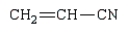
Deck 14: Synthetic Polymers

Full screen (f)
exit full mode
Question
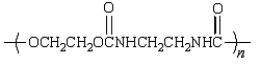
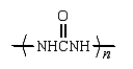
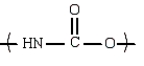
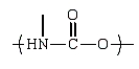
An example of a polyurethane is

A) <strong>An example of a polyurethane is</strong> A)   B)   C)   D)   E)   <div style=padding-top: 35px>
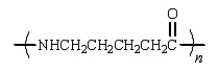
B) <strong>An example of a polyurethane is</strong> A)   B)   C)   D)   E)   <div style=padding-top: 35px>
C) <strong>An example of a polyurethane is</strong> A)   B)   C)   D)   E)   <div style=padding-top: 35px>
D) <strong>An example of a polyurethane is</strong> A)   B)   C)   D)   E)   <div style=padding-top: 35px>
E) <strong>An example of a polyurethane is</strong> A)   B)   C)   D)   E)   <div style=padding-top: 35px>
Use Space or
up arrow
down arrow
to flip the card.
Question
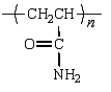
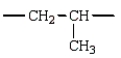
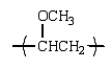
The repeating unit of polypropylene is:

A) <strong>The repeating unit of polypropylene is:</strong> A)   B)   C)   D)   E)   <div style=padding-top: 35px>
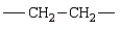
B) <strong>The repeating unit of polypropylene is:</strong> A)   B)   C)   D)   E)   <div style=padding-top: 35px>
C) <strong>The repeating unit of polypropylene is:</strong> A)   B)   C)   D)   E)   <div style=padding-top: 35px>
D) <strong>The repeating unit of polypropylene is:</strong> A)   B)   C)   D)   E)   <div style=padding-top: 35px>
E) <strong>The repeating unit of polypropylene is:</strong> A)   B)   C)   D)   E)   <div style=padding-top: 35px>
Question
Dacron is an example of a

A) polyamide.
B) polyacrylate.
C) polyol.
D) polyester.
E) polyurethane.
Question
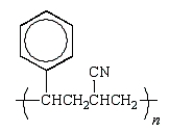
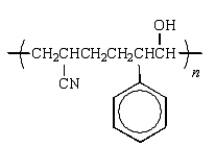
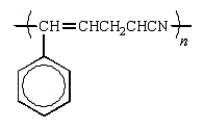
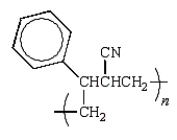
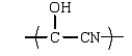
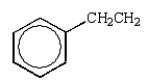
Which of the following structures would represent the repeating unit of an alternating styrene-acrylonitrile copolymer? <strong>Which of the following structures would represent the repeating unit of an alternating styrene-acrylonitrile copolymer?  </strong> A)   B)   C)   D)   E) None of these represent the copolymer unit. <div style=padding-top: 35px>
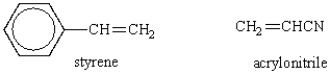
A) <strong>Which of the following structures would represent the repeating unit of an alternating styrene-acrylonitrile copolymer?  </strong> A)   B)   C)   D)   E) None of these represent the copolymer unit. <div style=padding-top: 35px>
B) <strong>Which of the following structures would represent the repeating unit of an alternating styrene-acrylonitrile copolymer?  </strong> A)   B)   C)   D)   E) None of these represent the copolymer unit. <div style=padding-top: 35px>
C) <strong>Which of the following structures would represent the repeating unit of an alternating styrene-acrylonitrile copolymer?  </strong> A)   B)   C)   D)   E) None of these represent the copolymer unit. <div style=padding-top: 35px>
D) <strong>Which of the following structures would represent the repeating unit of an alternating styrene-acrylonitrile copolymer?  </strong> A)   B)   C)   D)   E) None of these represent the copolymer unit. <div style=padding-top: 35px>
E) None of these represent the copolymer unit.
Question
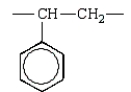
The repeating monomer unit in styrofoam cups is:

A) ethylene
B) vinyl chloride
C) styrene
D) tetrafluoroethylene
E) propene
Question
The polymer that is not formed by the step-growth mechanism is:

A) polyethylene
B) nylon
C) kevlar
D) dacron
E) polyurethane
Question
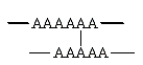
Which of the following arrangements indicate a crosslinked homopolymer?

A) <strong>Which of the following arrangements indicate a crosslinked homopolymer?</strong> A)   B)   C)   D)   E) both B and C <div style=padding-top: 35px>
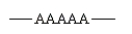
B) <strong>Which of the following arrangements indicate a crosslinked homopolymer?</strong> A)   B)   C)   D)   E) both B and C <div style=padding-top: 35px>
C) <strong>Which of the following arrangements indicate a crosslinked homopolymer?</strong> A)   B)   C)   D)   E) both B and C <div style=padding-top: 35px>
D) <strong>Which of the following arrangements indicate a crosslinked homopolymer?</strong> A)   B)   C)   D)   E) both B and C <div style=padding-top: 35px>
E) both B and C
Question
Step-growth polymers differ from chain-growth polymers in that they

A) are more water soluble.
B) are generally prepared from difunctional monomers.
C) have more highly branched structures.
D) are thermosetting whereas chain-growth polymers are thermoplastic.
E) are formed by 1,4- instead of 1,2-addition.
Question
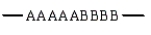
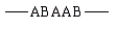
The arrangement -AAAAABBBBB- of monomers A and B in a copolymer represents

A) an alternating copolymer.
B) a random copolymer.
C) a block copolymer.
D) a graft copolymer.
E) a syndiotactic copolymer.
Question
What determines the density of a polyurethane foam?

A) the amount of ammonia gas released
B) the amount of carbon dioxide released
C) the amount of oxygen absorbed
D) the solubility of the reactants
E) the amount of nitrogen absorbed
Question
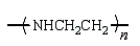
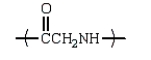
An example of a polyamide repeating unit is:

A) <strong>An example of a polyamide repeating unit is:</strong> A)   B)   C)   D)   E)   <div style=padding-top: 35px>
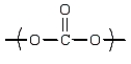
B) <strong>An example of a polyamide repeating unit is:</strong> A)   B)   C)   D)   E)   <div style=padding-top: 35px>
C) <strong>An example of a polyamide repeating unit is:</strong> A)   B)   C)   D)   E)   <div style=padding-top: 35px>
D) <strong>An example of a polyamide repeating unit is:</strong> A)   B)   C)   D)   E)   <div style=padding-top: 35px>
E) <strong>An example of a polyamide repeating unit is:</strong> A)   B)   C)   D)   E)   <div style=padding-top: 35px>
Question
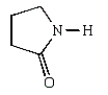
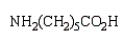
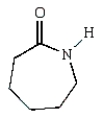
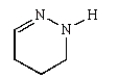
Nylon 6 is a polymer of caprolactam.What is the structure of caprolactam?

A) <strong>Nylon 6 is a polymer of caprolactam.What is the structure of caprolactam?</strong> A)   B)   C)   D)   E)   <div style=padding-top: 35px>
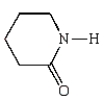
B) <strong>Nylon 6 is a polymer of caprolactam.What is the structure of caprolactam?</strong> A)   B)   C)   D)   E)   <div style=padding-top: 35px>
C) <strong>Nylon 6 is a polymer of caprolactam.What is the structure of caprolactam?</strong> A)   B)   C)   D)   E)   <div style=padding-top: 35px>
D) <strong>Nylon 6 is a polymer of caprolactam.What is the structure of caprolactam?</strong> A)   B)   C)   D)   E)   <div style=padding-top: 35px>
E) <strong>Nylon 6 is a polymer of caprolactam.What is the structure of caprolactam?</strong> A)   B)   C)   D)   E)   <div style=padding-top: 35px>
Question
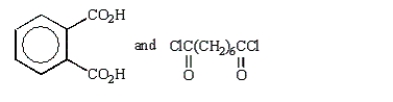
A polymer has the repeating unit drawn below: <strong>A polymer has the repeating unit drawn below:   From what two monomers is this polymer made?</strong> A)   B)   C)   D)   E)   <div style=padding-top: 35px> From what two monomers is this polymer made?
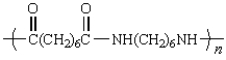
A) <strong>A polymer has the repeating unit drawn below:   From what two monomers is this polymer made?</strong> A)   B)   C)   D)   E)   <div style=padding-top: 35px>
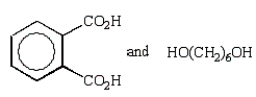
B) <strong>A polymer has the repeating unit drawn below:   From what two monomers is this polymer made?</strong> A)   B)   C)   D)   E)   <div style=padding-top: 35px>
C) <strong>A polymer has the repeating unit drawn below:   From what two monomers is this polymer made?</strong> A)   B)   C)   D)   E)   <div style=padding-top: 35px>
D) <strong>A polymer has the repeating unit drawn below:   From what two monomers is this polymer made?</strong> A)   B)   C)   D)   E)   <div style=padding-top: 35px>
E) <strong>A polymer has the repeating unit drawn below:   From what two monomers is this polymer made?</strong> A)   B)   C)   D)   E)   <div style=padding-top: 35px>
Question
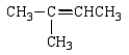
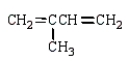
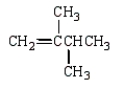
The isoprene unit is common in many synthetic and natural polymers.Isoprene is:

A) <strong>The isoprene unit is common in many synthetic and natural polymers.Isoprene is:</strong> A)   B)   C)   D)   E)   <div style=padding-top: 35px>
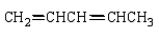
B) <strong>The isoprene unit is common in many synthetic and natural polymers.Isoprene is:</strong> A)   B)   C)   D)   E)   <div style=padding-top: 35px>
C) <strong>The isoprene unit is common in many synthetic and natural polymers.Isoprene is:</strong> A)   B)   C)   D)   E)   <div style=padding-top: 35px>
D) <strong>The isoprene unit is common in many synthetic and natural polymers.Isoprene is:</strong> A)   B)   C)   D)   E)   <div style=padding-top: 35px>
E) <strong>The isoprene unit is common in many synthetic and natural polymers.Isoprene is:</strong> A)   B)   C)   D)   E)   <div style=padding-top: 35px>
Question
The monomer unit of the synthetic polymer teflon is:

A) ethylene
B) vinyl chloride
C) styrene
D) tetrafluoroethylene
E) propene
Question
An example of a synthetic polymer is:

A) RNA
B) nylon
C) starch
D) silk
E) cellulose
Question
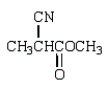
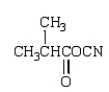
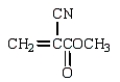
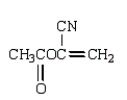
The use of Superglue involves a polymerization of methyl 2-cyanopropenoate and water.What is the structure of methyl 2-cyanopropenoate?

A) <strong>The use of Superglue involves a polymerization of methyl 2-cyanopropenoate and water.What is the structure of methyl 2-cyanopropenoate?</strong> A)   B)   C)   D)   E)   <div style=padding-top: 35px>
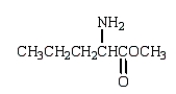
B) <strong>The use of Superglue involves a polymerization of methyl 2-cyanopropenoate and water.What is the structure of methyl 2-cyanopropenoate?</strong> A)   B)   C)   D)   E)   <div style=padding-top: 35px>
C) <strong>The use of Superglue involves a polymerization of methyl 2-cyanopropenoate and water.What is the structure of methyl 2-cyanopropenoate?</strong> A)   B)   C)   D)   E)   <div style=padding-top: 35px>
D) <strong>The use of Superglue involves a polymerization of methyl 2-cyanopropenoate and water.What is the structure of methyl 2-cyanopropenoate?</strong> A)   B)   C)   D)   E)   <div style=padding-top: 35px>
E) <strong>The use of Superglue involves a polymerization of methyl 2-cyanopropenoate and water.What is the structure of methyl 2-cyanopropenoate?</strong> A)   B)   C)   D)   E)   <div style=padding-top: 35px>
Question
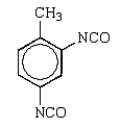
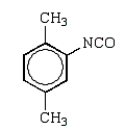
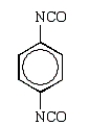
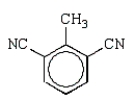
Toluene-2,4-diisocyanate (2,4-TDI) is a very important chemical in the synthesis of polyurethanes used in foam pillows and freezer insulation.What is the structure of 2,4-TDI?

A) <strong>Toluene-2,4-diisocyanate (2,4-TDI) is a very important chemical in the synthesis of polyurethanes used in foam pillows and freezer insulation.What is the structure of 2,4-TDI?</strong> A)   B)   C)   D)   E)   <div style=padding-top: 35px>
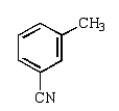
B) <strong>Toluene-2,4-diisocyanate (2,4-TDI) is a very important chemical in the synthesis of polyurethanes used in foam pillows and freezer insulation.What is the structure of 2,4-TDI?</strong> A)   B)   C)   D)   E)   <div style=padding-top: 35px>
C) <strong>Toluene-2,4-diisocyanate (2,4-TDI) is a very important chemical in the synthesis of polyurethanes used in foam pillows and freezer insulation.What is the structure of 2,4-TDI?</strong> A)   B)   C)   D)   E)   <div style=padding-top: 35px>
D) <strong>Toluene-2,4-diisocyanate (2,4-TDI) is a very important chemical in the synthesis of polyurethanes used in foam pillows and freezer insulation.What is the structure of 2,4-TDI?</strong> A)   B)   C)   D)   E)   <div style=padding-top: 35px>
E) <strong>Toluene-2,4-diisocyanate (2,4-TDI) is a very important chemical in the synthesis of polyurethanes used in foam pillows and freezer insulation.What is the structure of 2,4-TDI?</strong> A)   B)   C)   D)   E)   <div style=padding-top: 35px>
Question
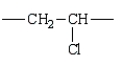
The monomer unit of PVC pipe is:

A) ethylene
B) vinyl chloride
C) styrene
D) tetrafluoroethylene
E) propene
Question
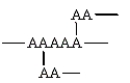
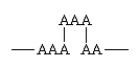
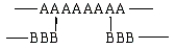
Which of the following arrangements would indicate a graft copolymer?

A) <strong>Which of the following arrangements would indicate a graft copolymer?</strong> A)   B)   C)   D)   E)   <div style=padding-top: 35px>
B) <strong>Which of the following arrangements would indicate a graft copolymer?</strong> A)   B)   C)   D)   E)   <div style=padding-top: 35px>
C) <strong>Which of the following arrangements would indicate a graft copolymer?</strong> A)   B)   C)   D)   E)   <div style=padding-top: 35px>
D) <strong>Which of the following arrangements would indicate a graft copolymer?</strong> A)   B)   C)   D)   E)   <div style=padding-top: 35px>
E) <strong>Which of the following arrangements would indicate a graft copolymer?</strong> A)   B)   C)   D)   E)   <div style=padding-top: 35px>
Question
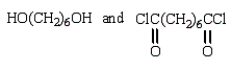
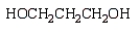
What two families of compounds react in a step growth polymerization to give a polyester?

A) alcohol/carboxylic acid
B) carboxylic acid/amine
C) alcohol/amine
D) alcohol/ether
E) carboxylic acid/ether
Question
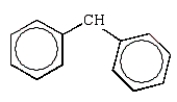
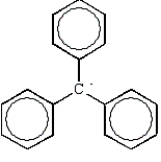
Free radical polymerization is dependent on radical stabilities.Which of the following is the most stable free radical?

A) <strong>Free radical polymerization is dependent on radical stabilities.Which of the following is the most stable free radical?</strong> A)   B)   C)   D)   E)   <div style=padding-top: 35px>
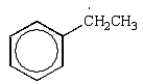
B) <strong>Free radical polymerization is dependent on radical stabilities.Which of the following is the most stable free radical?</strong> A)   B)   C)   D)   E)   <div style=padding-top: 35px>
C) <strong>Free radical polymerization is dependent on radical stabilities.Which of the following is the most stable free radical?</strong> A)   B)   C)   D)   E)   <div style=padding-top: 35px>
D) <strong>Free radical polymerization is dependent on radical stabilities.Which of the following is the most stable free radical?</strong> A)   B)   C)   D)   E)   <div style=padding-top: 35px>
E) <strong>Free radical polymerization is dependent on radical stabilities.Which of the following is the most stable free radical?</strong> A)   B)   C)   D)   E)   <div style=padding-top: 35px>
Question
Termination events in free radical addition polymerization involve:

A) radical decay
B) radical disproportionation
C) radical propagation
D) radical coupling
E) both b and d
Question
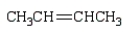
Which monomer can be used to prepare the following polymer? <strong>Which monomer can be used to prepare the following polymer?  </strong> A)   B)   C)   D)   E)   <div style=padding-top: 35px>
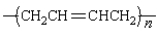
A) <strong>Which monomer can be used to prepare the following polymer?  </strong> A)   B)   C)   D)   E)   <div style=padding-top: 35px>
B) <strong>Which monomer can be used to prepare the following polymer?  </strong> A)   B)   C)   D)   E)   <div style=padding-top: 35px>
C) <strong>Which monomer can be used to prepare the following polymer?  </strong> A)   B)   C)   D)   E)   <div style=padding-top: 35px>
D) <strong>Which monomer can be used to prepare the following polymer?  </strong> A)   B)   C)   D)   E)   <div style=padding-top: 35px>
E) <strong>Which monomer can be used to prepare the following polymer?  </strong> A)   B)   C)   D)   E)   <div style=padding-top: 35px>
Question
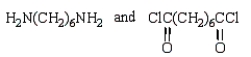
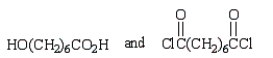
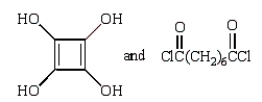
A step growth polymer has the following repeating unit: <strong>A step growth polymer has the following repeating unit:   From what two monomer units is this made?</strong> A)   B)   C)   D)   E)   <div style=padding-top: 35px> From what two monomer units is this made?
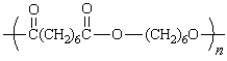
A) <strong>A step growth polymer has the following repeating unit:   From what two monomer units is this made?</strong> A)   B)   C)   D)   E)   <div style=padding-top: 35px>
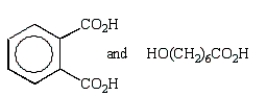
B) <strong>A step growth polymer has the following repeating unit:   From what two monomer units is this made?</strong> A)   B)   C)   D)   E)   <div style=padding-top: 35px>
C) <strong>A step growth polymer has the following repeating unit:   From what two monomer units is this made?</strong> A)   B)   C)   D)   E)   <div style=padding-top: 35px>
D) <strong>A step growth polymer has the following repeating unit:   From what two monomer units is this made?</strong> A)   B)   C)   D)   E)   <div style=padding-top: 35px>
E) <strong>A step growth polymer has the following repeating unit:   From what two monomer units is this made?</strong> A)   B)   C)   D)   E)   <div style=padding-top: 35px>
Question
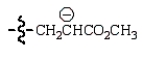
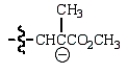
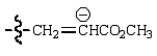
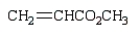
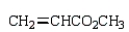
A reactive intermediate in the base-mediated polymerization of methyl acrylate (CH2=CHCO2CH3) is:

A) <strong>A reactive intermediate in the base-mediated polymerization of methyl acrylate (CH<sub>2</sub>=CHCO<sub>2</sub>CH<sub>3</sub>) is:</strong> A)   B)   C)   D)   E)   <div style=padding-top: 35px>
B) <strong>A reactive intermediate in the base-mediated polymerization of methyl acrylate (CH<sub>2</sub>=CHCO<sub>2</sub>CH<sub>3</sub>) is:</strong> A)   B)   C)   D)   E)   <div style=padding-top: 35px>
C) <strong>A reactive intermediate in the base-mediated polymerization of methyl acrylate (CH<sub>2</sub>=CHCO<sub>2</sub>CH<sub>3</sub>) is:</strong> A)   B)   C)   D)   E)   <div style=padding-top: 35px>
D) <strong>A reactive intermediate in the base-mediated polymerization of methyl acrylate (CH<sub>2</sub>=CHCO<sub>2</sub>CH<sub>3</sub>) is:</strong> A)   B)   C)   D)   E)   <div style=padding-top: 35px>
E) <strong>A reactive intermediate in the base-mediated polymerization of methyl acrylate (CH<sub>2</sub>=CHCO<sub>2</sub>CH<sub>3</sub>) is:</strong> A)   B)   C)   D)   E)   <div style=padding-top: 35px>
Question
A good initiator for a free radical addition polymerization is:

A) bromine
B) oxygen
C) benzene
D) benzoyl peroxide
E) acetyl chloride
Question
An intermediate in the free radical polymerization of propylene (CH2=CHCH3) initiated by benzoyl peroxide [C6H5C(=O)-O-O-C(=O)C6H5] is:

A) <strong>An intermediate in the free radical polymerization of propylene (CH<sub>2</sub>=CHCH<sub>3</sub>) initiated by benzoyl peroxide [C<sub>6</sub>H<sub>5</sub>C(=O)-O-O-C(=O)C<sub>6</sub>H<sub>5</sub>] is:</strong> A)   B)   C)   D)   E)   <div style=padding-top: 35px>
B) <strong>An intermediate in the free radical polymerization of propylene (CH<sub>2</sub>=CHCH<sub>3</sub>) initiated by benzoyl peroxide [C<sub>6</sub>H<sub>5</sub>C(=O)-O-O-C(=O)C<sub>6</sub>H<sub>5</sub>] is:</strong> A)   B)   C)   D)   E)   <div style=padding-top: 35px>
C) <strong>An intermediate in the free radical polymerization of propylene (CH<sub>2</sub>=CHCH<sub>3</sub>) initiated by benzoyl peroxide [C<sub>6</sub>H<sub>5</sub>C(=O)-O-O-C(=O)C<sub>6</sub>H<sub>5</sub>] is:</strong> A)   B)   C)   D)   E)   <div style=padding-top: 35px>
D) <strong>An intermediate in the free radical polymerization of propylene (CH<sub>2</sub>=CHCH<sub>3</sub>) initiated by benzoyl peroxide [C<sub>6</sub>H<sub>5</sub>C(=O)-O-O-C(=O)C<sub>6</sub>H<sub>5</sub>] is:</strong> A)   B)   C)   D)   E)   <div style=padding-top: 35px>
E) <strong>An intermediate in the free radical polymerization of propylene (CH<sub>2</sub>=CHCH<sub>3</sub>) initiated by benzoyl peroxide [C<sub>6</sub>H<sub>5</sub>C(=O)-O-O-C(=O)C<sub>6</sub>H<sub>5</sub>] is:</strong> A)   B)   C)   D)   E)   <div style=padding-top: 35px>
Question
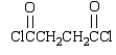
A compound that can be used to crosslink poly(vinyl alcohol) by ester linkages is:

A) <strong>A compound that can be used to crosslink poly(vinyl alcohol) by ester linkages is:</strong> A)   B)   C)   D)   E)   <div style=padding-top: 35px>
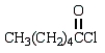
B) <strong>A compound that can be used to crosslink poly(vinyl alcohol) by ester linkages is:</strong> A)   B)   C)   D)   E)   <div style=padding-top: 35px>
C) <strong>A compound that can be used to crosslink poly(vinyl alcohol) by ester linkages is:</strong> A)   B)   C)   D)   E)   <div style=padding-top: 35px>
D) <strong>A compound that can be used to crosslink poly(vinyl alcohol) by ester linkages is:</strong> A)   B)   C)   D)   E)   <div style=padding-top: 35px>
E) <strong>A compound that can be used to crosslink poly(vinyl alcohol) by ester linkages is:</strong> A)   B)   C)   D)   E)   <div style=padding-top: 35px>
Question
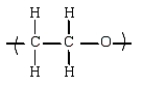
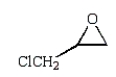
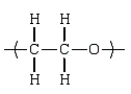
An example of a polyether that can be prepared from the epoxide ethylene oxide is:

A) <strong>An example of a polyether that can be prepared from the epoxide ethylene oxide is:</strong> A)   B)   C)   D)   E)   <div style=padding-top: 35px>
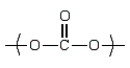
B) <strong>An example of a polyether that can be prepared from the epoxide ethylene oxide is:</strong> A)   B)   C)   D)   E)   <div style=padding-top: 35px>
C) <strong>An example of a polyether that can be prepared from the epoxide ethylene oxide is:</strong> A)   B)   C)   D)   E)   <div style=padding-top: 35px>
D) <strong>An example of a polyether that can be prepared from the epoxide ethylene oxide is:</strong> A)   B)   C)   D)   E)   <div style=padding-top: 35px>
E) <strong>An example of a polyether that can be prepared from the epoxide ethylene oxide is:</strong> A)   B)   C)   D)   E)   <div style=padding-top: 35px>
Question
A urethane is produced by reacting an alcohol with:

A) an isocyanate
B) an anhydride
C) styrene
D) a nitrile
E) an amide
Question
The following polymer would be best prepared from: <strong>The following polymer would be best prepared from:  </strong> A)   B)   C)   D)   E)   <div style=padding-top: 35px>
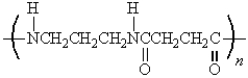
A) <strong>The following polymer would be best prepared from:  </strong> A)   B)   C)   D)   E)   <div style=padding-top: 35px>
B) <strong>The following polymer would be best prepared from:  </strong> A)   B)   C)   D)   E)   <div style=padding-top: 35px>
C) <strong>The following polymer would be best prepared from:  </strong> A)   B)   C)   D)   E)   <div style=padding-top: 35px>
D) <strong>The following polymer would be best prepared from:  </strong> A)   B)   C)   D)   E)   <div style=padding-top: 35px>
E) <strong>The following polymer would be best prepared from:  </strong> A)   B)   C)   D)   E)   <div style=padding-top: 35px>
Question
Ziegler-Natta catalysts, used to prepare linear polymer molecules, consist of:

A) Lewis acids and bases
B) alkali metal salts and organolithiums
C) organomagnesium and alcohols
D) organoaluminums and transition metal salts
E) benzoyl peroxides and linear radicals
Question
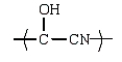
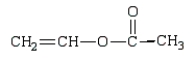
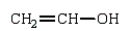
The polymer poly(vinyl alcohol) is best prepared from which of the following monomers: <strong>The polymer poly(vinyl alcohol) is best prepared from which of the following monomers:  </strong> A)   B)   C)   D)   E)   <div style=padding-top: 35px>

A) <strong>The polymer poly(vinyl alcohol) is best prepared from which of the following monomers:  </strong> A)   B)   C)   D)   E)   <div style=padding-top: 35px>
B) <strong>The polymer poly(vinyl alcohol) is best prepared from which of the following monomers:  </strong> A)   B)   C)   D)   E)   <div style=padding-top: 35px>
C) <strong>The polymer poly(vinyl alcohol) is best prepared from which of the following monomers:  </strong> A)   B)   C)   D)   E)   <div style=padding-top: 35px>
D) <strong>The polymer poly(vinyl alcohol) is best prepared from which of the following monomers:  </strong> A)   B)   C)   D)   E)   <div style=padding-top: 35px>
E) <strong>The polymer poly(vinyl alcohol) is best prepared from which of the following monomers:  </strong> A)   B)   C)   D)   E)   <div style=padding-top: 35px>
Question
What two families of compounds react to give a polyurethane?

A) alcohol/isocyanate
B) acid/ester
C) amine/amide
D) amine/ester
E) isocyanate/amine
Question
The step responsible for chain-branching in free-radical polymerizations is the

A) initiation step.
B) radical coupling.
C) radical disproportionation.
D) chain transfer.
E) radical addition.
Question
The preparation of which step-growth polymer does not involve elimination of a small molecule during the course of its formation?

A) urea-formaldehyde
B) polyamides
C) bakelite
D) polyurethanes
E) polyesters
Question
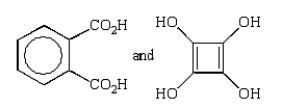
Kodel can be prepared most directly from: <strong>Kodel can be prepared most directly from:  </strong> A)   B)   C)   D)   E)   <div style=padding-top: 35px>
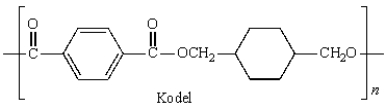
A) <strong>Kodel can be prepared most directly from:  </strong> A)   B)   C)   D)   E)   <div style=padding-top: 35px>
B) <strong>Kodel can be prepared most directly from:  </strong> A)   B)   C)   D)   E)   <div style=padding-top: 35px>
C) <strong>Kodel can be prepared most directly from:  </strong> A)   B)   C)   D)   E)   <div style=padding-top: 35px>
D) <strong>Kodel can be prepared most directly from:  </strong> A)   B)   C)   D)   E)   <div style=padding-top: 35px>
E) <strong>Kodel can be prepared most directly from:  </strong> A)   B)   C)   D)   E)   <div style=padding-top: 35px>
Question
Kel-F is the trade name for a copolymer used for rocket motors.Which monomer units will produce this copolymer? <strong>Kel-F is the trade name for a copolymer used for rocket motors.Which monomer units will produce this copolymer?  </strong> A) CH<sub>2</sub>=CF<sub>2</sub> and Cl<sub>2</sub>C=CF<sub>2</sub> B) CH<sub>2</sub>=CH<sub>2</sub> and CF<sub>2</sub>=CCl<sub>2</sub> C) ClFC=CF<sub>2</sub> and CH<sub>2</sub>=CF<sub>2</sub> D) CF<sub>2</sub>=CF<sub>2</sub> and CH<sub>2</sub>=CHF E) CHCl=CH<sub>2</sub> and CH<sub>2</sub>=CF<sub>2</sub> <div style=padding-top: 35px>
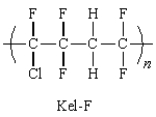
A) CH2=CF2 and Cl2C=CF2
B) CH2=CH2 and CF2=CCl2
C) ClFC=CF2 and CH2=CF2
D) CF2=CF2 and CH2=CHF
E) CHCl=CH2 and CH2=CF2
Question
The configurations of stereogenic centers in an atactic polymer are:

A) regular
B) random
C) alternate
D) the same
E) opposite
Question
What type of polymer continues to crosslink on heating to produce a hard, infusible material?

A) thermosetting
B) vulcanized
C) thermoplastic
D) linear
E) copolymer
Question
Vulcanization is a process to strengthen natural rubber by crosslinking polymer chains with what element?

A) sodium
B) titanium
C) sulfur
D) aluminum
E) phosphorus
Question
A cross-linked polymer

A) is a better elastomer than a linear polymer.
B) has a more rigid structure than a linear polymer.
C) cannot be prepared by linking chains of a linear polymer.
D) is generally more soluble in organic solvents than a linear polymer.
E) is a thermoplastic polymer.
Question
An example of a syndiotactic polymer is: <strong>An example of a syndiotactic polymer is:  </strong> A) 5 B) 4 C) 3 D) 2 E) 1 <div style=padding-top: 35px>
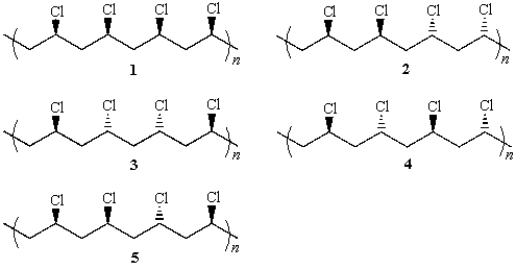
A) 5
B) 4
C) 3
D) 2
E) 1
Question
The process by which rubber is cross-linked is called

A) polymerization.
B) epimerization.
C) saponification.
D) vulcanization.
E) solidification.
Question
Which of the following polymers can be classified as a thermoplastic?

A) bakelite
B) polyurethane
C) urea-formaldehyde
D) polystyrene
E) none of these
Question
The configurations of all stereocenters in an isotactic polymer are:

A) regular
B) random
C) alternate
D) the same
E) the opposite
Question
The stereochemistry of the following polymer is referred to as: <strong>The stereochemistry of the following polymer is referred to as:  </strong> A) isomeric B) syndiotactic C) atactic D) isotactic E) barbaric <div style=padding-top: 35px>
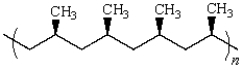
A) isomeric
B) syndiotactic
C) atactic
D) isotactic
E) barbaric
Question
Which of the following is a thermosetting polymer?

A) polypropylene
B) teflon
C) dacron
D) polyester
E) bakelite
Unlock Deck
Sign up to unlock the cards in this deck!
Unlock Deck
Unlock Deck
1/49
auto play flashcards
Play
simple tutorial
Full screen (f)
exit full mode
Deck 14: Synthetic Polymers
1
An example of a polyurethane is

A) <strong>An example of a polyurethane is</strong> A)   B)   C)   D)   E)
B) <strong>An example of a polyurethane is</strong> A)   B)   C)   D)   E)
C) <strong>An example of a polyurethane is</strong> A)   B)   C)   D)   E)
D) <strong>An example of a polyurethane is</strong> A)   B)   C)   D)   E)
E) <strong>An example of a polyurethane is</strong> A)   B)   C)   D)   E)
2
The repeating unit of polypropylene is:

A) <strong>The repeating unit of polypropylene is:</strong> A)   B)   C)   D)   E)
B) <strong>The repeating unit of polypropylene is:</strong> A)   B)   C)   D)   E)
C) <strong>The repeating unit of polypropylene is:</strong> A)   B)   C)   D)   E)
D) <strong>The repeating unit of polypropylene is:</strong> A)   B)   C)   D)   E)
E) <strong>The repeating unit of polypropylene is:</strong> A)   B)   C)   D)   E)
3
Dacron is an example of a

A) polyamide.
B) polyacrylate.
C) polyol.
D) polyester.
E) polyurethane.
polyester.
4
Which of the following structures would represent the repeating unit of an alternating styrene-acrylonitrile copolymer? <strong>Which of the following structures would represent the repeating unit of an alternating styrene-acrylonitrile copolymer?  </strong> A)   B)   C)   D)   E) None of these represent the copolymer unit.

A) <strong>Which of the following structures would represent the repeating unit of an alternating styrene-acrylonitrile copolymer?  </strong> A)   B)   C)   D)   E) None of these represent the copolymer unit.
B) <strong>Which of the following structures would represent the repeating unit of an alternating styrene-acrylonitrile copolymer?  </strong> A)   B)   C)   D)   E) None of these represent the copolymer unit.
C) <strong>Which of the following structures would represent the repeating unit of an alternating styrene-acrylonitrile copolymer?  </strong> A)   B)   C)   D)   E) None of these represent the copolymer unit.
D) <strong>Which of the following structures would represent the repeating unit of an alternating styrene-acrylonitrile copolymer?  </strong> A)   B)   C)   D)   E) None of these represent the copolymer unit.
E) None of these represent the copolymer unit.
Unlock Deck
Unlock for access to all 49 flashcards in this deck.
Unlock Deck
k this deck
5
The repeating monomer unit in styrofoam cups is:

A) ethylene
B) vinyl chloride
C) styrene
D) tetrafluoroethylene
E) propene
Unlock Deck
Unlock for access to all 49 flashcards in this deck.
Unlock Deck
k this deck
6
The polymer that is not formed by the step-growth mechanism is:

A) polyethylene
B) nylon
C) kevlar
D) dacron
E) polyurethane
Unlock Deck
Unlock for access to all 49 flashcards in this deck.
Unlock Deck
k this deck
7
Which of the following arrangements indicate a crosslinked homopolymer?

A) <strong>Which of the following arrangements indicate a crosslinked homopolymer?</strong> A)   B)   C)   D)   E) both B and C
B) <strong>Which of the following arrangements indicate a crosslinked homopolymer?</strong> A)   B)   C)   D)   E) both B and C
C) <strong>Which of the following arrangements indicate a crosslinked homopolymer?</strong> A)   B)   C)   D)   E) both B and C
D) <strong>Which of the following arrangements indicate a crosslinked homopolymer?</strong> A)   B)   C)   D)   E) both B and C
E) both B and C
Unlock Deck
Unlock for access to all 49 flashcards in this deck.

Unlock Deck
k this deck
8
Step-growth polymers differ from chain-growth polymers in that they

A) are more water soluble.
B) are generally prepared from difunctional monomers.
C) have more highly branched structures.
D) are thermosetting whereas chain-growth polymers are thermoplastic.
E) are formed by 1,4- instead of 1,2-addition.
Unlock Deck
Unlock for access to all 49 flashcards in this deck.

Unlock Deck
k this deck
9
The arrangement -AAAAABBBBB- of monomers A and B in a copolymer represents

A) an alternating copolymer.
B) a random copolymer.
C) a block copolymer.
D) a graft copolymer.
E) a syndiotactic copolymer.
Unlock Deck
Unlock for access to all 49 flashcards in this deck.
Unlock Deck
k this deck
10
What determines the density of a polyurethane foam?

A) the amount of ammonia gas released
B) the amount of carbon dioxide released
C) the amount of oxygen absorbed
D) the solubility of the reactants
E) the amount of nitrogen absorbed
Unlock Deck
Unlock for access to all 49 flashcards in this deck.
Unlock Deck
k this deck
11
An example of a polyamide repeating unit is:

A) <strong>An example of a polyamide repeating unit is:</strong> A)   B)   C)   D)   E)
B) <strong>An example of a polyamide repeating unit is:</strong> A)   B)   C)   D)   E)
C) <strong>An example of a polyamide repeating unit is:</strong> A)   B)   C)   D)   E)
D) <strong>An example of a polyamide repeating unit is:</strong> A)   B)   C)   D)   E)
E) <strong>An example of a polyamide repeating unit is:</strong> A)   B)   C)   D)   E)
Unlock Deck
Unlock for access to all 49 flashcards in this deck.
Unlock Deck
k this deck
12
Nylon 6 is a polymer of caprolactam.What is the structure of caprolactam?

A) <strong>Nylon 6 is a polymer of caprolactam.What is the structure of caprolactam?</strong> A)   B)   C)   D)   E)
B) <strong>Nylon 6 is a polymer of caprolactam.What is the structure of caprolactam?</strong> A)   B)   C)   D)   E)
C) <strong>Nylon 6 is a polymer of caprolactam.What is the structure of caprolactam?</strong> A)   B)   C)   D)   E)
D) <strong>Nylon 6 is a polymer of caprolactam.What is the structure of caprolactam?</strong> A)   B)   C)   D)   E)
E) <strong>Nylon 6 is a polymer of caprolactam.What is the structure of caprolactam?</strong> A)   B)   C)   D)   E)
Unlock Deck
Unlock for access to all 49 flashcards in this deck.
Unlock Deck
k this deck
13
A polymer has the repeating unit drawn below: <strong>A polymer has the repeating unit drawn below:   From what two monomers is this polymer made?</strong> A)   B)   C)   D)   E)   From what two monomers is this polymer made?

A) <strong>A polymer has the repeating unit drawn below:   From what two monomers is this polymer made?</strong> A)   B)   C)   D)   E)
B) <strong>A polymer has the repeating unit drawn below:   From what two monomers is this polymer made?</strong> A)   B)   C)   D)   E)
C) <strong>A polymer has the repeating unit drawn below:   From what two monomers is this polymer made?</strong> A)   B)   C)   D)   E)
D) <strong>A polymer has the repeating unit drawn below:   From what two monomers is this polymer made?</strong> A)   B)   C)   D)   E)
E) <strong>A polymer has the repeating unit drawn below:   From what two monomers is this polymer made?</strong> A)   B)   C)   D)   E)
Unlock Deck
Unlock for access to all 49 flashcards in this deck.
Unlock Deck
k this deck
14
The isoprene unit is common in many synthetic and natural polymers.Isoprene is:

A) <strong>The isoprene unit is common in many synthetic and natural polymers.Isoprene is:</strong> A)   B)   C)   D)   E)
B) <strong>The isoprene unit is common in many synthetic and natural polymers.Isoprene is:</strong> A)   B)   C)   D)   E)
C) <strong>The isoprene unit is common in many synthetic and natural polymers.Isoprene is:</strong> A)   B)   C)   D)   E)
D) <strong>The isoprene unit is common in many synthetic and natural polymers.Isoprene is:</strong> A)   B)   C)   D)   E)
E) <strong>The isoprene unit is common in many synthetic and natural polymers.Isoprene is:</strong> A)   B)   C)   D)   E)
Unlock Deck
Unlock for access to all 49 flashcards in this deck.
Unlock Deck
k this deck
15
The monomer unit of the synthetic polymer teflon is:

A) ethylene
B) vinyl chloride
C) styrene
D) tetrafluoroethylene
E) propene
Unlock Deck
Unlock for access to all 49 flashcards in this deck.
Unlock Deck
k this deck
16
An example of a synthetic polymer is:

A) RNA
B) nylon
C) starch
D) silk
E) cellulose
Unlock Deck
Unlock for access to all 49 flashcards in this deck.
Unlock Deck
k this deck
17
The use of Superglue involves a polymerization of methyl 2-cyanopropenoate and water.What is the structure of methyl 2-cyanopropenoate?

A) <strong>The use of Superglue involves a polymerization of methyl 2-cyanopropenoate and water.What is the structure of methyl 2-cyanopropenoate?</strong> A)   B)   C)   D)   E)
B) <strong>The use of Superglue involves a polymerization of methyl 2-cyanopropenoate and water.What is the structure of methyl 2-cyanopropenoate?</strong> A)   B)   C)   D)   E)
C) <strong>The use of Superglue involves a polymerization of methyl 2-cyanopropenoate and water.What is the structure of methyl 2-cyanopropenoate?</strong> A)   B)   C)   D)   E)
D) <strong>The use of Superglue involves a polymerization of methyl 2-cyanopropenoate and water.What is the structure of methyl 2-cyanopropenoate?</strong> A)   B)   C)   D)   E)
E) <strong>The use of Superglue involves a polymerization of methyl 2-cyanopropenoate and water.What is the structure of methyl 2-cyanopropenoate?</strong> A)   B)   C)   D)   E)
Unlock Deck
Unlock for access to all 49 flashcards in this deck.
Unlock Deck
k this deck
18
Toluene-2,4-diisocyanate (2,4-TDI) is a very important chemical in the synthesis of polyurethanes used in foam pillows and freezer insulation.What is the structure of 2,4-TDI?

A) <strong>Toluene-2,4-diisocyanate (2,4-TDI) is a very important chemical in the synthesis of polyurethanes used in foam pillows and freezer insulation.What is the structure of 2,4-TDI?</strong> A)   B)   C)   D)   E)
B) <strong>Toluene-2,4-diisocyanate (2,4-TDI) is a very important chemical in the synthesis of polyurethanes used in foam pillows and freezer insulation.What is the structure of 2,4-TDI?</strong> A)   B)   C)   D)   E)
C) <strong>Toluene-2,4-diisocyanate (2,4-TDI) is a very important chemical in the synthesis of polyurethanes used in foam pillows and freezer insulation.What is the structure of 2,4-TDI?</strong> A)   B)   C)   D)   E)
D) <strong>Toluene-2,4-diisocyanate (2,4-TDI) is a very important chemical in the synthesis of polyurethanes used in foam pillows and freezer insulation.What is the structure of 2,4-TDI?</strong> A)   B)   C)   D)   E)
E) <strong>Toluene-2,4-diisocyanate (2,4-TDI) is a very important chemical in the synthesis of polyurethanes used in foam pillows and freezer insulation.What is the structure of 2,4-TDI?</strong> A)   B)   C)   D)   E)
Unlock Deck
Unlock for access to all 49 flashcards in this deck.
Unlock Deck
k this deck
19
The monomer unit of PVC pipe is:

A) ethylene
B) vinyl chloride
C) styrene
D) tetrafluoroethylene
E) propene
Unlock Deck
Unlock for access to all 49 flashcards in this deck.
Unlock Deck
k this deck
20
Which of the following arrangements would indicate a graft copolymer?

A) <strong>Which of the following arrangements would indicate a graft copolymer?</strong> A)   B)   C)   D)   E)
B) <strong>Which of the following arrangements would indicate a graft copolymer?</strong> A)   B)   C)   D)   E)
C) <strong>Which of the following arrangements would indicate a graft copolymer?</strong> A)   B)   C)   D)   E)
D) <strong>Which of the following arrangements would indicate a graft copolymer?</strong> A)   B)   C)   D)   E)
E) <strong>Which of the following arrangements would indicate a graft copolymer?</strong> A)   B)   C)   D)   E)
Unlock Deck
Unlock for access to all 49 flashcards in this deck.
Unlock Deck
k this deck
21
What two families of compounds react in a step growth polymerization to give a polyester?

A) alcohol/carboxylic acid
B) carboxylic acid/amine
C) alcohol/amine
D) alcohol/ether
E) carboxylic acid/ether
Unlock Deck
Unlock for access to all 49 flashcards in this deck.
Unlock Deck
k this deck
22
Free radical polymerization is dependent on radical stabilities.Which of the following is the most stable free radical?

A) <strong>Free radical polymerization is dependent on radical stabilities.Which of the following is the most stable free radical?</strong> A)   B)   C)   D)   E)
B) <strong>Free radical polymerization is dependent on radical stabilities.Which of the following is the most stable free radical?</strong> A)   B)   C)   D)   E)
C) <strong>Free radical polymerization is dependent on radical stabilities.Which of the following is the most stable free radical?</strong> A)   B)   C)   D)   E)
D) <strong>Free radical polymerization is dependent on radical stabilities.Which of the following is the most stable free radical?</strong> A)   B)   C)   D)   E)
E) <strong>Free radical polymerization is dependent on radical stabilities.Which of the following is the most stable free radical?</strong> A)   B)   C)   D)   E)
Unlock Deck
Unlock for access to all 49 flashcards in this deck.
Unlock Deck
k this deck
23
Termination events in free radical addition polymerization involve:

A) radical decay
B) radical disproportionation
C) radical propagation
D) radical coupling
E) both b and d
Unlock Deck
Unlock for access to all 49 flashcards in this deck.
Unlock Deck
k this deck
24
Which monomer can be used to prepare the following polymer? <strong>Which monomer can be used to prepare the following polymer?  </strong> A)   B)   C)   D)   E)

A) <strong>Which monomer can be used to prepare the following polymer?  </strong> A)   B)   C)   D)   E)
B) <strong>Which monomer can be used to prepare the following polymer?  </strong> A)   B)   C)   D)   E)
C) <strong>Which monomer can be used to prepare the following polymer?  </strong> A)   B)   C)   D)   E)
D) <strong>Which monomer can be used to prepare the following polymer?  </strong> A)   B)   C)   D)   E)
E) <strong>Which monomer can be used to prepare the following polymer?  </strong> A)   B)   C)   D)   E)
Unlock Deck
Unlock for access to all 49 flashcards in this deck.
Unlock Deck
k this deck
25
A step growth polymer has the following repeating unit: <strong>A step growth polymer has the following repeating unit:   From what two monomer units is this made?</strong> A)   B)   C)   D)   E)   From what two monomer units is this made?

A) <strong>A step growth polymer has the following repeating unit:   From what two monomer units is this made?</strong> A)   B)   C)   D)   E)
B) <strong>A step growth polymer has the following repeating unit:   From what two monomer units is this made?</strong> A)   B)   C)   D)   E)
C) <strong>A step growth polymer has the following repeating unit:   From what two monomer units is this made?</strong> A)   B)   C)   D)   E)
D) <strong>A step growth polymer has the following repeating unit:   From what two monomer units is this made?</strong> A)   B)   C)   D)   E)
E) <strong>A step growth polymer has the following repeating unit:   From what two monomer units is this made?</strong> A)   B)   C)   D)   E)
Unlock Deck
Unlock for access to all 49 flashcards in this deck.
Unlock Deck
k this deck
26
A reactive intermediate in the base-mediated polymerization of methyl acrylate (CH2=CHCO2CH3) is:

A) <strong>A reactive intermediate in the base-mediated polymerization of methyl acrylate (CH<sub>2</sub>=CHCO<sub>2</sub>CH<sub>3</sub>) is:</strong> A)   B)   C)   D)   E)
B) <strong>A reactive intermediate in the base-mediated polymerization of methyl acrylate (CH<sub>2</sub>=CHCO<sub>2</sub>CH<sub>3</sub>) is:</strong> A)   B)   C)   D)   E)
C) <strong>A reactive intermediate in the base-mediated polymerization of methyl acrylate (CH<sub>2</sub>=CHCO<sub>2</sub>CH<sub>3</sub>) is:</strong> A)   B)   C)   D)   E)
D) <strong>A reactive intermediate in the base-mediated polymerization of methyl acrylate (CH<sub>2</sub>=CHCO<sub>2</sub>CH<sub>3</sub>) is:</strong> A)   B)   C)   D)   E)
E) <strong>A reactive intermediate in the base-mediated polymerization of methyl acrylate (CH<sub>2</sub>=CHCO<sub>2</sub>CH<sub>3</sub>) is:</strong> A)   B)   C)   D)   E)
Unlock Deck
Unlock for access to all 49 flashcards in this deck.
Unlock Deck
k this deck
27
A good initiator for a free radical addition polymerization is:

A) bromine
B) oxygen
C) benzene
D) benzoyl peroxide
E) acetyl chloride
Unlock Deck
Unlock for access to all 49 flashcards in this deck.
Unlock Deck
k this deck
28
An intermediate in the free radical polymerization of propylene (CH2=CHCH3) initiated by benzoyl peroxide [C6H5C(=O)-O-O-C(=O)C6H5] is:

A) <strong>An intermediate in the free radical polymerization of propylene (CH<sub>2</sub>=CHCH<sub>3</sub>) initiated by benzoyl peroxide [C<sub>6</sub>H<sub>5</sub>C(=O)-O-O-C(=O)C<sub>6</sub>H<sub>5</sub>] is:</strong> A)   B)   C)   D)   E)
B) <strong>An intermediate in the free radical polymerization of propylene (CH<sub>2</sub>=CHCH<sub>3</sub>) initiated by benzoyl peroxide [C<sub>6</sub>H<sub>5</sub>C(=O)-O-O-C(=O)C<sub>6</sub>H<sub>5</sub>] is:</strong> A)   B)   C)   D)   E)
C) <strong>An intermediate in the free radical polymerization of propylene (CH<sub>2</sub>=CHCH<sub>3</sub>) initiated by benzoyl peroxide [C<sub>6</sub>H<sub>5</sub>C(=O)-O-O-C(=O)C<sub>6</sub>H<sub>5</sub>] is:</strong> A)   B)   C)   D)   E)
D) <strong>An intermediate in the free radical polymerization of propylene (CH<sub>2</sub>=CHCH<sub>3</sub>) initiated by benzoyl peroxide [C<sub>6</sub>H<sub>5</sub>C(=O)-O-O-C(=O)C<sub>6</sub>H<sub>5</sub>] is:</strong> A)   B)   C)   D)   E)
E) <strong>An intermediate in the free radical polymerization of propylene (CH<sub>2</sub>=CHCH<sub>3</sub>) initiated by benzoyl peroxide [C<sub>6</sub>H<sub>5</sub>C(=O)-O-O-C(=O)C<sub>6</sub>H<sub>5</sub>] is:</strong> A)   B)   C)   D)   E)
Unlock Deck
Unlock for access to all 49 flashcards in this deck.
Unlock Deck
k this deck
29
A compound that can be used to crosslink poly(vinyl alcohol) by ester linkages is:

A) <strong>A compound that can be used to crosslink poly(vinyl alcohol) by ester linkages is:</strong> A)   B)   C)   D)   E)
B) <strong>A compound that can be used to crosslink poly(vinyl alcohol) by ester linkages is:</strong> A)   B)   C)   D)   E)
C) <strong>A compound that can be used to crosslink poly(vinyl alcohol) by ester linkages is:</strong> A)   B)   C)   D)   E)
D) <strong>A compound that can be used to crosslink poly(vinyl alcohol) by ester linkages is:</strong> A)   B)   C)   D)   E)
E) <strong>A compound that can be used to crosslink poly(vinyl alcohol) by ester linkages is:</strong> A)   B)   C)   D)   E)
Unlock Deck
Unlock for access to all 49 flashcards in this deck.
Unlock Deck
k this deck
30
An example of a polyether that can be prepared from the epoxide ethylene oxide is:

A) <strong>An example of a polyether that can be prepared from the epoxide ethylene oxide is:</strong> A)   B)   C)   D)   E)
B) <strong>An example of a polyether that can be prepared from the epoxide ethylene oxide is:</strong> A)   B)   C)   D)   E)
C) <strong>An example of a polyether that can be prepared from the epoxide ethylene oxide is:</strong> A)   B)   C)   D)   E)
D) <strong>An example of a polyether that can be prepared from the epoxide ethylene oxide is:</strong> A)   B)   C)   D)   E)
E) <strong>An example of a polyether that can be prepared from the epoxide ethylene oxide is:</strong> A)   B)   C)   D)   E)
Unlock Deck
Unlock for access to all 49 flashcards in this deck.
Unlock Deck
k this deck
31
A urethane is produced by reacting an alcohol with:

A) an isocyanate
B) an anhydride
C) styrene
D) a nitrile
E) an amide
Unlock Deck
Unlock for access to all 49 flashcards in this deck.
Unlock Deck
k this deck
32
The following polymer would be best prepared from: <strong>The following polymer would be best prepared from:  </strong> A)   B)   C)   D)   E)

A) <strong>The following polymer would be best prepared from:  </strong> A)   B)   C)   D)   E)
B) <strong>The following polymer would be best prepared from:  </strong> A)   B)   C)   D)   E)
C) <strong>The following polymer would be best prepared from:  </strong> A)   B)   C)   D)   E)
D) <strong>The following polymer would be best prepared from:  </strong> A)   B)   C)   D)   E)
E) <strong>The following polymer would be best prepared from:  </strong> A)   B)   C)   D)   E)
Unlock Deck
Unlock for access to all 49 flashcards in this deck.
Unlock Deck
k this deck
33
Ziegler-Natta catalysts, used to prepare linear polymer molecules, consist of:

A) Lewis acids and bases
B) alkali metal salts and organolithiums
C) organomagnesium and alcohols
D) organoaluminums and transition metal salts
E) benzoyl peroxides and linear radicals
Unlock Deck
Unlock for access to all 49 flashcards in this deck.
Unlock Deck
k this deck
34
The polymer poly(vinyl alcohol) is best prepared from which of the following monomers: <strong>The polymer poly(vinyl alcohol) is best prepared from which of the following monomers:  </strong> A)   B)   C)   D)   E)

A) <strong>The polymer poly(vinyl alcohol) is best prepared from which of the following monomers:  </strong> A)   B)   C)   D)   E)
B) <strong>The polymer poly(vinyl alcohol) is best prepared from which of the following monomers:  </strong> A)   B)   C)   D)   E)
C) <strong>The polymer poly(vinyl alcohol) is best prepared from which of the following monomers:  </strong> A)   B)   C)   D)   E)
D) <strong>The polymer poly(vinyl alcohol) is best prepared from which of the following monomers:  </strong> A)   B)   C)   D)   E)
E) <strong>The polymer poly(vinyl alcohol) is best prepared from which of the following monomers:  </strong> A)   B)   C)   D)   E)
Unlock Deck
Unlock for access to all 49 flashcards in this deck.
Unlock Deck
k this deck
35
What two families of compounds react to give a polyurethane?

A) alcohol/isocyanate
B) acid/ester
C) amine/amide
D) amine/ester
E) isocyanate/amine
Unlock Deck
Unlock for access to all 49 flashcards in this deck.
Unlock Deck
k this deck
36
The step responsible for chain-branching in free-radical polymerizations is the

A) initiation step.
B) radical coupling.
C) radical disproportionation.
D) chain transfer.
E) radical addition.
Unlock Deck
Unlock for access to all 49 flashcards in this deck.
Unlock Deck
k this deck
37
The preparation of which step-growth polymer does not involve elimination of a small molecule during the course of its formation?

A) urea-formaldehyde
B) polyamides
C) bakelite
D) polyurethanes
E) polyesters
Unlock Deck
Unlock for access to all 49 flashcards in this deck.
Unlock Deck
k this deck
38
Kodel can be prepared most directly from: <strong>Kodel can be prepared most directly from:  </strong> A)   B)   C)   D)   E)

A) <strong>Kodel can be prepared most directly from:  </strong> A)   B)   C)   D)   E)
B) <strong>Kodel can be prepared most directly from:  </strong> A)   B)   C)   D)   E)
C) <strong>Kodel can be prepared most directly from:  </strong> A)   B)   C)   D)   E)
D) <strong>Kodel can be prepared most directly from:  </strong> A)   B)   C)   D)   E)
E) <strong>Kodel can be prepared most directly from:  </strong> A)   B)   C)   D)   E)
Unlock Deck
Unlock for access to all 49 flashcards in this deck.
Unlock Deck
k this deck
39
Kel-F is the trade name for a copolymer used for rocket motors.Which monomer units will produce this copolymer? <strong>Kel-F is the trade name for a copolymer used for rocket motors.Which monomer units will produce this copolymer?  </strong> A) CH<sub>2</sub>=CF<sub>2</sub> and Cl<sub>2</sub>C=CF<sub>2</sub> B) CH<sub>2</sub>=CH<sub>2</sub> and CF<sub>2</sub>=CCl<sub>2</sub> C) ClFC=CF<sub>2</sub> and CH<sub>2</sub>=CF<sub>2</sub> D) CF<sub>2</sub>=CF<sub>2</sub> and CH<sub>2</sub>=CHF E) CHCl=CH<sub>2</sub> and CH<sub>2</sub>=CF<sub>2</sub>

A) CH2=CF2 and Cl2C=CF2
B) CH2=CH2 and CF2=CCl2
C) ClFC=CF2 and CH2=CF2
D) CF2=CF2 and CH2=CHF
E) CHCl=CH2 and CH2=CF2
Unlock Deck
Unlock for access to all 49 flashcards in this deck.
Unlock Deck
k this deck
40
The configurations of stereogenic centers in an atactic polymer are:

A) regular
B) random
C) alternate
D) the same
E) opposite
Unlock Deck
Unlock for access to all 49 flashcards in this deck.
Unlock Deck
k this deck
41
What type of polymer continues to crosslink on heating to produce a hard, infusible material?

A) thermosetting
B) vulcanized
C) thermoplastic
D) linear
E) copolymer
Unlock Deck
Unlock for access to all 49 flashcards in this deck.
Unlock Deck
k this deck
42
Vulcanization is a process to strengthen natural rubber by crosslinking polymer chains with what element?

A) sodium
B) titanium
C) sulfur
D) aluminum
E) phosphorus
Unlock Deck
Unlock for access to all 49 flashcards in this deck.
Unlock Deck
k this deck
43
A cross-linked polymer

A) is a better elastomer than a linear polymer.
B) has a more rigid structure than a linear polymer.
C) cannot be prepared by linking chains of a linear polymer.
D) is generally more soluble in organic solvents than a linear polymer.
E) is a thermoplastic polymer.
Unlock Deck
Unlock for access to all 49 flashcards in this deck.
Unlock Deck
k this deck
44
An example of a syndiotactic polymer is: <strong>An example of a syndiotactic polymer is:  </strong> A) 5 B) 4 C) 3 D) 2 E) 1

A) 5
B) 4
C) 3
D) 2
E) 1
Unlock Deck
Unlock for access to all 49 flashcards in this deck.
Unlock Deck
k this deck
45
The process by which rubber is cross-linked is called

A) polymerization.
B) epimerization.
C) saponification.
D) vulcanization.
E) solidification.
Unlock Deck
Unlock for access to all 49 flashcards in this deck.
Unlock Deck
k this deck
46
Which of the following polymers can be classified as a thermoplastic?

A) bakelite
B) polyurethane
C) urea-formaldehyde
D) polystyrene
E) none of these
Unlock Deck
Unlock for access to all 49 flashcards in this deck.
Unlock Deck
k this deck
47
The configurations of all stereocenters in an isotactic polymer are:

A) regular
B) random
C) alternate
D) the same
E) the opposite
Unlock Deck
Unlock for access to all 49 flashcards in this deck.
Unlock Deck
k this deck
48
The stereochemistry of the following polymer is referred to as: <strong>The stereochemistry of the following polymer is referred to as:  </strong> A) isomeric B) syndiotactic C) atactic D) isotactic E) barbaric

A) isomeric
B) syndiotactic
C) atactic
D) isotactic
E) barbaric
Unlock Deck
Unlock for access to all 49 flashcards in this deck.
Unlock Deck
k this deck
49
Which of the following is a thermosetting polymer?

A) polypropylene
B) teflon
C) dacron
D) polyester
E) bakelite
Unlock Deck
Unlock for access to all 49 flashcards in this deck.
Unlock Deck
k this deck
locked card icon
Unlock Deck
Unlock for access to all 49 flashcards in this deck.