







 Chat with AI

Deck 22: Reactions of Benzene and Its Derivatives
Full screen (f)

Question

Question
Question
Question
Question
Question
Question
Question
What is the major organic product obtained from the following reaction? 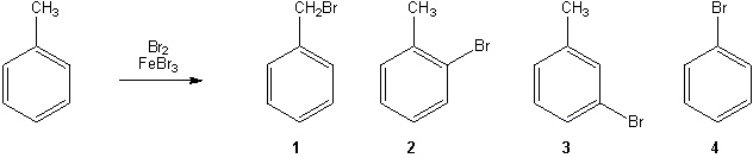
A) 1
B) 2
C) 3
D) 4
A) 1
B) 2
C) 3
D) 4
Question
Question
Question
Question
What is the major organic product obtained from the following reaction? 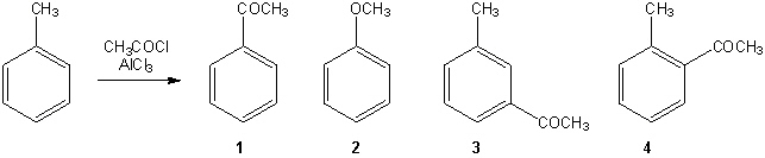
A) 1
B) 2
C) 3
D) 4
A) 1
B) 2
C) 3
D) 4
Question
What is the major organic product obtained from the following reaction? 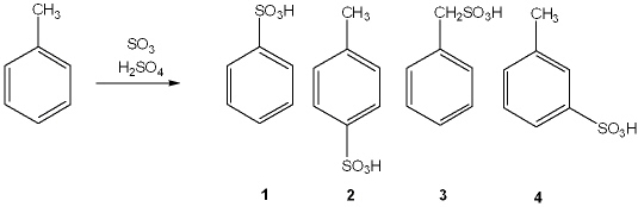
A) 1
B) 2
C) 3
D) 4
A) 1
B) 2
C) 3
D) 4
Question
Question
Question
Question
Question
What is the major organic product obtained from the following reaction? 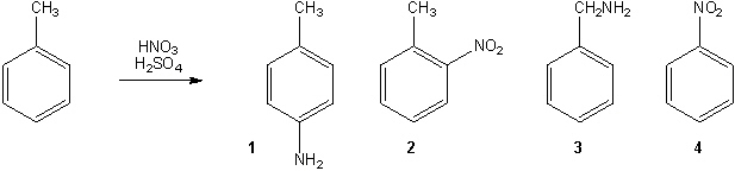
A) 1
B) 2
C) 3
D) 4
A) 1
B) 2
C) 3
D) 4
Question
What is the major organic product obtained from the following reaction? 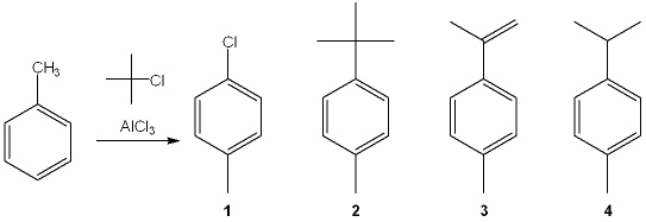
A) 1
B) 2
C) 3
D) 4
A) 1
B) 2
C) 3
D) 4
Question
Question
Which of the following is the structure of the complex of Br2 with FeBr3 involved in the electrophilic bromination of benzene? 
A) 1
B) 2
C) 3
D) 4
A) 1
B) 2
C) 3
D) 4
Question
Question
Question
Question
What is the major organic product obtained from the following reaction? 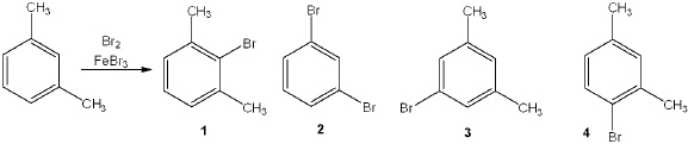
A) 1
B) 2
C) 3
D) 4
A) 1
B) 2
C) 3
D) 4
Question
What is the major organic product obtained from the following reaction? 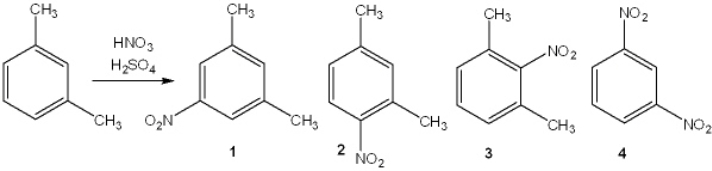
A) 1
B) 2
C) 3
D) 4
A) 1
B) 2
C) 3
D) 4
Question
What is the major organic product obtained from the following reaction? 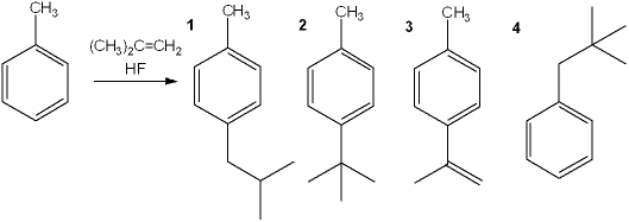
A) 1
B) 2
C) 3
D) 4
A) 1
B) 2
C) 3
D) 4
Question
Question
Question
Question
What is the major organic product obtained from the following reaction? 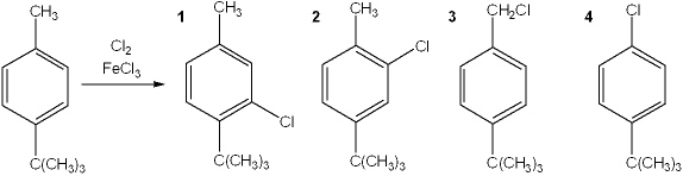
A) 1
B) 2
C) 3
D) 4
A) 1
B) 2
C) 3
D) 4
Question
What is the major organic product obtained from the following reaction? 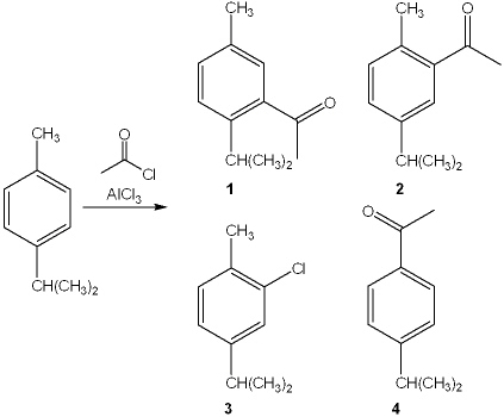
A) 1
B) 2
C) 3
D) 4
A) 1
B) 2
C) 3
D) 4
Question
Question
What is the major organic product obtained from the following reaction? 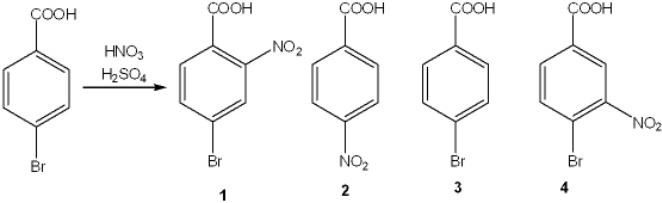
A) 1
B) 2
C) 3
D) 4
A) 1
B) 2
C) 3
D) 4
Question
Which of the following are valid resonance structures of the electophile involved in Friedel-Crafts acylation of benzene upon treatment with CH3COCl and AlCl3? 
A) 1
B) 2
C) 3
D) 4
A) 1
B) 2
C) 3
D) 4
Question
What is the major organic product obtained from the following reaction? 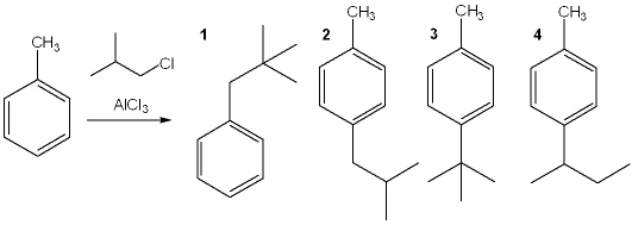
A) 1
B) 2
C) 3
D) 4
A) 1
B) 2
C) 3
D) 4
Question
What is the major organic product obtained from the following reaction? 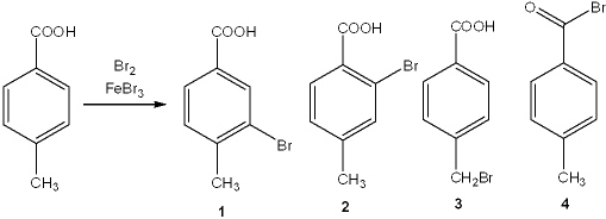
A) 1
B) 2
C) 3
D) 4
A) 1
B) 2
C) 3
D) 4
Question
Question
Question
What is the major organic product obtained from the following reaction? 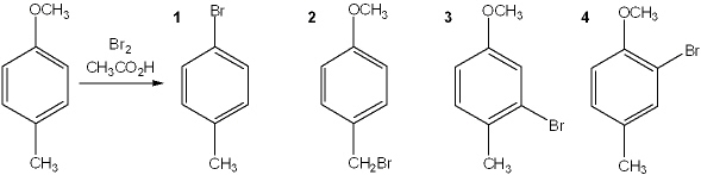
A) 1
B) 2
C) 3
D) 4
A) 1
B) 2
C) 3
D) 4
Question
Which of the following chlorobenzenes does not undergo nucleophilic aromatic substitution upon treatment with NaNH2? 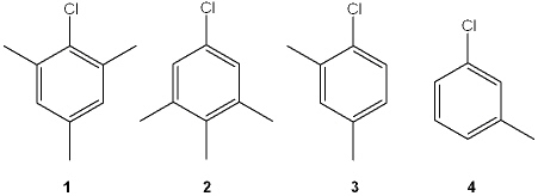
A) 1
B) 2
C) 3
D) 4
A) 1
B) 2
C) 3
D) 4
Question
Question
Which of the following is the reactive intermediate in the nucleophilic substitution of 4-bromo-1-nitrobenzene with sodium hydroxide? 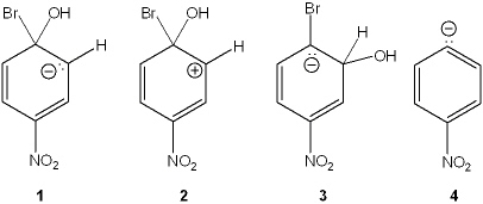
A) 1
B) 2
C) 3
D) 4
A) 1
B) 2
C) 3
D) 4
Question
What is the major organic product obtained from the following sequence of reactions? 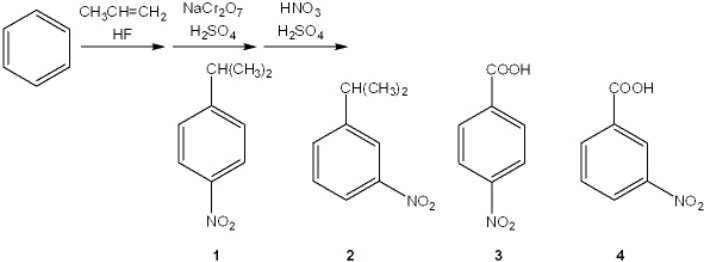
A) 1
B) 2
C) 3
D) 4
A) 1
B) 2
C) 3
D) 4
Question
Which of the following is the reactive intermediate in the nucleophilic substitution of 4-bromo-1-toluene with sodium amide? 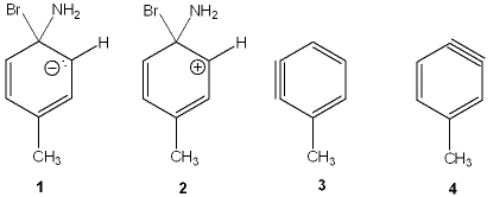
A) 1
B) 2
C) 3
D) 4
A) 1
B) 2
C) 3
D) 4
Question
Which of the following compounds undergoes the most rapid nucleophilic substitution with hydroxide ion? 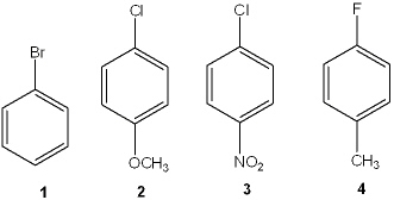
A) 1
B) 2
C) 3
D) 4
A) 1
B) 2
C) 3
D) 4
Question
Which of the following is the reactive intermediate formed in the electrophilic Friedel-Crafts acylation of toluene with CH3COCl and AlCl3? 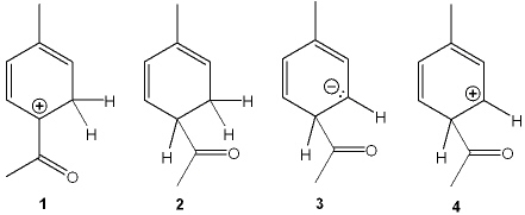
A) 1
B) 2
C) 3
D) 4
A) 1
B) 2
C) 3
D) 4
Question
Which of the following cannot be prepared from benzene in two synthetic steps? 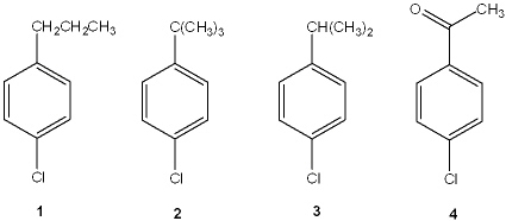
A) 1
B) 2
C) 3
D) 4
A) 1
B) 2
C) 3
D) 4
Question
What is the major organic product obtained from the following sequence of reactions? 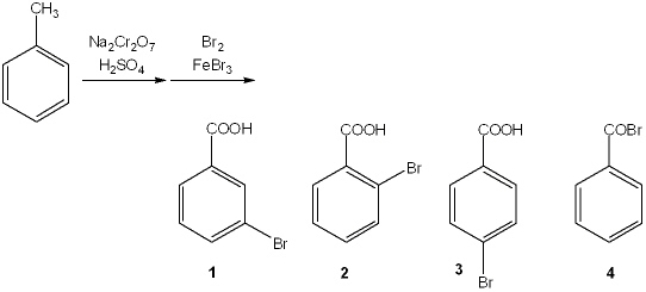
A) 1
B) 2
C) 3
D) 4
A) 1
B) 2
C) 3
D) 4
Question
Question
Which of the following is the reactive intermediate formed in the electrophilic bromination of toluene with Br2, FeBr3? 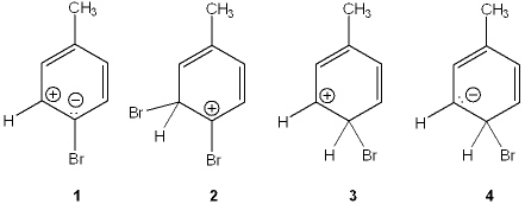
A) 1
B) 2
C) 3
D) 4
A) 1
B) 2
C) 3
D) 4
Question
What is the major organic product obtained from the following sequence of reactions? 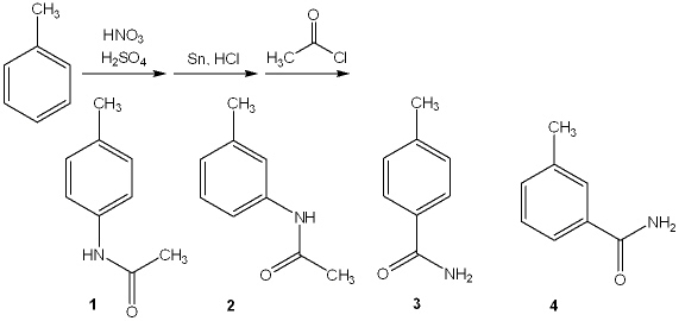
A) 1
B) 2
C) 3
D) 4
A) 1
B) 2
C) 3
D) 4
Question
What is the major organic product obtained from the following sequence of reactions? 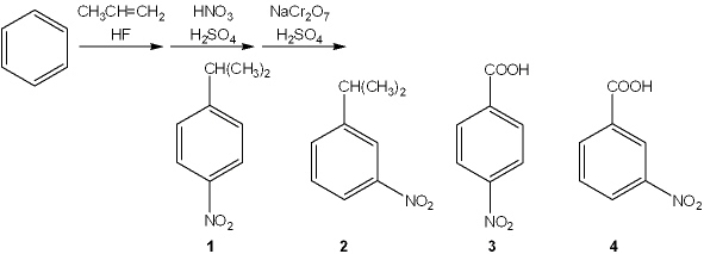
A) 1
B) 2
C) 3
D) 4
A) 1
B) 2
C) 3
D) 4
Question
What is the major organic product obtained from the following sequence of reactions? 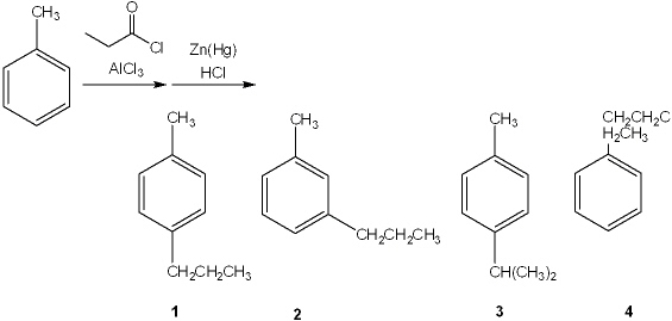
A) 1
B) 2
C) 3
D) 4
A) 1
B) 2
C) 3
D) 4
Question
Which of the following chlorobenzenes produces a single isomer upon treatment with NaNH2? 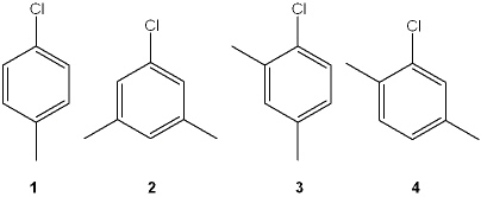
A) 1
B) 2
C) 3
D) 4
A) 1
B) 2
C) 3
D) 4
Question
Which of the following is the reactive intermediate formed in the electrophilic nitration of nitrobenzene with HNO3 and H2SO4? 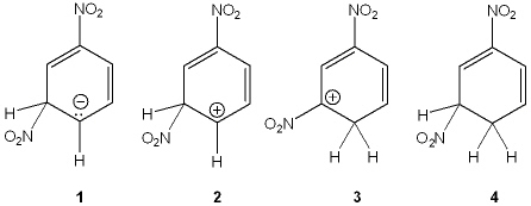
A) 1
B) 2
C) 3
D) 4
A) 1
B) 2
C) 3
D) 4
Question
What is the major organic product obtained from the following reaction? 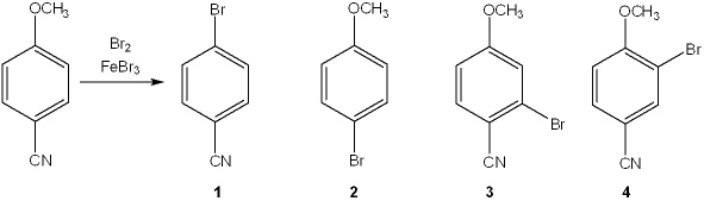
A) 1
B) 2
C) 3
D) 4
A) 1
B) 2
C) 3
D) 4
Question
What is the major organic product obtained from the following sequence of reactions? 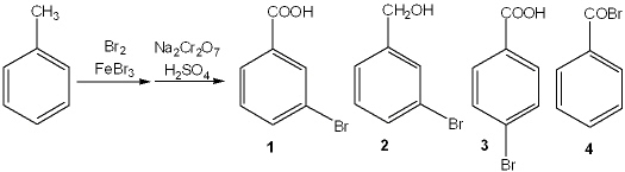
A) 1
B) 2
C) 3
D) 4
A) 1
B) 2
C) 3
D) 4
Question
Which of the following compounds undergoes the most rapid nucleophilic substitution with hydroxide ion? 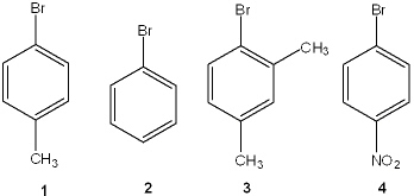
A) 1
B) 2
C) 3
D) 4
A) 1
B) 2
C) 3
D) 4
Question
Which of the following cannot be prepared from benzene in two synthetic steps? 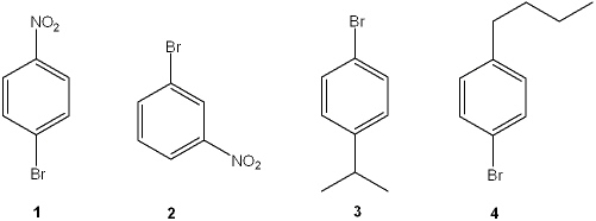
A) 1
B) 2
C) 3
D) 4
A) 1
B) 2
C) 3
D) 4
Question
Question
Question
Provide the structure (a single resonance contributor) of the key intermediate in the electrophilic aromatic nitration of chlorobenzene. 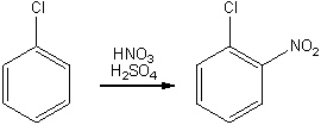
Question
What is the major organic product obtained from the following reaction? 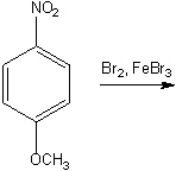
Question
Question
What is the major organic product obtained from the following reaction (assume that mixtures of ortho and para disubstituted compounds can be separated; continue the synthesis with either one)? 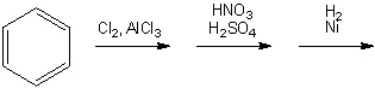
Question
What is the major organic product obtained from the following reaction? 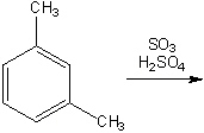
Question
What is the major organic product obtained from the following reaction (assume that mixtures of ortho and para disubstituted compounds can be separated; continue the synthesis with either one)? 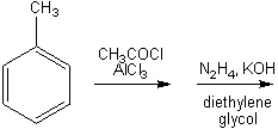
Question
Question
Question
Question
What is the major organic product obtained from the following reaction? 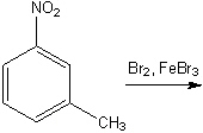
Question
What is the major organic product obtained from the following reaction (if a reaction is likely to give you a mixture of ortho and para disubstituted compounds you should assume that they can be separated; continue the synthesis with either one)? 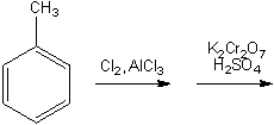
Question
What is the major organic product obtained from the following sequence of reactions (if a reaction is likely to give you a mixture of ortho and para disubstituted compounds you should assume that they can be separated; continue the synthesis with either one)? 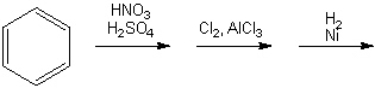
Question
What is the major organic product obtained from the following sequence of reactions (if a reaction is likely to give you a mixture of ortho and para disubstituted compounds you should assume that they can be separated; continue the synthesis with either one)? 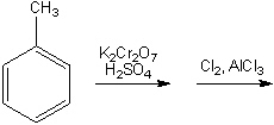
Question
What is the major organic product obtained from the following reaction? 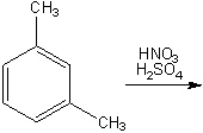
Question
What is the major organic product obtained from the following reaction? 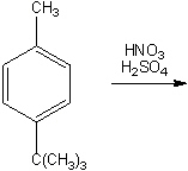
Question
What is the major organic product obtained from the following reaction? 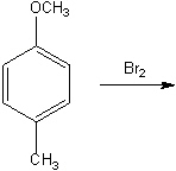
Question
Question

Unlock Deck
Sign up to unlock the cards in this deck!
Unlock Deck
Unlock Deck
1/83

Play

Full screen (f)
Deck 22: Reactions of Benzene and Its Derivatives
1
Which of the following undergoes the most rapid acylation upon treatment with acetyl chloride and AlCl3?
A) benzene
B) toluene
C) chlorobenzene
D) 1,4-dichlorobenzene
A) benzene
B) toluene
C) chlorobenzene
D) 1,4-dichlorobenzene
toluene
2
Which of the following sets of substituents are all ortho/para directing in electrophilic aromatic substitution reactions?
A) Cl, CH3, CN
B) Br, OH, COCH3
C) Cl, OH, CH3
D) CN, NO2, COCH3
A) Cl, CH3, CN
B) Br, OH, COCH3
C) Cl, OH, CH3
D) CN, NO2, COCH3
Cl, OH, CH3
3
Which of the following undergoes the most rapid sulfonation upon treatment with fuming sulfuric acid?
A) benzene
B) benzoic acid
C) benzonitrile
D) nitrobenzene
A) benzene
B) benzoic acid
C) benzonitrile
D) nitrobenzene
benzene
4
What is the electrophile in the reaction of benzene with tert-butyl chloride and AlCl3?
A) CH3+
B) Cl+
C) (CH3)C+
D) benzene
A) CH3+
B) Cl+
C) (CH3)C+
D) benzene
Unlock Deck
Unlock for access to all 83 flashcards in this deck.
Unlock Deck
k this deck
5
Which of the following sets of substituents are all activating groups in electrophilic aromatic substitution reactions?
A) Br, NH2, CH3
B) CH3, NH2, OCH3
C) OH, COCH3, CH3,
D) Br, CN, NO2
A) Br, NH2, CH3
B) CH3, NH2, OCH3
C) OH, COCH3, CH3,
D) Br, CN, NO2
Unlock Deck
Unlock for access to all 83 flashcards in this deck.
Unlock Deck
k this deck
6
Which of the following sets of substituents are all meta directing in electrophilic aromatic substitution reactions?
A) CN, NO2, COCH3
B) CH3, OCH3, COCH3
C) Cl, NH2, CH3
D) CH3, NH3, OCH3
A) CN, NO2, COCH3
B) CH3, OCH3, COCH3
C) Cl, NH2, CH3
D) CH3, NH3, OCH3
Unlock Deck
Unlock for access to all 83 flashcards in this deck.
Unlock Deck
k this deck
7
Which of the following sets of substituents are all activating groups in electrophilic aromatic substitution reactions?
A) CH3, OCH3, COCH3
B) Cl, CN, NO2
C) Cl, NH2, CH3
D) CH3, NH2, OCH3
A) CH3, OCH3, COCH3
B) Cl, CN, NO2
C) Cl, NH2, CH3
D) CH3, NH2, OCH3
Unlock Deck
Unlock for access to all 83 flashcards in this deck.
Unlock Deck
k this deck
8
What is the major organic product obtained from the following reaction?
A) 1
B) 2
C) 3
D) 4
A) 1
B) 2
C) 3
D) 4
Unlock Deck
Unlock for access to all 83 flashcards in this deck.
Unlock Deck
k this deck
9
Which of the following sets of substituents are all ortho/para directing in electrophilic aromatic substitution reactions?
A) Br, CH3, NO2
B) CH3, NH2, Br
C) Cl, OCH3, COCH3
D) NO2, COCH3, COOH
A) Br, CH3, NO2
B) CH3, NH2, Br
C) Cl, OCH3, COCH3
D) NO2, COCH3, COOH
Unlock Deck
Unlock for access to all 83 flashcards in this deck.
Unlock Deck
k this deck
10
Which of the following sets of substituents are all meta directing in electrophilic aromatic substitution reactions?
A) CH3, OH, Br
B) Cl, NH2, CN
C) COCH3, NO2, COOH
D) NH2, COCH3, OH
A) CH3, OH, Br
B) Cl, NH2, CN
C) COCH3, NO2, COOH
D) NH2, COCH3, OH
Unlock Deck
Unlock for access to all 83 flashcards in this deck.
Unlock Deck
k this deck
11
What is the electrophile in the reaction of benzene with a mixture of nitric acid and sulfuric acid?
A) HONO
B) NO+
C) NO2+
D) benzene
A) HONO
B) NO+
C) NO2+
D) benzene
Unlock Deck
Unlock for access to all 83 flashcards in this deck.
Unlock Deck
k this deck
12
What is the major organic product obtained from the following reaction?
A) 1
B) 2
C) 3
D) 4
A) 1
B) 2
C) 3
D) 4
Unlock Deck
Unlock for access to all 83 flashcards in this deck.
Unlock Deck
k this deck
13
What is the major organic product obtained from the following reaction?
A) 1
B) 2
C) 3
D) 4
A) 1
B) 2
C) 3
D) 4
Unlock Deck
Unlock for access to all 83 flashcards in this deck.
Unlock Deck
k this deck
14
What is the role of FeBr3 in electrophilic aromatic bromination of benzene using Br2?
A) nucleophile
B) electrophile
C) Lewis acid
D) base
A) nucleophile
B) electrophile
C) Lewis acid
D) base
Unlock Deck
Unlock for access to all 83 flashcards in this deck.
Unlock Deck
k this deck
15
What is the electrophile in the reaction of benzene with acetyl chloride, CH3COCl, and AlCl3?
A) CH3CºO+
B) CH3+
C) CH3CO2-
D) benzene
A) CH3CºO+
B) CH3+
C) CH3CO2-
D) benzene
Unlock Deck
Unlock for access to all 83 flashcards in this deck.
Unlock Deck
k this deck
16
Which of the following undergoes the most rapid bromination upon treatment with Br2/FeBr3?
A) benzene
B) nitrobenzene
C) bromobenzene
D) anisole
A) benzene
B) nitrobenzene
C) bromobenzene
D) anisole
Unlock Deck
Unlock for access to all 83 flashcards in this deck.
Unlock Deck
k this deck
17
What is the role of AlCl3 in Friedel Crafts acylations using acid chlorides?
A) Lewis acid
B) electrophile
C) base
D) nucleophile
A) Lewis acid
B) electrophile
C) base
D) nucleophile
Unlock Deck
Unlock for access to all 83 flashcards in this deck.
Unlock Deck
k this deck
18
What is the major organic product obtained from the following reaction?
A) 1
B) 2
C) 3
D) 4
A) 1
B) 2
C) 3
D) 4
Unlock Deck
Unlock for access to all 83 flashcards in this deck.
Unlock Deck
k this deck
19
What is the major organic product obtained from the following reaction?
A) 1
B) 2
C) 3
D) 4
A) 1
B) 2
C) 3
D) 4
Unlock Deck
Unlock for access to all 83 flashcards in this deck.
Unlock Deck
k this deck
20
Which of the following undergoes the most rapid nitration upon treatment with HNO3/H2SO4?
A) toluene
B) benzene
C) bromobenzene
D) nitrobenzene
A) toluene
B) benzene
C) bromobenzene
D) nitrobenzene
Unlock Deck
Unlock for access to all 83 flashcards in this deck.
Unlock Deck
k this deck
21
Which of the following is the structure of the complex of Br2 with FeBr3 involved in the electrophilic bromination of benzene?
A) 1
B) 2
C) 3
D) 4
A) 1
B) 2
C) 3
D) 4
Unlock Deck
Unlock for access to all 83 flashcards in this deck.
Unlock Deck
k this deck
22
Which of the following reactions or reaction sequences will not give isopropylbenzene as the major product?
A) treatment of benzene with isopropyl alcohol and HF
B) treatment of benzene with 1-chloropropane and AlCl3
C) treatment of benzene with propanoyl chloride and AlCl3; followed by reaction with Zn(Hg) and HCl
D) treatment of benzene with 1-propene and HF
A) treatment of benzene with isopropyl alcohol and HF
B) treatment of benzene with 1-chloropropane and AlCl3
C) treatment of benzene with propanoyl chloride and AlCl3; followed by reaction with Zn(Hg) and HCl
D) treatment of benzene with 1-propene and HF
Unlock Deck
Unlock for access to all 83 flashcards in this deck.
Unlock Deck
k this deck
23
Which of the following sets of substituents are all deactivating groups in electrophilic aromatic substitution reactions?
A) Cl, CN, NO2
B) Cl, NH2, CH3
C) CH3, OCH3, COCH3
D) CH3, NH2, OCH3
A) Cl, CN, NO2
B) Cl, NH2, CH3
C) CH3, OCH3, COCH3
D) CH3, NH2, OCH3
Unlock Deck
Unlock for access to all 83 flashcards in this deck.
Unlock Deck
k this deck
24
Which of the following sets of reagents does not result in alkylation of benzene?
A) tert-butyl chloride + AlCl3
B) tert-butyl alcohol + H3PO4
C) methylpropene + HF
D) methylpropane + H2SO4
A) tert-butyl chloride + AlCl3
B) tert-butyl alcohol + H3PO4
C) methylpropene + HF
D) methylpropane + H2SO4
Unlock Deck
Unlock for access to all 83 flashcards in this deck.
Unlock Deck
k this deck
25
What is the major organic product obtained from the following reaction?
A) 1
B) 2
C) 3
D) 4
A) 1
B) 2
C) 3
D) 4
Unlock Deck
Unlock for access to all 83 flashcards in this deck.
Unlock Deck
k this deck
26
What is the major organic product obtained from the following reaction?
A) 1
B) 2
C) 3
D) 4
A) 1
B) 2
C) 3
D) 4
Unlock Deck
Unlock for access to all 83 flashcards in this deck.
Unlock Deck
k this deck
27
What is the major organic product obtained from the following reaction?
A) 1
B) 2
C) 3
D) 4
A) 1
B) 2
C) 3
D) 4
Unlock Deck
Unlock for access to all 83 flashcards in this deck.
Unlock Deck
k this deck
28
Which of the following substituents is ortho/para directing and deactivating in electrophilic aromatic substitution reactions?
A) COCH3
B) NH3
C) Br
D) CH2CH3
A) COCH3
B) NH3
C) Br
D) CH2CH3
Unlock Deck
Unlock for access to all 83 flashcards in this deck.
Unlock Deck
k this deck
29
Which of the following sets of substituents are all deactivating groups in electrophilic aromatic substitution reactions?
A) Cl, OH, CH2CH3
B) CH3, Br, COCH3
C) CH3, NH2, OH
D) COCH3, NO2, Br
A) Cl, OH, CH2CH3
B) CH3, Br, COCH3
C) CH3, NH2, OH
D) COCH3, NO2, Br
Unlock Deck
Unlock for access to all 83 flashcards in this deck.
Unlock Deck
k this deck
30
Why does anisole undergo bromination with Br2 in the absence of FeBr3 whereas bromination of benzene requires the presence of FeBr3?
A) anisole is a better nucleophile than benzene
B) the methoxy group of anisole is an inductive electron withdrawing substituent
C) Br2 is a good nucleophile
D) the reaction is accelerated by light
A) anisole is a better nucleophile than benzene
B) the methoxy group of anisole is an inductive electron withdrawing substituent
C) Br2 is a good nucleophile
D) the reaction is accelerated by light
Unlock Deck
Unlock for access to all 83 flashcards in this deck.
Unlock Deck
k this deck
31
What is the major organic product obtained from the following reaction?
A) 1
B) 2
C) 3
D) 4
A) 1
B) 2
C) 3
D) 4
Unlock Deck
Unlock for access to all 83 flashcards in this deck.
Unlock Deck
k this deck
32
What is the major organic product obtained from the following reaction?
A) 1
B) 2
C) 3
D) 4
A) 1
B) 2
C) 3
D) 4
Unlock Deck
Unlock for access to all 83 flashcards in this deck.
Unlock Deck
k this deck
33
Why does nitrobenzene fail to undergo Fieldel-Crafts alkylation with tert-butyl chloride and AlCl3?
A) nitrobenzene reacts with AlCl3
B) nitrobenzene is a poor nucleophile
C) the nitro group is a strong electron donating group
D) the tert-butyl cation is a poor electrophile
A) nitrobenzene reacts with AlCl3
B) nitrobenzene is a poor nucleophile
C) the nitro group is a strong electron donating group
D) the tert-butyl cation is a poor electrophile
Unlock Deck
Unlock for access to all 83 flashcards in this deck.
Unlock Deck
k this deck
34
What is the major organic product obtained from the following reaction?
A) 1
B) 2
C) 3
D) 4
A) 1
B) 2
C) 3
D) 4
Unlock Deck
Unlock for access to all 83 flashcards in this deck.
Unlock Deck
k this deck
35
Which of the following are valid resonance structures of the electophile involved in Friedel-Crafts acylation of benzene upon treatment with CH3COCl and AlCl3?
A) 1
B) 2
C) 3
D) 4
A) 1
B) 2
C) 3
D) 4
Unlock Deck
Unlock for access to all 83 flashcards in this deck.
Unlock Deck
k this deck
36
What is the major organic product obtained from the following reaction?
A) 1
B) 2
C) 3
D) 4
A) 1
B) 2
C) 3
D) 4
Unlock Deck
Unlock for access to all 83 flashcards in this deck.
Unlock Deck
k this deck
37
What is the major organic product obtained from the following reaction?
A) 1
B) 2
C) 3
D) 4
A) 1
B) 2
C) 3
D) 4
Unlock Deck
Unlock for access to all 83 flashcards in this deck.
Unlock Deck
k this deck
38
Which of the following substituents is ortho/para directing and deactivating in electrophilic aromatic substitution reactions?
A) OH
B) Cl
C) CH3
D) NO2
A) OH
B) Cl
C) CH3
D) NO2
Unlock Deck
Unlock for access to all 83 flashcards in this deck.
Unlock Deck
k this deck
39
Which of the following reactions or sequences will provide 1-propylbenzene as the major product?
A) treatment of benzene with isopropyl alcohol and HF
B) treatment of benzene with propanoyl chloride and AlCl3; followed by reaction with Zn(Hg) and HCl
C) treatment of benzene with 1-chloropropane and AlCl3
D) treatment of benzene with 1-propene and HF
A) treatment of benzene with isopropyl alcohol and HF
B) treatment of benzene with propanoyl chloride and AlCl3; followed by reaction with Zn(Hg) and HCl
C) treatment of benzene with 1-chloropropane and AlCl3
D) treatment of benzene with 1-propene and HF
Unlock Deck
Unlock for access to all 83 flashcards in this deck.
Unlock Deck
k this deck
40
What is the major organic product obtained from the following reaction?
A) 1
B) 2
C) 3
D) 4
A) 1
B) 2
C) 3
D) 4
Unlock Deck
Unlock for access to all 83 flashcards in this deck.
Unlock Deck
k this deck
41
Which of the following chlorobenzenes does not undergo nucleophilic aromatic substitution upon treatment with NaNH2?
A) 1
B) 2
C) 3
D) 4
A) 1
B) 2
C) 3
D) 4
Unlock Deck
Unlock for access to all 83 flashcards in this deck.
Unlock Deck
k this deck
42
Which mechanism accounts for the reaction of chlorobenzene with acetyl chloride and AlCl3 to form 4-chloroacetophenone?
A) Bimolecular nucleophilic substitution (SN2)
B) Nucleophilic aromatic substitution by elimination-addition
C) Nucleophilic aromatic substitution by addition-elimination
D) Electrophilic aromatic substitution
A) Bimolecular nucleophilic substitution (SN2)
B) Nucleophilic aromatic substitution by elimination-addition
C) Nucleophilic aromatic substitution by addition-elimination
D) Electrophilic aromatic substitution
Unlock Deck
Unlock for access to all 83 flashcards in this deck.
Unlock Deck
k this deck
43
Which of the following is the reactive intermediate in the nucleophilic substitution of 4-bromo-1-nitrobenzene with sodium hydroxide?
A) 1
B) 2
C) 3
D) 4
A) 1
B) 2
C) 3
D) 4
Unlock Deck
Unlock for access to all 83 flashcards in this deck.
Unlock Deck
k this deck
44
What is the major organic product obtained from the following sequence of reactions?
A) 1
B) 2
C) 3
D) 4
A) 1
B) 2
C) 3
D) 4
Unlock Deck
Unlock for access to all 83 flashcards in this deck.
Unlock Deck
k this deck
45
Which of the following is the reactive intermediate in the nucleophilic substitution of 4-bromo-1-toluene with sodium amide?
A) 1
B) 2
C) 3
D) 4
A) 1
B) 2
C) 3
D) 4
Unlock Deck
Unlock for access to all 83 flashcards in this deck.
Unlock Deck
k this deck
46
Which of the following compounds undergoes the most rapid nucleophilic substitution with hydroxide ion?
A) 1
B) 2
C) 3
D) 4
A) 1
B) 2
C) 3
D) 4
Unlock Deck
Unlock for access to all 83 flashcards in this deck.
Unlock Deck
k this deck
47
Which of the following is the reactive intermediate formed in the electrophilic Friedel-Crafts acylation of toluene with CH3COCl and AlCl3?
A) 1
B) 2
C) 3
D) 4
A) 1
B) 2
C) 3
D) 4
Unlock Deck
Unlock for access to all 83 flashcards in this deck.
Unlock Deck
k this deck
48
Which of the following cannot be prepared from benzene in two synthetic steps?
A) 1
B) 2
C) 3
D) 4
A) 1
B) 2
C) 3
D) 4
Unlock Deck
Unlock for access to all 83 flashcards in this deck.
Unlock Deck
k this deck
49
What is the major organic product obtained from the following sequence of reactions?
A) 1
B) 2
C) 3
D) 4
A) 1
B) 2
C) 3
D) 4
Unlock Deck
Unlock for access to all 83 flashcards in this deck.
Unlock Deck
k this deck
50
Which mechanism accounts for the reaction of 4-bromo-1-nitrobenzene with sodium hydroxide to form 4-nitrophenol?
A) Bimolecular nucleophilic substitution (SN2)
B) Nucleophilic aromatic substitution by elimination-addition
C) Nucleophilic aromatic substitution by addition-elimination
D) Electrophilic aromatic substitution
A) Bimolecular nucleophilic substitution (SN2)
B) Nucleophilic aromatic substitution by elimination-addition
C) Nucleophilic aromatic substitution by addition-elimination
D) Electrophilic aromatic substitution
Unlock Deck
Unlock for access to all 83 flashcards in this deck.
Unlock Deck
k this deck
51
Which of the following is the reactive intermediate formed in the electrophilic bromination of toluene with Br2, FeBr3?
A) 1
B) 2
C) 3
D) 4
A) 1
B) 2
C) 3
D) 4
Unlock Deck
Unlock for access to all 83 flashcards in this deck.
Unlock Deck
k this deck
52
What is the major organic product obtained from the following sequence of reactions?
A) 1
B) 2
C) 3
D) 4
A) 1
B) 2
C) 3
D) 4
Unlock Deck
Unlock for access to all 83 flashcards in this deck.
Unlock Deck
k this deck
53
What is the major organic product obtained from the following sequence of reactions?
A) 1
B) 2
C) 3
D) 4
A) 1
B) 2
C) 3
D) 4
Unlock Deck
Unlock for access to all 83 flashcards in this deck.
Unlock Deck
k this deck
54
What is the major organic product obtained from the following sequence of reactions?
A) 1
B) 2
C) 3
D) 4
A) 1
B) 2
C) 3
D) 4
Unlock Deck
Unlock for access to all 83 flashcards in this deck.
Unlock Deck
k this deck
55
Which of the following chlorobenzenes produces a single isomer upon treatment with NaNH2?
A) 1
B) 2
C) 3
D) 4
A) 1
B) 2
C) 3
D) 4
Unlock Deck
Unlock for access to all 83 flashcards in this deck.
Unlock Deck
k this deck
56
Which of the following is the reactive intermediate formed in the electrophilic nitration of nitrobenzene with HNO3 and H2SO4?
A) 1
B) 2
C) 3
D) 4
A) 1
B) 2
C) 3
D) 4
Unlock Deck
Unlock for access to all 83 flashcards in this deck.
Unlock Deck
k this deck
57
What is the major organic product obtained from the following reaction?
A) 1
B) 2
C) 3
D) 4
A) 1
B) 2
C) 3
D) 4
Unlock Deck
Unlock for access to all 83 flashcards in this deck.
Unlock Deck
k this deck
58
What is the major organic product obtained from the following sequence of reactions?
A) 1
B) 2
C) 3
D) 4
A) 1
B) 2
C) 3
D) 4
Unlock Deck
Unlock for access to all 83 flashcards in this deck.
Unlock Deck
k this deck
59
Which of the following compounds undergoes the most rapid nucleophilic substitution with hydroxide ion?
A) 1
B) 2
C) 3
D) 4
A) 1
B) 2
C) 3
D) 4
Unlock Deck
Unlock for access to all 83 flashcards in this deck.
Unlock Deck
k this deck
60
Which of the following cannot be prepared from benzene in two synthetic steps?
A) 1
B) 2
C) 3
D) 4
A) 1
B) 2
C) 3
D) 4
Unlock Deck
Unlock for access to all 83 flashcards in this deck.
Unlock Deck
k this deck
61
Which mechanism accounts for the reaction of 4-bromotoluene with sodium amide to form a mixture of 3- and 4-aminotoluene?
A) Bimolecular nucleophilic substitution (SN2)
B) Nucleophilic aromatic substitution by elimination-addition
C) Nucleophilic aromatic substitution by addition-elimination
D) Electrophilic aromatic substitution
A) Bimolecular nucleophilic substitution (SN2)
B) Nucleophilic aromatic substitution by elimination-addition
C) Nucleophilic aromatic substitution by addition-elimination
D) Electrophilic aromatic substitution
Unlock Deck
Unlock for access to all 83 flashcards in this deck.
Unlock Deck
k this deck
62
What type of intermediate is formed in the reaction between bromobenzene and sodium amide to give aniline?
A) Meisenheimer complex
B) benzyne
C) cyclohexadienyl cation
D) benzyl radical
A) Meisenheimer complex
B) benzyne
C) cyclohexadienyl cation
D) benzyl radical
Unlock Deck
Unlock for access to all 83 flashcards in this deck.
Unlock Deck
k this deck
63
Provide the structure (a single resonance contributor) of the key intermediate in the electrophilic aromatic nitration of chlorobenzene.
Unlock Deck
Unlock for access to all 83 flashcards in this deck.
Unlock Deck
k this deck
64
What is the major organic product obtained from the following reaction?
Unlock Deck
Unlock for access to all 83 flashcards in this deck.
Unlock Deck
k this deck
65
What type of intermediate is formed upon treatment of 1-chloro-2,4-dinitrobenzene with sodium hydroxide to give 2,4-dinitrophenol?
A) Meisenheimer complex
B) benzyne
C) cyclohexadienyl cation
D) benzyl radical
A) Meisenheimer complex
B) benzyne
C) cyclohexadienyl cation
D) benzyl radical
Unlock Deck
Unlock for access to all 83 flashcards in this deck.
Unlock Deck
k this deck
66
What is the major organic product obtained from the following reaction (assume that mixtures of ortho and para disubstituted compounds can be separated; continue the synthesis with either one)?
Unlock Deck
Unlock for access to all 83 flashcards in this deck.
Unlock Deck
k this deck
67
What is the major organic product obtained from the following reaction?
Unlock Deck
Unlock for access to all 83 flashcards in this deck.
Unlock Deck
k this deck
68
What is the major organic product obtained from the following reaction (assume that mixtures of ortho and para disubstituted compounds can be separated; continue the synthesis with either one)?
Unlock Deck
Unlock for access to all 83 flashcards in this deck.
Unlock Deck
k this deck
69
What type of intermediate is formed in the reaction between chlorobenzene and tert-butyl chloride and AlCl3 to give 4-chloro-1-tert-butylbenzene?
A) Meisenheimer complex
B) benzyne
C) cyclohexadienyl cation
D) benzyl radical
A) Meisenheimer complex
B) benzyne
C) cyclohexadienyl cation
D) benzyl radical
Unlock Deck
Unlock for access to all 83 flashcards in this deck.
Unlock Deck
k this deck
70
What type of intermediate is formed in upon irradiation of a mixture of toluene and chlorine to give benzyl chloride?
A) Meisenheimer complex
B) benzyne
C) cyclohexadienyl cation
D) benzyl radical
A) Meisenheimer complex
B) benzyne
C) cyclohexadienyl cation
D) benzyl radical
Unlock Deck
Unlock for access to all 83 flashcards in this deck.
Unlock Deck
k this deck
71
Which of the following is not true about Meissenheimer complexes?
A) They are resonance-stabilized anions
B) They are formed upon addition of a nucleophile to aryl halides
C) They are aromatic
D) They are intermediates in nucleophilic aromatic substitution reaction which take place by an addition-elimination mechanism
A) They are resonance-stabilized anions
B) They are formed upon addition of a nucleophile to aryl halides
C) They are aromatic
D) They are intermediates in nucleophilic aromatic substitution reaction which take place by an addition-elimination mechanism
Unlock Deck
Unlock for access to all 83 flashcards in this deck.
Unlock Deck
k this deck
72
What is the major organic product obtained from the following reaction?
Unlock Deck
Unlock for access to all 83 flashcards in this deck.
Unlock Deck
k this deck
73
What is the major organic product obtained from the following reaction (if a reaction is likely to give you a mixture of ortho and para disubstituted compounds you should assume that they can be separated; continue the synthesis with either one)?
Unlock Deck
Unlock for access to all 83 flashcards in this deck.
Unlock Deck
k this deck
74
What is the major organic product obtained from the following sequence of reactions (if a reaction is likely to give you a mixture of ortho and para disubstituted compounds you should assume that they can be separated; continue the synthesis with either one)?
Unlock Deck
Unlock for access to all 83 flashcards in this deck.
Unlock Deck
k this deck
75
What is the major organic product obtained from the following sequence of reactions (if a reaction is likely to give you a mixture of ortho and para disubstituted compounds you should assume that they can be separated; continue the synthesis with either one)?
Unlock Deck
Unlock for access to all 83 flashcards in this deck.
Unlock Deck
k this deck
76
What is the major organic product obtained from the following reaction?
Unlock Deck
Unlock for access to all 83 flashcards in this deck.
Unlock Deck
k this deck
77
What is the major organic product obtained from the following reaction?
Unlock Deck
Unlock for access to all 83 flashcards in this deck.
Unlock Deck
k this deck
78
What is the major organic product obtained from the following reaction?
Unlock Deck
Unlock for access to all 83 flashcards in this deck.
Unlock Deck
k this deck
79
Which of the following is not true about benzynes?
A) They are planar
B) They are formed upon dehydrohalogenation of aryl halides
C) They are aromatic
D) They are intermediates in nucleophilic aromatic substitution reaction which take place by an addition-elimination mechanism
A) They are planar
B) They are formed upon dehydrohalogenation of aryl halides
C) They are aromatic
D) They are intermediates in nucleophilic aromatic substitution reaction which take place by an addition-elimination mechanism
Unlock Deck
Unlock for access to all 83 flashcards in this deck.
Unlock Deck
k this deck
80
Which mechanism accounts for the reaction of benzyl chloride with sodium cyanide to form cyanomethylbenzene (phenylacetonitrile, PhCH2CN)?
A) Bimolecular nucleophilic substitution (SN2)
B) Nucleophilic aromatic substitution by elimination-addition
C) Nucleophilic aromatic substitution by addition-elimination
D) Electrophilic aromatic substitution
A) Bimolecular nucleophilic substitution (SN2)
B) Nucleophilic aromatic substitution by elimination-addition
C) Nucleophilic aromatic substitution by addition-elimination
D) Electrophilic aromatic substitution
Unlock Deck
Unlock for access to all 83 flashcards in this deck.
Unlock Deck
k this deck
Unlock Deck
Unlock for access to all 83 flashcards in this deck.






