







 Chat with AI

Deck 3: Molecules of Life
Full screen (f)

Question

Question
Question
Question
The figure below illustrates a __________ reaction that produces a __________. 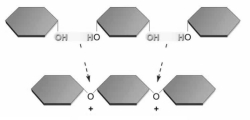
A)condensation; hydroxyls; polymer
B)condensation; water molecule
C)cleavage; water molecules; monomer
D)rearrangement; water molecules; polymer
E)rearrangement; hydrogen ions; polymer
A)condensation; hydroxyls; polymer
B)condensation; water molecule
C)cleavage; water molecules; monomer
D)rearrangement; water molecules; polymer
E)rearrangement; hydrogen ions; polymer
Question
Question
Question
Question
Question
Question
Question
Question
Question
Question
Question
Question
Question
Question
Question
Question
Question
Question
Question
Question
Question
Question
Question
Question
Question
Question
Question
Question
Question
Question
Question
Question
Question
Question
Question
Question
Question
Question
Question
Question
Question
Which of the following is NOT true of polysaccharides?
A)composed of many linked monosaccharides
B)may be straight and unbranched or highly branched
C)most likely made of glucose molecules if they are one of the natural polysaccharides
D)may be insoluble because of their large size and structure
E)are formed by cleavage reactions
A)composed of many linked monosaccharides
B)may be straight and unbranched or highly branched
C)most likely made of glucose molecules if they are one of the natural polysaccharides
D)may be insoluble because of their large size and structure
E)are formed by cleavage reactions
Question
Question
Question
Question
Question
Question
Question
Question
Question
Question
Which of the following does NOT describe some aspect of polysaccharides?
A)energy storage
B)straight or branched chain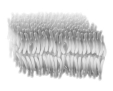
C)glucose subunits
D)contain only carbon, hydrogen, and oxygen atoms
E)produced by condensation reactions
A)energy storage
B)straight or branched chain
C)glucose subunits
D)contain only carbon, hydrogen, and oxygen atoms
E)produced by condensation reactions
Question
Question
Question
Question
Question
Question
Question
Question
Question
Question
Question
Question
Question
Question
Question
Question
The figure below illustrates one possible __________ structure of __________. 
A)primary; proteins
B)primary; carbohydrates
C)primary; lipids
D)secondary; proteins
E)tertiary; proteins
A)primary; proteins
B)primary; carbohydrates
C)primary; lipids
D)secondary; proteins
E)tertiary; proteins
Question
Question
Question
Question
Question
Question
Question
_____ are long-chain fatty acids attached to long-chain alcohols. 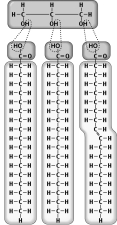
A)Triglycerides
B)Phospholipids
C)Sterols
D)Waxes
E)Most neutral fats
A)Triglycerides
B)Phospholipids
C)Sterols
D)Waxes
E)Most neutral fats
Question
Question

Unlock Deck
Sign up to unlock the cards in this deck!
Unlock Deck
Unlock Deck
1/85

Play

Full screen (f)
Deck 3: Molecules of Life
1
A -CH3 group is a(n) __________ group.
A)carboxyl
B)hydroxyl
C)amino
D)methyl
E)carbonyl
A)carboxyl
B)hydroxyl
C)amino
D)methyl
E)carbonyl
D
2
A single atom of carbon may form up to __________ covalent bonds with other atoms.
A)2
B)3
C)4
D)5
E)6
A)2
B)3
C)4
D)5
E)6
C
3
The breakdown of large molecules by the enzymatic addition of water is what kind of reaction?
A)oxidation
B)reduction
C)condensation
D)hydrolysis
E)decarboxylation
A)oxidation
B)reduction
C)condensation
D)hydrolysis
E)decarboxylation
D
4
The figure below illustrates a __________ reaction that produces a __________.
A)condensation; hydroxyls; polymer
B)condensation; water molecule
C)cleavage; water molecules; monomer
D)rearrangement; water molecules; polymer
E)rearrangement; hydrogen ions; polymer
A)condensation; hydroxyls; polymer
B)condensation; water molecule
C)cleavage; water molecules; monomer
D)rearrangement; water molecules; polymer
E)rearrangement; hydrogen ions; polymer
Unlock Deck
Unlock for access to all 85 flashcards in this deck.
Unlock Deck
k this deck
5
The backbone of organic molecules consists of covalently bonded __________ atoms.
A)oxygen
B)hydrogen
C)functional-group
D)carbon
E)all of these
A)oxygen
B)hydrogen
C)functional-group
D)carbon
E)all of these
Unlock Deck
Unlock for access to all 85 flashcards in this deck.
Unlock Deck
k this deck
6
An -OH group is a(n) __________ group.
A)carboxyl
B)hydroxyl
C)amino
D)methyl
E)carbonyl
A)carboxyl
B)hydroxyl
C)amino
D)methyl
E)carbonyl
Unlock Deck
Unlock for access to all 85 flashcards in this deck.
Unlock Deck
k this deck
7
Trans fats are found in
A)small amounts in red meats.
B)large amounts in partially hydrogenated oils.
C)dairy products.
D)alcoholic drinks.
E)A, B, and C are correct.
A)small amounts in red meats.
B)large amounts in partially hydrogenated oils.
C)dairy products.
D)alcoholic drinks.
E)A, B, and C are correct.
Unlock Deck
Unlock for access to all 85 flashcards in this deck.
Unlock Deck
k this deck
8
A hydrolysis reaction results in
A)formation of a macromolecule.
B)bond breakage of a macromolecule.
C)lipid molecule creation.
D)nucleic acids being made.
E)most macromolecules.
A)formation of a macromolecule.
B)bond breakage of a macromolecule.
C)lipid molecule creation.
D)nucleic acids being made.
E)most macromolecules.
Unlock Deck
Unlock for access to all 85 flashcards in this deck.
Unlock Deck
k this deck
9
_______ are complex carbon ring structures that often have an iron atom at their center.
A)Hemes
B)Globins
C)Globulins
D)Sugars
E)Alkenes
A)Hemes
B)Globins
C)Globulins
D)Sugars
E)Alkenes
Unlock Deck
Unlock for access to all 85 flashcards in this deck.
Unlock Deck
k this deck
10
Which of the following is NOT one of the five categories of enzyme catalyzed reactions?
A)functional group transfer
B)electron transfer
C)condensation
D)cleavage
E)neutralization
A)functional group transfer
B)electron transfer
C)condensation
D)cleavage
E)neutralization
Unlock Deck
Unlock for access to all 85 flashcards in this deck.
Unlock Deck
k this deck
11
An -NH2 group is a(n) __________ group.
A)carboxyl
B)hydroxyl
C)amine
D)methyl
E)carbonyl
A)carboxyl
B)hydroxyl
C)amine
D)methyl
E)carbonyl
Unlock Deck
Unlock for access to all 85 flashcards in this deck.
Unlock Deck
k this deck
12
Hydrogenation is a chemical process that
A)turns liquid oil to solid fats.
B)turns amino acids into proteins.
C)turns DNA into lipids.
D)creates stable alternative energy sources.
E)does none of these.
A)turns liquid oil to solid fats.
B)turns amino acids into proteins.
C)turns DNA into lipids.
D)creates stable alternative energy sources.
E)does none of these.
Unlock Deck
Unlock for access to all 85 flashcards in this deck.
Unlock Deck
k this deck
13
Hardening of the arteries is also known as
A)atherosclerosis.
B)apoptosis.
C)abuildosis.
D)keritosis.
E)all of these.
A)atherosclerosis.
B)apoptosis.
C)abuildosis.
D)keritosis.
E)all of these.
Unlock Deck
Unlock for access to all 85 flashcards in this deck.
Unlock Deck
k this deck
14
Typical fat molecules have __________ tail(s).
A)1
B)2
C)3
D)4
E)5
A)1
B)2
C)3
D)4
E)5
Unlock Deck
Unlock for access to all 85 flashcards in this deck.
Unlock Deck
k this deck
15
A -COOH group is a(n) _____ group.
A)carboxyl
B)hydroxyl
C)amino
D)methyl
E)carbonyl
A)carboxyl
B)hydroxyl
C)amino
D)methyl
E)carbonyl
Unlock Deck
Unlock for access to all 85 flashcards in this deck.
Unlock Deck
k this deck
16
Although carbon dioxide contains carbon, it is not considered an "organic" compound because
A)it is not found in the earth's crust.
B)it is not present in living cells.
C)the carbon atom is not bonded to at least one hydrogen atom.
D)the carbons are not in chains or rings.
E)it is too small.
A)it is not found in the earth's crust.
B)it is not present in living cells.
C)the carbon atom is not bonded to at least one hydrogen atom.
D)the carbons are not in chains or rings.
E)it is too small.
Unlock Deck
Unlock for access to all 85 flashcards in this deck.
Unlock Deck
k this deck
17
The atom present in all organic compounds is
A)carbon.
B)oxygen.
C)nitrogen.
D)sulfur.
E)hydrogen.
A)carbon.
B)oxygen.
C)nitrogen.
D)sulfur.
E)hydrogen.
Unlock Deck
Unlock for access to all 85 flashcards in this deck.
Unlock Deck
k this deck
18
Fats are major constituents of
A)proteins.
B)genes.
C)photosynthesis.
D)cell membranes.
E)all of these.
A)proteins.
B)genes.
C)photosynthesis.
D)cell membranes.
E)all of these.
Unlock Deck
Unlock for access to all 85 flashcards in this deck.
Unlock Deck
k this deck
19
The three most common atoms in the human body are
A)hydrogen, oxygen, and carbon.
B)carbon, hydrogen, and nitrogen.
C)carbon, nitrogen, and oxygen.
D)nitrogen, hydrogen, and oxygen.
E)carbon, oxygen, and sulfur.
A)hydrogen, oxygen, and carbon.
B)carbon, hydrogen, and nitrogen.
C)carbon, nitrogen, and oxygen.
D)nitrogen, hydrogen, and oxygen.
E)carbon, oxygen, and sulfur.
Unlock Deck
Unlock for access to all 85 flashcards in this deck.
Unlock Deck
k this deck
20
What kind of reaction produces large molecules by linking small molecules?
A)oxidation
B)reduction
C)condensation
D)hydrolysis
E)decarboxylation
A)oxidation
B)reduction
C)condensation
D)hydrolysis
E)decarboxylation
Unlock Deck
Unlock for access to all 85 flashcards in this deck.
Unlock Deck
k this deck
21
Condensation and hydrolysis are accomplished in cells by
A)bonding attraction.
B)the action of enzymes.
C)spontaneous action.
D)functional group interactions.
E)all of these.
A)bonding attraction.
B)the action of enzymes.
C)spontaneous action.
D)functional group interactions.
E)all of these.
Unlock Deck
Unlock for access to all 85 flashcards in this deck.
Unlock Deck
k this deck
22
Glucose and fructose
A)form rings with the same number of carbon atoms.
B)both have an oxygen atom as part of their ring structure.
C)are alike in that both have identical functional groups.
D)contain the same number of hydrogen atoms and hydroxyl groups.
E)are disaccharides.
A)form rings with the same number of carbon atoms.
B)both have an oxygen atom as part of their ring structure.
C)are alike in that both have identical functional groups.
D)contain the same number of hydrogen atoms and hydroxyl groups.
E)are disaccharides.
Unlock Deck
Unlock for access to all 85 flashcards in this deck.
Unlock Deck
k this deck
23
Which substances are the most plentiful biological molecules in the biosphere?
A)carbohydrates
B)salts and minerals
C)proteins
D)fats
E)nucleic acids
A)carbohydrates
B)salts and minerals
C)proteins
D)fats
E)nucleic acids
Unlock Deck
Unlock for access to all 85 flashcards in this deck.
Unlock Deck
k this deck
24
Which reaction breaks down large molecules into smaller molecules?
A)synthesis
B)cleavage
C)condensation
D)polymerization
E)both cleavage and condensation
A)synthesis
B)cleavage
C)condensation
D)polymerization
E)both cleavage and condensation
Unlock Deck
Unlock for access to all 85 flashcards in this deck.
Unlock Deck
k this deck
25
Four of the five substances listed below are related by a common chemical similarity.Select the exception.
A)amylose
B)maltose
C)sucrose
D)lactose
E)all these are disaccharides
A)amylose
B)maltose
C)sucrose
D)lactose
E)all these are disaccharides
Unlock Deck
Unlock for access to all 85 flashcards in this deck.
Unlock Deck
k this deck
26
Sucrose is composed of
A)two molecules of fructose.
B)two molecules of glucose.
C)a molecule of fructose and a molecule of glucose.
D)a molecule of fructose and a molecule of galactose.
E)a monosaccharide and a disaccharide.
A)two molecules of fructose.
B)two molecules of glucose.
C)a molecule of fructose and a molecule of glucose.
D)a molecule of fructose and a molecule of galactose.
E)a monosaccharide and a disaccharide.
Unlock Deck
Unlock for access to all 85 flashcards in this deck.
Unlock Deck
k this deck
27
The final by-products of many condensation reactions are
A)carbon dioxide molecules.
B)hydrogen ions.
C)hydroxyl ions.
D)oxygen gas and hydrogen gas.
E)water molecules.
A)carbon dioxide molecules.
B)hydrogen ions.
C)hydroxyl ions.
D)oxygen gas and hydrogen gas.
E)water molecules.
Unlock Deck
Unlock for access to all 85 flashcards in this deck.
Unlock Deck
k this deck
28
Glucose and fructose are different
A)in the number of carbons they possess.
B)in their proportion in sucrose molecules.
C)in the way that their atoms are arranged.
D)in the number of double bonds they possess.
E)both in the way that their atoms are arranged and in the number of double bonds they possess.
A)in the number of carbons they possess.
B)in their proportion in sucrose molecules.
C)in the way that their atoms are arranged.
D)in the number of double bonds they possess.
E)both in the way that their atoms are arranged and in the number of double bonds they possess.
Unlock Deck
Unlock for access to all 85 flashcards in this deck.
Unlock Deck
k this deck
29
Plants store their excess carbohydrates in the form of
A)starch.
B)glycogen.
C)glucose.
D)cellulose.
E)fats.
A)starch.
B)glycogen.
C)glucose.
D)cellulose.
E)fats.
Unlock Deck
Unlock for access to all 85 flashcards in this deck.
Unlock Deck
k this deck
30
Condensation reactions typically produce
A)monomers.
B)salts.
C)polymers.
D)simple sugars.
E)amino acids.
A)monomers.
B)salts.
C)polymers.
D)simple sugars.
E)amino acids.
Unlock Deck
Unlock for access to all 85 flashcards in this deck.
Unlock Deck
k this deck
31
Monosaccharides may be characterized by all EXCEPT which of the following?
A)a ketone group
B)carbon, hydrogen, and oxygen in a 1:2:1 ratio
C)a backbone of five to six carbon atoms
D)one aldehyde group
E)the presence of glycerol and fatty acids
A)a ketone group
B)carbon, hydrogen, and oxygen in a 1:2:1 ratio
C)a backbone of five to six carbon atoms
D)one aldehyde group
E)the presence of glycerol and fatty acids
Unlock Deck
Unlock for access to all 85 flashcards in this deck.
Unlock Deck
k this deck
32
The combination of glucose and galactose forms
A)fructose.
B)maltose.
C)lactose.
D)sucrose.
E)a polysaccharide.
A)fructose.
B)maltose.
C)lactose.
D)sucrose.
E)a polysaccharide.
Unlock Deck
Unlock for access to all 85 flashcards in this deck.
Unlock Deck
k this deck
33
The most plentiful sugar in nature is
A)glucose.
B)sucrose.
C)fructose.
D)maltose.
E)lactose.
A)glucose.
B)sucrose.
C)fructose.
D)maltose.
E)lactose.
Unlock Deck
Unlock for access to all 85 flashcards in this deck.
Unlock Deck
k this deck
34
_____ refers to activities by which cells acquire and use energy.
A)Condensation
B)Hydrolysis
C)Synthesis
D)Metabolism
E)Dehydration
A)Condensation
B)Hydrolysis
C)Synthesis
D)Metabolism
E)Dehydration
Unlock Deck
Unlock for access to all 85 flashcards in this deck.
Unlock Deck
k this deck
35
Sugars are characterized by all EXCEPT which one of the following functional groups?
A)hydroxyl
B)carbonyl
C)ketone
D)aldehyde
E)methyl
A)hydroxyl
B)carbonyl
C)ketone
D)aldehyde
E)methyl
Unlock Deck
Unlock for access to all 85 flashcards in this deck.
Unlock Deck
k this deck
36
Which is a monomer?
A)chitin
B)cellulose
C)amylose
D)sucrose
E)glucose
A)chitin
B)cellulose
C)amylose
D)sucrose
E)glucose
Unlock Deck
Unlock for access to all 85 flashcards in this deck.
Unlock Deck
k this deck
37
Glucose and sugars in DNA and RNA
A)have the same number of carbon atoms.
B)have the same structural formulas.
C)are the two components of sucrose.
D)are monosaccharides.
E)are both components of RNA.
A)have the same number of carbon atoms.
B)have the same structural formulas.
C)are the two components of sucrose.
D)are monosaccharides.
E)are both components of RNA.
Unlock Deck
Unlock for access to all 85 flashcards in this deck.
Unlock Deck
k this deck
38
Which of the following is composed of a 1:2:1 ratio of carbon to hydrogen to oxygen?
A)carbohydrate
B)protein
C)lipid
D)nucleic acid
E)steroid
A)carbohydrate
B)protein
C)lipid
D)nucleic acid
E)steroid
Unlock Deck
Unlock for access to all 85 flashcards in this deck.
Unlock Deck
k this deck
39
Fructose and glucose are
A)able to combine to form sucrose.
B)structurally different.
C)monosaccharides.
D)simple sugars.
E)all of these.
A)able to combine to form sucrose.
B)structurally different.
C)monosaccharides.
D)simple sugars.
E)all of these.
Unlock Deck
Unlock for access to all 85 flashcards in this deck.
Unlock Deck
k this deck
40
Fructose and glucose are
A)isotopes.
B)monosaccharides.
C)disaccharides.
D)six-carbon sugars.
E)both monosaccharides and six-carbon sugars.
A)isotopes.
B)monosaccharides.
C)disaccharides.
D)six-carbon sugars.
E)both monosaccharides and six-carbon sugars.
Unlock Deck
Unlock for access to all 85 flashcards in this deck.
Unlock Deck
k this deck
41
When glucose is in short supply, plants will quickly hydrolyze
A)glycogen.
B)starch.
C)cellulose.
D)sucrose.
E)fructose.
A)glycogen.
B)starch.
C)cellulose.
D)sucrose.
E)fructose.
Unlock Deck
Unlock for access to all 85 flashcards in this deck.
Unlock Deck
k this deck
42
Which of these components of a tossed salad will pass through the human digestive tract with the least digestion?
A)sugar (in the dressing)
B)oil (in the dressing)
C)starch (in the croutons)
D)cellulose (in the lettuce leaves)
E)protein (in the bacon bits)
A)sugar (in the dressing)
B)oil (in the dressing)
C)starch (in the croutons)
D)cellulose (in the lettuce leaves)
E)protein (in the bacon bits)
Unlock Deck
Unlock for access to all 85 flashcards in this deck.
Unlock Deck
k this deck
43
The figure below has a majority of which of the following:
A)carbohydrates
B)nucleotides
C)proteins
D)phospholipids
E)amino acids
A)carbohydrates
B)nucleotides
C)proteins
D)phospholipids
E)amino acids
Unlock Deck
Unlock for access to all 85 flashcards in this deck.
Unlock Deck
k this deck
44
Chitin is a polysaccharide with __________ atoms attached to the glucose backbone.
A)magnesium
B)phosphorus
C)potassium
D)nitrogen
E)sulfur
A)magnesium
B)phosphorus
C)potassium
D)nitrogen
E)sulfur
Unlock Deck
Unlock for access to all 85 flashcards in this deck.
Unlock Deck
k this deck
45
Which of the following is NOT true of polysaccharides?
A)composed of many linked monosaccharides
B)may be straight and unbranched or highly branched
C)most likely made of glucose molecules if they are one of the natural polysaccharides
D)may be insoluble because of their large size and structure
E)are formed by cleavage reactions
A)composed of many linked monosaccharides
B)may be straight and unbranched or highly branched
C)most likely made of glucose molecules if they are one of the natural polysaccharides
D)may be insoluble because of their large size and structure
E)are formed by cleavage reactions
Unlock Deck
Unlock for access to all 85 flashcards in this deck.
Unlock Deck
k this deck
46
Which is a monosaccharide?
A)glucose
B)chitin
C)amylose
D)starch
E)glycogen
A)glucose
B)chitin
C)amylose
D)starch
E)glycogen
Unlock Deck
Unlock for access to all 85 flashcards in this deck.
Unlock Deck
k this deck
47
In the figure below, the object on which the bee is standing, has a majority of which of the following:
A)carbohydrates
B)nucleotides
C)proteins
D)lipids
E)amino acids
A)carbohydrates
B)nucleotides
C)proteins
D)lipids
E)amino acids
Unlock Deck
Unlock for access to all 85 flashcards in this deck.
Unlock Deck
k this deck
48
Steroids
A)have no fatty-acid component.
B)consist of four rings.
C)may have different numbers, types, and positions of functional groups attached to them.
D)are a specialized type of lipid.
E)are all of these.
A)have no fatty-acid component.
B)consist of four rings.
C)may have different numbers, types, and positions of functional groups attached to them.
D)are a specialized type of lipid.
E)are all of these.
Unlock Deck
Unlock for access to all 85 flashcards in this deck.
Unlock Deck
k this deck
49
Cellulose is
A)a polysaccharide found in cell walls.
B)a component of cell membranes.
C)an oligosaccharide.
D)formed by hydrolysis of monosaccharides.
E)a component of invertebrate exoskeletons.
A)a polysaccharide found in cell walls.
B)a component of cell membranes.
C)an oligosaccharide.
D)formed by hydrolysis of monosaccharides.
E)a component of invertebrate exoskeletons.
Unlock Deck
Unlock for access to all 85 flashcards in this deck.
Unlock Deck
k this deck
50
Which of the following are lipids?
A)sterols
B)triglycerides
C)oils
D)waxes
E)all of these
A)sterols
B)triglycerides
C)oils
D)waxes
E)all of these
Unlock Deck
Unlock for access to all 85 flashcards in this deck.
Unlock Deck
k this deck
51
Which of the following does not belong?
A)phospholipids
B)polysaccharides
C)unsaturated fats
D)steroids
E)saturated fats
A)phospholipids
B)polysaccharides
C)unsaturated fats
D)steroids
E)saturated fats
Unlock Deck
Unlock for access to all 85 flashcards in this deck.
Unlock Deck
k this deck
52
The dotted areas in the figure below indicate where __________ reactions will occur to produce __________ and __________.
A)condensation; covalent bonds; hydroxyl ions
B)electron transfer; covalent bonds; water molecules
C)condensation; covalent bonds; water molecules
D)cleavage; covalent bonds; hydrogen ions
E)condensation; ionic bonds; hydrogen ions
A)condensation; covalent bonds; hydroxyl ions
B)electron transfer; covalent bonds; water molecules
C)condensation; covalent bonds; water molecules
D)cleavage; covalent bonds; hydrogen ions
E)condensation; ionic bonds; hydrogen ions
Unlock Deck
Unlock for access to all 85 flashcards in this deck.
Unlock Deck
k this deck
53
Which of the following includes all the others?
A)sucrose
B)glucose
C)cellulose
D)glycogen
E)carbohydrate
A)sucrose
B)glucose
C)cellulose
D)glycogen
E)carbohydrate
Unlock Deck
Unlock for access to all 85 flashcards in this deck.
Unlock Deck
k this deck
54
Like other animals, penguins of the north can keep warm because of layers and patches of __________ in their bodies.
A)adipose tissue
B)proteins
C)carbohydrates
D)sterols
E)phospholipids
A)adipose tissue
B)proteins
C)carbohydrates
D)sterols
E)phospholipids
Unlock Deck
Unlock for access to all 85 flashcards in this deck.
Unlock Deck
k this deck
55
Which of the following does NOT describe some aspect of polysaccharides?
A)energy storage
B)straight or branched chain
C)glucose subunits
D)contain only carbon, hydrogen, and oxygen atoms
E)produced by condensation reactions
A)energy storage
B)straight or branched chain
C)glucose subunits
D)contain only carbon, hydrogen, and oxygen atoms
E)produced by condensation reactions
Unlock Deck
Unlock for access to all 85 flashcards in this deck.
Unlock Deck
k this deck
56
Which carbohydrate is used to strengthen the shell of crabs?
A)glucose
B)lactose
C)glycogen
D)amylose
E)chitin
A)glucose
B)lactose
C)glycogen
D)amylose
E)chitin
Unlock Deck
Unlock for access to all 85 flashcards in this deck.
Unlock Deck
k this deck
57
Oils are
A)liquid at room temperatures.
B)unsaturated fats.
C)found only in animals.
D)complex carbohydrates.
E)both liquid at room temperature and unsaturated fats.
A)liquid at room temperatures.
B)unsaturated fats.
C)found only in animals.
D)complex carbohydrates.
E)both liquid at room temperature and unsaturated fats.
Unlock Deck
Unlock for access to all 85 flashcards in this deck.
Unlock Deck
k this deck
58
Cholesterol
A)has a rigid backbone of four carbon rings.
B)is the most common sterol in animal tissue.
C)is a lipid without a fatty-acid component.
D)is needed to produce sexual development and maturity.
E)is all of these.
A)has a rigid backbone of four carbon rings.
B)is the most common sterol in animal tissue.
C)is a lipid without a fatty-acid component.
D)is needed to produce sexual development and maturity.
E)is all of these.
Unlock Deck
Unlock for access to all 85 flashcards in this deck.
Unlock Deck
k this deck
59
Glycogen is a polysaccharide used for energy storage by
A)animals.
B)plants.
C)protistans.
D)bacteria.
E)fungi.
A)animals.
B)plants.
C)protistans.
D)bacteria.
E)fungi.
Unlock Deck
Unlock for access to all 85 flashcards in this deck.
Unlock Deck
k this deck
60
Triglycerides are
A)carbohydrates.
B)nucleotides.
C)proteins.
D)neutral fats.
E)amino acids.
A)carbohydrates.
B)nucleotides.
C)proteins.
D)neutral fats.
E)amino acids.
Unlock Deck
Unlock for access to all 85 flashcards in this deck.
Unlock Deck
k this deck
61
Cholesterol can be remodeled into
A)bile salts.
B)sex hormones.
C)steroids.
D)vitamin D.
E)all of these.
A)bile salts.
B)sex hormones.
C)steroids.
D)vitamin D.
E)all of these.
Unlock Deck
Unlock for access to all 85 flashcards in this deck.
Unlock Deck
k this deck
62
__________ are the main components of cell membranes.
A)Triglycerides
B)Phospholipids
C)Unsaturated fats
D)Steroids
E)Fatty acids
A)Triglycerides
B)Phospholipids
C)Unsaturated fats
D)Steroids
E)Fatty acids
Unlock Deck
Unlock for access to all 85 flashcards in this deck.
Unlock Deck
k this deck
63
Cholesterol is
A)synthesized in the large intestine.
B)remodeled into vitamin A.
C)used in the construction of cell membranes.
D)a component of plant cell walls.
E)all of these.
A)synthesized in the large intestine.
B)remodeled into vitamin A.
C)used in the construction of cell membranes.
D)a component of plant cell walls.
E)all of these.
Unlock Deck
Unlock for access to all 85 flashcards in this deck.
Unlock Deck
k this deck
64
The secondary structure of proteins may take the form of
A)twists.
B)bends.
C)loops.
D)folds.
E)all of these.
A)twists.
B)bends.
C)loops.
D)folds.
E)all of these.
Unlock Deck
Unlock for access to all 85 flashcards in this deck.
Unlock Deck
k this deck
65
Proteins may function as
A)structural units.
B)hormones.
C)storage molecules.
D)transport molecules.
E)all of these.
A)structural units.
B)hormones.
C)storage molecules.
D)transport molecules.
E)all of these.
Unlock Deck
Unlock for access to all 85 flashcards in this deck.
Unlock Deck
k this deck
66
Amino acids are linked by what kind of bonds to form the primary structure of a protein?
A)disulfide
B)hydrogen
C)ionic
D)peptide
E)none of these
A)disulfide
B)hydrogen
C)ionic
D)peptide
E)none of these
Unlock Deck
Unlock for access to all 85 flashcards in this deck.
Unlock Deck
k this deck
67
A single protein strand folded into a stable, functional domain represents
A)primary structure.
B)secondary structure.
C)tertiary structure.
D)quaternary structure.
E)most macromolecules.
A)primary structure.
B)secondary structure.
C)tertiary structure.
D)quaternary structure.
E)most macromolecules.
Unlock Deck
Unlock for access to all 85 flashcards in this deck.
Unlock Deck
k this deck
68
Lipids
A)yield less energy per gram than do carbohydrates.
B)include cartilage and chitin.
C)include fats consisting of one fatty-acid molecule and three glycerol molecules.
D)are composed of monosaccharides.
E)are none of these.
A)yield less energy per gram than do carbohydrates.
B)include cartilage and chitin.
C)include fats consisting of one fatty-acid molecule and three glycerol molecules.
D)are composed of monosaccharides.
E)are none of these.
Unlock Deck
Unlock for access to all 85 flashcards in this deck.
Unlock Deck
k this deck
69
The interaction of several polypeptide chains in a hemoglobin molecule is its __________ structure.
A)primary
B)secondary
C)tertiary
D)quaternary
E)combined
A)primary
B)secondary
C)tertiary
D)quaternary
E)combined
Unlock Deck
Unlock for access to all 85 flashcards in this deck.
Unlock Deck
k this deck
70
The sixth amino acid in normal hemoglobin is glutamate, but it is replaced by __________ in sickle-cell anemia.
A)histidine
B)proline
C)leucine
D)valine
E)threonine
A)histidine
B)proline
C)leucine
D)valine
E)threonine
Unlock Deck
Unlock for access to all 85 flashcards in this deck.
Unlock Deck
k this deck
71
The figure below illustrates one possible __________ structure of __________.
A)primary; proteins
B)primary; carbohydrates
C)primary; lipids
D)secondary; proteins
E)tertiary; proteins
A)primary; proteins
B)primary; carbohydrates
C)primary; lipids
D)secondary; proteins
E)tertiary; proteins
Unlock Deck
Unlock for access to all 85 flashcards in this deck.
Unlock Deck
k this deck
72
The region of the amino acid molecule that determines the specific amino acid is the
A)amine group.
B)carboxyl group.
C)backbone.
D)hydroxyl group.
E)"R" group.
A)amine group.
B)carboxyl group.
C)backbone.
D)hydroxyl group.
E)"R" group.
Unlock Deck
Unlock for access to all 85 flashcards in this deck.
Unlock Deck
k this deck
73
All steroids have
A)the same number of double bonds.
B)one or more fatty acids.
C)four rings of carbon to which other atoms are attached.
D)the same functional groups.
E)the same number and positions of double bonds.
A)the same number of double bonds.
B)one or more fatty acids.
C)four rings of carbon to which other atoms are attached.
D)the same functional groups.
E)the same number and positions of double bonds.
Unlock Deck
Unlock for access to all 85 flashcards in this deck.
Unlock Deck
k this deck
74
Amino acids in a polypeptide are part of
A)the primary structure.
B)carbohydrates.
C)lipids.
D)nucleic acids.
E)most macromolecules.
A)the primary structure.
B)carbohydrates.
C)lipids.
D)nucleic acids.
E)most macromolecules.
Unlock Deck
Unlock for access to all 85 flashcards in this deck.
Unlock Deck
k this deck
75
Primary protein structure is formed by
A)hydrophobic interactions.
B)hydrogen bonds.
C)bonds between amino acids.
D)covalent linkages between carbon and oxygen.
E)all of these.
A)hydrophobic interactions.
B)hydrogen bonds.
C)bonds between amino acids.
D)covalent linkages between carbon and oxygen.
E)all of these.
Unlock Deck
Unlock for access to all 85 flashcards in this deck.
Unlock Deck
k this deck
76
Polyunsaturated fats
A)have fewer hydrogen atoms than do saturated fats.
B)are more characteristic of animal fats than plant fats.
C)have no double bonds.
D)are solid at room temperature.
E)are none of these.
A)have fewer hydrogen atoms than do saturated fats.
B)are more characteristic of animal fats than plant fats.
C)have no double bonds.
D)are solid at room temperature.
E)are none of these.
Unlock Deck
Unlock for access to all 85 flashcards in this deck.
Unlock Deck
k this deck
77
Amino acids are the building blocks for
A)proteins.
B)carbohydrates.
C)lipids.
D)nucleic acids.
E)most macromolecules.
A)proteins.
B)carbohydrates.
C)lipids.
D)nucleic acids.
E)most macromolecules.
Unlock Deck
Unlock for access to all 85 flashcards in this deck.
Unlock Deck
k this deck
78
_____ are long-chain fatty acids attached to long-chain alcohols.
A)Triglycerides
B)Phospholipids
C)Sterols
D)Waxes
E)Most neutral fats
A)Triglycerides
B)Phospholipids
C)Sterols
D)Waxes
E)Most neutral fats
Unlock Deck
Unlock for access to all 85 flashcards in this deck.
Unlock Deck
k this deck
79
The sequence of amino acids is the __________ structure of proteins.
A)primary
B)secondary
C)tertiary
D)quaternary
E)stereo
A)primary
B)secondary
C)tertiary
D)quaternary
E)stereo
Unlock Deck
Unlock for access to all 85 flashcards in this deck.
Unlock Deck
k this deck
80
What kind of bond exists between two amino acids in a protein?
A)peptide
B)ionic
C)hydrogen
D)amino
E)sulfhydroxyl
A)peptide
B)ionic
C)hydrogen
D)amino
E)sulfhydroxyl
Unlock Deck
Unlock for access to all 85 flashcards in this deck.
Unlock Deck
k this deck
Unlock Deck
Unlock for access to all 85 flashcards in this deck.






