







 Chat with AI

Deck 21: Cardiovascular and Lymphatic Infections
Full screen (f)

Question

Question
Question
Question
Which of the following numbers represents arterioles? 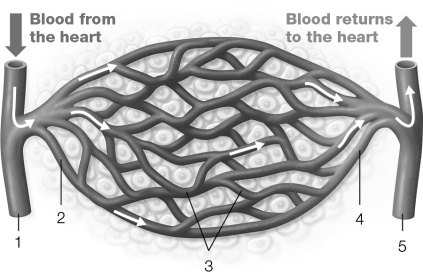
A) 1
B) 2
C) 3
D) 4
E) 5
A) 1
B) 2
C) 3
D) 4
E) 5
Question
Question
Question
Question
Question
Question
Question
Question
Question
Question
Question
Question
Question
Question
Question
Question
Question
Question
Which of the following figures is associated with a Yersinia pestis infection?
A)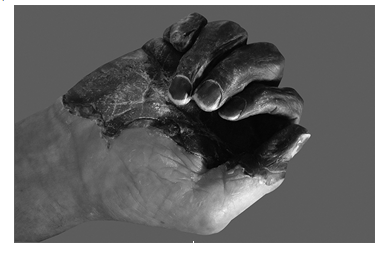
B)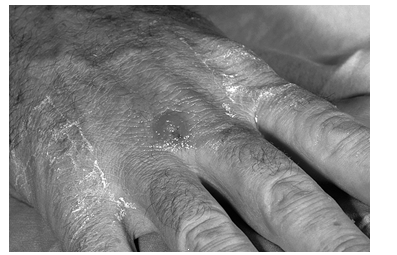
C)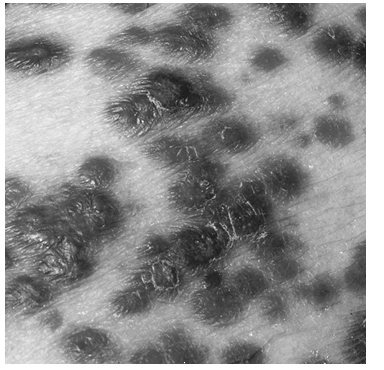
D)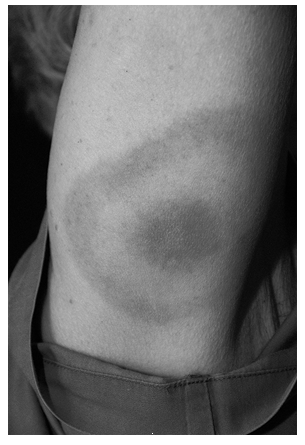
E)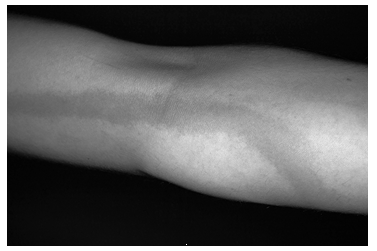
A)
B)
C)
D)
E)
Question
Question
Question
Question
Question
Question
Question
Question
Question
Question
Question
Question
Question
Question
Question
Question
Question
Question
Question
Question
Question
Question
Question
Question

Unlock Deck
Sign up to unlock the cards in this deck!
Unlock Deck
Unlock Deck
1/46

Play

Full screen (f)
Deck 21: Cardiovascular and Lymphatic Infections
1
How does blood enter the heart?
A) by means of the capillaries surrounding the heart
B) as paracardial fluid
C) from the aorta
D) via the vena cava
E) through the pulmonary arteries
A) by means of the capillaries surrounding the heart
B) as paracardial fluid
C) from the aorta
D) via the vena cava
E) through the pulmonary arteries
via the vena cava
2
A man and women honeymooned in Brazil and both came down with mild symptoms of a Zika infection upon returning home. How long should the couple wait to start a family based on this information?
A) If they are in love they shouldn't wait.
B) 1 year
C) 3 months
D) 6 months
E) 8 weeks
A) If they are in love they shouldn't wait.
B) 1 year
C) 3 months
D) 6 months
E) 8 weeks
6 months
3
Which of the following is not a risk factor for developing sepsis?
A) a wound
B) recent surgery or invasive procedures
C) chronic health issues such as cancer, diabetes, AIDS, and cardiovascular disease
D) nervous system infection
E) blunt force trauma
A) a wound
B) recent surgery or invasive procedures
C) chronic health issues such as cancer, diabetes, AIDS, and cardiovascular disease
D) nervous system infection
E) blunt force trauma
a wound
4
Which of the following numbers represents arterioles?
A) 1
B) 2
C) 3
D) 4
E) 5
A) 1
B) 2
C) 3
D) 4
E) 5
Unlock Deck
Unlock for access to all 46 flashcards in this deck.
Unlock Deck
k this deck
5
Why is the second stage of a dengue infection of concern?
A) A high fever can lead to dehydration.
B) Hemorrhagic features may develop and lead to shock, organ failure, and eventually death.
C) Vomiting can lead to dehydration.
D) Nausea can be a symptom of the virus getting past the blood brain barrier, infecting the brain, and quickly killing the patient.
E) Body aches and extreme abdominal pain can indicate an intestinal perforation.
A) A high fever can lead to dehydration.
B) Hemorrhagic features may develop and lead to shock, organ failure, and eventually death.
C) Vomiting can lead to dehydration.
D) Nausea can be a symptom of the virus getting past the blood brain barrier, infecting the brain, and quickly killing the patient.
E) Body aches and extreme abdominal pain can indicate an intestinal perforation.
Unlock Deck
Unlock for access to all 46 flashcards in this deck.
Unlock Deck
k this deck
6
What happens if lymph is not collected?
A) hemorrhaging
B) liver toxicity
C) anemia
D) edema
E) blood clots form
A) hemorrhaging
B) liver toxicity
C) anemia
D) edema
E) blood clots form
Unlock Deck
Unlock for access to all 46 flashcards in this deck.
Unlock Deck
k this deck
7
What is currently the most crucial way of reducing incidence of dengue, yellow fever, chikungunya, and Zika?
A) educate the public about safe sex and condom use
B) avoid areas with high prevalence of these diseases
C) control mosquito levels
D) providing better quality health care
E) increasing the availability of current vaccines
A) educate the public about safe sex and condom use
B) avoid areas with high prevalence of these diseases
C) control mosquito levels
D) providing better quality health care
E) increasing the availability of current vaccines
Unlock Deck
Unlock for access to all 46 flashcards in this deck.
Unlock Deck
k this deck
8
The nickname "the kissing disease" refers to an infection caused by which pathogen?
A) Lassa virus
B) Marburg virus
C) Ebola virus
D) Epstein- Barr virus
E) human immunodeficiency virus
A) Lassa virus
B) Marburg virus
C) Ebola virus
D) Epstein- Barr virus
E) human immunodeficiency virus
Unlock Deck
Unlock for access to all 46 flashcards in this deck.
Unlock Deck
k this deck
9
When is the human T lymphotropic virus typically detected in a patient?
A) Patient develops cancer or donates blood.
B) It can only be detected postmortem.
C) The sores that develop in stage 2 give it away.
D) Initial symptoms of infection are a clear indicator.
E) Typically screened for when memory loss symptoms present
A) Patient develops cancer or donates blood.
B) It can only be detected postmortem.
C) The sores that develop in stage 2 give it away.
D) Initial symptoms of infection are a clear indicator.
E) Typically screened for when memory loss symptoms present
Unlock Deck
Unlock for access to all 46 flashcards in this deck.
Unlock Deck
k this deck
10
Which of the following is not a sign of sepsis?
A) dilated pupils
B) body temperature above 101°F (38.3°C) or below 96.8°F (36°C)
C) increased respiratory rate (more than 20 breaths per minute)
D) increased white blood cell count
E) rapid heart rate (more than 90 beats per minute)
A) dilated pupils
B) body temperature above 101°F (38.3°C) or below 96.8°F (36°C)
C) increased respiratory rate (more than 20 breaths per minute)
D) increased white blood cell count
E) rapid heart rate (more than 90 beats per minute)
Unlock Deck
Unlock for access to all 46 flashcards in this deck.
Unlock Deck
k this deck
11
An antiretroviral regimen usually consists of two reverse transcriptase inhibitors and a(n)
A) integrase inhibitor.
B) reverse transcriptase inhibitor.
C) protease inhibitor.
D) protease inhibitor, integrase inhibitor, or reverse transcriptase inhibitor.
E) protease inhibitor or integrase inhibitor.
A) integrase inhibitor.
B) reverse transcriptase inhibitor.
C) protease inhibitor.
D) protease inhibitor, integrase inhibitor, or reverse transcriptase inhibitor.
E) protease inhibitor or integrase inhibitor.
Unlock Deck
Unlock for access to all 46 flashcards in this deck.
Unlock Deck
k this deck
12
Which stage marks the progression of HIV to AIDS?
A) stage I
B) stage II
C) stage III
D) stage IV
E) stage V
A) stage I
B) stage II
C) stage III
D) stage IV
E) stage V
Unlock Deck
Unlock for access to all 46 flashcards in this deck.
Unlock Deck
k this deck
13
What is lymph?
A) protein- rich blood plasma that has left capillaries
B) the portion of blood that contains red blood cells
C) the portion of blood that contains white blood cells and platelets
D) thick carbohydrate matrix that supports cells in various tissues of the body
E) the layer of lipids that collects under the skin for protection and insulation
A) protein- rich blood plasma that has left capillaries
B) the portion of blood that contains red blood cells
C) the portion of blood that contains white blood cells and platelets
D) thick carbohydrate matrix that supports cells in various tissues of the body
E) the layer of lipids that collects under the skin for protection and insulation
Unlock Deck
Unlock for access to all 46 flashcards in this deck.
Unlock Deck
k this deck
14
How can a chikungunya infection be differentiated from a dengue infection?
A) Differentiation is based on symptoms due to the two presenting quite differently.
B) stool analysis
C) liver biopsy
D) microscopic analysis of the blood
E) blood tests that identify viral antigens, viral RNA, or patient antibodies to the virus
A) Differentiation is based on symptoms due to the two presenting quite differently.
B) stool analysis
C) liver biopsy
D) microscopic analysis of the blood
E) blood tests that identify viral antigens, viral RNA, or patient antibodies to the virus
Unlock Deck
Unlock for access to all 46 flashcards in this deck.
Unlock Deck
k this deck
15
Which of the following would limit your possible exposure to the Lassa virus?
A) avoiding sexual intercourse
B) keeping a rodent- free home
C) not eating bushmeat
D) not eating anything that hasn't been well cooked
E) using insect repellant
A) avoiding sexual intercourse
B) keeping a rodent- free home
C) not eating bushmeat
D) not eating anything that hasn't been well cooked
E) using insect repellant
Unlock Deck
Unlock for access to all 46 flashcards in this deck.
Unlock Deck
k this deck
16
Burkitt's lymphoma is a possible complication of which disease?
A) Lassa virus
B) human immunodeficiency virus
C) Epstein- Barr virus
D) Marburg virus
E) Ebola virus
A) Lassa virus
B) human immunodeficiency virus
C) Epstein- Barr virus
D) Marburg virus
E) Ebola virus
Unlock Deck
Unlock for access to all 46 flashcards in this deck.
Unlock Deck
k this deck
17
Areas with a high population and low vaccination rates are susceptible to which type of transmission for yellow fever?
A) intermediate
B) jungle
C) urban
D) jungle, intermediate, and urban
E) jungle and intermediate
A) intermediate
B) jungle
C) urban
D) jungle, intermediate, and urban
E) jungle and intermediate
Unlock Deck
Unlock for access to all 46 flashcards in this deck.
Unlock Deck
k this deck
18
What is the innermost layer of the heart?
A) cardium
B) pericardium
C) myocardium
D) endocardium
E) epicardium
A) cardium
B) pericardium
C) myocardium
D) endocardium
E) epicardium
Unlock Deck
Unlock for access to all 46 flashcards in this deck.
Unlock Deck
k this deck
19
After excess lymph drains from our tissues, it is shuttled to the lymph nodes and _, where waste filtering and pathogen detection take place.
A) pancreas
B) body tissues lacking sufficient lymph
C) spleen
D) kidneys
E) MALT tissue
A) pancreas
B) body tissues lacking sufficient lymph
C) spleen
D) kidneys
E) MALT tissue
Unlock Deck
Unlock for access to all 46 flashcards in this deck.
Unlock Deck
k this deck
20
Which of the following describes how blood travels through the heart?
A) left atrium, left ventricle, lungs, right atrium, right ventricle, rest of the body
B) left atrium, left ventricle, right atrium, right ventricle, lungs, rest of the body
C) left atrium, right atrium, lungs, left ventricle, right ventricle, rest of the body
D) right atrium, left atrium, lungs, right ventricle, left ventricle, rest of the body
E) right atrium, right ventricle, lungs, left atrium, left ventricle, rest of the body
A) left atrium, left ventricle, lungs, right atrium, right ventricle, rest of the body
B) left atrium, left ventricle, right atrium, right ventricle, lungs, rest of the body
C) left atrium, right atrium, lungs, left ventricle, right ventricle, rest of the body
D) right atrium, left atrium, lungs, right ventricle, left ventricle, rest of the body
E) right atrium, right ventricle, lungs, left atrium, left ventricle, rest of the body
Unlock Deck
Unlock for access to all 46 flashcards in this deck.
Unlock Deck
k this deck
21
Which of the following would not be the origin of the bacteremia leading to endocarditis?
A) venous catheters
B) infected gums
C) pneumonia
D) urinary tract infections
E) skin abscesses
A) venous catheters
B) infected gums
C) pneumonia
D) urinary tract infections
E) skin abscesses
Unlock Deck
Unlock for access to all 46 flashcards in this deck.
Unlock Deck
k this deck
22
Which of the following figures is associated with a Yersinia pestis infection?
A)
B)
C)
D)
E)
A)
B)
C)
D)
E)
Unlock Deck
Unlock for access to all 46 flashcards in this deck.
Unlock Deck
k this deck
23
Why are early symptoms of a Francisella tularensis infection often difficult to diagnose?
A) Patient symptoms are the only indication that leads to a diagnosis.
B) The bacteria do not grow in culture.
C) Early symptoms can vary based on how the bacteria are transmitted.
D) Symptoms are often mild and go unnoticed.
E) Symptoms progress so slowly it can be months before the patient seeks medical care.
A) Patient symptoms are the only indication that leads to a diagnosis.
B) The bacteria do not grow in culture.
C) Early symptoms can vary based on how the bacteria are transmitted.
D) Symptoms are often mild and go unnoticed.
E) Symptoms progress so slowly it can be months before the patient seeks medical care.
Unlock Deck
Unlock for access to all 46 flashcards in this deck.
Unlock Deck
k this deck
24
Which of the following is one of the most common agents to cause endocarditis?
A) Borrelia burgdorferi
B) Francisella tularensis
C) Yersinia pestis
D) Rickettsia rickettsii
E) Staphylococcus aureus
A) Borrelia burgdorferi
B) Francisella tularensis
C) Yersinia pestis
D) Rickettsia rickettsii
E) Staphylococcus aureus
Unlock Deck
Unlock for access to all 46 flashcards in this deck.
Unlock Deck
k this deck
25
The Ebola virus is a single- stranded RNA virus.
Unlock Deck
Unlock for access to all 46 flashcards in this deck.
Unlock Deck
k this deck
26
Who is primarily at risk for a candidiasis infection?
A) patients with long hospital stays
B) patients confined to a bed
C) patients with cancer
D) immunocompromised individuals who have underlying conditions such as cancer, diabetes mellitus, AIDS, or who are taking medication that suppresses the immune system
E) elderly patients
A) patients with long hospital stays
B) patients confined to a bed
C) patients with cancer
D) immunocompromised individuals who have underlying conditions such as cancer, diabetes mellitus, AIDS, or who are taking medication that suppresses the immune system
E) elderly patients
Unlock Deck
Unlock for access to all 46 flashcards in this deck.
Unlock Deck
k this deck
27
Which of the following ways can candidiasis be contracted?
A) kidney dialysis or intravenous lines
B) central venous catheters or kidney dialysis
C) surgery or central venous catheters
D) intravenous lines or surgery
E) surgery, central venous catheters, kidney dialysis, or intravenous lines
A) kidney dialysis or intravenous lines
B) central venous catheters or kidney dialysis
C) surgery or central venous catheters
D) intravenous lines or surgery
E) surgery, central venous catheters, kidney dialysis, or intravenous lines
Unlock Deck
Unlock for access to all 46 flashcards in this deck.
Unlock Deck
k this deck
28
Erythema migrans often develops as a result of what infection?
A) Staphylococcus aureus
B) Francisella tularensis
C) Rickettsia rickettsii
D) Yersinia pestis
E) Borrelia burgdorferi
A) Staphylococcus aureus
B) Francisella tularensis
C) Rickettsia rickettsii
D) Yersinia pestis
E) Borrelia burgdorferi
Unlock Deck
Unlock for access to all 46 flashcards in this deck.
Unlock Deck
k this deck
29
Complicated malaria is more common in which of the following patient populations?
A) immunocompromised patients
B) young adult patients
C) young patients
D) young or elderly patients, as well as those who are pregnant or immunocompromised
E) elderly patients
A) immunocompromised patients
B) young adult patients
C) young patients
D) young or elderly patients, as well as those who are pregnant or immunocompromised
E) elderly patients
Unlock Deck
Unlock for access to all 46 flashcards in this deck.
Unlock Deck
k this deck
30
Which of the following events does not put you at risk for contracting a Francisella tularensis infection?
A) cleaning a deer that you just shot
B) removing an injured squirrel from the road in front of your house
C) a tick bite while out camping
D) adopting a dog from an animal shelter
E) taking away a wounded rabbit your cat brought back for you
A) cleaning a deer that you just shot
B) removing an injured squirrel from the road in front of your house
C) a tick bite while out camping
D) adopting a dog from an animal shelter
E) taking away a wounded rabbit your cat brought back for you
Unlock Deck
Unlock for access to all 46 flashcards in this deck.
Unlock Deck
k this deck
31
When traveling to regions where malaria is common, what is the recommendation?
A) Preventive antimalarial drugs should be taken daily while traveling in endemic areas.
B) Spray your clothes with insecticide each morning you are traveling in endemic areas.
C) Get vaccinated for malaria before traveling.
D) Buy a bed net while traveling.
E) If you get malaria buy some antimalarial drugs while traveling.
A) Preventive antimalarial drugs should be taken daily while traveling in endemic areas.
B) Spray your clothes with insecticide each morning you are traveling in endemic areas.
C) Get vaccinated for malaria before traveling.
D) Buy a bed net while traveling.
E) If you get malaria buy some antimalarial drugs while traveling.
Unlock Deck
Unlock for access to all 46 flashcards in this deck.
Unlock Deck
k this deck
32
Which form of a Yersinia pestis infection can result in acral gangrene caused by intravascular coagulation?
A) bubonic plague
B) septicemic plague
C) hepatic plague
D) pneumonic plague
E) cardiatic plague
A) bubonic plague
B) septicemic plague
C) hepatic plague
D) pneumonic plague
E) cardiatic plague
Unlock Deck
Unlock for access to all 46 flashcards in this deck.
Unlock Deck
k this deck
33
Mosquitoes infected with Plasmodium pass on which of the following to the host?
A) sporozoites
B) merozoites
C) schizonts
D) trophozoites
E) gametocytes
A) sporozoites
B) merozoites
C) schizonts
D) trophozoites
E) gametocytes
Unlock Deck
Unlock for access to all 46 flashcards in this deck.
Unlock Deck
k this deck
34
Why are ehrlichiosis and anaplasmosis of concern?
A) Both produce major signs that can be permanent.
B) Both are fatal.
C) Treatment is long and difficult for both.
D) Areas of infection are spreading to other countries.
E) Incidence of both is increasing.
A) Both produce major signs that can be permanent.
B) Both are fatal.
C) Treatment is long and difficult for both.
D) Areas of infection are spreading to other countries.
E) Incidence of both is increasing.
Unlock Deck
Unlock for access to all 46 flashcards in this deck.
Unlock Deck
k this deck
35
Endocarditis is mainly seen in people who have damaged, abnormal, or artificial heart valves or other heart defects.
Unlock Deck
Unlock for access to all 46 flashcards in this deck.
Unlock Deck
k this deck
36
Polyarthralgia is a condition experience by patients with dengue fever.
Unlock Deck
Unlock for access to all 46 flashcards in this deck.
Unlock Deck
k this deck
37
Dengue fever, yellow fever and malaria are all caused by different RNA viruses.
Unlock Deck
Unlock for access to all 46 flashcards in this deck.
Unlock Deck
k this deck
38
Septic shock can cause disseminated intravascular coagulation that blocks blood flow and promotes organ failure and tissue necrosis.
Unlock Deck
Unlock for access to all 46 flashcards in this deck.
Unlock Deck
k this deck
39
Which of the following infections presents with three stages: a cold stage hallmarked by shivering and a sensation of cold, a hot stage with fever, and a sweating stage?
A) malaria
B) Lyme disease
C) ehrlichiosis
D) invasive candidiasis
E) Rocky Mountain spotted fever
A) malaria
B) Lyme disease
C) ehrlichiosis
D) invasive candidiasis
E) Rocky Mountain spotted fever
Unlock Deck
Unlock for access to all 46 flashcards in this deck.
Unlock Deck
k this deck
40
Which of the following is not a reason Rocky Mountain spotted fever should be diagnosed within the first few days of an infection?
A) Limb amputation may be required due to necrosis.
B) It may cause blood vessel damage that impacts circulation to the arms and legs.
C) Fatal organ or brain bleeding may occur.
D) Untreated cases can be fatal in as few as eight days.
E) A schizophrenia- like illness or mood disturbances may result.
A) Limb amputation may be required due to necrosis.
B) It may cause blood vessel damage that impacts circulation to the arms and legs.
C) Fatal organ or brain bleeding may occur.
D) Untreated cases can be fatal in as few as eight days.
E) A schizophrenia- like illness or mood disturbances may result.
Unlock Deck
Unlock for access to all 46 flashcards in this deck.
Unlock Deck
k this deck
41
Rocky Mountain spotted fever continues to be isolated to those states that border the Rocky Mountains.
Unlock Deck
Unlock for access to all 46 flashcards in this deck.
Unlock Deck
k this deck
42
Mosquitoes that bite an infected patient take up sporozoites, which goes through another growth cycle that culminates in the formation of the gametocytes that can perpetuate the infection cycle in another human.
Unlock Deck
Unlock for access to all 46 flashcards in this deck.
Unlock Deck
k this deck
43
Describe how you would initially manage a patient with sepsis and then what additional steps you would take if the patient needed to be put on life support.
Unlock Deck
Unlock for access to all 46 flashcards in this deck.
Unlock Deck
k this deck
44
Although uncomplicated malaria presents with mild symptoms, complicated malaria can have a number of signs. What are they?
Unlock Deck
Unlock for access to all 46 flashcards in this deck.
Unlock Deck
k this deck
45
What three outcomes result from a human T lymphotropic virus infection?
Unlock Deck
Unlock for access to all 46 flashcards in this deck.
Unlock Deck
k this deck
46
Individuals more susceptible to fungal disease, such as AIDS patients, may be placed on antifungal medication as a preventive measure.
Unlock Deck
Unlock for access to all 46 flashcards in this deck.
Unlock Deck
k this deck
Unlock Deck
Unlock for access to all 46 flashcards in this deck.






