







 Chat with AI

Deck 47: Microbiology and Disease
Full screen (f)

Question

Question
Question
Question
Question
Question
Question
Question
Question
Question
Question
Question
Question
Question
Question
Question
Question
Question
Question
Question
Question
The comma-shaped bacteria pictured here are ____. 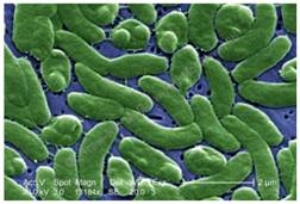
A) bacilli
B) vibrios
C) cocci
D) spirilla
E) parasites
A) bacilli
B) vibrios
C) cocci
D) spirilla
E) parasites
Question
The spiral-shaped bacterium pictured here is classified as a ____. 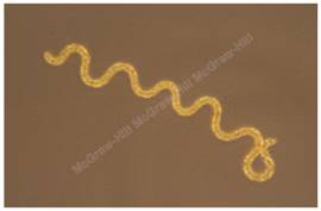
A) bacillus
B) coccus
C) spirillum
D) vibrio
E) parasite
A) bacillus
B) coccus
C) spirillum
D) vibrio
E) parasite
Question
Question
Question
Question
Question
The bacteria shown in the figure are ____. 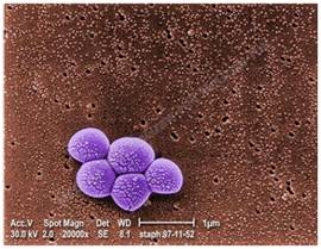
A) vibrios
B) cocci
C) spirilla
D) bacilli
E) parasites
A) vibrios
B) cocci
C) spirilla
D) bacilli
E) parasites
Question
Question
Question
Question
The bacteria pictured here are classified as ____. 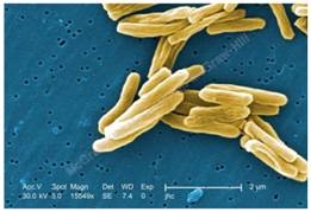
A) bacilli
B) spirilla
C) cocci
D) vibrios
E) parasites
A) bacilli
B) spirilla
C) cocci
D) vibrios
E) parasites
Question
Question
Question
Question
Question
Question
Question
Question
Question
Question
Question
Question
Question
Question
Question
Question
Question
Question
Question
Question
Question
Question
Question
Question
Question
Question
Question
Question
Question
Question
Question
Question
Question
Question
Question
Question
Question
Question
Question
Trinity is a 9-year-old patient who has a fever, swollen glands, and a red rash. Upon examination, the physician found the organism shown in the picture. Which of the following diseases might the physician suspect based on this evidence? 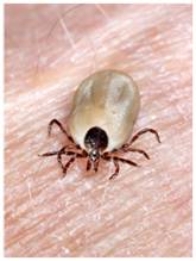
A) Malaria
B) Legionnaire's disease
C) SARS
D) Tetanus
E) Lyme disease
A) Malaria
B) Legionnaire's disease
C) SARS
D) Tetanus
E) Lyme disease
Question
The microorganisms pictured here are ____. 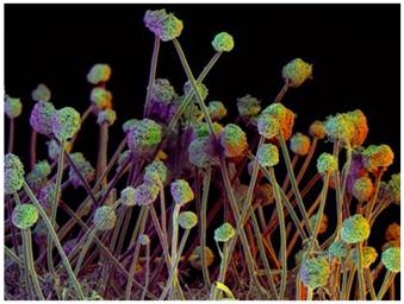
A) protozoans
B) bacteria
C) fungi
D) viruses
E) helminths
A) protozoans
B) bacteria
C) fungi
D) viruses
E) helminths
Question
Question
Question
Question
Question
Question
Question
Question
The organism pictured here spreads bacteria that causes Lyme disease and is considered a ____. 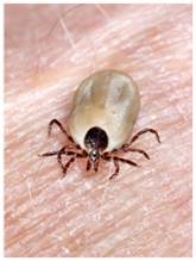
A) parasitic insect
B) protozoan
C) rickettsiae
D) parasitic worm
E) chlamydiae
A) parasitic insect
B) protozoan
C) rickettsiae
D) parasitic worm
E) chlamydiae
Question
The parasitic insect pictured here burrows under the skin and causes ____. 
A) Rocky Mountain Spotted Fever
B) scabies
C) malaria
D) plague
E) trichinosis
A) Rocky Mountain Spotted Fever
B) scabies
C) malaria
D) plague
E) trichinosis

Unlock Deck
Sign up to unlock the cards in this deck!
Unlock Deck
Unlock Deck
1/123

Play

Full screen (f)
Deck 47: Microbiology and Disease
1
Beneficial bacteria found in the body that perform functions such as producing vitamins are called ____.
A) antigens
B) normal flora
C) immune flora
D) virulent bacteria
E) acid-fast bacteria
A) antigens
B) normal flora
C) immune flora
D) virulent bacteria
E) acid-fast bacteria
normal flora
2
Which of the following refers to the study of microorganisms?
A) Pharmacology
B) Microbiology
C) Hematology
D) Radiology
E) Neurology
A) Pharmacology
B) Microbiology
C) Hematology
D) Radiology
E) Neurology
Microbiology
3
The respiratory disease that causes fever, cough, sore throat, runny or stuffy nose, muscle or body aches, headaches, and fatigue, and is spread by airborne transmission is ____.
A) mumps
B) measles
C) influenza
D) pertussis
E) diphtheria
A) mumps
B) measles
C) influenza
D) pertussis
E) diphtheria
influenza
4
An example of a subcellular microorganism is a ___.
A) virus
B) bacterium
C) protozoan
D) fungus
E) helminth
A) virus
B) bacterium
C) protozoan
D) fungus
E) helminth
Unlock Deck
Unlock for access to all 123 flashcards in this deck.
Unlock Deck
k this deck
5
Which of the following are characteristics of prokaryotic cells?
A) They are noncellular.
B) They are simply structured with a single chromosome and no organelles.
C) They are highly structured and contain a nucleus.
D) They have a complex cell structure and have specialized organelles in the cytoplasm.
E) They consist of nucleic acid surrounded by a protein coat.
A) They are noncellular.
B) They are simply structured with a single chromosome and no organelles.
C) They are highly structured and contain a nucleus.
D) They have a complex cell structure and have specialized organelles in the cytoplasm.
E) They consist of nucleic acid surrounded by a protein coat.
Unlock Deck
Unlock for access to all 123 flashcards in this deck.
Unlock Deck
k this deck
6
A microorganism capable of causing disease is a ____.
A) pathogen
B) macrophage
C) nucleotide
D) nucleoside
E) symbiote
A) pathogen
B) macrophage
C) nucleotide
D) nucleoside
E) symbiote
Unlock Deck
Unlock for access to all 123 flashcards in this deck.
Unlock Deck
k this deck
7
The viral infection that affects the salivary glands, causing fever, headache, and inflammation of the glands is ____.
A) whooping cough
B) meningitis
C) mumps
D) rubella
E) scarlet fever
A) whooping cough
B) meningitis
C) mumps
D) rubella
E) scarlet fever
Unlock Deck
Unlock for access to all 123 flashcards in this deck.
Unlock Deck
k this deck
8
Which of the following is characteristic of a subcellular microorganism?
A) Complex cell structure containing a nucleus
B) Highly structured organism with specialized organelles in the cytoplasm
C) Noncellular structure in which the nucleic acid is surrounded by a protein coat
D) Simple cell structure with no nucleus and no organelles in the cytoplasm
E) Cell with a single chromosome and no organelles
A) Complex cell structure containing a nucleus
B) Highly structured organism with specialized organelles in the cytoplasm
C) Noncellular structure in which the nucleic acid is surrounded by a protein coat
D) Simple cell structure with no nucleus and no organelles in the cytoplasm
E) Cell with a single chromosome and no organelles
Unlock Deck
Unlock for access to all 123 flashcards in this deck.
Unlock Deck
k this deck
9
Which classification of microorganisms contains protozoans, fungi, and parasites?
A) Subcellular
B) Prokaryotic
C) Eukaryotic
D) Bacteria
E) Viruses
A) Subcellular
B) Prokaryotic
C) Eukaryotic
D) Bacteria
E) Viruses
Unlock Deck
Unlock for access to all 123 flashcards in this deck.
Unlock Deck
k this deck
10
A complication of a strep infection manifested by inflammation of the heart tissue is ____.
A) tetanus
B) rheumatic fever
C) pertussis
D) scarlet fever
E) mumps
A) tetanus
B) rheumatic fever
C) pertussis
D) scarlet fever
E) mumps
Unlock Deck
Unlock for access to all 123 flashcards in this deck.
Unlock Deck
k this deck
11
Three-year-old Tyler's parents report that he has had a runny nose and a mild cough for the last several days. They brought him to the clinic because the coughing has become "terrible" during the past 24 hours. While getting the history from the parents, you notice a "whoop" sound as Tyler inhales after a severe coughing spell. Which of the following diseases is the most probable cause of Tyler's cough?
A) Tetanus
B) Diphtheria
C) Croup
D) Rubella
E) Pertussis
A) Tetanus
B) Diphtheria
C) Croup
D) Rubella
E) Pertussis
Unlock Deck
Unlock for access to all 123 flashcards in this deck.
Unlock Deck
k this deck
12
Amy is a 9-year-old patient who has a high fever, headache, and an itchy rash. Although Amy usually has a good appetite, her mother says she has not been hungry for the last few days. The rash is starting to blister. Which of the following diseases might you suspect?
A) Chickenpox
B) Rubella
C) Diphtheria
D) Hepatitis
E) Cholera
A) Chickenpox
B) Rubella
C) Diphtheria
D) Hepatitis
E) Cholera
Unlock Deck
Unlock for access to all 123 flashcards in this deck.
Unlock Deck
k this deck
13
Which of the following is a frequent cause of bacterial infections, including epiglottitis and pneumonia, in infants and young children in the United States?
A) Escherichia coli
B) Haemophilus influenzae Serotype B
C) Helicobacter pylori
D) Legionella pneumophila
E) Mycobacterium tuberculosis
A) Escherichia coli
B) Haemophilus influenzae Serotype B
C) Helicobacter pylori
D) Legionella pneumophila
E) Mycobacterium tuberculosis
Unlock Deck
Unlock for access to all 123 flashcards in this deck.
Unlock Deck
k this deck
14
An acute, often fatal, infectious bacterial disease caused by the introduction of pathogenic spores, which enter the body through a contaminated puncture wound, is____.
A) pertussis
B) diphtheria
C) tetanus
D) rubeola
E) mumps
A) pertussis
B) diphtheria
C) tetanus
D) rubeola
E) mumps
Unlock Deck
Unlock for access to all 123 flashcards in this deck.
Unlock Deck
k this deck
15
Mononucleosis is caused by ____.
A) the varicella-zoster virus
B) Enterovirus vermicularis
C) the Epstein-Barr virus
D) helminths
E) cytomegalovirus
A) the varicella-zoster virus
B) Enterovirus vermicularis
C) the Epstein-Barr virus
D) helminths
E) cytomegalovirus
Unlock Deck
Unlock for access to all 123 flashcards in this deck.
Unlock Deck
k this deck
16
Which of the following is characteristic of resident normal flora?
A) They are normally found on the skin and within the human body.
B) They have no effect on animals but are dangerous to humans.
C) They are referred to as pathogenic.
D) They may lead to serious conditions.
E) They cause mild infections.
A) They are normally found on the skin and within the human body.
B) They have no effect on animals but are dangerous to humans.
C) They are referred to as pathogenic.
D) They may lead to serious conditions.
E) They cause mild infections.
Unlock Deck
Unlock for access to all 123 flashcards in this deck.
Unlock Deck
k this deck
17
Which of the following are characteristics of eukaryotic cells?
A) They have a complex cell structure containing a nucleus and specialized organelles in the cytoplasm.
B) They have a simple cell structure with no nucleus.
C) They are noncellular.
D) They have an uncomplicated, basic structure that contains no organelles in the cytoplasm.
E) They consist of nucleic acid surrounded by a protein coat.
A) They have a complex cell structure containing a nucleus and specialized organelles in the cytoplasm.
B) They have a simple cell structure with no nucleus.
C) They are noncellular.
D) They have an uncomplicated, basic structure that contains no organelles in the cytoplasm.
E) They consist of nucleic acid surrounded by a protein coat.
Unlock Deck
Unlock for access to all 123 flashcards in this deck.
Unlock Deck
k this deck
18
Which of the following can weaken the body's ability to fight infection?
A) High-protein diet
B) Cancer treatment
C) Proper hygiene habits
D) Exercise
E) Adequate sleep
A) High-protein diet
B) Cancer treatment
C) Proper hygiene habits
D) Exercise
E) Adequate sleep
Unlock Deck
Unlock for access to all 123 flashcards in this deck.
Unlock Deck
k this deck
19
Which of the following is an example of a microorganism that is classified a prokaryotic cell?
A) Fungus
B) Virus
C) Bacterium
D) Parasite
E) Helminth
A) Fungus
B) Virus
C) Bacterium
D) Parasite
E) Helminth
Unlock Deck
Unlock for access to all 123 flashcards in this deck.
Unlock Deck
k this deck
20
In which condition does a pseudomembrane cover the tonsils, throat, and nose, causing respiratory obstruction?
A) Measles
B) Diphtheria
C) Mumps
D) Influenza
E) Legionnaire's disease
A) Measles
B) Diphtheria
C) Mumps
D) Influenza
E) Legionnaire's disease
Unlock Deck
Unlock for access to all 123 flashcards in this deck.
Unlock Deck
k this deck
21
The comma-shaped bacteria pictured here are ____.
A) bacilli
B) vibrios
C) cocci
D) spirilla
E) parasites
A) bacilli
B) vibrios
C) cocci
D) spirilla
E) parasites
Unlock Deck
Unlock for access to all 123 flashcards in this deck.
Unlock Deck
k this deck
22
The spiral-shaped bacterium pictured here is classified as a ____.
A) bacillus
B) coccus
C) spirillum
D) vibrio
E) parasite
A) bacillus
B) coccus
C) spirillum
D) vibrio
E) parasite
Unlock Deck
Unlock for access to all 123 flashcards in this deck.
Unlock Deck
k this deck
23
Which of the following types of bacteria are responsible for infections such as syphilis and Lyme disease?
A) Staphylococci
B) Spirilla
C) Vibrios
D) Bacilli
E) Streptococci
A) Staphylococci
B) Spirilla
C) Vibrios
D) Bacilli
E) Streptococci
Unlock Deck
Unlock for access to all 123 flashcards in this deck.
Unlock Deck
k this deck
24
A solution of a dye or group of dyes that imparts a color to microorganisms is a ____.
A) smear
B) wet mount
C) stain
D) culture
E) medium
A) smear
B) wet mount
C) stain
D) culture
E) medium
Unlock Deck
Unlock for access to all 123 flashcards in this deck.
Unlock Deck
k this deck
25
Which of the following types of bacteria are responsible for gastroenteritis, tuberculosis, whooping cough, botulism, and tetanus?
A) Spirilla
B) Bacilli
C) Staphylococci
D) Streptococci
E) Vibrios
A) Spirilla
B) Bacilli
C) Staphylococci
D) Streptococci
E) Vibrios
Unlock Deck
Unlock for access to all 123 flashcards in this deck.
Unlock Deck
k this deck
26
Which of the following types of bacteria are responsible for diseases such as cholera?
A) Spirilla
B) Vibrios
C) Staphylococci
D) Bacilli
E) Streptococci
A) Spirilla
B) Vibrios
C) Staphylococci
D) Bacilli
E) Streptococci
Unlock Deck
Unlock for access to all 123 flashcards in this deck.
Unlock Deck
k this deck
27
The bacteria shown in the figure are ____.
A) vibrios
B) cocci
C) spirilla
D) bacilli
E) parasites
A) vibrios
B) cocci
C) spirilla
D) bacilli
E) parasites
Unlock Deck
Unlock for access to all 123 flashcards in this deck.
Unlock Deck
k this deck
28
The causative agents for boils, acne, abscesses, food poisoning, and a type of pneumonia are ____.
A) diplococci
B) spirilla
C) staphylococci
D) streptococci
E) bacilli
A) diplococci
B) spirilla
C) staphylococci
D) streptococci
E) bacilli
Unlock Deck
Unlock for access to all 123 flashcards in this deck.
Unlock Deck
k this deck
29
Diplococci bacteria are responsible for causing ____.
A) boils, acne, and abscesses
B) gonorrhea and some forms of meningitis
C) gastroenteritis and tetanus
D) syphilis and Lyme disease
E) tuberculosis.
A) boils, acne, and abscesses
B) gonorrhea and some forms of meningitis
C) gastroenteritis and tetanus
D) syphilis and Lyme disease
E) tuberculosis.
Unlock Deck
Unlock for access to all 123 flashcards in this deck.
Unlock Deck
k this deck
30
Which of the following are characteristics of viruses?
A) They cannot be seen with a regular microscope.
B) They reproduce by budding and do not cause disease in humans.
C) They are single-celled organisms that reproduce very quickly.
D) They are found in soil and water and most do not cause disease in humans.
E) They are among the largest infectious agents.
A) They cannot be seen with a regular microscope.
B) They reproduce by budding and do not cause disease in humans.
C) They are single-celled organisms that reproduce very quickly.
D) They are found in soil and water and most do not cause disease in humans.
E) They are among the largest infectious agents.
Unlock Deck
Unlock for access to all 123 flashcards in this deck.
Unlock Deck
k this deck
31
The bacteria pictured here are classified as ____.
A) bacilli
B) spirilla
C) cocci
D) vibrios
E) parasites
A) bacilli
B) spirilla
C) cocci
D) vibrios
E) parasites
Unlock Deck
Unlock for access to all 123 flashcards in this deck.
Unlock Deck
k this deck
32
Which of the following is the most common staining procedure, which differentiates bacteria according to the chemical composition of their cell walls?
A) Gram stain
B) Methylene blue stain
C) Acid-fast stain
D) Congo red stain
E) Ziehl-Neelsen stain
A) Gram stain
B) Methylene blue stain
C) Acid-fast stain
D) Congo red stain
E) Ziehl-Neelsen stain
Unlock Deck
Unlock for access to all 123 flashcards in this deck.
Unlock Deck
k this deck
33
Acid-fast stain is a ____.
A) preparation of a specimen in a liquid that allows the organisms to remain alive and mobile
B) staining procedure for identifying bacteria with a waxy cell wall
C) smear in which a specimen is spread thinly and unevenly across a slide
D) sample of the specimen placed in a substance that allows microorganisms to grow
E) staining procedure that identifies anaerobic bacteria
A) preparation of a specimen in a liquid that allows the organisms to remain alive and mobile
B) staining procedure for identifying bacteria with a waxy cell wall
C) smear in which a specimen is spread thinly and unevenly across a slide
D) sample of the specimen placed in a substance that allows microorganisms to grow
E) staining procedure that identifies anaerobic bacteria
Unlock Deck
Unlock for access to all 123 flashcards in this deck.
Unlock Deck
k this deck
34
Which of the following microorganisms cause diseases that are a leading cause of death in developing countries because of lack of proper sanitation?
A) Viruses
B) Bacteria
C) Protozoans
D) Fungi
E) Helminths
A) Viruses
B) Bacteria
C) Protozoans
D) Fungi
E) Helminths
Unlock Deck
Unlock for access to all 123 flashcards in this deck.
Unlock Deck
k this deck
35
Examples of diseases caused by viruses include ____.
A) gonorrhea and meningitis
B) tinea pedis and vaginal yeast infections
C) malaria and trichomoniasis vaginitis
D) chickenpox, hepatitis, and influenza
E) strep throat and gastroenteritis
A) gonorrhea and meningitis
B) tinea pedis and vaginal yeast infections
C) malaria and trichomoniasis vaginitis
D) chickenpox, hepatitis, and influenza
E) strep throat and gastroenteritis
Unlock Deck
Unlock for access to all 123 flashcards in this deck.
Unlock Deck
k this deck
36
Which of the following are grapelike clusters of cocci that are commonly found on the skin?
A) Diplococci
B) Mycobacteria
C) Staphylococci
D) Mycoplasma
E) Bacilli
A) Diplococci
B) Mycobacteria
C) Staphylococci
D) Mycoplasma
E) Bacilli
Unlock Deck
Unlock for access to all 123 flashcards in this deck.
Unlock Deck
k this deck
37
The most common way to classify bacteria is according to their ____.
A) ability to retain certain dyes
B) ability to grow in the presence or absence of air
C) biochemical reactions
D) shape
E) size
A) ability to retain certain dyes
B) ability to grow in the presence or absence of air
C) biochemical reactions
D) shape
E) size
Unlock Deck
Unlock for access to all 123 flashcards in this deck.
Unlock Deck
k this deck
38
Which of the following microorganisms cause infections such as strep throat, certain types of pneumonia, and rheumatic fever?
A) Streptococci
B) Mycobacteria
C) Rickettsia
D) Diplococci
E) Staphylococci
A) Streptococci
B) Mycobacteria
C) Rickettsia
D) Diplococci
E) Staphylococci
Unlock Deck
Unlock for access to all 123 flashcards in this deck.
Unlock Deck
k this deck
39
Which of the following are pairs of cocci?
A) Vibrios
B) Streptococci
C) Diplococci
D) Staphylococci
E) Bacilli
A) Vibrios
B) Streptococci
C) Diplococci
D) Staphylococci
E) Bacilli
Unlock Deck
Unlock for access to all 123 flashcards in this deck.
Unlock Deck
k this deck
40
Streptococci are configured in ____.
A) chains
B) pairs
C) grapelike clusters
D) spirals
E) triplets
A) chains
B) pairs
C) grapelike clusters
D) spirals
E) triplets
Unlock Deck
Unlock for access to all 123 flashcards in this deck.
Unlock Deck
k this deck
41
Which of the following is an agent that kills microorganisms or suppresses their growth?
A) Culture
B) Smear
C) Stain
D) Mordant
E) Antimicrobial
A) Culture
B) Smear
C) Stain
D) Mordant
E) Antimicrobial
Unlock Deck
Unlock for access to all 123 flashcards in this deck.
Unlock Deck
k this deck
42
A sample of a specimen that is placed in or on a substance that allows microorganisms to grow is a ____.
A) stain
B) smear
C) wet mount
D) culture
E) mordant
A) stain
B) smear
C) wet mount
D) culture
E) mordant
Unlock Deck
Unlock for access to all 123 flashcards in this deck.
Unlock Deck
k this deck
43
Which of the following involves culturing a specimen and then testing the isolated bacterium's susceptibility to antibiotics?
A) Culture and sensitivity
B) KOH mount
C) Acid-fast stain
D) Wet mount
E) Gram stain
A) Culture and sensitivity
B) KOH mount
C) Acid-fast stain
D) Wet mount
E) Gram stain
Unlock Deck
Unlock for access to all 123 flashcards in this deck.
Unlock Deck
k this deck
44
Which of the following is included in specimen-collection guidelines?
A) One specimen is sufficient for two or more different tests
B) Obtain a specimen from a site where the organism is least likely to be found
C) Test the specimen within 10 minutes of collection
D) Obtain the specimen only after antibiotic therapy has been initiated
E) Obtain the specimen at a time that allows optimal chance of recovery of the microorganism
A) One specimen is sufficient for two or more different tests
B) Obtain a specimen from a site where the organism is least likely to be found
C) Test the specimen within 10 minutes of collection
D) Obtain the specimen only after antibiotic therapy has been initiated
E) Obtain the specimen at a time that allows optimal chance of recovery of the microorganism
Unlock Deck
Unlock for access to all 123 flashcards in this deck.
Unlock Deck
k this deck
45
An infection caused by a parasite is called a(n) ____.
A) outbreak
B) mordant
C) infestation
D) epidemic
E) pandemic
A) outbreak
B) mordant
C) infestation
D) epidemic
E) pandemic
Unlock Deck
Unlock for access to all 123 flashcards in this deck.
Unlock Deck
k this deck
46
Which of the following, found in insects such as ticks and mites, are responsible for diseases such as Rocky Mountain spotted fever and typhus?
A) Mycobacteria
B) Chlamydiae
C) Mycoplasmas
D) Rickettsiae
E) MSRA
A) Mycobacteria
B) Chlamydiae
C) Mycoplasmas
D) Rickettsiae
E) MSRA
Unlock Deck
Unlock for access to all 123 flashcards in this deck.
Unlock Deck
k this deck
47
Rick, a 22-year-old patient, has had a bad cough that has lasted almost a month. He says his chest hurts, and he has been coughing up blood. Since his last visit three months ago, he has lost 12 pounds. His temperature is 101.9 F. For which of the following diseases might you expect the physician to test?
A) Diphtheria
B) Measles
C) Epiglottitis
D) Hepatitis
E) Tuberculosis
A) Diphtheria
B) Measles
C) Epiglottitis
D) Hepatitis
E) Tuberculosis
Unlock Deck
Unlock for access to all 123 flashcards in this deck.
Unlock Deck
k this deck
48
Facultative bacteria are bacteria that ____.
A) grow best in the presence of oxygen
B) grow in the presence or absence of oxygen
C) grow best in the absence of oxygen
D) are identified by biochemical reactions that occur within the cell
E) have a waxy cell wall
A) grow best in the presence of oxygen
B) grow in the presence or absence of oxygen
C) grow best in the absence of oxygen
D) are identified by biochemical reactions that occur within the cell
E) have a waxy cell wall
Unlock Deck
Unlock for access to all 123 flashcards in this deck.
Unlock Deck
k this deck
49
In which of the following is a specimen spread thinly and unevenly across a slide?
A) Stain
B) Smear
C) Culture
D) Wet mount
E) C&S
A) Stain
B) Smear
C) Culture
D) Wet mount
E) C&S
Unlock Deck
Unlock for access to all 123 flashcards in this deck.
Unlock Deck
k this deck
50
The genus that causes tuberculosis and leprosy is ____.
A) staphylococcus
B) mycobacterium
C) streptococcus
D) bacillus
E) pneumocystis
A) staphylococcus
B) mycobacterium
C) streptococcus
D) bacillus
E) pneumocystis
Unlock Deck
Unlock for access to all 123 flashcards in this deck.
Unlock Deck
k this deck
51
Which of the following reproduce by budding?
A) Viruses
B) Protozoans
C) Yeasts
D) Molds
E) Parasites
A) Viruses
B) Protozoans
C) Yeasts
D) Molds
E) Parasites
Unlock Deck
Unlock for access to all 123 flashcards in this deck.
Unlock Deck
k this deck
52
Which of the following is an organism that lives on or in another organism and uses that other organism for its nourishment, or for some other advantage, to the detriment of the host organism?
A) Mordant
B) Fungus
C) Colony
D) Yeast
E) Parasite
A) Mordant
B) Fungus
C) Colony
D) Yeast
E) Parasite
Unlock Deck
Unlock for access to all 123 flashcards in this deck.
Unlock Deck
k this deck
53
A preparation of a specimen in a liquid that allows the organisms to remain alive and mobile while being identified is a(n) ____.
A) stain
B) culture
C) smear
D) wet mount
E) mordant
A) stain
B) culture
C) smear
D) wet mount
E) mordant
Unlock Deck
Unlock for access to all 123 flashcards in this deck.
Unlock Deck
k this deck
54
Which of the following is a parasitic disease?
A) Syphilis
B) Pneumonia
C) Hepatitis
D) Scabies
E) Ringworm
A) Syphilis
B) Pneumonia
C) Hepatitis
D) Scabies
E) Ringworm
Unlock Deck
Unlock for access to all 123 flashcards in this deck.
Unlock Deck
k this deck
55
Fungi that grow into large, fuzzy, multicelled organisms that produce spores are called ____.
A) keratins
B) molds
C) spirilla
D) agar
E) yeasts
A) keratins
B) molds
C) spirilla
D) agar
E) yeasts
Unlock Deck
Unlock for access to all 123 flashcards in this deck.
Unlock Deck
k this deck
56
Which of the following is a guideline for the preparation and transportation of a specimen to an outside laboratory for pathologic study?
A) Use whatever collection device is available
B) Maintain the sample in a state as close to its original state as possible
C) Use the same specimen for both microbiologic and pathologic examination
D) Keep the specimens in a heated environment after obtaining them
E) Obtain the specimen after the patient has started taking an antimicrobial
A) Use whatever collection device is available
B) Maintain the sample in a state as close to its original state as possible
C) Use the same specimen for both microbiologic and pathologic examination
D) Keep the specimens in a heated environment after obtaining them
E) Obtain the specimen after the patient has started taking an antimicrobial
Unlock Deck
Unlock for access to all 123 flashcards in this deck.
Unlock Deck
k this deck
57
Which of the following is an inflammation of the heart tissue that occurs most frequently in school-age children as a result of an untreated strep throat?
A) Colitis
B) Tuberculosis
C) Rheumatic fever
D) Botulism
E) Whooping cough
A) Colitis
B) Tuberculosis
C) Rheumatic fever
D) Botulism
E) Whooping cough
Unlock Deck
Unlock for access to all 123 flashcards in this deck.
Unlock Deck
k this deck
58
Anaerobes are bacteria that ____.
A) grow best in the presence of oxygen
B) are identified by biochemical reactions that occur within the cell
C) grow best in the absence of oxygen
D) can thrive in an environment either with oxygen or without oxygen
E) have a waxy cell wall
A) grow best in the presence of oxygen
B) are identified by biochemical reactions that occur within the cell
C) grow best in the absence of oxygen
D) can thrive in an environment either with oxygen or without oxygen
E) have a waxy cell wall
Unlock Deck
Unlock for access to all 123 flashcards in this deck.
Unlock Deck
k this deck
59
Which of the following are bacteria that grow best in the presence of oxygen?
A) Mordants
B) Aerobes
C) Keratins
D) Anaerobes
E) Facultative specimens
A) Mordants
B) Aerobes
C) Keratins
D) Anaerobes
E) Facultative specimens
Unlock Deck
Unlock for access to all 123 flashcards in this deck.
Unlock Deck
k this deck
60
Which of the following cause eye disease, venereal disease, and a form of pneumonia?
A) Spirilla
B) Rickettsiae
C) Chlamydiae
D) Mycobacteria
E) Mycoplasmas
A) Spirilla
B) Rickettsiae
C) Chlamydiae
D) Mycobacteria
E) Mycoplasmas
Unlock Deck
Unlock for access to all 123 flashcards in this deck.
Unlock Deck
k this deck
61
Which of the following would you include in the preparation of a microbiologic specimen smear?
A) Rub the specimen swab vigorously over the frosted part of the slide
B) Wave the slide in the air to help it dry
C) Heat-fix the slide with the smear side up
D) Stain the smear before it cools
E) Wait until after the smear is prepared to label the slide with the patient's name
A) Rub the specimen swab vigorously over the frosted part of the slide
B) Wave the slide in the air to help it dry
C) Heat-fix the slide with the smear side up
D) Stain the smear before it cools
E) Wait until after the smear is prepared to label the slide with the patient's name
Unlock Deck
Unlock for access to all 123 flashcards in this deck.
Unlock Deck
k this deck
62
Which of the following specimens would you expect the physician to order if he or she suspects a patient has tuberculosis?
A) Stool specimen
B) Wound specimen
C) Throat culture specimen
D) Sputum specimen
E) Blood specimen
A) Stool specimen
B) Wound specimen
C) Throat culture specimen
D) Sputum specimen
E) Blood specimen
Unlock Deck
Unlock for access to all 123 flashcards in this deck.
Unlock Deck
k this deck
63
Mary has come to the medical office complaining of an infection involving her left great toenail. Which of the following would you expect the physician to order?
A) Smear
B) Culture
C) Gram stain
D) Wet mount
E) KOH mount
A) Smear
B) Culture
C) Gram stain
D) Wet mount
E) KOH mount
Unlock Deck
Unlock for access to all 123 flashcards in this deck.
Unlock Deck
k this deck
64
Creutzfeldt-Jakob disease (CJD) and Bovine spongiform encephalopathy (BSE) are caused by a(n) ____.
A) virus
B) bacterium
C) protozoan
D) fungus
E) prion
A) virus
B) bacterium
C) protozoan
D) fungus
E) prion
Unlock Deck
Unlock for access to all 123 flashcards in this deck.
Unlock Deck
k this deck
65
Which of the following would you include when performing a Gram stain?
A) Cover only a small area of the specimen on the side with the crystal violet stain
B) Allow the stain to sit for no more than 10 seconds before rinsing
C) Cover the entire specimen area with iodine and allow it to remain for 1 minute
D) Rub the slide to hasten drying
E) Apply exactly 3 drops of alcohol or decolorizer after rinsing away the iodine
A) Cover only a small area of the specimen on the side with the crystal violet stain
B) Allow the stain to sit for no more than 10 seconds before rinsing
C) Cover the entire specimen area with iodine and allow it to remain for 1 minute
D) Rub the slide to hasten drying
E) Apply exactly 3 drops of alcohol or decolorizer after rinsing away the iodine
Unlock Deck
Unlock for access to all 123 flashcards in this deck.
Unlock Deck
k this deck
66
Which type of specimen is examined for the presence of parasites such as roundworms or tapeworms?
A) Throat culture specimen
B) Stool specimen
C) Wound specimen
D) Sputum specimen
E) Blood specimen
A) Throat culture specimen
B) Stool specimen
C) Wound specimen
D) Sputum specimen
E) Blood specimen
Unlock Deck
Unlock for access to all 123 flashcards in this deck.
Unlock Deck
k this deck
67
Determination of the type of pathogen is called ____.
A) quantitative analysis
B) sensitivity testing
C) qualitative analysis
D) staining
E) inoculation
A) quantitative analysis
B) sensitivity testing
C) qualitative analysis
D) staining
E) inoculation
Unlock Deck
Unlock for access to all 123 flashcards in this deck.
Unlock Deck
k this deck
68
Which of the following is a distinct group of organisms that can be seen on the surface of the culture medium?
A) Mordant
B) Colony
C) Agar
D) Keratin
E) Yeast
A) Mordant
B) Colony
C) Agar
D) Keratin
E) Yeast
Unlock Deck
Unlock for access to all 123 flashcards in this deck.
Unlock Deck
k this deck
69
Determination of the number of bacteria present in specimens is called ____.
A) quantitative analysis
B) sensitivity testing
C) qualitative analysis
D) staining
E) inoculation
A) quantitative analysis
B) sensitivity testing
C) qualitative analysis
D) staining
E) inoculation
Unlock Deck
Unlock for access to all 123 flashcards in this deck.
Unlock Deck
k this deck
70
Trinity is a 9-year-old patient who has a fever, swollen glands, and a red rash. Upon examination, the physician found the organism shown in the picture. Which of the following diseases might the physician suspect based on this evidence?
A) Malaria
B) Legionnaire's disease
C) SARS
D) Tetanus
E) Lyme disease
A) Malaria
B) Legionnaire's disease
C) SARS
D) Tetanus
E) Lyme disease
Unlock Deck
Unlock for access to all 123 flashcards in this deck.
Unlock Deck
k this deck
71
The microorganisms pictured here are ____.
A) protozoans
B) bacteria
C) fungi
D) viruses
E) helminths
A) protozoans
B) bacteria
C) fungi
D) viruses
E) helminths
Unlock Deck
Unlock for access to all 123 flashcards in this deck.
Unlock Deck
k this deck
72
The hard protein the body produces that makes visualizing the fungus possible only in a KOH mount is called ____.
A) keratin
B) mordant
C) agar
D) mold
E) yeast
A) keratin
B) mordant
C) agar
D) mold
E) yeast
Unlock Deck
Unlock for access to all 123 flashcards in this deck.
Unlock Deck
k this deck
73
Which of the following is not a reason people are able to avoid infection most of the time?
A) The majority of microorganisms are either beneficial or harmless.
B) Conditions must be favorable for a pathogen to be transmitted to a susceptible person.
C) The human body has a variety of defenses against infection.
D) Pathogens comprise only a small portion of the microorganisms in a given environment.
E) Pathogens have developed ways to evade the host defenses.
A) The majority of microorganisms are either beneficial or harmless.
B) Conditions must be favorable for a pathogen to be transmitted to a susceptible person.
C) The human body has a variety of defenses against infection.
D) Pathogens comprise only a small portion of the microorganisms in a given environment.
E) Pathogens have developed ways to evade the host defenses.
Unlock Deck
Unlock for access to all 123 flashcards in this deck.
Unlock Deck
k this deck
74
Which of the following should you include when preparing a KOH mount?
A) Suspend the specimen in a drop of 10% potassium hydroxide
B) Avoid covering the specimen with a coverslip
C) Examine the specimen immediately after obtaining it
D) Refrigerate the specimen if you cannot examine it immediately after obtaining it
E) Wear a face mask and gown when preparing the specimen
A) Suspend the specimen in a drop of 10% potassium hydroxide
B) Avoid covering the specimen with a coverslip
C) Examine the specimen immediately after obtaining it
D) Refrigerate the specimen if you cannot examine it immediately after obtaining it
E) Wear a face mask and gown when preparing the specimen
Unlock Deck
Unlock for access to all 123 flashcards in this deck.
Unlock Deck
k this deck
75
Which of the following would you include when obtaining a throat culture specimen from a patient?
A) Wear examination gloves, goggles, and a mask or face shield
B) Instruct all adult patients to lie down for the procedure
C) Swab the back of the throat, including the uvula and the soft tissue hanging from the roof of the mouth
D) Insert the swab into the sleeve after touching the outside of the sleeve with the swab
E) Place the tongue depressor in the nearest trash can after use
A) Wear examination gloves, goggles, and a mask or face shield
B) Instruct all adult patients to lie down for the procedure
C) Swab the back of the throat, including the uvula and the soft tissue hanging from the roof of the mouth
D) Insert the swab into the sleeve after touching the outside of the sleeve with the swab
E) Place the tongue depressor in the nearest trash can after use
Unlock Deck
Unlock for access to all 123 flashcards in this deck.
Unlock Deck
k this deck
76
A substance that can intensify or deepen the response of a specimen to a stain is called a(n) ____.
A) keratin
B) mordant
C) agar
D) colony
E) culture
A) keratin
B) mordant
C) agar
D) colony
E) culture
Unlock Deck
Unlock for access to all 123 flashcards in this deck.
Unlock Deck
k this deck
77
What information must be included on a laboratory request form?
A) Type of organism suspected
B) Patient's phone number
C) Source of the microbiologic specimen
D) Patient's diet
E) Patient's signature
A) Type of organism suspected
B) Patient's phone number
C) Source of the microbiologic specimen
D) Patient's diet
E) Patient's signature
Unlock Deck
Unlock for access to all 123 flashcards in this deck.
Unlock Deck
k this deck
78
The gelatin-like substance derived from seaweed that gives a culture medium its consistency is called
A) keratin.
B) agar.
C) mordant.
D) stain.
E) KOH.
A) keratin.
B) agar.
C) mordant.
D) stain.
E) KOH.
Unlock Deck
Unlock for access to all 123 flashcards in this deck.
Unlock Deck
k this deck
79
The organism pictured here spreads bacteria that causes Lyme disease and is considered a ____.
A) parasitic insect
B) protozoan
C) rickettsiae
D) parasitic worm
E) chlamydiae
A) parasitic insect
B) protozoan
C) rickettsiae
D) parasitic worm
E) chlamydiae
Unlock Deck
Unlock for access to all 123 flashcards in this deck.
Unlock Deck
k this deck
80
The parasitic insect pictured here burrows under the skin and causes ____.
A) Rocky Mountain Spotted Fever
B) scabies
C) malaria
D) plague
E) trichinosis
A) Rocky Mountain Spotted Fever
B) scabies
C) malaria
D) plague
E) trichinosis
Unlock Deck
Unlock for access to all 123 flashcards in this deck.
Unlock Deck
k this deck
Unlock Deck
Unlock for access to all 123 flashcards in this deck.






