







 Chat with AI

Deck 18: Plants and Fungi
Full screen (f)

Question

Question
Question
Question
Question
Question
Question
Question
Part Z is 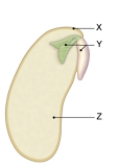
A) stored food.
B) the sporophyte embryo.
C) the seed coat.
D) the gametophyte embryo.
E) vascular tissue.
A) stored food.
B) the sporophyte embryo.
C) the seed coat.
D) the gametophyte embryo.
E) vascular tissue.
Question
Question
Question
Question
Question
Question
Question
Question
Question
Question
Question
Question
Question
Question
Question
Question
Question
Question
Question
Question
Question
Question
Question
Question
Question
Question
Question
Question
Question
Question
Question
Question
Question
Question
Question
Question
Question
Question
Question
Question
Question
Question

Unlock Deck
Sign up to unlock the cards in this deck!
Unlock Deck
Unlock Deck
1/50

Play

Full screen (f)
Deck 18: Plants and Fungi
1
Conifers such as pine trees are classified as
A) angiosperms.
B) lycophytes.
C) bryophytes.
D) charophytes.
E) gymnosperms.
A) angiosperms.
B) lycophytes.
C) bryophytes.
D) charophytes.
E) gymnosperms.
E
2
Which of these is a fungal disease (mycosis)?
A) wheat rust
B) ringworm
C) athlete's foot
D) oral thrush
E) All of the choices are fungal diseases.
A) wheat rust
B) ringworm
C) athlete's foot
D) oral thrush
E) All of the choices are fungal diseases.
E
3
The closest living relatives of land plants are
A) charophytes.
B) chytrids.
C) sporozoans.
D) cyanobacteria.
E) lichens.
A) charophytes.
B) chytrids.
C) sporozoans.
D) cyanobacteria.
E) lichens.
A
4
While walking in the woods, you come across some low-growing plants clustered at the base of a tree. You collect one as a specimen for biology class. Upon examination in the lab, you find that the leaf-, stem-, and root-like structures contain no vascular tissue. The plant is
A) a lycophyte.
B) an angiosperm.
C) a gymnosperm.
D) a bryophyte.
E) not a plant but a charophyte.
A) a lycophyte.
B) an angiosperm.
C) a gymnosperm.
D) a bryophyte.
E) not a plant but a charophyte.
Unlock Deck
Unlock for access to all 50 flashcards in this deck.
Unlock Deck
k this deck
5
Which of these was the first to have well-developed vascular tissue?
A) charophytes
B) bryophytes
C) lycophytes
D) ferns
E) gymnosperms
A) charophytes
B) bryophytes
C) lycophytes
D) ferns
E) gymnosperms
Unlock Deck
Unlock for access to all 50 flashcards in this deck.
Unlock Deck
k this deck
6
Endosperm is a ________ tissue.
A) haploid ( n)
B) vascular
C) diploid (2 n)
D) cotyledon
E) triploid (3 n)
A) haploid ( n)
B) vascular
C) diploid (2 n)
D) cotyledon
E) triploid (3 n)
Unlock Deck
Unlock for access to all 50 flashcards in this deck.
Unlock Deck
k this deck
7
Which feature is believed to have been the first step in the evolution of land plants from the green algae?
A) protection of the embryo
B) evolution of vascular tissue
C) evolution of microphylls
D) evolution of seeds
E) evolution of flowers in order to attract pollinators
A) protection of the embryo
B) evolution of vascular tissue
C) evolution of microphylls
D) evolution of seeds
E) evolution of flowers in order to attract pollinators
Unlock Deck
Unlock for access to all 50 flashcards in this deck.
Unlock Deck
k this deck
8
Part Z is
A) stored food.
B) the sporophyte embryo.
C) the seed coat.
D) the gametophyte embryo.
E) vascular tissue.
A) stored food.
B) the sporophyte embryo.
C) the seed coat.
D) the gametophyte embryo.
E) vascular tissue.
Unlock Deck
Unlock for access to all 50 flashcards in this deck.
Unlock Deck
k this deck
9
Which structures are found in both ferns and gymnosperms?
A) seeds and flowers
B) megaphylls and seeds
C) microphylls and megaphylls
D) flowers and vascular tissue
E) megaphylls and vascular tissue
A) seeds and flowers
B) megaphylls and seeds
C) microphylls and megaphylls
D) flowers and vascular tissue
E) megaphylls and vascular tissue
Unlock Deck
Unlock for access to all 50 flashcards in this deck.
Unlock Deck
k this deck
10
Which of these is mismatched?
A) bryophytes - flagellated sperm
B) lycophytes - microphylls
C) ferns - megaphylls
D) gymnosperms - fruits
E) angiosperms - seeds
A) bryophytes - flagellated sperm
B) lycophytes - microphylls
C) ferns - megaphylls
D) gymnosperms - fruits
E) angiosperms - seeds
Unlock Deck
Unlock for access to all 50 flashcards in this deck.
Unlock Deck
k this deck
11
Which of these is found in the moss life cycle?
A) double fertilization
B) pollen
C) megaspore
D) flagellated sperm
E) microspore
A) double fertilization
B) pollen
C) megaspore
D) flagellated sperm
E) microspore
Unlock Deck
Unlock for access to all 50 flashcards in this deck.
Unlock Deck
k this deck
12
Which fungal disease results in a loss of 1/3 of the world's rice crop every year?
A) rice smut
B) rice rust
C) leaf curl disease
D) rice blast disease
E) Panama disease
A) rice smut
B) rice rust
C) leaf curl disease
D) rice blast disease
E) Panama disease
Unlock Deck
Unlock for access to all 50 flashcards in this deck.
Unlock Deck
k this deck
13
If a plant has vascular tissue, megaphylls, and seeds, but not flowers, then it is a(n)
A) angiosperm.
B) gymnosperm.
C) lycophyte.
D) fern.
E) bryophyte.
A) angiosperm.
B) gymnosperm.
C) lycophyte.
D) fern.
E) bryophyte.
Unlock Deck
Unlock for access to all 50 flashcards in this deck.
Unlock Deck
k this deck
14
Apples, oranges, peanuts, and rice grains are produced by
A) gymnosperms.
B) bryophytes.
C) angiosperms.
D) charophytes.
E) lycophytes.
A) gymnosperms.
B) bryophytes.
C) angiosperms.
D) charophytes.
E) lycophytes.
Unlock Deck
Unlock for access to all 50 flashcards in this deck.
Unlock Deck
k this deck
15
Which of these is mismatched?
A) carpel - ovary
B) stamen - anther
C) calyx - stigma
D) corolla - petal
E) stamen - filament
A) carpel - ovary
B) stamen - anther
C) calyx - stigma
D) corolla - petal
E) stamen - filament
Unlock Deck
Unlock for access to all 50 flashcards in this deck.
Unlock Deck
k this deck
16
Which of the following groups provides protection and nourishment to the embryo?
A) all plants
B) angiosperms only
C) gymnosperms only
D) bryophytes only
E) lycophytes only
A) all plants
B) angiosperms only
C) gymnosperms only
D) bryophytes only
E) lycophytes only
Unlock Deck
Unlock for access to all 50 flashcards in this deck.
Unlock Deck
k this deck
17
Pollen grains are
A) female gametophytes.
B) embryonic sporophytes.
C) male gametophytes.
D) megaspores.
E) encapsulated ovules.
A) female gametophytes.
B) embryonic sporophytes.
C) male gametophytes.
D) megaspores.
E) encapsulated ovules.
Unlock Deck
Unlock for access to all 50 flashcards in this deck.
Unlock Deck
k this deck
18
The gametophyte is the dominant generation in
A) angiosperms.
B) gymnosperms.
C) ferns.
D) mosses.
E) all land plants.
A) angiosperms.
B) gymnosperms.
C) ferns.
D) mosses.
E) all land plants.
Unlock Deck
Unlock for access to all 50 flashcards in this deck.
Unlock Deck
k this deck
19
You discover a green, filamentous multicellular eukaryote growing at the edge of a pond. How could you determine if the organism is a green alga or a plant?
A) Test for the presence of chlorophylls a and b.
B) Examine the cell walls to see if they are composed of cellulose.
C) See if the organism stores its excess carbohydrates in the form of starch.
D) Determine if the organism protects its zygotes.
E) Determine if the organism protects and nourishes its embryos.
A) Test for the presence of chlorophylls a and b.
B) Examine the cell walls to see if they are composed of cellulose.
C) See if the organism stores its excess carbohydrates in the form of starch.
D) Determine if the organism protects its zygotes.
E) Determine if the organism protects and nourishes its embryos.
Unlock Deck
Unlock for access to all 50 flashcards in this deck.
Unlock Deck
k this deck
20
Which structure is a characteristic found onlyin angiosperms?
A) vascular tissue
B) seed
C) leaf
D) flower
E) megaphyll
A) vascular tissue
B) seed
C) leaf
D) flower
E) megaphyll
Unlock Deck
Unlock for access to all 50 flashcards in this deck.
Unlock Deck
k this deck
21
Most fungi in the environment function as
A) parasites.
B) saprotrophs.
C) photoautotrophs.
D) producers.
E) predators.
A) parasites.
B) saprotrophs.
C) photoautotrophs.
D) producers.
E) predators.
Unlock Deck
Unlock for access to all 50 flashcards in this deck.
Unlock Deck
k this deck
22
By definition, a fruit is derived from the
A) archegonium.
B) corolla.
C) calyx.
D) ovary.
E) stamen.
A) archegonium.
B) corolla.
C) calyx.
D) ovary.
E) stamen.
Unlock Deck
Unlock for access to all 50 flashcards in this deck.
Unlock Deck
k this deck
23
The body of a typical fungus is termed a(n)
A) antheridium.
B) mycorrhiza.
C) sporangium.
D) hypha.
E) mycelium.
A) antheridium.
B) mycorrhiza.
C) sporangium.
D) hypha.
E) mycelium.
Unlock Deck
Unlock for access to all 50 flashcards in this deck.
Unlock Deck
k this deck
24
When making bread, you first "proof" the yeast by mixing it with sugar in lukewarm water. Assuming that the yeast are alive, what happens next and why?
A) The water will become cloudy as the flagellated yeast cells swim around.
B) The yeast will germinate and start to form a mycelium.
C) Bubbles form as the yeast ferment the sugar and release carbon dioxide.
D) Bubbles form as the yeast produce sugar and release oxygen.
E) Nothing could happen, since yeast are not living organisms.
A) The water will become cloudy as the flagellated yeast cells swim around.
B) The yeast will germinate and start to form a mycelium.
C) Bubbles form as the yeast ferment the sugar and release carbon dioxide.
D) Bubbles form as the yeast produce sugar and release oxygen.
E) Nothing could happen, since yeast are not living organisms.
Unlock Deck
Unlock for access to all 50 flashcards in this deck.
Unlock Deck
k this deck
25
In a fungal life cycle, which of the following is/are diploid?
A) the zygote only
B) the spores only
C) the hyphae only
D) the hyphae and spores but not the zygote
E) the zygote, spores, and hyphae
A) the zygote only
B) the spores only
C) the hyphae only
D) the hyphae and spores but not the zygote
E) the zygote, spores, and hyphae
Unlock Deck
Unlock for access to all 50 flashcards in this deck.
Unlock Deck
k this deck
26
Which statement does not apply to all fungi?
A) Fungi are chemoheterotrophic by absorption.
B) Fungi produce gametes that are motile.
C) Adult fungal cells are haploid.
D) Fungal cell walls are composed of chitin.
E) Fungi are thought to be descendants of a flagellated protist.
A) Fungi are chemoheterotrophic by absorption.
B) Fungi produce gametes that are motile.
C) Adult fungal cells are haploid.
D) Fungal cell walls are composed of chitin.
E) Fungi are thought to be descendants of a flagellated protist.
Unlock Deck
Unlock for access to all 50 flashcards in this deck.
Unlock Deck
k this deck
27
Which of these is mismatched?
A) ovule - seed
B) ovary - fruit
C) microspore mother cell - pollen
D) embryo - male gametophyte
E) megaspore mother cell - female gametophyte
A) ovule - seed
B) ovary - fruit
C) microspore mother cell - pollen
D) embryo - male gametophyte
E) megaspore mother cell - female gametophyte
Unlock Deck
Unlock for access to all 50 flashcards in this deck.
Unlock Deck
k this deck
28
Which statement about chytrids is incorrect?
A) They have flagellated spores and gametes.
B) They are obligate parasites.
C) Some are unicellular, while others form hyphae.
D) Some have an alternation-of-generations life cycle.
E) Some stages of their life cycle are motile.
A) They have flagellated spores and gametes.
B) They are obligate parasites.
C) Some are unicellular, while others form hyphae.
D) Some have an alternation-of-generations life cycle.
E) Some stages of their life cycle are motile.
Unlock Deck
Unlock for access to all 50 flashcards in this deck.
Unlock Deck
k this deck
29
________ is the vascular tissue that conducts water and minerals from a plant's roots to its leaves.
A) Endosperm
B) Phloem
C) Hypha
D) Xylem
E) Corolla
A) Endosperm
B) Phloem
C) Hypha
D) Xylem
E) Corolla
Unlock Deck
Unlock for access to all 50 flashcards in this deck.
Unlock Deck
k this deck
30
Many garden supply stores sell root dips used to treat plants that are being transplanted. Such dips are advertised as containing spores. What kind of spores should these dips contain?
A) mycorrhizal fungi
B) chytrids
C) lycophytes
D) yeasts
E) lichens
A) mycorrhizal fungi
B) chytrids
C) lycophytes
D) yeasts
E) lichens
Unlock Deck
Unlock for access to all 50 flashcards in this deck.
Unlock Deck
k this deck
31
A unicellular, eukaryotic organism has flagella and cell walls of chitin. What is it?
A) charophyte
B) lycophyte
C) mycorrhizal fungus
D) black bread mold
E) chytrid
A) charophyte
B) lycophyte
C) mycorrhizal fungus
D) black bread mold
E) chytrid
Unlock Deck
Unlock for access to all 50 flashcards in this deck.
Unlock Deck
k this deck
32
In black bread mold, spores are produced in structures called
A) clublike structures of the gills.
B) sporangia.
C) carpels.
D) sori.
E) mycorrhizae.
A) clublike structures of the gills.
B) sporangia.
C) carpels.
D) sori.
E) mycorrhizae.
Unlock Deck
Unlock for access to all 50 flashcards in this deck.
Unlock Deck
k this deck
33
Which of the following have microscopically small gametophytes?
A) mosses
B) ferns
C) angiosperms
D) gymnosperms
E) both angiosperms and gymnosperms
A) mosses
B) ferns
C) angiosperms
D) gymnosperms
E) both angiosperms and gymnosperms
Unlock Deck
Unlock for access to all 50 flashcards in this deck.
Unlock Deck
k this deck
34
In ferns, the dominant generation is the
A) haploid gametophyte.
B) diploid gametophyte.
C) haploid sporophyte.
D) diploid sporophyte.
E) triploid endosperm.
A) haploid gametophyte.
B) diploid gametophyte.
C) haploid sporophyte.
D) diploid sporophyte.
E) triploid endosperm.
Unlock Deck
Unlock for access to all 50 flashcards in this deck.
Unlock Deck
k this deck
35
Which of these is mismatched?
A) mushroom - fruiting body
B) angiosperm - flower
C) lycophyte - microphyll
D) charophyte - hypha
E) gymnosperm - seed
A) mushroom - fruiting body
B) angiosperm - flower
C) lycophyte - microphyll
D) charophyte - hypha
E) gymnosperm - seed
Unlock Deck
Unlock for access to all 50 flashcards in this deck.
Unlock Deck
k this deck
36
In the fern life cycle, which of these is haploid?
A) frond only
B) zygote only
C) gametophyte only
D) gametes only
E) both gametophyte and gametes
A) frond only
B) zygote only
C) gametophyte only
D) gametes only
E) both gametophyte and gametes
Unlock Deck
Unlock for access to all 50 flashcards in this deck.
Unlock Deck
k this deck
37
Beekeepers and scientists are very troubled by a recent decline in bee populations around the world. What would you predict as a likely consequence of the widespread disappearance of bees?
A) loss of crop productivity
B) decline in conifer numbers
C) disappearance of mosses and ferns
D) inability of plants to obtain enough nitrogen
E) increase in prevalence of seedless vascular plants
A) loss of crop productivity
B) decline in conifer numbers
C) disappearance of mosses and ferns
D) inability of plants to obtain enough nitrogen
E) increase in prevalence of seedless vascular plants
Unlock Deck
Unlock for access to all 50 flashcards in this deck.
Unlock Deck
k this deck
38
Some scientists estimate that over half of the world's rainforest has already been lost, mostly due to human activities. What would you predict as a consequence of the massive loss of plant life?
A) a decline in atmospheric carbon dioxide
B) reduced incidence of flooding
C) an increase in atmospheric carbon dioxide
D) a decline in soil erosion
E) a drop in average temperatures worldwide
A) a decline in atmospheric carbon dioxide
B) reduced incidence of flooding
C) an increase in atmospheric carbon dioxide
D) a decline in soil erosion
E) a drop in average temperatures worldwide
Unlock Deck
Unlock for access to all 50 flashcards in this deck.
Unlock Deck
k this deck
39
Which of these has a diploid stage in their life cycle?
A) mosses only
B) mosses and ferns, but not gymnosperms or angiosperms
C) gymnosperms and angiosperms, but not mosses or ferns
D) mosses, ferns, gymnosperms, and angiosperms
E) angiosperms only
A) mosses only
B) mosses and ferns, but not gymnosperms or angiosperms
C) gymnosperms and angiosperms, but not mosses or ferns
D) mosses, ferns, gymnosperms, and angiosperms
E) angiosperms only
Unlock Deck
Unlock for access to all 50 flashcards in this deck.
Unlock Deck
k this deck
40
If you are studying a eukaryotic, multicellular, non-photosynthetic organism, what piece of information would be most useful in determining if it is a fungus or an animal?
A) It is motile.
B) It has cell walls.
C) It ingests or absorbs its food.
D) It has specialized tissues and organs.
E) All of the choices would be equally useful.
A) It is motile.
B) It has cell walls.
C) It ingests or absorbs its food.
D) It has specialized tissues and organs.
E) All of the choices would be equally useful.
Unlock Deck
Unlock for access to all 50 flashcards in this deck.
Unlock Deck
k this deck
41
Which statement about the plant alternation-of-generations life cycle is incorrect?
A) Spores are produced by meiosis.
B) The zygote is diploid.
C) The zygote undergoes mitosis to produce the sporophyte plant.
D) Gametes are only produced by meiosis.
E) Both gametes and spores are haploid.
A) Spores are produced by meiosis.
B) The zygote is diploid.
C) The zygote undergoes mitosis to produce the sporophyte plant.
D) Gametes are only produced by meiosis.
E) Both gametes and spores are haploid.
Unlock Deck
Unlock for access to all 50 flashcards in this deck.
Unlock Deck
k this deck
42
Which of these would be best able to reproduce during a period with little to no rainfall?
A) lycophytes
B) gymnosperms
C) bryophytes
D) ferns
E) No plants can reproduce except during rainy weather.
A) lycophytes
B) gymnosperms
C) bryophytes
D) ferns
E) No plants can reproduce except during rainy weather.
Unlock Deck
Unlock for access to all 50 flashcards in this deck.
Unlock Deck
k this deck
43
Which feature possessed by most land plants is missing in mosses, which grow low to the ground in damp, shaded areas?
A) vascular tissue, so they must grow along the ground in damp areas to supply water to the cells
B) cell walls, so they cannot stand upright
C) a protected zygote, so they must grow in damp areas to supply the zygote with moisture
D) chlorophyll b, so they can only use filtered light for photosynthesis
E) starch production, so they only produce small amounts of glucose since any beyond what they use immediately cannot be stored
A) vascular tissue, so they must grow along the ground in damp areas to supply water to the cells
B) cell walls, so they cannot stand upright
C) a protected zygote, so they must grow in damp areas to supply the zygote with moisture
D) chlorophyll b, so they can only use filtered light for photosynthesis
E) starch production, so they only produce small amounts of glucose since any beyond what they use immediately cannot be stored
Unlock Deck
Unlock for access to all 50 flashcards in this deck.
Unlock Deck
k this deck
44
The fermentation capabilities of ________ are used to produce bread and alcoholic beverages.
A) yeasts
B) chytrids
C) lichens
D) mycorrhizal fungi
E) molds
A) yeasts
B) chytrids
C) lichens
D) mycorrhizal fungi
E) molds
Unlock Deck
Unlock for access to all 50 flashcards in this deck.
Unlock Deck
k this deck
45
What would you predict as a likely consequence of eradicating all fungi from soil before sowing it with plant seeds?
A) Although the plants might grow, they would be unlikely to thrive due to the lack of mycorrhizal fungi.
B) The plants would grow much more vigorously because they would not have to compete with fungi for nutrients.
C) The plants would grow much more vigorously because they would not need to fight off fungal diseases.
D) No plants would be able to grow because mycorrhizal fungi are essential for the germination of seeds.
E) The plants would grow as normal because the presence or absence of fungi has no impact on plants.
A) Although the plants might grow, they would be unlikely to thrive due to the lack of mycorrhizal fungi.
B) The plants would grow much more vigorously because they would not have to compete with fungi for nutrients.
C) The plants would grow much more vigorously because they would not need to fight off fungal diseases.
D) No plants would be able to grow because mycorrhizal fungi are essential for the germination of seeds.
E) The plants would grow as normal because the presence or absence of fungi has no impact on plants.
Unlock Deck
Unlock for access to all 50 flashcards in this deck.
Unlock Deck
k this deck
46
What is the function of the fungal fruiting body?
A) to produce spores
B) to produce fruits that attract predators
C) to provide a large surface area for photosynthesis
D) to decompose organic matter
E) to assist in fungal movement
A) to produce spores
B) to produce fruits that attract predators
C) to provide a large surface area for photosynthesis
D) to decompose organic matter
E) to assist in fungal movement
Unlock Deck
Unlock for access to all 50 flashcards in this deck.
Unlock Deck
k this deck
47
How is the mycelium a valuable adaptation for a fungus?
A) It provides a strong anchor for the fungus.
B) It provides a large surface area for the absorption of nutrients and moisture.
C) It discourages animals from feeding on the fungus.
D) It provides a vast surface area for the generation of spores.
E) It provides physical support for the fragile sporophyte generation.
A) It provides a strong anchor for the fungus.
B) It provides a large surface area for the absorption of nutrients and moisture.
C) It discourages animals from feeding on the fungus.
D) It provides a vast surface area for the generation of spores.
E) It provides physical support for the fragile sporophyte generation.
Unlock Deck
Unlock for access to all 50 flashcards in this deck.
Unlock Deck
k this deck
48
Why are green algae placed in the kingdomProtista, while plants are given their own kingdom?
A) Plants enclose and protect the embryo within the female plant, while green algae do not.
B) The green algae use chlorophyll a, while plants use chlorophyll b.
C) Green algae have a cell wall of chitin, while plants have cell walls of cellulose.
D) All plants are vascular, while all green algae are nonvascular.
E) Algae are sporophytes that reproduce only asexually, while plants are gametophytes and reproduce sexually.
A) Plants enclose and protect the embryo within the female plant, while green algae do not.
B) The green algae use chlorophyll a, while plants use chlorophyll b.
C) Green algae have a cell wall of chitin, while plants have cell walls of cellulose.
D) All plants are vascular, while all green algae are nonvascular.
E) Algae are sporophytes that reproduce only asexually, while plants are gametophytes and reproduce sexually.
Unlock Deck
Unlock for access to all 50 flashcards in this deck.
Unlock Deck
k this deck
49
Which of these would you expect to thrive in areas with abundant moisture?
A) ferns only
B) mosses only
C) lycophytes only
D) mosses and ferns but not lycophytes
E) mosses, ferns, and lycophytes
A) ferns only
B) mosses only
C) lycophytes only
D) mosses and ferns but not lycophytes
E) mosses, ferns, and lycophytes
Unlock Deck
Unlock for access to all 50 flashcards in this deck.
Unlock Deck
k this deck
50
A plant has vascular tissue and true roots, stems, and leaves, but it does not produce seeds. The plant has microphylls and bears its sporangia in strobili. This plant is a
A) bryophyte.
B) fern.
C) lycophyte.
D) gymnosperm.
E) angiosperm.
A) bryophyte.
B) fern.
C) lycophyte.
D) gymnosperm.
E) angiosperm.
Unlock Deck
Unlock for access to all 50 flashcards in this deck.
Unlock Deck
k this deck
Unlock Deck
Unlock for access to all 50 flashcards in this deck.






