







 Chat with AI

Deck 8: Early Christianity: a World Religion
Full screen (f)

Question

Question
Question
Question
Question
Question
Question
Question
Question
Question
Question
Question
Question
Question
Question
Question
Question
Question
Question
Question
Question
Question
Question
Question
Question
Question
Question
Question
Question
Question
Question
Question
Question
Question
Question
Question
Question
Question
Question
Question
Question
Question
Question
Question
Question
Question
Question
Question
Question
Question
Question
Question
Question
Question
Question
Question
Question
Question
Question
Question
Question
Question
Question
Question
Question
Question
Question
Question
Question
Question
Question
Question
Instructions: Please use this outline map of Europe to answer the question(s). 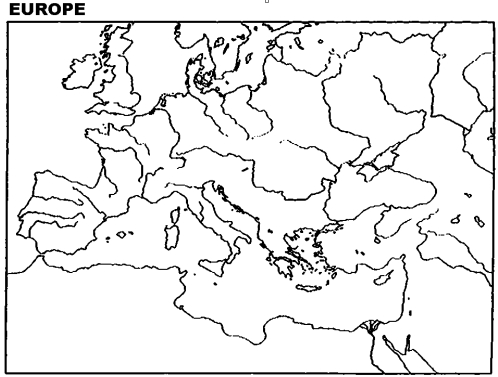
Locate each of the following and note what the site may be associated with: Milan (where Ambrose was bishop), Hippo (where Augustine was bishop), Bethlehem (where Jerome retired to pray and study), and Rome (where Peter was martyred).
Locate each of the following and note what the site may be associated with: Milan (where Ambrose was bishop), Hippo (where Augustine was bishop), Bethlehem (where Jerome retired to pray and study), and Rome (where Peter was martyred).
Question
Question
Question
Question
Instructions: Please use this outline map of Europe to answer the question(s).
Trace the missionary activities of Paul of Tarsus.
Trace the missionary activities of Paul of Tarsus.
Question
Question
Question

Unlock Deck
Sign up to unlock the cards in this deck!
Unlock Deck
Unlock Deck
1/79

Play

Full screen (f)
Deck 8: Early Christianity: a World Religion
1
Factors that contributed to the survival and growth of the Christian Church include
A)the creation of a strong organization, an institutional church.
B)a willingness to absorb some elements of Greek philosophy.
C)the adaptation of pagan beliefs and rituals include those of the other mystery religions.
D)the appeal of the idea that all are equally God's children.
E)All of these
A)the creation of a strong organization, an institutional church.
B)a willingness to absorb some elements of Greek philosophy.
C)the adaptation of pagan beliefs and rituals include those of the other mystery religions.
D)the appeal of the idea that all are equally God's children.
E)All of these
All of these
2
All of the following are true statements about the Essenes except they
A)believed themselves to be descendents of Sadok, the high priest of Solomon.
B)believed in the physical resurrection of the body.
C)clearly identified Jesus as their leader.
D)believed that they were the first generation of God's people.
E)seemed to have preserved the Wady Qumran Manuscripts for posterity.
A)believed themselves to be descendents of Sadok, the high priest of Solomon.
B)believed in the physical resurrection of the body.
C)clearly identified Jesus as their leader.
D)believed that they were the first generation of God's people.
E)seemed to have preserved the Wady Qumran Manuscripts for posterity.
clearly identified Jesus as their leader.
3
The term Gentiles derives from the
A)Latin word for nation.
B)Hebrew word for other.
C)Greek word for followers.
D)Aramaic word for heretics.
E)Latin word for meek.
A)Latin word for nation.
B)Hebrew word for other.
C)Greek word for followers.
D)Aramaic word for heretics.
E)Latin word for meek.
Latin word for nation.
4
In his understanding of Christianity, Saint Paul taught all the following except
A)all people, both Jews and non-Jews, had inherited sin from Adam and Eve.
B)Jesus had come to earth to save all people from sin and death.
C)Jesus' suffering and death on the cross was atonement for people's sin; he is the resurrected redeemer.
D)by believing in Jesus as savior, people can gain salvation.
E)God was Trinity, consisting of God the Father, God the Son, and God the Holy Spirit.
A)all people, both Jews and non-Jews, had inherited sin from Adam and Eve.
B)Jesus had come to earth to save all people from sin and death.
C)Jesus' suffering and death on the cross was atonement for people's sin; he is the resurrected redeemer.
D)by believing in Jesus as savior, people can gain salvation.
E)God was Trinity, consisting of God the Father, God the Son, and God the Holy Spirit.
Unlock Deck
Unlock for access to all 79 flashcards in this deck.
Unlock Deck
k this deck
5
John the Baptist was likely once a/an
A)Sadducee.
B)Pharisee.
C)Zealot.
D)Essene.
E)Christian.
A)Sadducee.
B)Pharisee.
C)Zealot.
D)Essene.
E)Christian.
Unlock Deck
Unlock for access to all 79 flashcards in this deck.
Unlock Deck
k this deck
6
Factors that contributed to the growing appeal of Christianity include
A)a decline of rationalism and self-reliance.
B)a general lack of compassion for suffering in Greco-Roman society.
C)the inability of the aristocratic values of Greco-Roman civilization to offer common people hope, a sense of dignity and inner strength.
D)the primary philosophic outlook of Greco-Roman society gave too little room for emotion.
E)All of these
A)a decline of rationalism and self-reliance.
B)a general lack of compassion for suffering in Greco-Roman society.
C)the inability of the aristocratic values of Greco-Roman civilization to offer common people hope, a sense of dignity and inner strength.
D)the primary philosophic outlook of Greco-Roman society gave too little room for emotion.
E)All of these
Unlock Deck
Unlock for access to all 79 flashcards in this deck.
Unlock Deck
k this deck
7
Jesus was condemned to death during the administration of
A)Augustus.
B)Tiberius.
C)Claudius.
D)Trajan.
E)Marcus Aurelius.
A)Augustus.
B)Tiberius.
C)Claudius.
D)Trajan.
E)Marcus Aurelius.
Unlock Deck
Unlock for access to all 79 flashcards in this deck.
Unlock Deck
k this deck
8
According to the author, Jesus
A)denied the need for Jews to follow the Mosaic Law.
B)called for the overthrow of the Sadducees' control of the Temple.
C)associated himself more with the prophetic tradition than a strict following of the letter of the Mosaic Law.
D)insisted on strict obedience to the Mosaic Law.
E)refused to associated with social outcasts.
A)denied the need for Jews to follow the Mosaic Law.
B)called for the overthrow of the Sadducees' control of the Temple.
C)associated himself more with the prophetic tradition than a strict following of the letter of the Mosaic Law.
D)insisted on strict obedience to the Mosaic Law.
E)refused to associated with social outcasts.
Unlock Deck
Unlock for access to all 79 flashcards in this deck.
Unlock Deck
k this deck
9
In the view of Saint Paul
A)Jesus' teachings were primarily for the Jews.
B)the Christian community was an oikoumene.
C)Mosaic Law could never be superseded.
D)Hebraic rituals should be followed, at least by those who were Jews.
E)the learning of Greek was essential for Christians.
A)Jesus' teachings were primarily for the Jews.
B)the Christian community was an oikoumene.
C)Mosaic Law could never be superseded.
D)Hebraic rituals should be followed, at least by those who were Jews.
E)the learning of Greek was essential for Christians.
Unlock Deck
Unlock for access to all 79 flashcards in this deck.
Unlock Deck
k this deck
10
Christianity evolved and expanded as
A)confidence in human reason and hope for happiness in this world declined.
B)part of a wider disillusionment the Greco-Roman world.
C)a major break with the tradition of rationalism and humanism stretching back to the ancient Greek.
D)the Roman Empire reached its peak, declined, and collapse.
E)All of these
A)confidence in human reason and hope for happiness in this world declined.
B)part of a wider disillusionment the Greco-Roman world.
C)a major break with the tradition of rationalism and humanism stretching back to the ancient Greek.
D)the Roman Empire reached its peak, declined, and collapse.
E)All of these
Unlock Deck
Unlock for access to all 79 flashcards in this deck.
Unlock Deck
k this deck
11
According to the author, Christianity differed from other contemporary mystery religions because
A)its hero actually lived.
B)its hero voluntarily died in order to lead humankind to eternal life.
C)Christians believed exclusively in one god.
D)Christians were required to undergo a moral transformation.
E)All of these
A)its hero actually lived.
B)its hero voluntarily died in order to lead humankind to eternal life.
C)Christians believed exclusively in one god.
D)Christians were required to undergo a moral transformation.
E)All of these
Unlock Deck
Unlock for access to all 79 flashcards in this deck.
Unlock Deck
k this deck
12
Jesus has been referred to as "Christ" because he
A)multiplied loaves and fishes.
B)made the dead rise.
C)died on the cross.
D)was Lord's anointed.
E)successfully endured temptation by the Devil.
A)multiplied loaves and fishes.
B)made the dead rise.
C)died on the cross.
D)was Lord's anointed.
E)successfully endured temptation by the Devil.
Unlock Deck
Unlock for access to all 79 flashcards in this deck.
Unlock Deck
k this deck
13
Which of the following statements about the Zealots is false?
A)The Zealots were devoted patriots.
B)The Zealots believed that God's kingdom was not of this world.
C)They refused to pay taxes to the Romans.
D)The Zealots did not acknowledge the authority of the Roman Emperor.
E)They were responsible for active resistance to Roman rule, which culminated in the failed A.D.66-70 revolt.
A)The Zealots were devoted patriots.
B)The Zealots believed that God's kingdom was not of this world.
C)They refused to pay taxes to the Romans.
D)The Zealots did not acknowledge the authority of the Roman Emperor.
E)They were responsible for active resistance to Roman rule, which culminated in the failed A.D.66-70 revolt.
Unlock Deck
Unlock for access to all 79 flashcards in this deck.
Unlock Deck
k this deck
14
Which of the following statements would be inconsistent with the author's summary of Jesus' teaching on ethics?
A)"Blessed are the meek for they will inherit the earth."
B)"Blessed are you who are poor, for yours is the kingdom of heaven."
C)"Blessed are the ambitious for their toil will be rewarded."
D)"Blessed are the merciful for they will be shown mercy."
E)"Blessed are the peacemakers for they will be called the sons of God."
A)"Blessed are the meek for they will inherit the earth."
B)"Blessed are you who are poor, for yours is the kingdom of heaven."
C)"Blessed are the ambitious for their toil will be rewarded."
D)"Blessed are the merciful for they will be shown mercy."
E)"Blessed are the peacemakers for they will be called the sons of God."
Unlock Deck
Unlock for access to all 79 flashcards in this deck.
Unlock Deck
k this deck
15
Jesus preached that God's kingdom was at hand.Therefore, each person had to
A)radically change his behavior.
B)eliminate base, lustful, hostile, and selfish feelings.
C)stop pursuing wealth and power.
D)show love for their fellow man and for God.
E)All of these
A)radically change his behavior.
B)eliminate base, lustful, hostile, and selfish feelings.
C)stop pursuing wealth and power.
D)show love for their fellow man and for God.
E)All of these
Unlock Deck
Unlock for access to all 79 flashcards in this deck.
Unlock Deck
k this deck
16
The Sadducees believed in all the following except
A)a strict interpretation of the Mosaic law.
B)the importance of temple ceremonies.
C)the resurrection of the dead and an afterlife.
D)they were descendants of Sadok, the high priest of Solomon.
E)God' s rewards and punishments came only in this world.
A)a strict interpretation of the Mosaic law.
B)the importance of temple ceremonies.
C)the resurrection of the dead and an afterlife.
D)they were descendants of Sadok, the high priest of Solomon.
E)God' s rewards and punishments came only in this world.
Unlock Deck
Unlock for access to all 79 flashcards in this deck.
Unlock Deck
k this deck
17
Jesus evoked opposition among many Jews because
A)some of his interpretations of the Mosaic Law offended Jewish leaders.
B)Jesus undermined respect for the Sabbath by violating God's strict command not to labor on a holy day.
C)Jesus proclaimed spiritual truth in his own name and on his own authority.
D)Jesus claimed that, above all men, he had a special relationship with God.
E)All of these
A)some of his interpretations of the Mosaic Law offended Jewish leaders.
B)Jesus undermined respect for the Sabbath by violating God's strict command not to labor on a holy day.
C)Jesus proclaimed spiritual truth in his own name and on his own authority.
D)Jesus claimed that, above all men, he had a special relationship with God.
E)All of these
Unlock Deck
Unlock for access to all 79 flashcards in this deck.
Unlock Deck
k this deck
18
Which of the following statements about the Pharisees is false?
A)The Pharisees believed in an afterlife, a late belief probably imported from Persia.
B)Like the Sadducees, the Pharisees believed in a strict interpretation of the Mosaic Law.
C)The Pharisees gave authority to an oral tradition, an "oral Torah."
D)All later forms of Judaism developed from the Pharisees.
E)The Pharisees shared an emphasis on prophetic ideals with Jesus.
A)The Pharisees believed in an afterlife, a late belief probably imported from Persia.
B)Like the Sadducees, the Pharisees believed in a strict interpretation of the Mosaic Law.
C)The Pharisees gave authority to an oral tradition, an "oral Torah."
D)All later forms of Judaism developed from the Pharisees.
E)The Pharisees shared an emphasis on prophetic ideals with Jesus.
Unlock Deck
Unlock for access to all 79 flashcards in this deck.
Unlock Deck
k this deck
19
Among Saint Paul's departures from the Jewish religion was his
A)rejection of monotheism.
B)view that circumcision and many other practices in the Mosaic Law were less important than the doctrine of a risen Savior.
C)view that Hebrew Scriptures were no longer of any value.
D)view that Christian could take an oath of loyalty to the Emperor.
E)None of these
A)rejection of monotheism.
B)view that circumcision and many other practices in the Mosaic Law were less important than the doctrine of a risen Savior.
C)view that Hebrew Scriptures were no longer of any value.
D)view that Christian could take an oath of loyalty to the Emperor.
E)None of these
Unlock Deck
Unlock for access to all 79 flashcards in this deck.
Unlock Deck
k this deck
20
Which of the following statements about Jesus is incorrect?
A)Jesus lived from A.D.1 to A.D.33.
B)Very little is known about his childhood.
C)Jesus did not intend to lead his followers away from their ancestral religion.
D)Jesus was charged with trying to incite a revolt against the Romans and was executed.
E)Jesus wrote nothing and very little was written about him decades after his death.
A)Jesus lived from A.D.1 to A.D.33.
B)Very little is known about his childhood.
C)Jesus did not intend to lead his followers away from their ancestral religion.
D)Jesus was charged with trying to incite a revolt against the Romans and was executed.
E)Jesus wrote nothing and very little was written about him decades after his death.
Unlock Deck
Unlock for access to all 79 flashcards in this deck.
Unlock Deck
k this deck
21
While Christians accepted Hebrew Scriptures as their Old Testament, they increasingly became anti-Jewish because
A)many Christians came to associate any opponent with Satan.
B)Judaism remained a vital religion thus putting into doubt the concept of Christianity as the fulfillment of Judaism.
C)many resented fellow Christians who continued to observe Jewish festivals and circumcision.
D)the New Testament stated the Jews were guilty of Jesus' death.
E)All of these
A)many Christians came to associate any opponent with Satan.
B)Judaism remained a vital religion thus putting into doubt the concept of Christianity as the fulfillment of Judaism.
C)many resented fellow Christians who continued to observe Jewish festivals and circumcision.
D)the New Testament stated the Jews were guilty of Jesus' death.
E)All of these
Unlock Deck
Unlock for access to all 79 flashcards in this deck.
Unlock Deck
k this deck
22
Blandina was
A)Marcus Aurelius' daughter who tried to restrain Commodus.
B)probably the author of the apocryphal Gospel of Mary Magdalene.
C)one of St.Augustine's mistresses.
D)a Christian martyr from Gaul, whose bravery impressed those who tortured and killed her.
E)a pagan actress/prostitute who converted to Christianity and became wife to a Christian Emperor.
A)Marcus Aurelius' daughter who tried to restrain Commodus.
B)probably the author of the apocryphal Gospel of Mary Magdalene.
C)one of St.Augustine's mistresses.
D)a Christian martyr from Gaul, whose bravery impressed those who tortured and killed her.
E)a pagan actress/prostitute who converted to Christianity and became wife to a Christian Emperor.
Unlock Deck
Unlock for access to all 79 flashcards in this deck.
Unlock Deck
k this deck
23
As ardent Christians sought to establish a closer union with God, they sometimes
A)flogged themselves.
B)ate only herbs.
C)wore spiked corsets.
D)lived for years atop a high column.
E)All of these
A)flogged themselves.
B)ate only herbs.
C)wore spiked corsets.
D)lived for years atop a high column.
E)All of these
Unlock Deck
Unlock for access to all 79 flashcards in this deck.
Unlock Deck
k this deck
24
The earliest surviving Christian writings are
A)the synoptic gospels.
B)Acts of the Apostles.
C)Saint Paul's Epistles.
D)Revelation and the Gospel of Saint John.
E)the Acts of the Apostles.
A)the synoptic gospels.
B)Acts of the Apostles.
C)Saint Paul's Epistles.
D)Revelation and the Gospel of Saint John.
E)the Acts of the Apostles.
Unlock Deck
Unlock for access to all 79 flashcards in this deck.
Unlock Deck
k this deck
25
According to the author, the New Testament
A)was written by historians of the caliber of Thucydides and Polybius.
B)contains discrepancies, some non-historical legends, and polemics.
C)was written between twenty-five and thirty-five years after the death of Jesus.
D)was interpreted identically by all Christians.
E)was written too early to be influenced by Greek philosophy.
A)was written by historians of the caliber of Thucydides and Polybius.
B)contains discrepancies, some non-historical legends, and polemics.
C)was written between twenty-five and thirty-five years after the death of Jesus.
D)was interpreted identically by all Christians.
E)was written too early to be influenced by Greek philosophy.
Unlock Deck
Unlock for access to all 79 flashcards in this deck.
Unlock Deck
k this deck
26
Many Romans came to fear the Christians because they viewed Christians as
A)disloyal and refused to show proper allegiance to the Emperor.
B)self-absorbed.
C)worshipping an executed criminal.
D)practicing cannibalism and incest.
E)All of these
A)disloyal and refused to show proper allegiance to the Emperor.
B)self-absorbed.
C)worshipping an executed criminal.
D)practicing cannibalism and incest.
E)All of these
Unlock Deck
Unlock for access to all 79 flashcards in this deck.
Unlock Deck
k this deck
27
The Christian emphasis on community and the spiritual equality of all people before God led early Christians to
A)campaign against slavery.
B)avoid any hierarchy of authority in the church.
C)free women from their traditional subordination to men.
D)abolish private property and consistently practice communism.
E)None of these
A)campaign against slavery.
B)avoid any hierarchy of authority in the church.
C)free women from their traditional subordination to men.
D)abolish private property and consistently practice communism.
E)None of these
Unlock Deck
Unlock for access to all 79 flashcards in this deck.
Unlock Deck
k this deck
28
As Christian intellectuals came to synthesize Christianity and Greco-Roman philosophy, they
A)claimed that the natural laws of Greek philosophy were established by the Christian God.
B)believed that the cosmopolis of Stoicism is the community of all (Christian) believers.
C)showed that Stoic ethics could correspond to Christian ethics.
D)argued that the transcended world of Platonism and Neo-Platonism was the transcendent heaven of God.
E)All of these
A)claimed that the natural laws of Greek philosophy were established by the Christian God.
B)believed that the cosmopolis of Stoicism is the community of all (Christian) believers.
C)showed that Stoic ethics could correspond to Christian ethics.
D)argued that the transcended world of Platonism and Neo-Platonism was the transcendent heaven of God.
E)All of these
Unlock Deck
Unlock for access to all 79 flashcards in this deck.
Unlock Deck
k this deck
29
Christian philosophers who aimed to integrate parts of the Greco-Roman heritage into their religion
A)believed that the Biblical story of Creation was compatible with Greek mythology.
B)saw Christ as the incarnation of the Logos or divine reason.
C)claimed that Zeus was a prophet.
D)rejected Platonic philosophy.
E)were regularly condemned as heretics.
A)believed that the Biblical story of Creation was compatible with Greek mythology.
B)saw Christ as the incarnation of the Logos or divine reason.
C)claimed that Zeus was a prophet.
D)rejected Platonic philosophy.
E)were regularly condemned as heretics.
Unlock Deck
Unlock for access to all 79 flashcards in this deck.
Unlock Deck
k this deck
30
The chief architect of the Christian worldview that succeeded a dying classicism was
A)Saint Ambrose.
B)Saint Augustine.
C)Saint Anthony.
D)Saint Benedict.
E)Boethius.
A)Saint Ambrose.
B)Saint Augustine.
C)Saint Anthony.
D)Saint Benedict.
E)Boethius.
Unlock Deck
Unlock for access to all 79 flashcards in this deck.
Unlock Deck
k this deck
31
What was the basis for the Bishop of Rome's claims to superior authority in Christendom?
A)The fact that Rome was the capital of the Roman Empire
B)The existence of the catacombs in Rome
C)Jesus' statement that his followers should "give unto Caesar what is Caesar's"
D)Jesus' statement to the disciple Peter that "you are Peter, and on this rock I shall build my church"
E)Like Jesus, the Pope is the incarnation of God
A)The fact that Rome was the capital of the Roman Empire
B)The existence of the catacombs in Rome
C)Jesus' statement that his followers should "give unto Caesar what is Caesar's"
D)Jesus' statement to the disciple Peter that "you are Peter, and on this rock I shall build my church"
E)Like Jesus, the Pope is the incarnation of God
Unlock Deck
Unlock for access to all 79 flashcards in this deck.
Unlock Deck
k this deck
32
All of the following aspects of the Roman Empire facilitated the spread of Christianity except
A)the transportation infrastructure permitted easy spread of the Gospel.
B)a common language, Koine, enabled easy transmission of ideas.
C)the active persecution of Christianity from its very beginning and throughout by the Roman state gave the faith an added quality of nobility.
D)the universalism of the Roman Empire paved the way for the universalism of Christianity.
E)Rome's imperial mission foreshadowed Christianity's spiritual cause.
A)the transportation infrastructure permitted easy spread of the Gospel.
B)a common language, Koine, enabled easy transmission of ideas.
C)the active persecution of Christianity from its very beginning and throughout by the Roman state gave the faith an added quality of nobility.
D)the universalism of the Roman Empire paved the way for the universalism of Christianity.
E)Rome's imperial mission foreshadowed Christianity's spiritual cause.
Unlock Deck
Unlock for access to all 79 flashcards in this deck.
Unlock Deck
k this deck
33
At the core of Manichaeism was
A)the doctrine that Jesus was fully divine and not human.
B)the belief in a titanic struggle between good and evil.
C)the cult of Mithras.
D)a cyclical view of history.
E)the Dionysian practice of divine frenzy.
A)the doctrine that Jesus was fully divine and not human.
B)the belief in a titanic struggle between good and evil.
C)the cult of Mithras.
D)a cyclical view of history.
E)the Dionysian practice of divine frenzy.
Unlock Deck
Unlock for access to all 79 flashcards in this deck.
Unlock Deck
k this deck
34
Arius taught that
A)Christ was God incarnate.
B)members of the Trinity were equal.
C)the Father alone was fully divine.
D)the Holy Spirit came from both God the Father and God the Son.
E)Jesus was sent by the Demi-urge to deceive mankind.
A)Christ was God incarnate.
B)members of the Trinity were equal.
C)the Father alone was fully divine.
D)the Holy Spirit came from both God the Father and God the Son.
E)Jesus was sent by the Demi-urge to deceive mankind.
Unlock Deck
Unlock for access to all 79 flashcards in this deck.
Unlock Deck
k this deck
35
What is at the heart of the disagreement between Tertullian and Clement of Alexandria?
A)Tertullian believed that Greek philosophy was incompatible with Christianity; Clement believed the opposite.
B)The two could not agree on which books should be included in the Bible.
C)Tertullian believed that the Trinity existed; Clement believed that the Trinity violated Christian monotheism.
D)Tertullian believed that the final religious authority is the Bishop of Rome; Clement believed that it was a Church Council.
E)Tertullian believed in original sin; Clement did not.
A)Tertullian believed that Greek philosophy was incompatible with Christianity; Clement believed the opposite.
B)The two could not agree on which books should be included in the Bible.
C)Tertullian believed that the Trinity existed; Clement believed that the Trinity violated Christian monotheism.
D)Tertullian believed that the final religious authority is the Bishop of Rome; Clement believed that it was a Church Council.
E)Tertullian believed in original sin; Clement did not.
Unlock Deck
Unlock for access to all 79 flashcards in this deck.
Unlock Deck
k this deck
36
Which of the following statements about early Christians is inaccurate?
A)Some early Christians refused military service, others believed it was necessary.
B)Virginity for spiritual reasons was esteemed.
C)Gladiatorial matches continued even after the majority of the population became Christian.
D)Both men and women were believed to have moral autonomy.
E)Saint Paul commanded masters to free their slaves.
A)Some early Christians refused military service, others believed it was necessary.
B)Virginity for spiritual reasons was esteemed.
C)Gladiatorial matches continued even after the majority of the population became Christian.
D)Both men and women were believed to have moral autonomy.
E)Saint Paul commanded masters to free their slaves.
Unlock Deck
Unlock for access to all 79 flashcards in this deck.
Unlock Deck
k this deck
37
The monastic rules, which became standard for Eastern Orthodox Christianity, were created by
A)Saint Benedict.
B)Saint Basil.
C)Saint Pachomius.
D)Saint Dmitrius.
E)Saint Simeon Stylites.
A)Saint Benedict.
B)Saint Basil.
C)Saint Pachomius.
D)Saint Dmitrius.
E)Saint Simeon Stylites.
Unlock Deck
Unlock for access to all 79 flashcards in this deck.
Unlock Deck
k this deck
38
As Christianity came to be accepted in the Roman Empire, all of the following occurred except
A)Christianity became officially tolerated in A.D.313 by the Edict of Milan.
B)favorable legislation accelerated the growth of the Christian Church.
C)worship of pagan gods was banned.
D)believing they had a monopoly on the truth, Christians burned pagan writings, suppressed non-Christian rites and festivals, destroyed pagan altars, and regarded non-believers as enemies of God deserving punishment.
E)Constantine made Christianity the state religion.
A)Christianity became officially tolerated in A.D.313 by the Edict of Milan.
B)favorable legislation accelerated the growth of the Christian Church.
C)worship of pagan gods was banned.
D)believing they had a monopoly on the truth, Christians burned pagan writings, suppressed non-Christian rites and festivals, destroyed pagan altars, and regarded non-believers as enemies of God deserving punishment.
E)Constantine made Christianity the state religion.
Unlock Deck
Unlock for access to all 79 flashcards in this deck.
Unlock Deck
k this deck
39
The author of the first Latin translation of the Bible from Hebrew and Greek was
A)Saint Paul.
B)Tertullian.
C)Saint Jerome.
D)Saint Ambrose.
E)Saint Augustine.
A)Saint Paul.
B)Tertullian.
C)Saint Jerome.
D)Saint Ambrose.
E)Saint Augustine.
Unlock Deck
Unlock for access to all 79 flashcards in this deck.
Unlock Deck
k this deck
40
Who established a monastic rule calling for both work and prayer?
A)Saint Benedict
B)Saint Basil
C)Saint Pachomius
D)Saint Dmitrius
E)Saint Simeon Stylites
A)Saint Benedict
B)Saint Basil
C)Saint Pachomius
D)Saint Dmitrius
E)Saint Simeon Stylites
Unlock Deck
Unlock for access to all 79 flashcards in this deck.
Unlock Deck
k this deck
41
Saint Augustine's City of God stated all the following except
A)what really mattered in history was an individual's spiritual destiny, not the fate of cities and empires.
B)the misfortune of Rome should not distress a Christian unduly.
C)through hard work and faith, the City of Man can be transformed into the City of God.
D)the church should guide the state to protect people from their own sinful nature.
E)a true Christian is a citizen of a heavenly city.
A)what really mattered in history was an individual's spiritual destiny, not the fate of cities and empires.
B)the misfortune of Rome should not distress a Christian unduly.
C)through hard work and faith, the City of Man can be transformed into the City of God.
D)the church should guide the state to protect people from their own sinful nature.
E)a true Christian is a citizen of a heavenly city.
Unlock Deck
Unlock for access to all 79 flashcards in this deck.
Unlock Deck
k this deck
42
Instructions: Please define the following key terms.Show Who? What? Where? When? Why Important?
Mosaic law
Mosaic law
Unlock Deck
Unlock for access to all 79 flashcards in this deck.
Unlock Deck
k this deck
43
Instructions: Please define the following key terms.Show Who? What? Where? When? Why Important?
Sadducees
Sadducees
Unlock Deck
Unlock for access to all 79 flashcards in this deck.
Unlock Deck
k this deck
44
Instructions: Please define the following key terms.Show Who? What? Where? When? Why Important?
savior-god
savior-god
Unlock Deck
Unlock for access to all 79 flashcards in this deck.
Unlock Deck
k this deck
45
Augustine would have supported the concept that
A)by following Christ's example, a person can save himself.
B)human nature was sinful.
C)reason alone can serve as a guide to good living.
D)better social arrangements could improve human nature.
E)one must dismiss all concepts of pagan philosophy.
A)by following Christ's example, a person can save himself.
B)human nature was sinful.
C)reason alone can serve as a guide to good living.
D)better social arrangements could improve human nature.
E)one must dismiss all concepts of pagan philosophy.
Unlock Deck
Unlock for access to all 79 flashcards in this deck.
Unlock Deck
k this deck
46
Instructions: Please define the following key terms.Show Who? What? Where? When? Why Important?
Diaspora
Diaspora
Unlock Deck
Unlock for access to all 79 flashcards in this deck.
Unlock Deck
k this deck
47
Instructions: Please define the following key terms.Show Who? What? Where? When? Why Important?
Dead Sea Scrolls
Dead Sea Scrolls
Unlock Deck
Unlock for access to all 79 flashcards in this deck.
Unlock Deck
k this deck
48
Instructions: Please define the following key terms.Show Who? What? Where? When? Why Important?
Zealots
Zealots
Unlock Deck
Unlock for access to all 79 flashcards in this deck.
Unlock Deck
k this deck
49
Who wrote that "to live according to oneself is sin"?
A)Jesus
B)Saint Augustine
C)Saint Jerome
D)Saint Paul
E)Ribban Gemaliel
A)Jesus
B)Saint Augustine
C)Saint Jerome
D)Saint Paul
E)Ribban Gemaliel
Unlock Deck
Unlock for access to all 79 flashcards in this deck.
Unlock Deck
k this deck
50
Which of Augustine's assertions did the Church more or less ignore until the Protestant Reformation?
A)His statement that the state must sometimes employ repression to maintain order and defend the innocent
B)His statement that human nature is weak and subject to temptation
C)His statement that very few people were destined for salvation
D)His distinction between the City of Man and the City of God
E)His assertion that the meaning of history was not bound up with the fate of the Roman Empire
A)His statement that the state must sometimes employ repression to maintain order and defend the innocent
B)His statement that human nature is weak and subject to temptation
C)His statement that very few people were destined for salvation
D)His distinction between the City of Man and the City of God
E)His assertion that the meaning of history was not bound up with the fate of the Roman Empire
Unlock Deck
Unlock for access to all 79 flashcards in this deck.
Unlock Deck
k this deck
51
Instructions: Please define the following key terms.Show Who? What? Where? When? Why Important?
church fathers
church fathers
Unlock Deck
Unlock for access to all 79 flashcards in this deck.
Unlock Deck
k this deck
52
Instructions: Please define the following key terms.Show Who? What? Where? When? Why Important?
Yeshu'a
Yeshu'a
Unlock Deck
Unlock for access to all 79 flashcards in this deck.
Unlock Deck
k this deck
53
Classical humanism differed from the Judeo-Christian tradition because it
A)saw life's purpose as the attainment of excellence in this world through the full development of human potential.
B)rejected the Christian ideal of the isolated and contemplative monk.
C)rejected the view of human nature as fundamentally sinful and the body as unclean.
D)held that there is no authority higher than reason.
E)All of these
A)saw life's purpose as the attainment of excellence in this world through the full development of human potential.
B)rejected the Christian ideal of the isolated and contemplative monk.
C)rejected the view of human nature as fundamentally sinful and the body as unclean.
D)held that there is no authority higher than reason.
E)All of these
Unlock Deck
Unlock for access to all 79 flashcards in this deck.
Unlock Deck
k this deck
54
What is the principle difference between the Greek (and Roman) classicism's view of God and the Christian view?
A)The Greeks only believed in many gods.
B)For the Greeks, God was a logical abstraction, the mind of the universe, not a personal God.
C)The two views converged and in the end, there was no difference.
D)For the Greeks, God was the creative force in the universe, sometimes known as Eros.
E)The Greeks did not believe in anything divine except the universe itself.
A)The Greeks only believed in many gods.
B)For the Greeks, God was a logical abstraction, the mind of the universe, not a personal God.
C)The two views converged and in the end, there was no difference.
D)For the Greeks, God was the creative force in the universe, sometimes known as Eros.
E)The Greeks did not believe in anything divine except the universe itself.
Unlock Deck
Unlock for access to all 79 flashcards in this deck.
Unlock Deck
k this deck
55
For Saint Augustine, the true significance of rational knowledge was
A)its power to let each person fulfill his own unique potential.
B)in its use to make the world a better place.
C)in the freedom it gave each person to construct his own set of ethics.
D)its role as a tool to comprehend God's will.
E)that it proved man's sinfulness.
A)its power to let each person fulfill his own unique potential.
B)in its use to make the world a better place.
C)in the freedom it gave each person to construct his own set of ethics.
D)its role as a tool to comprehend God's will.
E)that it proved man's sinfulness.
Unlock Deck
Unlock for access to all 79 flashcards in this deck.
Unlock Deck
k this deck
56
As the ancient world collapsed, Christianity
A)preserved elements of Greco-Roman civilization.
B)was a dynamic and creative force in a decaying society.
C)fundamentally changed how people perceived the purpose of life.
D)became the essential shaper of the civilization to come.
E)All of these
A)preserved elements of Greco-Roman civilization.
B)was a dynamic and creative force in a decaying society.
C)fundamentally changed how people perceived the purpose of life.
D)became the essential shaper of the civilization to come.
E)All of these
Unlock Deck
Unlock for access to all 79 flashcards in this deck.
Unlock Deck
k this deck
57
Instructions: Please define the following key terms.Show Who? What? Where? When? Why Important?
Pharisees
Pharisees
Unlock Deck
Unlock for access to all 79 flashcards in this deck.
Unlock Deck
k this deck
58
Instructions: Please define the following key terms.Show Who? What? Where? When? Why Important?
bishop
bishop
Unlock Deck
Unlock for access to all 79 flashcards in this deck.
Unlock Deck
k this deck
59
Instructions: Please define the following key terms.Show Who? What? Where? When? Why Important?
Apostles
Apostles
Unlock Deck
Unlock for access to all 79 flashcards in this deck.
Unlock Deck
k this deck
60
Instructions: Please define the following key terms.Show Who? What? Where? When? Why Important?
Essenes
Essenes
Unlock Deck
Unlock for access to all 79 flashcards in this deck.
Unlock Deck
k this deck
61
Instructions: Please define the following key terms.Show Who? What? Where? When? Why Important?
Council of Nicaea
Council of Nicaea
Unlock Deck
Unlock for access to all 79 flashcards in this deck.
Unlock Deck
k this deck
62
Instructions: Please write a thorough, well-organized essay to answer each question.
How did Benedict change the nature of Christian monasticism, at least in the West?
How did Benedict change the nature of Christian monasticism, at least in the West?
Unlock Deck
Unlock for access to all 79 flashcards in this deck.
Unlock Deck
k this deck
63
Instructions: Please write a thorough, well-organized essay to answer each question.
Compare the Greco-Roman worldview with that of the Judeo-Christian traditions.
Compare the Greco-Roman worldview with that of the Judeo-Christian traditions.
Unlock Deck
Unlock for access to all 79 flashcards in this deck.
Unlock Deck
k this deck
64
Instructions: Please define the following key terms.Show Who? What? Where? When? Why Important?
martyrdom
martyrdom
Unlock Deck
Unlock for access to all 79 flashcards in this deck.
Unlock Deck
k this deck
65
Instructions: Please define the following key terms.Show Who? What? Where? When? Why Important?
pope
pope
Unlock Deck
Unlock for access to all 79 flashcards in this deck.
Unlock Deck
k this deck
66
Instructions: Please write a thorough, well-organized essay to answer each question.
How did Greek secular philosophy influence the new Christian teachings? Offer one example of how such integration may have been favorable to Christianity and one example of how it may have been unfavorable.
How did Greek secular philosophy influence the new Christian teachings? Offer one example of how such integration may have been favorable to Christianity and one example of how it may have been unfavorable.
Unlock Deck
Unlock for access to all 79 flashcards in this deck.
Unlock Deck
k this deck
67
Instructions: Please define the following key terms.Show Who? What? Where? When? Why Important?
Arianism
Arianism
Unlock Deck
Unlock for access to all 79 flashcards in this deck.
Unlock Deck
k this deck
68
Instructions: Please write a thorough, well-organized essay to answer each question.
Discuss why Jewish leaders may have been unable to accept Jesus as a prophet.
Discuss why Jewish leaders may have been unable to accept Jesus as a prophet.
Unlock Deck
Unlock for access to all 79 flashcards in this deck.
Unlock Deck
k this deck
69
Instructions: Please define the following key terms.Show Who? What? Where? When? Why Important?
synoptic gospels
synoptic gospels
Unlock Deck
Unlock for access to all 79 flashcards in this deck.
Unlock Deck
k this deck
70
Instructions: Please write a thorough, well-organized essay to answer each question.
Who was Paul of Tarsus and how did he create Christianity as a universal religion? How did his social position facilitate this transformation?
Who was Paul of Tarsus and how did he create Christianity as a universal religion? How did his social position facilitate this transformation?
Unlock Deck
Unlock for access to all 79 flashcards in this deck.
Unlock Deck
k this deck
71
Instructions: Please write a thorough, well-organized essay to answer each question.
Discuss the impact of the message of Augustine to the Christian community.
Discuss the impact of the message of Augustine to the Christian community.
Unlock Deck
Unlock for access to all 79 flashcards in this deck.
Unlock Deck
k this deck
72
Instructions: Please use this outline map of Europe to answer the question(s).
Locate each of the following and note what the site may be associated with: Milan (where Ambrose was bishop), Hippo (where Augustine was bishop), Bethlehem (where Jerome retired to pray and study), and Rome (where Peter was martyred).
Locate each of the following and note what the site may be associated with: Milan (where Ambrose was bishop), Hippo (where Augustine was bishop), Bethlehem (where Jerome retired to pray and study), and Rome (where Peter was martyred).
Unlock Deck
Unlock for access to all 79 flashcards in this deck.
Unlock Deck
k this deck
73
Instructions: Please write a thorough, well-organized essay to answer each question.
Compare Christianity with its main competitors in the Mediterranean region during the first centuries of the Common Era.
Compare Christianity with its main competitors in the Mediterranean region during the first centuries of the Common Era.
Unlock Deck
Unlock for access to all 79 flashcards in this deck.
Unlock Deck
k this deck
74
Instructions: Please define the following key terms.Show Who? What? Where? When? Why Important?
Manichaeism
Manichaeism
Unlock Deck
Unlock for access to all 79 flashcards in this deck.
Unlock Deck
k this deck
75
Instructions: Please write a thorough, well-organized essay to answer each question.
Explain the life of Jesus and present his basic teachings.
Explain the life of Jesus and present his basic teachings.
Unlock Deck
Unlock for access to all 79 flashcards in this deck.
Unlock Deck
k this deck
76
Instructions: Please use this outline map of Europe to answer the question(s).
Trace the missionary activities of Paul of Tarsus.
Trace the missionary activities of Paul of Tarsus.
Unlock Deck
Unlock for access to all 79 flashcards in this deck.
Unlock Deck
k this deck
77
Instructions: Please write a thorough, well-organized essay to answer each question.
Explain ways in which the Jewish community might have been able to accept Jesus as a prophet.
Explain ways in which the Jewish community might have been able to accept Jesus as a prophet.
Unlock Deck
Unlock for access to all 79 flashcards in this deck.
Unlock Deck
k this deck
78
Instructions: Please define the following key terms.Show Who? What? Where? When? Why Important?
monasticism
monasticism
Unlock Deck
Unlock for access to all 79 flashcards in this deck.
Unlock Deck
k this deck
79
Instructions: Please write a thorough, well-organized essay to answer each question.
Explain why persecutions erupted against the Christians.Did the persecutors achieve their goals? Why?
Explain why persecutions erupted against the Christians.Did the persecutors achieve their goals? Why?
Unlock Deck
Unlock for access to all 79 flashcards in this deck.
Unlock Deck
k this deck
Unlock Deck
Unlock for access to all 79 flashcards in this deck.






