







 Chat with AI

Deck 26: Imperialism Western Global Dominance
Full screen (f)

Question

Question
Question
Question
Question
Question
Question
Question
Question
Question
Question
Question
Question
Question
Question
Question
Question
Question
Question
Question
Question
Question
Question
Question
Question
Question
Question
Question
Question
Question
Question
Question
Question
Question
Question
Question
Question
Question
Question
Question
Question
Question
Question
Question
Question
Question
Question
Question
Question
Question
Question
Question
Question
Question
Question
Question
Question
Question
Question
Question
Question
Instructions: Please use this outline map of the world to answer the question(s). 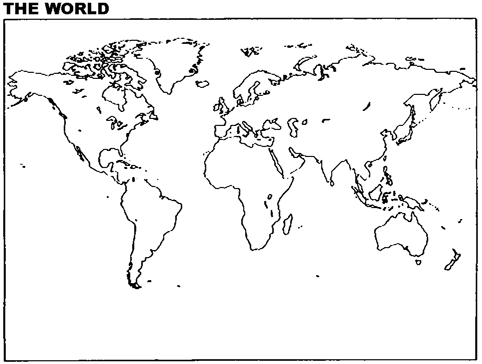
Use arrows to indicate the major imperialist (or expansionist)thrusts of Britain, France, Russia, Germany, and the United States.
Use arrows to indicate the major imperialist (or expansionist)thrusts of Britain, France, Russia, Germany, and the United States.
Question
Question
Question
Question
Instructions: Please use this outline map of the world to answer the question(s). 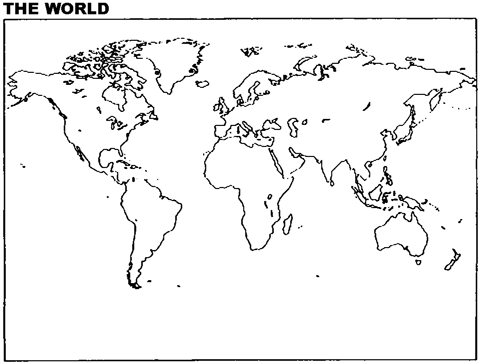
Locate and label the areas associated with the following: Mogul Empire, the Manchu (Qing)dynasty s , Meiji regime, Monroe Doctrine, empire of Maximilian, and Muslim India (Pakistan).
Locate and label the areas associated with the following: Mogul Empire, the Manchu (Qing)dynasty s , Meiji regime, Monroe Doctrine, empire of Maximilian, and Muslim India (Pakistan).
Question
Question
Question
Question
Question
Question
Question
Instructions: Please use this outline map of the world to answer the question(s). 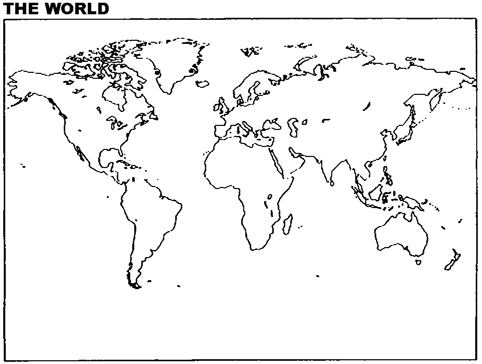
Using arrows, locate and label the area with which each of the following should be associated: the Great Trek; the Opium War; the Amritsar massacre; the "Open Door" policy; the state into which Commodore Matthew Perry's fleet forced entry; Battle of Adowa; and at least one of the sites relating to gunboat diplomacy.
Using arrows, locate and label the area with which each of the following should be associated: the Great Trek; the Opium War; the Amritsar massacre; the "Open Door" policy; the state into which Commodore Matthew Perry's fleet forced entry; Battle of Adowa; and at least one of the sites relating to gunboat diplomacy.
Question
Question
Question
Question
Question
Question
Question
Question

Unlock Deck
Sign up to unlock the cards in this deck!
Unlock Deck
Unlock Deck
1/92

Play

Full screen (f)
Deck 26: Imperialism Western Global Dominance
1
Among the theories to explain the new imperialism, historians have proposed that
A)accelerated economic expansion in the late nineteenth century convinced several European states that new colonies would guarantee sources of raw material and markets for finished goods.
B)slowing European population growth required colonies for countries to continue to prosper.
C)although newly unified states showed no interest in colonies, more established states fueled the desire for colonies.
D)the new imperialism, while important, actually had little impact on contemporary ideas concerning national pride and Great Power status.
E)all of the above
A)accelerated economic expansion in the late nineteenth century convinced several European states that new colonies would guarantee sources of raw material and markets for finished goods.
B)slowing European population growth required colonies for countries to continue to prosper.
C)although newly unified states showed no interest in colonies, more established states fueled the desire for colonies.
D)the new imperialism, while important, actually had little impact on contemporary ideas concerning national pride and Great Power status.
E)all of the above
accelerated economic expansion in the late nineteenth century convinced several European states that new colonies would guarantee sources of raw material and markets for finished goods.
2
The English writer who celebrated the Indian Gunga Din and urged "Take up the White Man's Burden" was
A)E. M. Forster.
B)Olive Schreiner.
C)George Orwell.
D)Joseph Conrad.
E)Rudyard Kipling.
A)E. M. Forster.
B)Olive Schreiner.
C)George Orwell.
D)Joseph Conrad.
E)Rudyard Kipling.
Rudyard Kipling.
3
Mahdi Mohammed Ahmed gained renown for
A)instigating the Sepoy Mutiny.
B)leading the Sudanese against Europeans and Egyptians.
C)negotiating with the Germans for the building of ports.
D)his cooperation with the British in the Sudan.
E)resistance to the Russians in the Caucasus.
A)instigating the Sepoy Mutiny.
B)leading the Sudanese against Europeans and Egyptians.
C)negotiating with the Germans for the building of ports.
D)his cooperation with the British in the Sudan.
E)resistance to the Russians in the Caucasus.
leading the Sudanese against Europeans and Egyptians.
4
The long list of factors contributing to the new imperialism included
A)nationalistic competition among European nations.
B)the Social Darwinist idea that the stronger must conquer.
C)Christian missionary zeal and the secular sense of obligation to share the benefits of Western Civilization with the "savages."
D)a competitive curiosity for exotic places and people.
E)all of the above
A)nationalistic competition among European nations.
B)the Social Darwinist idea that the stronger must conquer.
C)Christian missionary zeal and the secular sense of obligation to share the benefits of Western Civilization with the "savages."
D)a competitive curiosity for exotic places and people.
E)all of the above
Unlock Deck
Unlock for access to all 92 flashcards in this deck.
Unlock Deck
k this deck
5
The justifications for British imperialism offered by Joseph Chamberlain include
A)commercial advantages.
B)the duty of spreading civilization to other peoples.
C)the prosperity provided by Britain to residents in its imperial territories.
D)Britain's delivery of security and peace in its territories abroad.
E)all of the above
A)commercial advantages.
B)the duty of spreading civilization to other peoples.
C)the prosperity provided by Britain to residents in its imperial territories.
D)Britain's delivery of security and peace in its territories abroad.
E)all of the above
Unlock Deck
Unlock for access to all 92 flashcards in this deck.
Unlock Deck
k this deck
6
Strategies for resistance to European imperialism included
A)modernization as in Egypt and Turkey.
B)traditionalist revival and resistance as in China's Boxer Rebellion and the Sudanese holy war against Britain.
C)nationalist resurgence led by India's Gandhi and China's Chiang Kai-shek.
D)migration as in Indochina and Algeria.
E)all of the above
A)modernization as in Egypt and Turkey.
B)traditionalist revival and resistance as in China's Boxer Rebellion and the Sudanese holy war against Britain.
C)nationalist resurgence led by India's Gandhi and China's Chiang Kai-shek.
D)migration as in Indochina and Algeria.
E)all of the above
Unlock Deck
Unlock for access to all 92 flashcards in this deck.
Unlock Deck
k this deck
7
Which of the following statements concerning the new imperialism and colonialism is accurate?
A)The new imperialism occurred before colonialism.
B)Colonialism involved settlement and trade, whereas the new imperialism refers to the domination by a country of the political, economic, or cultural life of another country, region, or people.
C)Some scholars have identified industrialization as the direct cause of colonialism but not of the new imperialism.
D)Both imperialism and colonialism resulted in the massive relocation of European populations to non-European territories.
E)none of the above
A)The new imperialism occurred before colonialism.
B)Colonialism involved settlement and trade, whereas the new imperialism refers to the domination by a country of the political, economic, or cultural life of another country, region, or people.
C)Some scholars have identified industrialization as the direct cause of colonialism but not of the new imperialism.
D)Both imperialism and colonialism resulted in the massive relocation of European populations to non-European territories.
E)none of the above
Unlock Deck
Unlock for access to all 92 flashcards in this deck.
Unlock Deck
k this deck
8
Which statement about the new imperialism is NOT accurate?
A)Within a single generation, European nations laid claim, and made good on their claims, to great expanses of the earth.
B)Neither the United States nor Russia took part in the new imperialism.
C)During the new imperialism, most of Africa was partitioned, China was penetrated, control of India strengthened, and the Ottoman Empire partially dismantled.
D)Though independent, Latin America became heavily dependent on the West.
E)Today's global village is, in part, the result of the new imperialism.
A)Within a single generation, European nations laid claim, and made good on their claims, to great expanses of the earth.
B)Neither the United States nor Russia took part in the new imperialism.
C)During the new imperialism, most of Africa was partitioned, China was penetrated, control of India strengthened, and the Ottoman Empire partially dismantled.
D)Though independent, Latin America became heavily dependent on the West.
E)Today's global village is, in part, the result of the new imperialism.
Unlock Deck
Unlock for access to all 92 flashcards in this deck.
Unlock Deck
k this deck
9
Which area was divided by Russia and Britain into spheres of influence at the turn of the twentieth century?
A)Azerbaijan
B)Persia (Iran)
C)India
D)Korea
E)Turkey
A)Azerbaijan
B)Persia (Iran)
C)India
D)Korea
E)Turkey
Unlock Deck
Unlock for access to all 92 flashcards in this deck.
Unlock Deck
k this deck
10
Among the legacies of new imperialism was continued European domination over most of the world until after
A)World War I.
B)the Great Depression.
C)World War II.
D)the 1960s.
E)the 1980s.
A)World War I.
B)the Great Depression.
C)World War II.
D)the 1960s.
E)the 1980s.
Unlock Deck
Unlock for access to all 92 flashcards in this deck.
Unlock Deck
k this deck
11
In the late nineteenth century, most North American and European investment was in
A)North America and Europe.
B)East Asia and Africa.
C)North America and Asia.
D)South Asia and the Pacific.
E)North and South America.
A)North America and Europe.
B)East Asia and Africa.
C)North America and Asia.
D)South Asia and the Pacific.
E)North and South America.
Unlock Deck
Unlock for access to all 92 flashcards in this deck.
Unlock Deck
k this deck
12
When British merchants arrived in India in the eighteenth century
A)peace had recently been made among the Hindu, Muslim, and Sikh populations.
B)the Muslim e mperor had been waging a holy war that seriously fragmented India.
C)India had been stable and peaceful for centuries despite its religious and social divisions.
D)the Hindu princes were waging an aggressive campaign against the Muslims.
E)southern India was in near revolt against the north.
A)peace had recently been made among the Hindu, Muslim, and Sikh populations.
B)the Muslim e mperor had been waging a holy war that seriously fragmented India.
C)India had been stable and peaceful for centuries despite its religious and social divisions.
D)the Hindu princes were waging an aggressive campaign against the Muslims.
E)southern India was in near revolt against the north.
Unlock Deck
Unlock for access to all 92 flashcards in this deck.
Unlock Deck
k this deck
13
The Mogul Empire is associated with
A)China.
B)India.
C)Japan.
D)Manchuria.
E)Persia.
A)China.
B)India.
C)Japan.
D)Manchuria.
E)Persia.
Unlock Deck
Unlock for access to all 92 flashcards in this deck.
Unlock Deck
k this deck
14
For several hundred years after the Europeans arrived in Asia
A)European nations were the stronger parties in trading connections.
B)European craftspeople produced superior goods.
C)Europeans were sellers, and Asians were buyers.
D)Europeans were dependent on the goodwill and interest of the rulers and traders.
E)all of the above
A)European nations were the stronger parties in trading connections.
B)European craftspeople produced superior goods.
C)Europeans were sellers, and Asians were buyers.
D)Europeans were dependent on the goodwill and interest of the rulers and traders.
E)all of the above
Unlock Deck
Unlock for access to all 92 flashcards in this deck.
Unlock Deck
k this deck
15
Lenin believed each of the following EXCEPT
A)highly advanced capitalist countries were innately imperialistic.
B)capitalists were convinced that exploitation of less-developed areas of the world was necessary to keep maintain profits and wages in the homeland.
C)since imperialism wasted resources, it retarded the growth of capitalism.
D)business interests pushed governments to safeguard their profits.
E)imperialism would lead the Great Powers to war.
A)highly advanced capitalist countries were innately imperialistic.
B)capitalists were convinced that exploitation of less-developed areas of the world was necessary to keep maintain profits and wages in the homeland.
C)since imperialism wasted resources, it retarded the growth of capitalism.
D)business interests pushed governments to safeguard their profits.
E)imperialism would lead the Great Powers to war.
Unlock Deck
Unlock for access to all 92 flashcards in this deck.
Unlock Deck
k this deck
16
Advantages of the new global economy in the late 1800s included all the following EXCEPT
A)the ability of smaller, poorer European states to gain access to much-needed resources and markets.
B)working class and peasant access to luxury goods that were once available only to the privileged.
C)underdeveloped areas in the world gained access to European markets and goods.
D)the global economy evened out economic fluctuations thus preventing local depressions.
E)new technologies were made available around the world and foreign products became available in the West.
A)the ability of smaller, poorer European states to gain access to much-needed resources and markets.
B)working class and peasant access to luxury goods that were once available only to the privileged.
C)underdeveloped areas in the world gained access to European markets and goods.
D)the global economy evened out economic fluctuations thus preventing local depressions.
E)new technologies were made available around the world and foreign products became available in the West.
Unlock Deck
Unlock for access to all 92 flashcards in this deck.
Unlock Deck
k this deck
17
In the decades before the new imperialism
A)the Caribbean sugar trade and the output of Central and South American mines declined.
B)advocates of free trade argued that commerce was more profitable than new colonial expansion.
C)industrialization in Europe drew more countries from around the world into the European commercial system.
D)Western ideas and technology continued to spread even without the expansion of political empires.
E)all of the above
A)the Caribbean sugar trade and the output of Central and South American mines declined.
B)advocates of free trade argued that commerce was more profitable than new colonial expansion.
C)industrialization in Europe drew more countries from around the world into the European commercial system.
D)Western ideas and technology continued to spread even without the expansion of political empires.
E)all of the above
Unlock Deck
Unlock for access to all 92 flashcards in this deck.
Unlock Deck
k this deck
18
Extraterritoriality refers to
A)the ability of non-Westerners to gain citizenship in European states.
B)commercial contracts benefiting Europeans made abroad.
C)European religious practices in imperial territories.
D)the right of Europeans to trial by their own laws in foreign countries.
E)the policy of sending non-Westerners to Europe for legal or medical education.
A)the ability of non-Westerners to gain citizenship in European states.
B)commercial contracts benefiting Europeans made abroad.
C)European religious practices in imperial territories.
D)the right of Europeans to trial by their own laws in foreign countries.
E)the policy of sending non-Westerners to Europe for legal or medical education.
Unlock Deck
Unlock for access to all 92 flashcards in this deck.
Unlock Deck
k this deck
19
Non-Western countries that remained independent during the new i mperialism and beyond included
A)India and Egypt.
B)Ethiopia.
C)India and Ethiopia.
D)the Philippines and Japan.
E)Algeria and Persia.
A)India and Egypt.
B)Ethiopia.
C)India and Ethiopia.
D)the Philippines and Japan.
E)Algeria and Persia.
Unlock Deck
Unlock for access to all 92 flashcards in this deck.
Unlock Deck
k this deck
20
Historians would agree with each of the following statements EXCEPT
A)most colonies proved to be profitable investments for the mother country.
B)hesitant governments were sometimes encouraged in the new imperialism by industrial leaders.
C)areas Europeans sought to dominate in the new imperialism were often less profitable than they had imagined.
D)less emigration from Europe to the colonies occurred than proponents of colonial development had hoped.
E)colonies brought the mother country intangible benefits that far outweighed the costs of administration.
A)most colonies proved to be profitable investments for the mother country.
B)hesitant governments were sometimes encouraged in the new imperialism by industrial leaders.
C)areas Europeans sought to dominate in the new imperialism were often less profitable than they had imagined.
D)less emigration from Europe to the colonies occurred than proponents of colonial development had hoped.
E)colonies brought the mother country intangible benefits that far outweighed the costs of administration.
Unlock Deck
Unlock for access to all 92 flashcards in this deck.
Unlock Deck
k this deck
21
During World War I, Japan
A)maintained neutrality.
B)provided extensive aid to the Central Powers.
C)fought on the Allied side.
D)fought with the Central Powers.
E)expanded into China.
A)maintained neutrality.
B)provided extensive aid to the Central Powers.
C)fought on the Allied side.
D)fought with the Central Powers.
E)expanded into China.
Unlock Deck
Unlock for access to all 92 flashcards in this deck.
Unlock Deck
k this deck
22
European states and the United States exacted concessions from China and penetrated deeper into its territory and economy after each of the following EXCEPT the
A)Treaty of Nanking (1842)that ended the Opium War of 1839-1842.
B)Taiping Rebellion (1850-1864), a revolt against the Chinese emperor.
C)Sino-Japanese War (1894-1895)that brought an easy Japanese victory.
D)Russo-Japanese War (1904-1905)that brought a Japanese victory.
E)revolt of the Society of Righteous and Harmonious Fists (1900)directed against foreigners.
A)Treaty of Nanking (1842)that ended the Opium War of 1839-1842.
B)Taiping Rebellion (1850-1864), a revolt against the Chinese emperor.
C)Sino-Japanese War (1894-1895)that brought an easy Japanese victory.
D)Russo-Japanese War (1904-1905)that brought a Japanese victory.
E)revolt of the Society of Righteous and Harmonious Fists (1900)directed against foreigners.
Unlock Deck
Unlock for access to all 92 flashcards in this deck.
Unlock Deck
k this deck
23
Under the leadership of Kemal Atatürk, Turkey
A)ceded its Arab territories but remained the spiritual leader of the Muslim world.
B)became the first Islamic state in the modern world.
C)drove the Allies from Anatolia and became a staunchly secular, modern republic.
D)became a successful secular state with its capital in Constantinople, renamed Istanbul.
E)restored the Ottoman Empire, which had briefly been dissolved after World War I.
A)ceded its Arab territories but remained the spiritual leader of the Muslim world.
B)became the first Islamic state in the modern world.
C)drove the Allies from Anatolia and became a staunchly secular, modern republic.
D)became a successful secular state with its capital in Constantinople, renamed Istanbul.
E)restored the Ottoman Empire, which had briefly been dissolved after World War I.
Unlock Deck
Unlock for access to all 92 flashcards in this deck.
Unlock Deck
k this deck
24
During World War I, the Ottoman Empire
A)rebuilt its empire in the Balkans.
B)joined Germany and its allies (the Central Powers).
C)remained neutral until the last days of the war.
D)joined the Allies.
E)underwent a major revolution.
A)rebuilt its empire in the Balkans.
B)joined Germany and its allies (the Central Powers).
C)remained neutral until the last days of the war.
D)joined the Allies.
E)underwent a major revolution.
Unlock Deck
Unlock for access to all 92 flashcards in this deck.
Unlock Deck
k this deck
25
A characteristic of the period of British rule over India was that
A)the Indian elite resented the British disdain for their culture.
B)the Congress Party conceded that the demand for home rule would be fruitless.
C)British industries gave employment to native Indians.
D)there was improvement in the economic situation of the lower classes.
E)traditional economic and social arrangements were unaffected.
A)the Indian elite resented the British disdain for their culture.
B)the Congress Party conceded that the demand for home rule would be fruitless.
C)British industries gave employment to native Indians.
D)there was improvement in the economic situation of the lower classes.
E)traditional economic and social arrangements were unaffected.
Unlock Deck
Unlock for access to all 92 flashcards in this deck.
Unlock Deck
k this deck
26
In a little over a generation, Japan become one of the top ten industrial nations by
A)visiting Western factories and hiring Western experts.
B)massive private rather than government investment in transportation, communications, and heavy industry.
C)encouraging a value system that emphasized individualism rather than cooperation and paternalism.
D)exploiting the antagonistic relationship between the government and powerful families.
E)adopting samurai values of honor and extreme competition.
A)visiting Western factories and hiring Western experts.
B)massive private rather than government investment in transportation, communications, and heavy industry.
C)encouraging a value system that emphasized individualism rather than cooperation and paternalism.
D)exploiting the antagonistic relationship between the government and powerful families.
E)adopting samurai values of honor and extreme competition.
Unlock Deck
Unlock for access to all 92 flashcards in this deck.
Unlock Deck
k this deck
27
In an effort to modernize and compete with Western powers, Japan adopted a constitution modeled on that of
A)Bismarck's Germany.
B)the Third Republic.
C)the United States.
D)Great Britain.
E)Russian autocracy.
A)Bismarck's Germany.
B)the Third Republic.
C)the United States.
D)Great Britain.
E)Russian autocracy.
Unlock Deck
Unlock for access to all 92 flashcards in this deck.
Unlock Deck
k this deck
28
Which of the following statements is NOT accurate?
A)Gandhi believed self-discipline, peaceful civil disobedience, and boycotts were the way to defeat the British.
B)Gandhi practiced hunger strikes and combined a spiritually uplifting message with shrewd political tactics.
C)Gandhi's leadership helped to prevent the partition of India between Muslims and Hindus.
D)Indian independence from Britain came soon after World War II.
E)When India gained independence, massacres occurred between Hindus and Muslims and the country was split.
A)Gandhi believed self-discipline, peaceful civil disobedience, and boycotts were the way to defeat the British.
B)Gandhi practiced hunger strikes and combined a spiritually uplifting message with shrewd political tactics.
C)Gandhi's leadership helped to prevent the partition of India between Muslims and Hindus.
D)Indian independence from Britain came soon after World War II.
E)When India gained independence, massacres occurred between Hindus and Muslims and the country was split.
Unlock Deck
Unlock for access to all 92 flashcards in this deck.
Unlock Deck
k this deck
29
The Sepoy Mutiny of 1857-1858 refers to the
A)Chinese revolt against forced British imports of opium into China.
B)samurai rebellion that brought about the Meiji Restoration in Japan.
C)massive Indian revolt that led to direct British control of two-thirds of the continent.
D)resistance against French imperialism in Indo-China.
E)none of the above
A)Chinese revolt against forced British imports of opium into China.
B)samurai rebellion that brought about the Meiji Restoration in Japan.
C)massive Indian revolt that led to direct British control of two-thirds of the continent.
D)resistance against French imperialism in Indo-China.
E)none of the above
Unlock Deck
Unlock for access to all 92 flashcards in this deck.
Unlock Deck
k this deck
30
What was the fate of the Manchu dynasty?
A)The Manchu were deposed by European states and the American "Open Door" policy.
B)Under increasing foreign and domestic pressure, the Manchu convened a Congress, the Serene Gathering of the Middle Kingdom, to determine China's fate.
C)The Manchu were overthrown by Chinese nationalists led by Sun Zhongshan.
D)The Japanese deposed the Manchus during the Japanese conquest of Manchuria.
E)The Manchu lasted until the Communist victory in 1949 led by Mao Zedong.
A)The Manchu were deposed by European states and the American "Open Door" policy.
B)Under increasing foreign and domestic pressure, the Manchu convened a Congress, the Serene Gathering of the Middle Kingdom, to determine China's fate.
C)The Manchu were overthrown by Chinese nationalists led by Sun Zhongshan.
D)The Japanese deposed the Manchus during the Japanese conquest of Manchuria.
E)The Manchu lasted until the Communist victory in 1949 led by Mao Zedong.
Unlock Deck
Unlock for access to all 92 flashcards in this deck.
Unlock Deck
k this deck
31
The reforms of the Meiji Restoration included all of the following EXCEPT
A)making all classes equal before the law.
B)universal military service.
C)the establishment of a bicameral parliament.
D)a dramatic reduction in power for the emperor.
E)the creation of highly centralized state.
A)making all classes equal before the law.
B)universal military service.
C)the establishment of a bicameral parliament.
D)a dramatic reduction in power for the emperor.
E)the creation of highly centralized state.
Unlock Deck
Unlock for access to all 92 flashcards in this deck.
Unlock Deck
k this deck
32
Gandhi's political tactics in India's struggle for independence included
A)marches.
B)boycotts.
C)passive resistance.
D)hunger strikes.
E)all of the above
A)marches.
B)boycotts.
C)passive resistance.
D)hunger strikes.
E)all of the above
Unlock Deck
Unlock for access to all 92 flashcards in this deck.
Unlock Deck
k this deck
33
In the 1880s, the Indian National Congress
A)won from Britain the power to make laws in India.
B)had a membership of predominantly middle-class Muslims.
C)sought home rule within the British empire.
D)organized the Amritsar massacre.
E)was ignored by educated Indians.
A)won from Britain the power to make laws in India.
B)had a membership of predominantly middle-class Muslims.
C)sought home rule within the British empire.
D)organized the Amritsar massacre.
E)was ignored by educated Indians.
Unlock Deck
Unlock for access to all 92 flashcards in this deck.
Unlock Deck
k this deck
34
Which of the following was known as the "Sick Man of Europe"?
A)Serbia
B)the Ottoman Empire
C)Russia
D)the Hapsburg Monarchy
E)Spain
A)Serbia
B)the Ottoman Empire
C)Russia
D)the Hapsburg Monarchy
E)Spain
Unlock Deck
Unlock for access to all 92 flashcards in this deck.
Unlock Deck
k this deck
35
In 1917, the Balfour Declaration promised
A)Jews a place in Palestine.
B)Japan territory in mainland China.
C)Italy vast imperial lands in Africa.
D)China land in Korea.
E)all of the above
A)Jews a place in Palestine.
B)Japan territory in mainland China.
C)Italy vast imperial lands in Africa.
D)China land in Korea.
E)all of the above
Unlock Deck
Unlock for access to all 92 flashcards in this deck.
Unlock Deck
k this deck
36
The Qing emperor relied on Westerners to suppress rebels in the
A)Sepoy Mutiny.
B)Taiping Rebellion.
C)Opium War.
D)Sino-Japanese War.
E)Amritsar massacre.
A)Sepoy Mutiny.
B)Taiping Rebellion.
C)Opium War.
D)Sino-Japanese War.
E)Amritsar massacre.
Unlock Deck
Unlock for access to all 92 flashcards in this deck.
Unlock Deck
k this deck
37
In 1904, the Japanese won a stunning victory over
A)Manchuria.
B)China.
C)Korea.
D)Russia.
E)Britain.
A)Manchuria.
B)China.
C)Korea.
D)Russia.
E)Britain.
Unlock Deck
Unlock for access to all 92 flashcards in this deck.
Unlock Deck
k this deck
38
What caused the Meiji Restoration of 1867?
A)Commodore Perry's show of force in Tokyo Bay
B)an aristocratic revolt against the Japanese emperor
C)the samurai seizure of the Japanese government to preserve Japan's independence
D)a revolt of the merchant class, which benefitted greatly from the new trade with the outside world
E)a religious uprising to protest Christianity
A)Commodore Perry's show of force in Tokyo Bay
B)an aristocratic revolt against the Japanese emperor
C)the samurai seizure of the Japanese government to preserve Japan's independence
D)a revolt of the merchant class, which benefitted greatly from the new trade with the outside world
E)a religious uprising to protest Christianity
Unlock Deck
Unlock for access to all 92 flashcards in this deck.
Unlock Deck
k this deck
39
China was forced to open its ports to trade with the West as a result of the
A)Taiping Rebellion.
B)White Lotus Rebellion.
C)Boxer Rebellion.
D)Opium War.
E)Sino-French War.
A)Taiping Rebellion.
B)White Lotus Rebellion.
C)Boxer Rebellion.
D)Opium War.
E)Sino-French War.
Unlock Deck
Unlock for access to all 92 flashcards in this deck.
Unlock Deck
k this deck
40
British rule in India brought all the following EXCEPT
A)a powerful state with a single system of law, administration, and language.
B)an English educated elite and an end to centuries of war and disorder.
C)modern railroad and communications systems.
D)improvement in public health, sanitation, water and flood control, and reliability of the food supply.
E)great economic benefits to the Indian masses.
A)a powerful state with a single system of law, administration, and language.
B)an English educated elite and an end to centuries of war and disorder.
C)modern railroad and communications systems.
D)improvement in public health, sanitation, water and flood control, and reliability of the food supply.
E)great economic benefits to the Indian masses.
Unlock Deck
Unlock for access to all 92 flashcards in this deck.
Unlock Deck
k this deck
41
The largest portion U.S. foreign investment in the early 1920s went to which of the following?
A)Canada
B)Europe
C)Africa
D)Asia
E)Latin America
A)Canada
B)Europe
C)Africa
D)Asia
E)Latin America
Unlock Deck
Unlock for access to all 92 flashcards in this deck.
Unlock Deck
k this deck
42
Instructions: Please define the following key terms. Show Who? What? Where? When? Why Important?
colonialism
colonialism
Unlock Deck
Unlock for access to all 92 flashcards in this deck.
Unlock Deck
k this deck
43
Which of the following best describes the end of European colonial empires? The end of European colonial empires came
A)mainly from the desire of the subject populations to be free.
B)when the European states had exhausted themselves in two World Wars and were unable to hold onto their empires.
C)when European colonial powers realized that their principle of national self-determination and basic human rights applied to others as well as Europeans.
D)when communist movements throughout the world expelled European imperialists.
E)when the United Nations pressured imperial powers to grant their colonies independence.
A)mainly from the desire of the subject populations to be free.
B)when the European states had exhausted themselves in two World Wars and were unable to hold onto their empires.
C)when European colonial powers realized that their principle of national self-determination and basic human rights applied to others as well as Europeans.
D)when communist movements throughout the world expelled European imperialists.
E)when the United Nations pressured imperial powers to grant their colonies independence.
Unlock Deck
Unlock for access to all 92 flashcards in this deck.
Unlock Deck
k this deck
44
The new imperialism in Africa
A)began with European countries controlling 50 percent of the continent in 1880 and all but two areas (Ethiopia and Liberia)in 1914.
B)began with the ambitious plan of Germany for the conquest and exploitation of the Congo.
C)threatened stability in Europe and nearly led to war between European powers.
D)focused entirely on the expansion of Christianity rather than economic exploitation.
E)all of the above
A)began with European countries controlling 50 percent of the continent in 1880 and all but two areas (Ethiopia and Liberia)in 1914.
B)began with the ambitious plan of Germany for the conquest and exploitation of the Congo.
C)threatened stability in Europe and nearly led to war between European powers.
D)focused entirely on the expansion of Christianity rather than economic exploitation.
E)all of the above
Unlock Deck
Unlock for access to all 92 flashcards in this deck.
Unlock Deck
k this deck
45
The greatest exception to the pattern of European conquest in Africa was the
A)defeat of British-led forces at Khartoum in the Sudan.
B)defeat of the Italians by the Ethiopians at the Battle of Adowa.
C)clash of the British and the French at Fashoda.
D)building of the Suez Canal.
E)battle of Omdurman.
A)defeat of British-led forces at Khartoum in the Sudan.
B)defeat of the Italians by the Ethiopians at the Battle of Adowa.
C)clash of the British and the French at Fashoda.
D)building of the Suez Canal.
E)battle of Omdurman.
Unlock Deck
Unlock for access to all 92 flashcards in this deck.
Unlock Deck
k this deck
46
U.S. marines occupied which of the following mainly to protect U.S. business interests?
A)Haiti
B)the Dominican Republic
C)Nicaragua
D)the port of Veracruz
E)all of the above
A)Haiti
B)the Dominican Republic
C)Nicaragua
D)the port of Veracruz
E)all of the above
Unlock Deck
Unlock for access to all 92 flashcards in this deck.
Unlock Deck
k this deck
47
Slavery was the central part of Europe's relations with Africa since the age of exploration. During the new imperialism
A)slavery was still being practiced during the early part of the period by the African themselves and Arab merchants.
B)the Atlantic slave trade had long been halted, and the Berlin Conference declared an end to slavery in Africa.
C)Liberia has been established in western Africa as a homeland for freed slaves from the United States.
D)capitalist enterprises like those of King Leopold of Belgium practiced de facto slavery.
E)all of the above
A)slavery was still being practiced during the early part of the period by the African themselves and Arab merchants.
B)the Atlantic slave trade had long been halted, and the Berlin Conference declared an end to slavery in Africa.
C)Liberia has been established in western Africa as a homeland for freed slaves from the United States.
D)capitalist enterprises like those of King Leopold of Belgium practiced de facto slavery.
E)all of the above
Unlock Deck
Unlock for access to all 92 flashcards in this deck.
Unlock Deck
k this deck
48
Britain's increasing presence in Egypt in the later nineteenth centur
A)ended with the creation of the Suez Canal.
B)was designed to weaken the power of the khedive.
C)had Prime Minister William Gladstone as its chief proponent and architect.
D)created political and cultural unity among the Egyptians.
E)prompted violent resentment against the British.
A)ended with the creation of the Suez Canal.
B)was designed to weaken the power of the khedive.
C)had Prime Minister William Gladstone as its chief proponent and architect.
D)created political and cultural unity among the Egyptians.
E)prompted violent resentment against the British.
Unlock Deck
Unlock for access to all 92 flashcards in this deck.
Unlock Deck
k this deck
49
From the Revolutionary period to the First World War, British and United States policy toward Latin American countries included all the following EXCEPT
A)encouragement to win their initial independence from Spain.
B)guarantees and aid to prevent the reestablishment of Spanish rule after the defeat of Napoleon.
C)the fostering of democracy and just treatment of the native populations.
D)the limitation of business initiatives in Latin America by other nations.
E)"dollar diplomacy" and more direct military intervention by the United States in the Caribbean and Central America.
A)encouragement to win their initial independence from Spain.
B)guarantees and aid to prevent the reestablishment of Spanish rule after the defeat of Napoleon.
C)the fostering of democracy and just treatment of the native populations.
D)the limitation of business initiatives in Latin America by other nations.
E)"dollar diplomacy" and more direct military intervention by the United States in the Caribbean and Central America.
Unlock Deck
Unlock for access to all 92 flashcards in this deck.
Unlock Deck
k this deck
50
The Great Trek refers to the
A)logistical difficulties of building the Suez Canal.
B)assignment of British troops to Khartoum.
C)movement of the Boers away from the Cape Town area.
D)journey of American pioneers across the Great Plains.
E)epic march of Mao Zedong and the Communists across China.
A)logistical difficulties of building the Suez Canal.
B)assignment of British troops to Khartoum.
C)movement of the Boers away from the Cape Town area.
D)journey of American pioneers across the Great Plains.
E)epic march of Mao Zedong and the Communists across China.
Unlock Deck
Unlock for access to all 92 flashcards in this deck.
Unlock Deck
k this deck
51
Instructions: Please define the following key terms. Show Who? What? Where? When? Why Important?
new imperialism
new imperialism
Unlock Deck
Unlock for access to all 92 flashcards in this deck.
Unlock Deck
k this deck
52
In the rivalry between Great Britain and Russia in Asia
A)Britain was concerned about Russian expansion southward toward India.
B)Russia borrowed money to lend funds to Persia for railroad construction.
C)alarmed by German expansionism elsewhere, Britain and Russia came to an understanding about Afghanistan, which separated Russian controlled Central Asia from British controlled India.
D)Britain and Russia agreed on spheres of influence in Persia.
E)all of the above
A)Britain was concerned about Russian expansion southward toward India.
B)Russia borrowed money to lend funds to Persia for railroad construction.
C)alarmed by German expansionism elsewhere, Britain and Russia came to an understanding about Afghanistan, which separated Russian controlled Central Asia from British controlled India.
D)Britain and Russia agreed on spheres of influence in Persia.
E)all of the above
Unlock Deck
Unlock for access to all 92 flashcards in this deck.
Unlock Deck
k this deck
53
Instructions: Please define the following key terms. Show Who? What? Where? When? Why Important?
"White Man's Burden"
"White Man's Burden"
Unlock Deck
Unlock for access to all 92 flashcards in this deck.
Unlock Deck
k this deck
54
The Asian territory's ability to play France and Britain against each other to preserve some territorial integrity was
A)Indochina.
B)Siam.
C)Indonesia.
D)Burma.
E)Tibet.
A)Indochina.
B)Siam.
C)Indonesia.
D)Burma.
E)Tibet.
Unlock Deck
Unlock for access to all 92 flashcards in this deck.
Unlock Deck
k this deck
55
Which of the following is NOT true about the Boer War?
A)The British invaded a fellow European people, the Dutch Boers, who decades earlier had fled deeper into Africa to avoid British rule.
B)The British demonstrated the superiority of their humanitarian tradition by their humane treatment of Boer prisoners.
C)A small population of farmers, descendent from the Dutch, held back the British empire for a number of years.
D)The war ruined the British image abroad and roused hysterical nationalism at home.
E)The war resulted in the creation of the Union of South Africa.
A)The British invaded a fellow European people, the Dutch Boers, who decades earlier had fled deeper into Africa to avoid British rule.
B)The British demonstrated the superiority of their humanitarian tradition by their humane treatment of Boer prisoners.
C)A small population of farmers, descendent from the Dutch, held back the British empire for a number of years.
D)The war ruined the British image abroad and roused hysterical nationalism at home.
E)The war resulted in the creation of the Union of South Africa.
Unlock Deck
Unlock for access to all 92 flashcards in this deck.
Unlock Deck
k this deck
56
Which Latin American countries became new, primarily immigrant nations like the United States?
A)Argentina and Mexico
B)Mexico and Colombia
C)Argentina, Chile, and Brazil
D)Mexico, Peru, and Columbia
E)none of the above
A)Argentina and Mexico
B)Mexico and Colombia
C)Argentina, Chile, and Brazil
D)Mexico, Peru, and Columbia
E)none of the above
Unlock Deck
Unlock for access to all 92 flashcards in this deck.
Unlock Deck
k this deck
57
Instructions: Please define the following key terms. Show Who? What? Where? When? Why Important?
militarism
militarism
Unlock Deck
Unlock for access to all 92 flashcards in this deck.
Unlock Deck
k this deck
58
Imperialism in Latin America usually followed which of the following forms?
A)threats from foreign powers
B)direct control by European states
C)a mixture of annexation and threats
D)heavy economic investment by Europeans and Americans
E)the French invasion of Mexico in 1867
A)threats from foreign powers
B)direct control by European states
C)a mixture of annexation and threats
D)heavy economic investment by Europeans and Americans
E)the French invasion of Mexico in 1867
Unlock Deck
Unlock for access to all 92 flashcards in this deck.
Unlock Deck
k this deck
59
Western imperialism
A)has left a legacy of deep animosity toward imperialists in the countries of Africa, Asia, and Latin America.
B)has ended, but Western economic and cultural domination persists.
C)sparked fundamentalism or traditionalism as a force opposing Western influence.
D)left much of the world suffering from insufficient capital, unskilled leaders, and unstable governments, problems that continue today.
E)all of the above
A)has left a legacy of deep animosity toward imperialists in the countries of Africa, Asia, and Latin America.
B)has ended, but Western economic and cultural domination persists.
C)sparked fundamentalism or traditionalism as a force opposing Western influence.
D)left much of the world suffering from insufficient capital, unskilled leaders, and unstable governments, problems that continue today.
E)all of the above
Unlock Deck
Unlock for access to all 92 flashcards in this deck.
Unlock Deck
k this deck
60
All of the following is true about the French and Indochina EXCEPT
A)France fought China in the 1880s to acquire what today is Vietnam, Laos, and Cambodia.
B)the French parliament disapproved of the conquest and threw out the government responsible for it.
C)France used Indochina to expand into Siam (Thailand).
D)Indochina and France conducted very little trade.
E)France as a whole was indifferent to events in Indochina.
A)France fought China in the 1880s to acquire what today is Vietnam, Laos, and Cambodia.
B)the French parliament disapproved of the conquest and threw out the government responsible for it.
C)France used Indochina to expand into Siam (Thailand).
D)Indochina and France conducted very little trade.
E)France as a whole was indifferent to events in Indochina.
Unlock Deck
Unlock for access to all 92 flashcards in this deck.
Unlock Deck
k this deck
61
Instructions: Please use this outline map of the world to answer the question(s).
Use arrows to indicate the major imperialist (or expansionist)thrusts of Britain, France, Russia, Germany, and the United States.
Use arrows to indicate the major imperialist (or expansionist)thrusts of Britain, France, Russia, Germany, and the United States.
Unlock Deck
Unlock for access to all 92 flashcards in this deck.
Unlock Deck
k this deck
62
Instructions: Please define the following key terms. Show Who? What? Where? When? Why Important?
Great Trek
Great Trek
Unlock Deck
Unlock for access to all 92 flashcards in this deck.
Unlock Deck
k this deck
63
Instructions: Please define the following key terms. Show Who? What? Where? When? Why Important?
Sepoy Mutiny
Sepoy Mutiny
Unlock Deck
Unlock for access to all 92 flashcards in this deck.
Unlock Deck
k this deck
64
Instructions: Please define the following key terms. Show Who? What? Where? When? Why Important?
Manchu (Qing)dynasty
Manchu (Qing)dynasty
Unlock Deck
Unlock for access to all 92 flashcards in this deck.
Unlock Deck
k this deck
65
Instructions: Please use this outline map of the world to answer the question(s).
Locate and label the areas associated with the following: Mogul Empire, the Manchu (Qing)dynasty s , Meiji regime, Monroe Doctrine, empire of Maximilian, and Muslim India (Pakistan).
Locate and label the areas associated with the following: Mogul Empire, the Manchu (Qing)dynasty s , Meiji regime, Monroe Doctrine, empire of Maximilian, and Muslim India (Pakistan).
Unlock Deck
Unlock for access to all 92 flashcards in this deck.
Unlock Deck
k this deck
66
Instructions: Please define the following key terms. Show Who? What? Where? When? Why Important?
"dollar diplomacy"
"dollar diplomacy"
Unlock Deck
Unlock for access to all 92 flashcards in this deck.
Unlock Deck
k this deck
67
Instructions: Please define the following key terms. Show Who? What? Where? When? Why Important?
Monroe Doctrine
Monroe Doctrine
Unlock Deck
Unlock for access to all 92 flashcards in this deck.
Unlock Deck
k this deck
68
Instructions: Please define the following key terms. Show Who? What? Where? When? Why Important?
"gunboat diplomacy"
"gunboat diplomacy"
Unlock Deck
Unlock for access to all 92 flashcards in this deck.
Unlock Deck
k this deck
69
Instructions: Please define the following key terms. Show Who? What? Where? When? Why Important?
"Open Door"
"Open Door"
Unlock Deck
Unlock for access to all 92 flashcards in this deck.
Unlock Deck
k this deck
70
Instructions: Please define the following key terms. Show Who? What? Where? When? Why Important?
khedives
khedives
Unlock Deck
Unlock for access to all 92 flashcards in this deck.
Unlock Deck
k this deck
71
Instructions: Please define the following key terms. Show Who? What? Where? When? Why Important?
zaibatsu
zaibatsu
Unlock Deck
Unlock for access to all 92 flashcards in this deck.
Unlock Deck
k this deck
72
Instructions: Please use this outline map of the world to answer the question(s).
Using arrows, locate and label the area with which each of the following should be associated: the Great Trek; the Opium War; the Amritsar massacre; the "Open Door" policy; the state into which Commodore Matthew Perry's fleet forced entry; Battle of Adowa; and at least one of the sites relating to gunboat diplomacy.
Using arrows, locate and label the area with which each of the following should be associated: the Great Trek; the Opium War; the Amritsar massacre; the "Open Door" policy; the state into which Commodore Matthew Perry's fleet forced entry; Battle of Adowa; and at least one of the sites relating to gunboat diplomacy.
Unlock Deck
Unlock for access to all 92 flashcards in this deck.
Unlock Deck
k this deck
73
Instructions: Please define the following key terms. Show Who? What? Where? When? Why Important?
Siam
Siam
Unlock Deck
Unlock for access to all 92 flashcards in this deck.
Unlock Deck
k this deck
74
Instructions: Please define the following key terms. Show Who? What? Where? When? Why Important?
Adowa
Adowa
Unlock Deck
Unlock for access to all 92 flashcards in this deck.
Unlock Deck
k this deck
75
Instructions: Please define the following key terms. Show Who? What? Where? When? Why Important?
extraterritoriality
extraterritoriality
Unlock Deck
Unlock for access to all 92 flashcards in this deck.
Unlock Deck
k this deck
76
Instructions: Please define the following key terms. Show Who? What? Where? When? Why Important?
Boers
Boers
Unlock Deck
Unlock for access to all 92 flashcards in this deck.
Unlock Deck
k this deck
77
Instructions: Please define the following key terms. Show Who? What? Where? When? Why Important?
Amritsar massacre
Amritsar massacre
Unlock Deck
Unlock for access to all 92 flashcards in this deck.
Unlock Deck
k this deck
78
Instructions: Please define the following key terms. Show Who? What? Where? When? Why Important?
Afrikaans
Afrikaans
Unlock Deck
Unlock for access to all 92 flashcards in this deck.
Unlock Deck
k this deck
79
Instructions: Please define the following key terms. Show Who? What? Where? When? Why Important?
Mahdi
Mahdi
Unlock Deck
Unlock for access to all 92 flashcards in this deck.
Unlock Deck
k this deck
80
Instructions: Please define the following key terms. Show Who? What? Where? When? Why Important?
Meiji Restoration
Meiji Restoration
Unlock Deck
Unlock for access to all 92 flashcards in this deck.
Unlock Deck
k this deck
Unlock Deck
Unlock for access to all 92 flashcards in this deck.






