







 Chat with AI

Deck 15: Drug Delivery to the Cns: Breaking Down the Barrier
Full screen (f)

Question

Question
Question
Question
Question
Question
Question
Question
Question
Question
Question
Question
Question
Question
Question
Question
Question
Question
Question
Question
Question
Question
Question
Question
Question
Question
Question
Question
Question
Question
Question
Question
Question
Question
Question
Question
Question
Question
Question
Question
Question
Question
Question
Question
Question
Question
Question
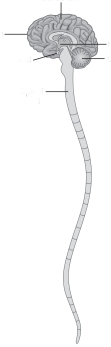
Fill in the blanks in the illustration of the central nervous system below.
Question
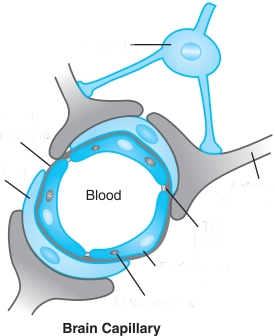
Label the figure below showing a cross-section of a brain capillary,which represents the structure of the blood- brain barrier (BBB). The BBB does not represent a distinct organ but rather is a functional concept.
Question
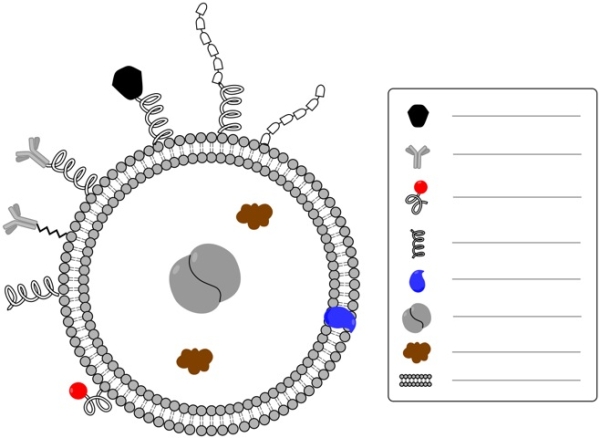
Add labels to the figure below. Liposomes as a novel colloidal drug delivery system. Liposomes can be tailor designed to adopt diverse grafting strategies on their surfaces or modifications within the liposomal composition to provide tissue specificity and targetability
Question
Question
Question
Question
Question
Question
Question
Question

Unlock Deck
Sign up to unlock the cards in this deck!
Unlock Deck
Unlock Deck
1/57

Play

Full screen (f)
Deck 15: Drug Delivery to the Cns: Breaking Down the Barrier
1
_______________ circulates within the cavities of the CNS between two meningeal layers,the pia matter and the arachnoid.
A) The Blood
B) The amniotic fluid
C) The cerebrospinal fluid
D) The pleural fluid
A) The Blood
B) The amniotic fluid
C) The cerebrospinal fluid
D) The pleural fluid
C
2
A fatty material called __________ coats nerve cells to insulate them and to facilitate rapid communication.
A) eyosin
B) myelin
C) ergosterol
D) structured triacylglycerols
A) eyosin
B) myelin
C) ergosterol
D) structured triacylglycerols
B
3
The ________________ restricts the passive diffusion of hydrophilic and charged compounds from inside the capillary into brain. It has a unique anatomical structure compared to other blood vessels.
A) Blood cerebrospinal fluid barrier
B) Phospholipid bilayer structure
C) Efflux transport proteins system
D) Blood brain barrier (BBB)
A) Blood cerebrospinal fluid barrier
B) Phospholipid bilayer structure
C) Efflux transport proteins system
D) Blood brain barrier (BBB)
D
4
The brain capillaries generally have _________.
A) high pinocytic activity
B) a lack of fenestration
C) low transendothelial electrical resistance
D) moderate paracellular diffusion
A) high pinocytic activity
B) a lack of fenestration
C) low transendothelial electrical resistance
D) moderate paracellular diffusion
Unlock Deck
Unlock for access to all 57 flashcards in this deck.
Unlock Deck
k this deck
5
Factors limiting drug penetration into the brain include:
A) efflux transport proteins
B) tight junction protein complexes
C) enzymatic proteins
D) All of the above
A) efflux transport proteins
B) tight junction protein complexes
C) enzymatic proteins
D) All of the above
Unlock Deck
Unlock for access to all 57 flashcards in this deck.
Unlock Deck
k this deck
6
Occludin,claudins and intercellular junctional adhesion molecules are the main building blocks of _____________.
A) efflux transport proteins
B) tight junction protein complexes
C) tight Phospholipid bilayer structures
D) dystrophin-associated protein complex
A) efflux transport proteins
B) tight junction protein complexes
C) tight Phospholipid bilayer structures
D) dystrophin-associated protein complex
Unlock Deck
Unlock for access to all 57 flashcards in this deck.
Unlock Deck
k this deck
7
While there are restrictions for compounds to gain access to brain,there are mechanisms that can be exploited to facilitate brain penetration,which include:
A) efflux transporters
B) influx transporters
C) receptor mediated transporters
D) enzymatic proteins
E) A & B
F) A & C
G) A & D
H) B & C
I) B & D
J) C & D
A) efflux transporters
B) influx transporters
C) receptor mediated transporters
D) enzymatic proteins
E) A & B
F) A & C
G) A & D
H) B & C
I) B & D
J) C & D
Unlock Deck
Unlock for access to all 57 flashcards in this deck.
Unlock Deck
k this deck
8
____________ is a common measure of lipophilicity that shows the where the molecule prefers to exist,in either the aqueous (blood) or lipid membrane environments.
A) Aqueous solubility
B) Polar surface area
C) The octanol/water partition coefficient
D) Hydrogen bonding
A) Aqueous solubility
B) Polar surface area
C) The octanol/water partition coefficient
D) Hydrogen bonding
Unlock Deck
Unlock for access to all 57 flashcards in this deck.
Unlock Deck
k this deck
9
Lipinski "Rule of Five" aims to correlate a drug candidate's physico-chemical parameters with its absorption,permeability,and pharmacologic efficacy. According to Lipinski's "Rule of Five",Oil/water distribution coefficient (LogP) has to be:
A) ≤ 1
B) ≥ 1
C) ≤ 5
D) ≥ 5
A) ≤ 1
B) ≥ 1
C) ≤ 5
D) ≥ 5
Unlock Deck
Unlock for access to all 57 flashcards in this deck.
Unlock Deck
k this deck
10
According to Lipinski's "Rule of Five",the number of hydrogen bond donors has to be:
A) ≤ 1
B) ≥ 1
C) ≤ 5
D) ≥ 5
A) ≤ 1
B) ≥ 1
C) ≤ 5
D) ≥ 5
Unlock Deck
Unlock for access to all 57 flashcards in this deck.
Unlock Deck
k this deck
11
According to Lipinski's "Rule of Five",the number of hydrogen bond acceptors has to be:
A) ≤ 10
B) ≥ 10
C) ≤ 5
D) ≥ 5
A) ≤ 10
B) ≥ 10
C) ≤ 5
D) ≥ 5
Unlock Deck
Unlock for access to all 57 flashcards in this deck.
Unlock Deck
k this deck
12
For successful CNS therapy,the Active Pharmaceutical Ingredient (API) has to have Polar Surface Area (PSA) smaller than _____ Å2 according to Pajouhesh.
A) 50
B) 100
C) 500
D) 1000
A) 50
B) 100
C) 500
D) 1000
Unlock Deck
Unlock for access to all 57 flashcards in this deck.
Unlock Deck
k this deck
13
For successful CNS therapy,the Active Pharmaceutical Ingredient (API) should be _____________.
A) a weak CYP3A4 inducer
B) a potent CYP3A4 inducer
C) an efficient P-glycoprotein substrate
D) a weak P-glycoprotein substrate
E) A & B
F) A & C
G) A & D
H) B & C
I) B & D
J) C & D
A) a weak CYP3A4 inducer
B) a potent CYP3A4 inducer
C) an efficient P-glycoprotein substrate
D) a weak P-glycoprotein substrate
E) A & B
F) A & C
G) A & D
H) B & C
I) B & D
J) C & D
Unlock Deck
Unlock for access to all 57 flashcards in this deck.
Unlock Deck
k this deck
14
For successful CNS therapy,the Active Pharmaceutical Ingredient (API) has to have aqueous solubility higher than ____ µg/ml according to Pajouhesh.
A) 10
B) 60
C) 100
D) 600
A) 10
B) 60
C) 100
D) 600
Unlock Deck
Unlock for access to all 57 flashcards in this deck.
Unlock Deck
k this deck
15
Unlike the first generation antihistamines,the second-generation antihistamines (e.g. Loratidine (Claritin)),are more ____________ and therefore lack the ability to appreciably cross the BBB thus failing to produce adverse effects in the CNS.
A) hydrophobic
B) hydrophilic
C) lipophobic
D) lipophilic
E) water-soluble
A) hydrophobic
B) hydrophilic
C) lipophobic
D) lipophilic
E) water-soluble
Unlock Deck
Unlock for access to all 57 flashcards in this deck.
Unlock Deck
k this deck
16
______________ delivery is an invasive technique,which involves administration of therapeutic agents directly into the brain interstitium. This delivery strategy helps a drug to bypass the BBB and will theoretically yield high intracranial drug concentrations while reducing systemic toxicity.
A) Superficial Light
B) Intrathecal
C) Spinal
D) Interstitial
A) Superficial Light
B) Intrathecal
C) Spinal
D) Interstitial
Unlock Deck
Unlock for access to all 57 flashcards in this deck.
Unlock Deck
k this deck
17
_____________ involves chemically transforming the active drug,which does not have the ability to cross the BBB,to an inactive chemical derivative through chemical modifications.
A) Bioconjugation technique
B) Prodrug approach
C) Polymeric decorations technique
D) Encapsulation technique
E) Lipidization technique
A) Bioconjugation technique
B) Prodrug approach
C) Polymeric decorations technique
D) Encapsulation technique
E) Lipidization technique
Unlock Deck
Unlock for access to all 57 flashcards in this deck.
Unlock Deck
k this deck
18
The _____________ involves the introduction of a lipophilic moiety,which facilitates BBB penetrance and the trapping drugs in the brain.
A) bioconjugation technique
B) prodrug approach
C) polymeric decorations technique
D) encapsulation technique
E) lipidization technique
A) bioconjugation technique
B) prodrug approach
C) polymeric decorations technique
D) encapsulation technique
E) lipidization technique
Unlock Deck
Unlock for access to all 57 flashcards in this deck.
Unlock Deck
k this deck
19
Heroin,the diacetylated form of morphine,exhibits a permeability coefficient that is 100-fold higher than morphine across the BBB because it is more ____________.
A) hydrophobic
B) hydrophilic
C) lipophobic
D) lipophilic
E) water-soluble
A) hydrophobic
B) hydrophilic
C) lipophobic
D) lipophilic
E) water-soluble
Unlock Deck
Unlock for access to all 57 flashcards in this deck.
Unlock Deck
k this deck
20
Glycosylation strategies are also utilized to increase the permeability of dopamine across the BBB through the use of a galactose dopamine conjugate via the ______ influx transporter.
A) ENT
B) OAT
C) LAT1
D) GLUT1
A) ENT
B) OAT
C) LAT1
D) GLUT1
Unlock Deck
Unlock for access to all 57 flashcards in this deck.
Unlock Deck
k this deck
21
Angiopep-2 targets the ____________.
A) glucose transporter
B) transferrin receptor
C) low-density lipoprotein receptor
D) large neutral amino acid transporter
E) diphtheria toxin receptor
A) glucose transporter
B) transferrin receptor
C) low-density lipoprotein receptor
D) large neutral amino acid transporter
E) diphtheria toxin receptor
Unlock Deck
Unlock for access to all 57 flashcards in this deck.
Unlock Deck
k this deck
22
COG-133 targets the ___________.
A) glucose transporter
B) transferrin receptor
C) low-density lipoprotein receptor
D) large neutral amino acid transporter
E) diphtheria toxin receptor
A) glucose transporter
B) transferrin receptor
C) low-density lipoprotein receptor
D) large neutral amino acid transporter
E) diphtheria toxin receptor
Unlock Deck
Unlock for access to all 57 flashcards in this deck.
Unlock Deck
k this deck
23
Conventional liposomes grafted with _____________ are considered to be sterically stable and safe from degradation.
A) a PEG layer
B) a targeting antibody
C) a cell-penetrating peptide
D) a stimuli-sensitive moiety
A) a PEG layer
B) a targeting antibody
C) a cell-penetrating peptide
D) a stimuli-sensitive moiety
Unlock Deck
Unlock for access to all 57 flashcards in this deck.
Unlock Deck
k this deck
24
___________ consist of one or more concentric spheres of lipid bilayers separated by water or aqueous buffer compartments. Many studies use them as drug carriers in treating diseases of the central nerve system.
A) Liposomes
B) Solid Lipid Nanoparticles (SLNs)
C) Nanocapsules
D) Niosomes
A) Liposomes
B) Solid Lipid Nanoparticles (SLNs)
C) Nanocapsules
D) Niosomes
Unlock Deck
Unlock for access to all 57 flashcards in this deck.
Unlock Deck
k this deck
25
____________ are spherical solid particles of a lipid core matrix that can solubilize lipophilic molecules. The lipid core is stabilized by surfactants (emulsifiers).
A) Liposomes
B) Solid Lipid Nanoparticles (SLNs)
C) Nanocapsules
D) Niosomes
A) Liposomes
B) Solid Lipid Nanoparticles (SLNs)
C) Nanocapsules
D) Niosomes
Unlock Deck
Unlock for access to all 57 flashcards in this deck.
Unlock Deck
k this deck
26
_____________ is natural polymer and is classified as a linear polysaccharide composed of randomly distributed β-(1-4)-linked D-glucosamine and N-acetyl-D-glucosamine. It has a positive charge under acidic conditions coming from protonation of its free amino groups.
A) Poly(lactic-co-glycolic acid) copolymer (PLGA)
B) Polyethylene glycol
C) Polyethylenimine
D) Chitosan
A) Poly(lactic-co-glycolic acid) copolymer (PLGA)
B) Polyethylene glycol
C) Polyethylenimine
D) Chitosan
Unlock Deck
Unlock for access to all 57 flashcards in this deck.
Unlock Deck
k this deck
27
The mechanism of action of drug delivery by polymeric/lipid carrier systems across the BBB could be attributed to:
A) the increased retention of the carrier system in the brain capillaries along with sustained adsorption of the capillary walls creating a higher concentration gradient that would enhance the transport of drug across the endothelial cell layer and as a result its delivery to the brain.
B) the use of surfactants,which could aid in the solubilization of endothelial cell membrane lipids leading to membrane fluidisation and enhanced drug permeability at the BBB
C) the ability of the carrier system to facilitate an opening of the tight junctions between the endothelial cells. The drug could then permeate through the tight junctions either in free form or together with the nanoparticles.
D) the engulfment of the whole carrier system into the cell. The nanoparticles may be endocytosed by the endothelial cells followed by the sustained and/or controlled release of the drug within these cells
E) Any of the above
A) the increased retention of the carrier system in the brain capillaries along with sustained adsorption of the capillary walls creating a higher concentration gradient that would enhance the transport of drug across the endothelial cell layer and as a result its delivery to the brain.
B) the use of surfactants,which could aid in the solubilization of endothelial cell membrane lipids leading to membrane fluidisation and enhanced drug permeability at the BBB
C) the ability of the carrier system to facilitate an opening of the tight junctions between the endothelial cells. The drug could then permeate through the tight junctions either in free form or together with the nanoparticles.
D) the engulfment of the whole carrier system into the cell. The nanoparticles may be endocytosed by the endothelial cells followed by the sustained and/or controlled release of the drug within these cells
E) Any of the above
Unlock Deck
Unlock for access to all 57 flashcards in this deck.
Unlock Deck
k this deck
28
The novel drug carrier systems for drug targeting to brain have to be:
A) non-toxic
B) biocompatible
C) biodegradable
D) of a particle size ranging from 10 - 100 nm
E) stable in-vivo
F) All of the above
G) None of the above
A) non-toxic
B) biocompatible
C) biodegradable
D) of a particle size ranging from 10 - 100 nm
E) stable in-vivo
F) All of the above
G) None of the above
Unlock Deck
Unlock for access to all 57 flashcards in this deck.
Unlock Deck
k this deck
29
The BBB defense mechanisms in controlling the trafficking of various chemical moieties in and out of the brain,include:
A) complete sealing of the luminal vascular endothelial cells by tight junction protein complexes such as occludin,claudins
B) lack of fenestration in the BBB vasculature
C) astrocytic foot processes
D) efflux transport proteins ("pumps")
E) enzymatic proteins in the BBB vascular endothelia
F) All of the above
G) None of the above
A) complete sealing of the luminal vascular endothelial cells by tight junction protein complexes such as occludin,claudins
B) lack of fenestration in the BBB vasculature
C) astrocytic foot processes
D) efflux transport proteins ("pumps")
E) enzymatic proteins in the BBB vascular endothelia
F) All of the above
G) None of the above
Unlock Deck
Unlock for access to all 57 flashcards in this deck.
Unlock Deck
k this deck
30
The best successful strategy to deliver therapeutic agents to the CNS is:
A) the use of targeting moieties
B) the use of pegylation
C) the use of chemical modification
D) nterstitial delivery
E) the use of prodrugs
F) All of the above
G) None of the above
A) the use of targeting moieties
B) the use of pegylation
C) the use of chemical modification
D) nterstitial delivery
E) the use of prodrugs
F) All of the above
G) None of the above
Unlock Deck
Unlock for access to all 57 flashcards in this deck.
Unlock Deck
k this deck
31
Match the following:
Term
___ TEER
A) a highly selective permeability barrier that separates the circulating blood from the brain extracellular fluid in the central nervous system B. facilitates the transport of glucose across the blood brain barrier.
C) a measure of how tight a capillary is sealed
D) facilitates the transport of organic anions across the blood brain barrier.
E) a highly selective permeability barrier that separates the circulating blood from the cerebrospinal fluid in the central nervous system
F) the part of the nervous system consisting of the brain and spinal cord.
B) facilitates the transport of glucose across the blood brain barrier.
C) a measure of how tight a capillary is sealed
D) facilitates the transport of organic anions across the blood brain barrier.
E) a highly selective permeability barrier that separates the circulating blood from the cerebrospinal fluid in the central nervous system
F) the part of the nervous system consisting of the brain and spinal cord.
Term
___ TEER
A) a highly selective permeability barrier that separates the circulating blood from the brain extracellular fluid in the central nervous system B. facilitates the transport of glucose across the blood brain barrier.
C) a measure of how tight a capillary is sealed
D) facilitates the transport of organic anions across the blood brain barrier.
E) a highly selective permeability barrier that separates the circulating blood from the cerebrospinal fluid in the central nervous system
F) the part of the nervous system consisting of the brain and spinal cord.
B) facilitates the transport of glucose across the blood brain barrier.
C) a measure of how tight a capillary is sealed
D) facilitates the transport of organic anions across the blood brain barrier.
E) a highly selective permeability barrier that separates the circulating blood from the cerebrospinal fluid in the central nervous system
F) the part of the nervous system consisting of the brain and spinal cord.
Unlock Deck
Unlock for access to all 57 flashcards in this deck.
Unlock Deck
k this deck
32
Match the following:
Term
___ BBB
A) a highly selective permeability barrier that separates the circulating blood from the brain extracellular fluid in the central nervous system B. facilitates the transport of glucose across the blood brain barrier.
C) a measure of how tight a capillary is sealed
D) facilitates the transport of organic anions across the blood brain barrier.
E) a highly selective permeability barrier that separates the circulating blood from the cerebrospinal fluid in the central nervous system
F) the part of the nervous system consisting of the brain and spinal cord.
B) facilitates the transport of glucose across the blood brain barrier.
C) a measure of how tight a capillary is sealed
D) facilitates the transport of organic anions across the blood brain barrier.
E) a highly selective permeability barrier that separates the circulating blood from the cerebrospinal fluid in the central nervous system
F) the part of the nervous system consisting of the brain and spinal cord.
Term
___ BBB
A) a highly selective permeability barrier that separates the circulating blood from the brain extracellular fluid in the central nervous system B. facilitates the transport of glucose across the blood brain barrier.
C) a measure of how tight a capillary is sealed
D) facilitates the transport of organic anions across the blood brain barrier.
E) a highly selective permeability barrier that separates the circulating blood from the cerebrospinal fluid in the central nervous system
F) the part of the nervous system consisting of the brain and spinal cord.
B) facilitates the transport of glucose across the blood brain barrier.
C) a measure of how tight a capillary is sealed
D) facilitates the transport of organic anions across the blood brain barrier.
E) a highly selective permeability barrier that separates the circulating blood from the cerebrospinal fluid in the central nervous system
F) the part of the nervous system consisting of the brain and spinal cord.
Unlock Deck
Unlock for access to all 57 flashcards in this deck.
Unlock Deck
k this deck
33
Match the following:
Term
___ CNS
A) a highly selective permeability barrier that separates the circulating blood from the brain extracellular fluid in the central nervous system B. facilitates the transport of glucose across the blood brain barrier.
C) a measure of how tight a capillary is sealed
D) facilitates the transport of organic anions across the blood brain barrier.
E) a highly selective permeability barrier that separates the circulating blood from the cerebrospinal fluid in the central nervous system
F) the part of the nervous system consisting of the brain and spinal cord.
B) facilitates the transport of glucose across the blood brain barrier.
C) a measure of how tight a capillary is sealed
D) facilitates the transport of organic anions across the blood brain barrier.
E) a highly selective permeability barrier that separates the circulating blood from the cerebrospinal fluid in the central nervous system
F) the part of the nervous system consisting of the brain and spinal cord.
Term
___ CNS
A) a highly selective permeability barrier that separates the circulating blood from the brain extracellular fluid in the central nervous system B. facilitates the transport of glucose across the blood brain barrier.
C) a measure of how tight a capillary is sealed
D) facilitates the transport of organic anions across the blood brain barrier.
E) a highly selective permeability barrier that separates the circulating blood from the cerebrospinal fluid in the central nervous system
F) the part of the nervous system consisting of the brain and spinal cord.
B) facilitates the transport of glucose across the blood brain barrier.
C) a measure of how tight a capillary is sealed
D) facilitates the transport of organic anions across the blood brain barrier.
E) a highly selective permeability barrier that separates the circulating blood from the cerebrospinal fluid in the central nervous system
F) the part of the nervous system consisting of the brain and spinal cord.
Unlock Deck
Unlock for access to all 57 flashcards in this deck.
Unlock Deck
k this deck
34
Match the following:
Term
___ BCSFB
A) a highly selective permeability barrier that separates the circulating blood from the brain extracellular fluid in the central nervous system B. facilitates the transport of glucose across the blood brain barrier.
C) a measure of how tight a capillary is sealed
D) facilitates the transport of organic anions across the blood brain barrier.
E) a highly selective permeability barrier that separates the circulating blood from the cerebrospinal fluid in the central nervous system
F) the part of the nervous system consisting of the brain and spinal cord.
B) facilitates the transport of glucose across the blood brain barrier.
C) a measure of how tight a capillary is sealed
D) facilitates the transport of organic anions across the blood brain barrier.
E) a highly selective permeability barrier that separates the circulating blood from the cerebrospinal fluid in the central nervous system
F) the part of the nervous system consisting of the brain and spinal cord.
Term
___ BCSFB
A) a highly selective permeability barrier that separates the circulating blood from the brain extracellular fluid in the central nervous system B. facilitates the transport of glucose across the blood brain barrier.
C) a measure of how tight a capillary is sealed
D) facilitates the transport of organic anions across the blood brain barrier.
E) a highly selective permeability barrier that separates the circulating blood from the cerebrospinal fluid in the central nervous system
F) the part of the nervous system consisting of the brain and spinal cord.
B) facilitates the transport of glucose across the blood brain barrier.
C) a measure of how tight a capillary is sealed
D) facilitates the transport of organic anions across the blood brain barrier.
E) a highly selective permeability barrier that separates the circulating blood from the cerebrospinal fluid in the central nervous system
F) the part of the nervous system consisting of the brain and spinal cord.
Unlock Deck
Unlock for access to all 57 flashcards in this deck.
Unlock Deck
k this deck
35
Match the following:
Term
___ OAT
A) a highly selective permeability barrier that separates the circulating blood from the brain extracellular fluid in the central nervous system B. facilitates the transport of glucose across the blood brain barrier.
C) a measure of how tight a capillary is sealed
D) facilitates the transport of organic anions across the blood brain barrier.
E) a highly selective permeability barrier that separates the circulating blood from the cerebrospinal fluid in the central nervous system
F) the part of the nervous system consisting of the brain and spinal cord.
B) facilitates the transport of glucose across the blood brain barrier.
C) a measure of how tight a capillary is sealed
D) facilitates the transport of organic anions across the blood brain barrier.
E) a highly selective permeability barrier that separates the circulating blood from the cerebrospinal fluid in the central nervous system
F) the part of the nervous system consisting of the brain and spinal cord.
Term
___ OAT
A) a highly selective permeability barrier that separates the circulating blood from the brain extracellular fluid in the central nervous system B. facilitates the transport of glucose across the blood brain barrier.
C) a measure of how tight a capillary is sealed
D) facilitates the transport of organic anions across the blood brain barrier.
E) a highly selective permeability barrier that separates the circulating blood from the cerebrospinal fluid in the central nervous system
F) the part of the nervous system consisting of the brain and spinal cord.
B) facilitates the transport of glucose across the blood brain barrier.
C) a measure of how tight a capillary is sealed
D) facilitates the transport of organic anions across the blood brain barrier.
E) a highly selective permeability barrier that separates the circulating blood from the cerebrospinal fluid in the central nervous system
F) the part of the nervous system consisting of the brain and spinal cord.
Unlock Deck
Unlock for access to all 57 flashcards in this deck.
Unlock Deck
k this deck
36
Match the following:
Term
___ GULT
A) a highly selective permeability barrier that separates the circulating blood from the brain extracellular fluid in the central nervous system B. facilitates the transport of glucose across the blood brain barrier.
C) a measure of how tight a capillary is sealed
D) facilitates the transport of organic anions across the blood brain barrier.
E) a highly selective permeability barrier that separates the circulating blood from the cerebrospinal fluid in the central nervous system
F) the part of the nervous system consisting of the brain and spinal cord.
B) facilitates the transport of glucose across the blood brain barrier.
C) a measure of how tight a capillary is sealed
D) facilitates the transport of organic anions across the blood brain barrier.
E) a highly selective permeability barrier that separates the circulating blood from the cerebrospinal fluid in the central nervous system
F) the part of the nervous system consisting of the brain and spinal cord.
Term
___ GULT
A) a highly selective permeability barrier that separates the circulating blood from the brain extracellular fluid in the central nervous system B. facilitates the transport of glucose across the blood brain barrier.
C) a measure of how tight a capillary is sealed
D) facilitates the transport of organic anions across the blood brain barrier.
E) a highly selective permeability barrier that separates the circulating blood from the cerebrospinal fluid in the central nervous system
F) the part of the nervous system consisting of the brain and spinal cord.
B) facilitates the transport of glucose across the blood brain barrier.
C) a measure of how tight a capillary is sealed
D) facilitates the transport of organic anions across the blood brain barrier.
E) a highly selective permeability barrier that separates the circulating blood from the cerebrospinal fluid in the central nervous system
F) the part of the nervous system consisting of the brain and spinal cord.
Unlock Deck
Unlock for access to all 57 flashcards in this deck.
Unlock Deck
k this deck
37
What is the BBB and what are its functions?
Unlock Deck
Unlock for access to all 57 flashcards in this deck.
Unlock Deck
k this deck
38
What are the BBB defense mechanisms in controlling the trafficking of various chemical moieties in and out of the brain?
Unlock Deck
Unlock for access to all 57 flashcards in this deck.
Unlock Deck
k this deck
39
What are the physico-chemical properties governing the uptake of CNS drugs into the brain across the BBB?
Unlock Deck
Unlock for access to all 57 flashcards in this deck.
Unlock Deck
k this deck
40
Why does Benadryl causes drowsiness while Claritin doesn't?
Unlock Deck
Unlock for access to all 57 flashcards in this deck.
Unlock Deck
k this deck
41
What are the current strategies for CNS drug delivery?
Unlock Deck
Unlock for access to all 57 flashcards in this deck.
Unlock Deck
k this deck
42
What are the currently known targeting moieties that can be used to enhance CNS drug delivery?
Unlock Deck
Unlock for access to all 57 flashcards in this deck.
Unlock Deck
k this deck
43
What are the current novel drug delivery carrier systems used in CNS delivery?
Unlock Deck
Unlock for access to all 57 flashcards in this deck.
Unlock Deck
k this deck
44
How are novel drug delivery carrier systems (NDDS) beneficial in CNS drug delivery?
Unlock Deck
Unlock for access to all 57 flashcards in this deck.
Unlock Deck
k this deck
45
How can liposomes or SLNs be tailor-designed to enhance CNS drug delivery?
Unlock Deck
Unlock for access to all 57 flashcards in this deck.
Unlock Deck
k this deck
46
What is the best strategy to deliver therapeutic agents to the CNS?
Unlock Deck
Unlock for access to all 57 flashcards in this deck.
Unlock Deck
k this deck
47
Fill in the blanks in the illustration of the central nervous system below.
Unlock Deck
Unlock for access to all 57 flashcards in this deck.
Unlock Deck
k this deck
48
Label the figure below showing a cross-section of a brain capillary,which represents the structure of the blood- brain barrier (BBB). The BBB does not represent a distinct organ but rather is a functional concept.
Unlock Deck
Unlock for access to all 57 flashcards in this deck.
Unlock Deck
k this deck
49
Add labels to the figure below. Liposomes as a novel colloidal drug delivery system. Liposomes can be tailor designed to adopt diverse grafting strategies on their surfaces or modifications within the liposomal composition to provide tissue specificity and targetability
Unlock Deck
Unlock for access to all 57 flashcards in this deck.
Unlock Deck
k this deck
50
Fill in the blanks: Tight junction protein complexes are made up of multiple proteins including _______,_______,and _______. The sealing of the luminal endothelial cells of the BBB is so effective that __________ is orders of magnitude higher than that of the peripheral capillaries.
Unlock Deck
Unlock for access to all 57 flashcards in this deck.
Unlock Deck
k this deck
51
Fill in the blanks: The ___________ represents one example of interstitial drug delivery to the CNS. It uses a solenoid (coil wound into a tightly packed helix) pumping mechanism. Another example is the ____________,which delivers drugs via a peristaltic mechanism.
Unlock Deck
Unlock for access to all 57 flashcards in this deck.
Unlock Deck
k this deck
52
Fill in the blank: A more recent technique for interstitial drug delivery is the use of ____________. Such intracranial drug formulations bypass the BBB and locally release a therapeutic agent to establish a sustained concentration in the brain.
Unlock Deck
Unlock for access to all 57 flashcards in this deck.
Unlock Deck
k this deck
53
Fill in the blanks: PEGylation improves the pharmacokinetic and pharmacodynamic profiles by increasing ________ and ________,decreasing _________,which protects it from _______.
Unlock Deck
Unlock for access to all 57 flashcards in this deck.
Unlock Deck
k this deck
54
Fill in the blanks: Colloidal carrier systems grafted with ________ moieties are considered "smart" carrier systems,which alter and modify their chemical structure or configuration based on a change in the biological environment. Such technology is used to target diseased tissues by using cues specific to the targeted tissue or cell. For example,______,________,_______,_______,or ________ represent some of the currently used triggers to design smart bioresponsive colloidal carrier systems.
Unlock Deck
Unlock for access to all 57 flashcards in this deck.
Unlock Deck
k this deck
55
Fill in the blanks: Neuronal survival requires the nutrient iron,which is predominantly delivered to the brain by __________. It is an iron-binding blood plasma glycoprotein that governs the level of free iron in biological fluids. It is the major source of iron delivery to neurons and satisfies the iron requirements for maintaining myelination. It has been widely explored as ___________ for brain drug delivery.
Unlock Deck
Unlock for access to all 57 flashcards in this deck.
Unlock Deck
k this deck
56
Fill in the blanks: One of the predominant receptors found on BBB endothelium is the low-density lipoprotein receptor-related protein. The _________ can bind to the low-density-lipoprotein receptor-related protein. The critical binding region is a sequence called the ________.
Unlock Deck
Unlock for access to all 57 flashcards in this deck.
Unlock Deck
k this deck
57
Fill in the blanks: Novel delivery carrier systems adopted in CNS drug delivery are usually based on _________,_________,or _________.
Unlock Deck
Unlock for access to all 57 flashcards in this deck.
Unlock Deck
k this deck
Unlock Deck
Unlock for access to all 57 flashcards in this deck.






