







 Chat with AI

Deck 4: Blood Collection
Full screen (f)

Question

Question
Question
Question
Question
Question
Question
Question
Question
Question
Question
Question
Question
Question
Question
Question
Question
Question
Question
Question
Question
Question
Identify the lettered item on the following figure.
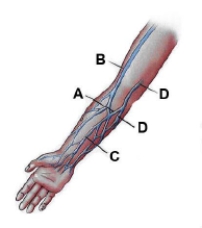
A: ____________________
A: ____________________
Question
Question
Question
Question
Question
Question
Question
Identify the lettered item on the following figure.
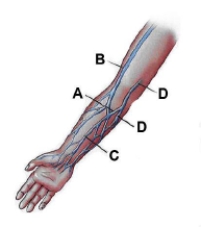
B: ____________________
B: ____________________
Question
Question
Question
Question
Question
Question
Question
Question
Question
Question
Question
Identify the lettered item on the following figure.
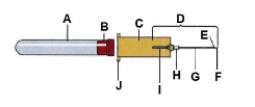
A: ____________________
A: ____________________
Question
Identify the lettered item on the following figure.
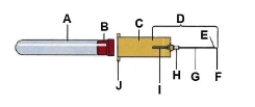
J: ____________________
J: ____________________
Question
Identify the lettered item on the following figure.
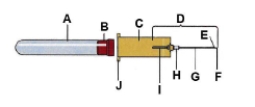
F: ____________________
F: ____________________
Question
Question
Identify the lettered item on the following figure.
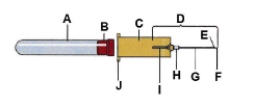
E: ____________________
E: ____________________
Question
Identify the lettered item on the following figure.
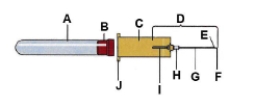
I: ____________________
I: ____________________
Question
Identify the lettered item on the following figure.
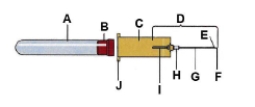
H: ____________________
H: ____________________
Question
Identify the lettered item on the following figure.
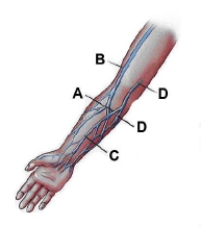
D: ____________________
D: ____________________
Question
Identify the lettered item on the following figure.

B: ____________________
B: ____________________
Question
Identify the lettered item on the following figure.

C: ____________________
C: ____________________
Question
Identify the lettered item on the following figure.
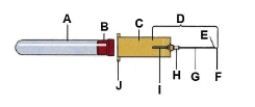
D: ____________________
D: ____________________
Question
Identify the lettered item on the following figure.
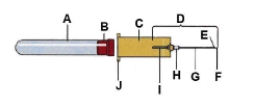
G: ____________________
G: ____________________
Question
Identify the lettered item on the following figure.
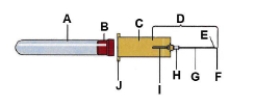
C: ____________________
C: ____________________
Question
Tube Order Chart
On the chart provided below:
A.Place the following colored Vacutainer tubes in their correct order of collection.
B.Place the appropriate additive or anticoagulant found in each tube.
C.Identify which tests are used for each tube.
Colors: gray, green, red, blue, lavender, gold
Additives and/or anticoagulants: nothing (clot tube), oxalate anticoagulant, heparin anticoagulant, EDTA anticoagulant, SST or clot activator, citrate anticoagulant
Tests typically ordered from colored tube: glucose tests, hematology tests, chemistry/serology (used twice), coagulation tests, special tests

On the chart provided below:
A.Place the following colored Vacutainer tubes in their correct order of collection.
B.Place the appropriate additive or anticoagulant found in each tube.
C.Identify which tests are used for each tube.
Colors: gray, green, red, blue, lavender, gold
Additives and/or anticoagulants: nothing (clot tube), oxalate anticoagulant, heparin anticoagulant, EDTA anticoagulant, SST or clot activator, citrate anticoagulant
Tests typically ordered from colored tube: glucose tests, hematology tests, chemistry/serology (used twice), coagulation tests, special tests
Question
Match between columns
Premises:
Hemoglobin higher
Hemoglobin higher
Total protein higher
Total protein higher
Responses:
Venous blood
Capillary blood
Venous blood
Capillary blood
Venous blood
Capillary blood
Venous blood
Capillary blood
Venous blood
Capillary blood

Unlock Deck
Sign up to unlock the cards in this deck!
Unlock Deck
Unlock Deck
1/54

Play

Full screen (f)
Deck 4: Blood Collection
1
Which of the following statements is incorrect about the use of a tourniquet?
A) It causes the vein to be more visible.
B) If it is left on too long, results may be inaccurate because of hemoconcentration.
C) It should be looped so that it can be easily released with one hand.
D) A tourniquet should be very tight to stop arterial and venous blood flow.
A) It causes the vein to be more visible.
B) If it is left on too long, results may be inaccurate because of hemoconcentration.
C) It should be looped so that it can be easily released with one hand.
D) A tourniquet should be very tight to stop arterial and venous blood flow.
D
2
Which of the following would cause an employer to not be in compliance with the Federal Bill HR5178, signed by President Bill Clinton on November6,2000?
A) Creating and updating a bloodborne pathogen (BBP) exposure control plan
B) Evaluating and implementing safer medical devices for eliminating or minimizing occupational exposures
C) Not including health care workers who are using the devices in the evaluation and selection process
D) Maintaining a detailed sharps injury log, which gives a description of each exposure incident
E) Providing employees with personal protective equipment
A) Creating and updating a bloodborne pathogen (BBP) exposure control plan
B) Evaluating and implementing safer medical devices for eliminating or minimizing occupational exposures
C) Not including health care workers who are using the devices in the evaluation and selection process
D) Maintaining a detailed sharps injury log, which gives a description of each exposure incident
E) Providing employees with personal protective equipment
C
3
When whole blood is centrifuged, the results are:
A) plasma, red blood cells (RBCs), and serum.
B) plasma, RBCs, and buffy coat.
C) plasma, serum, and buffy coat.
D) serum, RBCs, and buffy coat.
A) plasma, red blood cells (RBCs), and serum.
B) plasma, RBCs, and buffy coat.
C) plasma, serum, and buffy coat.
D) serum, RBCs, and buffy coat.
B
4
Which of the following is not a reason for using a syringe method for venipuncture?
A) Using a syringe helps prevent the collapsing of small veins.
B) Using a syringe is more expedient than using the Vacutainer method.
C) Using a syringe allows for control of the pressure on the vein.
D) Using a syringe involves the transfer of the blood from the syringe to the evacuated tubes.
A) Using a syringe helps prevent the collapsing of small veins.
B) Using a syringe is more expedient than using the Vacutainer method.
C) Using a syringe allows for control of the pressure on the vein.
D) Using a syringe involves the transfer of the blood from the syringe to the evacuated tubes.
Unlock Deck
Unlock for access to all 54 flashcards in this deck.
Unlock Deck
k this deck
5
Which of the following statements is correct regarding centrifuge safety?
A) If a blood tube breaks or liquid spills during processing, clean with soap and water.
B) Uncover the tubes before spinning.
C) If an abnormal noise, vibration, or sound is noted, immediately stop the unit and check for a possible load imbalance.
D) The centrifuge should be cleaned weekly with a disinfectant.
A) If a blood tube breaks or liquid spills during processing, clean with soap and water.
B) Uncover the tubes before spinning.
C) If an abnormal noise, vibration, or sound is noted, immediately stop the unit and check for a possible load imbalance.
D) The centrifuge should be cleaned weekly with a disinfectant.
Unlock Deck
Unlock for access to all 54 flashcards in this deck.
Unlock Deck
k this deck
6
Which of the following should not cause a hematoma?
A) If the needle goes through the vein
B) If the needle is only partially in the vein
C) If the needle is in the middle of the lumen of the vein
D) If not enough pressure is applied to the puncture site after the procedure is completed
A) If the needle goes through the vein
B) If the needle is only partially in the vein
C) If the needle is in the middle of the lumen of the vein
D) If not enough pressure is applied to the puncture site after the procedure is completed
Unlock Deck
Unlock for access to all 54 flashcards in this deck.
Unlock Deck
k this deck
7
Plasma is obtained by:
A) centrifuging a clotted tube.
B) centrifuging a tube that contains an anticoagulant.
C) using a red-top "clot" tube.
D) using an "SST" gold-top tube.
A) centrifuging a clotted tube.
B) centrifuging a tube that contains an anticoagulant.
C) using a red-top "clot" tube.
D) using an "SST" gold-top tube.
Unlock Deck
Unlock for access to all 54 flashcards in this deck.
Unlock Deck
k this deck
8
Which of the following is not a reason for failure to obtain blood?
A) The bevel of the needle was against the wall of the vein.
B) The needle gauge was 21.
C) The needle was only partially inserted into the vein.
D) The needle pierced all the way through the vein.
A) The bevel of the needle was against the wall of the vein.
B) The needle gauge was 21.
C) The needle was only partially inserted into the vein.
D) The needle pierced all the way through the vein.
Unlock Deck
Unlock for access to all 54 flashcards in this deck.
Unlock Deck
k this deck
9
Which of the following is a hematology tube used for a complete blood count (CBC)?
A) Heparin
B) Ethylenediaminetetraacetic acid (EDTA)
C) Sodium citrate
D) Clot tube
A) Heparin
B) Ethylenediaminetetraacetic acid (EDTA)
C) Sodium citrate
D) Clot tube
Unlock Deck
Unlock for access to all 54 flashcards in this deck.
Unlock Deck
k this deck
10
A blood specimen can be hemolyzed if the:
A) tube is transported in an upright position.
B) evacuated tube is filled to the exhaustion of the vacuum.
C) tube is vigorously shaken to mix the blood with the anticoagulant.
D) needle is removed before removing the tourniquet.
A) tube is transported in an upright position.
B) evacuated tube is filled to the exhaustion of the vacuum.
C) tube is vigorously shaken to mix the blood with the anticoagulant.
D) needle is removed before removing the tourniquet.
Unlock Deck
Unlock for access to all 54 flashcards in this deck.
Unlock Deck
k this deck
11
Which of the following statements is incorrect when performing a capillary puncture?
A) Warm the site, if needed, by massaging the area or applying a warming device to the site for 3 to 5 minutes.
B) Clean the site with 70% isopropyl alcohol.
C) Allow the alcohol to dry by fanning or blowing on the cleansed site.
D) Wipe away the first drop of blood.
A) Warm the site, if needed, by massaging the area or applying a warming device to the site for 3 to 5 minutes.
B) Clean the site with 70% isopropyl alcohol.
C) Allow the alcohol to dry by fanning or blowing on the cleansed site.
D) Wipe away the first drop of blood.
Unlock Deck
Unlock for access to all 54 flashcards in this deck.
Unlock Deck
k this deck
12
A capillary puncture may be performed in all of the following cases except:
A) when performing point-of-care tests.
B) when the patient has burns, skin irritation, or small or fragile veins at the antecubital site.
C) with patients who have cancer, are geriatric, or obese.
D) when a large amount of blood is needed.
A) when performing point-of-care tests.
B) when the patient has burns, skin irritation, or small or fragile veins at the antecubital site.
C) with patients who have cancer, are geriatric, or obese.
D) when a large amount of blood is needed.
Unlock Deck
Unlock for access to all 54 flashcards in this deck.
Unlock Deck
k this deck
13
For some tests, the patient must be fasting.Which of the following statements is incorrect?
A) Ask the patient whether he or she has had anything to eat or drink for 12 to 14 hours before the phlebotomy procedure.
B) Ask the patient if he or she has fasted.
C) Coffee could affect some testing.
D) Chewed gum could affect testing.
A) Ask the patient whether he or she has had anything to eat or drink for 12 to 14 hours before the phlebotomy procedure.
B) Ask the patient if he or she has fasted.
C) Coffee could affect some testing.
D) Chewed gum could affect testing.
Unlock Deck
Unlock for access to all 54 flashcards in this deck.
Unlock Deck
k this deck
14
Which of the following statements is incorrect?
A) Capillaries contain a mixture of arterial and venous blood.
B) Veins carry blood away from the heart.
C) Arteries carry blood away from the heart.
D) Arterioles branch into capillaries.
A) Capillaries contain a mixture of arterial and venous blood.
B) Veins carry blood away from the heart.
C) Arteries carry blood away from the heart.
D) Arterioles branch into capillaries.
Unlock Deck
Unlock for access to all 54 flashcards in this deck.
Unlock Deck
k this deck
15
According to the National Committee for Clinical Laboratory Standards, the depth of a heel stick of an infant should not exceed _____ mm.
A) 2.0
B) 4.0
C) 1.0
D) 3.0
A) 2.0
B) 4.0
C) 1.0
D) 3.0
Unlock Deck
Unlock for access to all 54 flashcards in this deck.
Unlock Deck
k this deck
16
What color tube top is used to collect blood for coagulation studies?
A) Red
B) Gray
C) Light blue
D) Green
A) Red
B) Gray
C) Light blue
D) Green
Unlock Deck
Unlock for access to all 54 flashcards in this deck.
Unlock Deck
k this deck
17
Which of the following statements is incorrect regarding the proper way to identify a patient?
A) The most critical error in phlebotomy is the misidentification of a patient.
B) When determining the patient's name, ask, "Are you Mrs.Smith?"
C) A three-way system is recommended; this consists of matching the patient's spelled out name and date of birth with the test requisition, and some type of identification, such as a driver's license (outpatient), hospital identification number (inpatient), or phone number.
D) Patient must state his or her name.
A) The most critical error in phlebotomy is the misidentification of a patient.
B) When determining the patient's name, ask, "Are you Mrs.Smith?"
C) A three-way system is recommended; this consists of matching the patient's spelled out name and date of birth with the test requisition, and some type of identification, such as a driver's license (outpatient), hospital identification number (inpatient), or phone number.
D) Patient must state his or her name.
Unlock Deck
Unlock for access to all 54 flashcards in this deck.
Unlock Deck
k this deck
18
Which of the following veins is most commonly used for venipuncture?
A) Basilic vein
B) Cephalic vein
C) Radial vein
D) Median cubital vein
A) Basilic vein
B) Cephalic vein
C) Radial vein
D) Median cubital vein
Unlock Deck
Unlock for access to all 54 flashcards in this deck.
Unlock Deck
k this deck
19
Which of the following would cause a specimen to be rejected by the lab?
A) The blood specimen for a coagulation test was drawn in a light blue tube.
B) The blood specimen was hemolyzed.
C) The blood tube was filled to the marked line.
D) The test requiring serum was drawn in a red-top tube.
A) The blood specimen for a coagulation test was drawn in a light blue tube.
B) The blood specimen was hemolyzed.
C) The blood tube was filled to the marked line.
D) The test requiring serum was drawn in a red-top tube.
Unlock Deck
Unlock for access to all 54 flashcards in this deck.
Unlock Deck
k this deck
20
Which is the correct statement regarding syncope?
A) Have the patient raise his or her head and breathe shallowly.
B) If a patient does faint or experience a seizure, remove the needle and then release the tourniquet.
C) Signs of fainting are that the patient becomes pale, sweats, and hyperventilates.
D) Have the patient leave the room immediately after experiencing syncope.
A) Have the patient raise his or her head and breathe shallowly.
B) If a patient does faint or experience a seizure, remove the needle and then release the tourniquet.
C) Signs of fainting are that the patient becomes pale, sweats, and hyperventilates.
D) Have the patient leave the room immediately after experiencing syncope.
Unlock Deck
Unlock for access to all 54 flashcards in this deck.
Unlock Deck
k this deck
21
The area that is found in front of the elbow is the ____________________.
Unlock Deck
Unlock for access to all 54 flashcards in this deck.
Unlock Deck
k this deck
22
Identify the lettered item on the following figure.
A: ____________________
A: ____________________
Unlock Deck
Unlock for access to all 54 flashcards in this deck.
Unlock Deck
k this deck
23
________________ is a condition of inflammation of the bone that is caused by bacterial infection.
Unlock Deck
Unlock for access to all 54 flashcards in this deck.
Unlock Deck
k this deck
24
______________ are tiny purple or red skin spots that can be found in patients who have coagulation problems.This condition could lead to excessive bleeding during phlebotomy procedures.
Unlock Deck
Unlock for access to all 54 flashcards in this deck.
Unlock Deck
k this deck
25
The medical term for fainting is ____________________.
Unlock Deck
Unlock for access to all 54 flashcards in this deck.
Unlock Deck
k this deck
26
A collection of blood caused by blood leaking from blood vessels that causes bruising in blood collection procedures is a(n) ____________________.
Unlock Deck
Unlock for access to all 54 flashcards in this deck.
Unlock Deck
k this deck
27
_________________ is a process whereby blood flows freely into a capillary tube in microcollection procedures.
Unlock Deck
Unlock for access to all 54 flashcards in this deck.
Unlock Deck
k this deck
28
Which of the following statements is incorrect if the needle should hit a nerve in a venipuncture procedure?
A) The patient will probably experience a tingling sensation radiating down the affected nerve.
B) The venipuncture procedure should be immediately stopped, and pressure must be applied to the site.
C) Notify an authorized person.
D) An incident report does not need to be completed.
A) The patient will probably experience a tingling sensation radiating down the affected nerve.
B) The venipuncture procedure should be immediately stopped, and pressure must be applied to the site.
C) Notify an authorized person.
D) An incident report does not need to be completed.
Unlock Deck
Unlock for access to all 54 flashcards in this deck.
Unlock Deck
k this deck
29
Identify the lettered item on the following figure.
B: ____________________
B: ____________________
Unlock Deck
Unlock for access to all 54 flashcards in this deck.
Unlock Deck
k this deck
30
Which of the following sites could be used when performing a venipuncture procedure?
A) Sites that are sclerosed with plaque, scarred, or occluded
B) Sites on the arm below an IV insertion area
C) Sites that are burned and susceptible to infection
D) Sites on an arm adjacent to a mastectomy
A) Sites that are sclerosed with plaque, scarred, or occluded
B) Sites on the arm below an IV insertion area
C) Sites that are burned and susceptible to infection
D) Sites on an arm adjacent to a mastectomy
Unlock Deck
Unlock for access to all 54 flashcards in this deck.
Unlock Deck
k this deck
31
Which of the following statements is incorrect concerning excessive bleeding after a venipuncture procedure?
A) Normally a patient stops bleeding in 6 to 10 minutes.
B) Patients who take medications such as blood thinners and arthritis medications may bleed for a longer time.
C) Patients may have coagulation abnormalities, such as platelet defects, in which petechiae may appear on their skin.
D) The physician must be notified if bleeding does not stop.
A) Normally a patient stops bleeding in 6 to 10 minutes.
B) Patients who take medications such as blood thinners and arthritis medications may bleed for a longer time.
C) Patients may have coagulation abnormalities, such as platelet defects, in which petechiae may appear on their skin.
D) The physician must be notified if bleeding does not stop.
Unlock Deck
Unlock for access to all 54 flashcards in this deck.
Unlock Deck
k this deck
32
Which of the following statements concerning performing a venipuncture on an arm adjacent to a mastectomy is incorrect?
A) A patient who has had a mastectomy may have no lymph flow to that arm.
B) Lymph nodes in the adjacent area to a mastectomy have been removed.
C) The tourniquet will not injure the patient's arm.
D) Mastectomy carries a potential risk for infection, along with alterations in body fluids and blood analytes.
A) A patient who has had a mastectomy may have no lymph flow to that arm.
B) Lymph nodes in the adjacent area to a mastectomy have been removed.
C) The tourniquet will not injure the patient's arm.
D) Mastectomy carries a potential risk for infection, along with alterations in body fluids and blood analytes.
Unlock Deck
Unlock for access to all 54 flashcards in this deck.
Unlock Deck
k this deck
33
Which of the following are analytes that are affected when hemolyzed blood releases chemicals into the plasma and serum?
A) Potassium and magnesium
B) Iron and lactate dehydrogenase
C) Phosphorus, ammonia, and total protein
D) All of the above
A) Potassium and magnesium
B) Iron and lactate dehydrogenase
C) Phosphorus, ammonia, and total protein
D) All of the above
Unlock Deck
Unlock for access to all 54 flashcards in this deck.
Unlock Deck
k this deck
34
Gently touching and pressing down on an area to feel texture, size, and consistency is called ____________________.
Unlock Deck
Unlock for access to all 54 flashcards in this deck.
Unlock Deck
k this deck
35
_______________ are microscopic blood vessels that contain a mixture of arterial and venous blood.
Unlock Deck
Unlock for access to all 54 flashcards in this deck.
Unlock Deck
k this deck
36
To remove air in order to produce a vacuum is to ____________________.
Unlock Deck
Unlock for access to all 54 flashcards in this deck.
Unlock Deck
k this deck
37
The name for all the fluid, except blood, that is found in the space between tissues and that is also referred to as tissue fluid is ____________________.
Unlock Deck
Unlock for access to all 54 flashcards in this deck.
Unlock Deck
k this deck
38
Which of the following would be a goal to determine the effectiveness of new safety devices?
A) Decreasing injuries and exposure
B) Acceptance of the devices by users
C) The ability of the devices to not adversely affect patient care and comfort
D) All of the above
A) Decreasing injuries and exposure
B) Acceptance of the devices by users
C) The ability of the devices to not adversely affect patient care and comfort
D) All of the above
Unlock Deck
Unlock for access to all 54 flashcards in this deck.
Unlock Deck
k this deck
39
Which of the following may occur if the needle is inserted at less than a15-degree angle?
A) The needle would go completely through the vein.
B) No blood would be obtained because the needle entered above the vein.
C) The needle may strike a tendon or nerve.
D) The vein would collapse.
A) The needle would go completely through the vein.
B) No blood would be obtained because the needle entered above the vein.
C) The needle may strike a tendon or nerve.
D) The vein would collapse.
Unlock Deck
Unlock for access to all 54 flashcards in this deck.
Unlock Deck
k this deck
40
Identify the lettered item on the following figure.
A: ____________________
A: ____________________
Unlock Deck
Unlock for access to all 54 flashcards in this deck.
Unlock Deck
k this deck
41
Identify the lettered item on the following figure.
J: ____________________
J: ____________________
Unlock Deck
Unlock for access to all 54 flashcards in this deck.
Unlock Deck
k this deck
42
Identify the lettered item on the following figure.
F: ____________________
F: ____________________
Unlock Deck
Unlock for access to all 54 flashcards in this deck.
Unlock Deck
k this deck
43
Venipuncture Checkout
The following is a practical exam.Follow your instructor's guidelines to show your proficiency at each task.Each numbered set of elements is worth3 points.A point is deducted for any of the elements that are not performed in each set (up to3 points/set).
Situation: Doctor has ordered a CBC and chemistry profile.
1.Set up-Vacutainer system, alcohol, gauze, bandage, tourniquet, gloves, sanitizer, sharps
2.Arm prep-locate vein, tourniquet, close hand, disinfect, let dry
3.Specimen collection-anchor vein, bevel up, quick insert, fill, release, and tilt tubes
4.Arm care-release tourniquet and fist while filling last tube, remove and tilt last tube, remove needle, direct pressure, immediately activate safety device and discard in sharps, check site after2 to5 minutes, apply pressure bandage
5.Specimen care-final mix by tilting all tubes; label with date, time, patient name, and initials; dispose of all biohazards
The following is a practical exam.Follow your instructor's guidelines to show your proficiency at each task.Each numbered set of elements is worth3 points.A point is deducted for any of the elements that are not performed in each set (up to3 points/set).
Situation: Doctor has ordered a CBC and chemistry profile.
1.Set up-Vacutainer system, alcohol, gauze, bandage, tourniquet, gloves, sanitizer, sharps
2.Arm prep-locate vein, tourniquet, close hand, disinfect, let dry
3.Specimen collection-anchor vein, bevel up, quick insert, fill, release, and tilt tubes
4.Arm care-release tourniquet and fist while filling last tube, remove and tilt last tube, remove needle, direct pressure, immediately activate safety device and discard in sharps, check site after2 to5 minutes, apply pressure bandage
5.Specimen care-final mix by tilting all tubes; label with date, time, patient name, and initials; dispose of all biohazards
Unlock Deck
Unlock for access to all 54 flashcards in this deck.
Unlock Deck
k this deck
44
Identify the lettered item on the following figure.
E: ____________________
E: ____________________
Unlock Deck
Unlock for access to all 54 flashcards in this deck.
Unlock Deck
k this deck
45
Identify the lettered item on the following figure.
I: ____________________
I: ____________________
Unlock Deck
Unlock for access to all 54 flashcards in this deck.
Unlock Deck
k this deck
46
Identify the lettered item on the following figure.
H: ____________________
H: ____________________
Unlock Deck
Unlock for access to all 54 flashcards in this deck.
Unlock Deck
k this deck
47
Identify the lettered item on the following figure.
D: ____________________
D: ____________________
Unlock Deck
Unlock for access to all 54 flashcards in this deck.
Unlock Deck
k this deck
48
Identify the lettered item on the following figure.
B: ____________________
B: ____________________
Unlock Deck
Unlock for access to all 54 flashcards in this deck.
Unlock Deck
k this deck
49
Identify the lettered item on the following figure.
C: ____________________
C: ____________________
Unlock Deck
Unlock for access to all 54 flashcards in this deck.
Unlock Deck
k this deck
50
Identify the lettered item on the following figure.
D: ____________________
D: ____________________
Unlock Deck
Unlock for access to all 54 flashcards in this deck.
Unlock Deck
k this deck
51
Identify the lettered item on the following figure.
G: ____________________
G: ____________________
Unlock Deck
Unlock for access to all 54 flashcards in this deck.
Unlock Deck
k this deck
52
Identify the lettered item on the following figure.
C: ____________________
C: ____________________
Unlock Deck
Unlock for access to all 54 flashcards in this deck.
Unlock Deck
k this deck
53
Tube Order Chart
On the chart provided below:
A.Place the following colored Vacutainer tubes in their correct order of collection.
B.Place the appropriate additive or anticoagulant found in each tube.
C.Identify which tests are used for each tube.
Colors: gray, green, red, blue, lavender, gold
Additives and/or anticoagulants: nothing (clot tube), oxalate anticoagulant, heparin anticoagulant, EDTA anticoagulant, SST or clot activator, citrate anticoagulant
Tests typically ordered from colored tube: glucose tests, hematology tests, chemistry/serology (used twice), coagulation tests, special tests
On the chart provided below:
A.Place the following colored Vacutainer tubes in their correct order of collection.
B.Place the appropriate additive or anticoagulant found in each tube.
C.Identify which tests are used for each tube.
Colors: gray, green, red, blue, lavender, gold
Additives and/or anticoagulants: nothing (clot tube), oxalate anticoagulant, heparin anticoagulant, EDTA anticoagulant, SST or clot activator, citrate anticoagulant
Tests typically ordered from colored tube: glucose tests, hematology tests, chemistry/serology (used twice), coagulation tests, special tests
Unlock Deck
Unlock for access to all 54 flashcards in this deck.
Unlock Deck
k this deck
54
Match between columns
Premises:
Hemoglobin higher
Hemoglobin higher
Total protein higher
Total protein higher
Responses:
Venous blood
Capillary blood
Venous blood
Capillary blood
Venous blood
Capillary blood
Venous blood
Capillary blood
Venous blood
Capillary blood
Unlock Deck
Unlock for access to all 54 flashcards in this deck.
Unlock Deck
k this deck
Unlock Deck
Unlock for access to all 54 flashcards in this deck.






