







 Chat with AI

Deck 9: South Asia
Full screen (f)

Question

Question
Question
Question
Question
Question
Question
Question
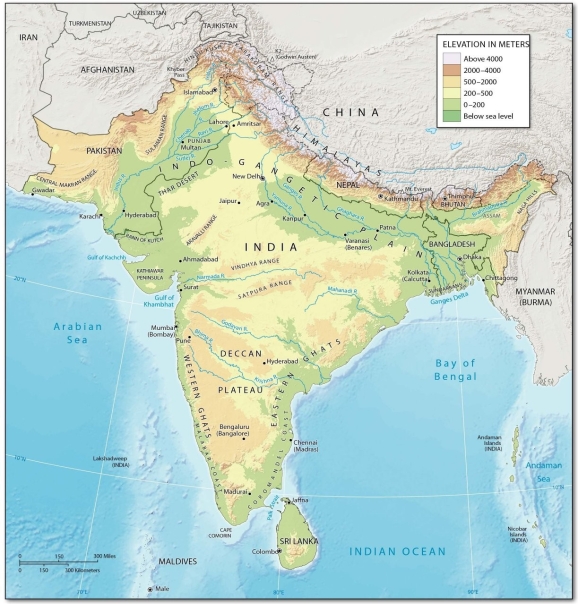
-This is the correct order of South Asian cities from north to south:
A) Islamabad, Colombo, Dhaka
B) Thimpu, Dhaka, Bangalore
C) Colombo, Delhi, Kathmandu
D) Chennai, Mumbai, New Delhi
Question
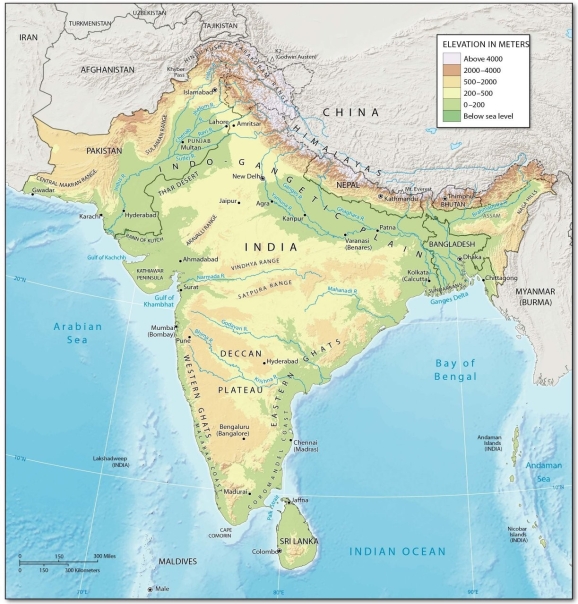
- These rivers flow into the Bay of Bengal: Mahanadi, Gadavari, and ________.
A) Mississippi
B) Narmada
C) Indus
D) Ganges
Question
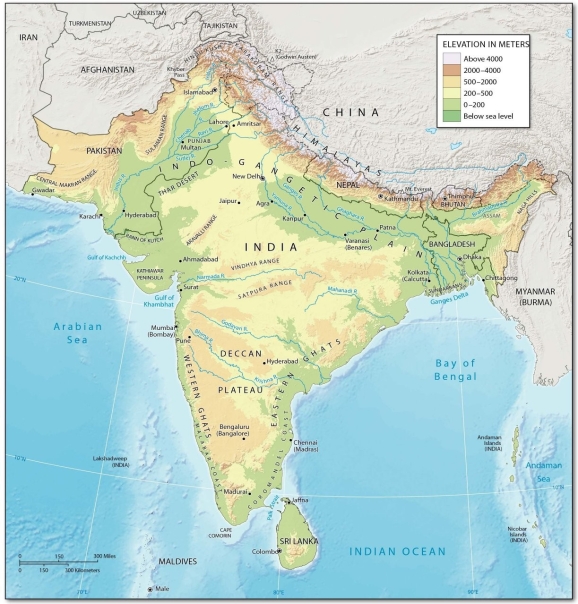
- The highest elevations in South Asia occur in the:
A) north
B) south
C) southeast
D) central highlands of India
Question
Question
Question
Question
Question
Question
Question
Question
Question
Question
Question
Question
Question
Question
Question
Question
Question
Question
Question
Question
Question
Question
Question
Question
Question
Question
Question
Question
Question
Question
Question
Question
Question
Question
Question
Question
Question
Question
Question
Question
Question
Question
Question
Question
Question
Question
Question
Question
Question
Question
Question
Question
Question
Question
Question
Question
Question
Question
Question
Question
Question
Question
Question
Question
Question
Question
Question
Question
Question
Question

Unlock Deck
Sign up to unlock the cards in this deck!
Unlock Deck
Unlock Deck
1/81

Play

Full screen (f)
Deck 9: South Asia
1
BRIC stands for Brazil, Russia, ________, China.
A) Indonesia
B) Iraq
C) Tibet
D) India
A) Indonesia
B) Iraq
C) Tibet
D) India
India
2
Aquifers are sources of underground ________.
A) natural gas
B) water
C) petroleum
D) coal
A) natural gas
B) water
C) petroleum
D) coal
water
3
In the caste system, the ________ perform the dirtiest, most polluting jobs.
A) Brahmins
B) Mughals
C) dalits
D) Sikhs
A) Brahmins
B) Mughals
C) dalits
D) Sikhs
dalits
4
Varanasi is a city at the crossroads of geography and religion because it is the location of the:
A) sacred Ganges River
B) library of Upanishads, the sacred Hindu writings
C) place where the Mohammed ascended to heaven
D) remains of St. Thomas
A) sacred Ganges River
B) library of Upanishads, the sacred Hindu writings
C) place where the Mohammed ascended to heaven
D) remains of St. Thomas
Unlock Deck
Unlock for access to all 81 flashcards in this deck.
Unlock Deck
k this deck
5
An uncompromising allegiance to a particular ethnic or religious group is:
A) caste-ism
B) mercantilism
C) communalism
D) Jammu-ism
A) caste-ism
B) mercantilism
C) communalism
D) Jammu-ism
Unlock Deck
Unlock for access to all 81 flashcards in this deck.
Unlock Deck
k this deck
6
The British East India Company ruled via tax collector-landlords called:
A) zamindar
B) Sikhs
C) Dravidians
D) Mughals
A) zamindar
B) Sikhs
C) Dravidians
D) Mughals
Unlock Deck
Unlock for access to all 81 flashcards in this deck.
Unlock Deck
k this deck
7
From smallest to largest by land area are these South Asia countries:
A) India, Pakistan, Sri Lanka
B) Bhutan, Sri Lanka, Pakistan
C) Nepal, India, Bangladesh
D) India, Maldives, Nepal
A) India, Pakistan, Sri Lanka
B) Bhutan, Sri Lanka, Pakistan
C) Nepal, India, Bangladesh
D) India, Maldives, Nepal
Unlock Deck
Unlock for access to all 81 flashcards in this deck.
Unlock Deck
k this deck
8
-This is the correct order of South Asian cities from north to south:
A) Islamabad, Colombo, Dhaka
B) Thimpu, Dhaka, Bangalore
C) Colombo, Delhi, Kathmandu
D) Chennai, Mumbai, New Delhi
Unlock Deck
Unlock for access to all 81 flashcards in this deck.
Unlock Deck
k this deck
9
- These rivers flow into the Bay of Bengal: Mahanadi, Gadavari, and ________.
A) Mississippi
B) Narmada
C) Indus
D) Ganges
Unlock Deck
Unlock for access to all 81 flashcards in this deck.
Unlock Deck
k this deck
10
- The highest elevations in South Asia occur in the:
A) north
B) south
C) southeast
D) central highlands of India
Unlock Deck
Unlock for access to all 81 flashcards in this deck.
Unlock Deck
k this deck
11
India is planning hydroelectric projects on the Sutlej River, a tributary of the Indus. Because of a treaty, India will need to seek the permission of ________ before proceeding.
A) Nepal
B) Bhutan
C) Sri Lanka
D) Pakistan
A) Nepal
B) Bhutan
C) Sri Lanka
D) Pakistan
Unlock Deck
Unlock for access to all 81 flashcards in this deck.
Unlock Deck
k this deck
12
In order from earliest to latest, these major religions originated in or influenced South Asia:
A) Islam, Hinduism, Buddhism
B) Hinduism, Buddhism, Islam
C) Hinduism, Christianity, Judaism
D) Sikhism, Judaism, Islam
A) Islam, Hinduism, Buddhism
B) Hinduism, Buddhism, Islam
C) Hinduism, Christianity, Judaism
D) Sikhism, Judaism, Islam
Unlock Deck
Unlock for access to all 81 flashcards in this deck.
Unlock Deck
k this deck
13
Choose the correct order of empires or rulers in South Asia from earliest to latest.
A) East India Company, Genghis Khan, Aryans
B) Aryans, Harappan, Mughal
C) Harappan, Mughal, East India Company
D) Dravidians, East India Company, United States
A) East India Company, Genghis Khan, Aryans
B) Aryans, Harappan, Mughal
C) Harappan, Mughal, East India Company
D) Dravidians, East India Company, United States
Unlock Deck
Unlock for access to all 81 flashcards in this deck.
Unlock Deck
k this deck
14
Western Pakistan is dominated by languages of the ________ family.
A) Tibeto-Burman
B) European
C) Austroasiatic
D) Iranic
A) Tibeto-Burman
B) European
C) Austroasiatic
D) Iranic
Unlock Deck
Unlock for access to all 81 flashcards in this deck.
Unlock Deck
k this deck
15
The lowest population densities in South Asia occur in Pakistan and the ________ region.
A) Sri Lanka
B) Ganges
C) Bangladesh
D) Himalaya
A) Sri Lanka
B) Ganges
C) Bangladesh
D) Himalaya
Unlock Deck
Unlock for access to all 81 flashcards in this deck.
Unlock Deck
k this deck
16
The caste system was contested during the British imperial rule by Christian missionaries and:
A) labor unions
B) Jews
C) concerned upper-caste Indians
D) female suffragettes
A) labor unions
B) Jews
C) concerned upper-caste Indians
D) female suffragettes
Unlock Deck
Unlock for access to all 81 flashcards in this deck.
Unlock Deck
k this deck
17
After independence, India adopted the ________ model of industrialization.
A) Soviet
B) British
C) American
D) Sri Lankan
A) Soviet
B) British
C) American
D) Sri Lankan
Unlock Deck
Unlock for access to all 81 flashcards in this deck.
Unlock Deck
k this deck
18
In 2011, industry accounted for only ________% of India's GDP.
A) 1
B) 10
C) 28
D) 48
A) 1
B) 10
C) 28
D) 48
Unlock Deck
Unlock for access to all 81 flashcards in this deck.
Unlock Deck
k this deck
19
India's motion picture industry is centered in:
A) Delhi
B) Mumbai
C) Bengaluru
D) Kolkata
A) Delhi
B) Mumbai
C) Bengaluru
D) Kolkata
Unlock Deck
Unlock for access to all 81 flashcards in this deck.
Unlock Deck
k this deck
20
The Digital Divide refers to uneven access to ________ among India's population.
A) IT resources
B) cell phones
C) automobiles
D) food
A) IT resources
B) cell phones
C) automobiles
D) food
Unlock Deck
Unlock for access to all 81 flashcards in this deck.
Unlock Deck
k this deck
21
By 2001, India's population was ________% urban.
A) 12
B) 28
C) 44
D) 57
A) 12
B) 28
C) 44
D) 57
Unlock Deck
Unlock for access to all 81 flashcards in this deck.
Unlock Deck
k this deck
22
Indians living abroad make up the:
A) working class
B) Indian diaspora
C) Indian egress
D) Indian traders
A) working class
B) Indian diaspora
C) Indian egress
D) Indian traders
Unlock Deck
Unlock for access to all 81 flashcards in this deck.
Unlock Deck
k this deck
23
The rice producing regions of India are in the east and:
A) north
B) south
C) west
D) northeast
A) north
B) south
C) west
D) northeast
Unlock Deck
Unlock for access to all 81 flashcards in this deck.
Unlock Deck
k this deck
24
The tea producing region of India is found in the:
A) north
B) south
C) east
D) west
A) north
B) south
C) east
D) west
Unlock Deck
Unlock for access to all 81 flashcards in this deck.
Unlock Deck
k this deck
25
The wheat producing region of India is found in the:
A) north
B) south
C) east
D) west
A) north
B) south
C) east
D) west
Unlock Deck
Unlock for access to all 81 flashcards in this deck.
Unlock Deck
k this deck
26
Hindus would use all the following products from cattle except:
A) milk
B) yogurt
C) steaks
D) ghee
A) milk
B) yogurt
C) steaks
D) ghee
Unlock Deck
Unlock for access to all 81 flashcards in this deck.
Unlock Deck
k this deck
27
India's wheat yield per acre is behind all of the following except:
A) Mexico
B) China
C) United States
D) It is behind all of these
A) Mexico
B) China
C) United States
D) It is behind all of these
Unlock Deck
Unlock for access to all 81 flashcards in this deck.
Unlock Deck
k this deck
28
Foreign direct investment in India peaked in:
A) 1990
B) 2000
C) 2008
D) 2013
A) 1990
B) 2000
C) 2008
D) 2013
Unlock Deck
Unlock for access to all 81 flashcards in this deck.
Unlock Deck
k this deck
29
Which of these urban-industrial regions is NOT a major center of government industrial investment?
A) Mumbai
B) Bhopal
C) Nagpur
D) Hyderabad
A) Mumbai
B) Bhopal
C) Nagpur
D) Hyderabad
Unlock Deck
Unlock for access to all 81 flashcards in this deck.
Unlock Deck
k this deck
30
Nepal and Bhutan have significant mineral deposits of:
A) chrome
B) manganese
C) copper
D) lead
A) chrome
B) manganese
C) copper
D) lead
Unlock Deck
Unlock for access to all 81 flashcards in this deck.
Unlock Deck
k this deck
31
The center of India's electronics and software industries is:
A) Mumbai
B) Kolkata
C) Bengaluru
D) New Delhi
A) Mumbai
B) Kolkata
C) Bengaluru
D) New Delhi
Unlock Deck
Unlock for access to all 81 flashcards in this deck.
Unlock Deck
k this deck
32
The spread effect is the filtering through of wealth from central, prosperous areas, to peripheral, less wealthy areas. An example of this is the city of ________, which receives investment due to the presence of nearby Mumbai.
A) Colombo
B) Jaypore
C) Dhaka
D) Pune
A) Colombo
B) Jaypore
C) Dhaka
D) Pune
Unlock Deck
Unlock for access to all 81 flashcards in this deck.
Unlock Deck
k this deck
33
Some 74 percent of Sri Lanka's 21 million people are Sinhalese-speaking Buddhists, with much of the balance being
A) Pakistani-speaking Muslims
B) French-speaking Catholics
C) English-speaking Christians of British descent
D) Tamil-speaking Hindus of Dravidian descent
A) Pakistani-speaking Muslims
B) French-speaking Catholics
C) English-speaking Christians of British descent
D) Tamil-speaking Hindus of Dravidian descent
Unlock Deck
Unlock for access to all 81 flashcards in this deck.
Unlock Deck
k this deck
34
Among the unique wildlife in Sundarban are crocodiles, otters, and:
A) tigers
B) lions
C) orangutans
D) manatees
A) tigers
B) lions
C) orangutans
D) manatees
Unlock Deck
Unlock for access to all 81 flashcards in this deck.
Unlock Deck
k this deck
35
________ is the home to eight UNESCO World Heritage sites, the most of India's South Asian neighbors.
A) Bangladesh
B) Pakistan
C) Nepal
D) Sri Lanka
A) Bangladesh
B) Pakistan
C) Nepal
D) Sri Lanka
Unlock Deck
Unlock for access to all 81 flashcards in this deck.
Unlock Deck
k this deck
36
Pakistan's agricultural regions are found primarily:
A) along the Indus River
B) in the Karakoram mountains
C) in the far west
D) Pakistan does not have any agricultural regions.
A) along the Indus River
B) in the Karakoram mountains
C) in the far west
D) Pakistan does not have any agricultural regions.
Unlock Deck
Unlock for access to all 81 flashcards in this deck.
Unlock Deck
k this deck
37
A traveler going north to south across Nepal would pass through these natural regions in this order:
A) Gangetic Plain, Tibetan Plateau, Himalayas
B) Deccan Plateau, Himalayas, Thar Desert
C) Himalayas, foothills, Gangetic Plain
D) Buddhist Plateau, Western Ghats, Himalayas
A) Gangetic Plain, Tibetan Plateau, Himalayas
B) Deccan Plateau, Himalayas, Thar Desert
C) Himalayas, foothills, Gangetic Plain
D) Buddhist Plateau, Western Ghats, Himalayas
Unlock Deck
Unlock for access to all 81 flashcards in this deck.
Unlock Deck
k this deck
38
A traveler going north to south across Nepal would pass through ethnic regions in this order:
A) Indian Hindus, Chinese Buddhists, Nepalese atheists
B) Tibetan Sikhs, Pakistani Muslims, Bangaldeshi Muslims
C) Tibetan Buddhists, cultural and ethnic mixture, Hindi-speaking Hindus
D) Bhutanese Buddhists, Indian Hindus, Sri Lankan Buddhists
A) Indian Hindus, Chinese Buddhists, Nepalese atheists
B) Tibetan Sikhs, Pakistani Muslims, Bangaldeshi Muslims
C) Tibetan Buddhists, cultural and ethnic mixture, Hindi-speaking Hindus
D) Bhutanese Buddhists, Indian Hindus, Sri Lankan Buddhists
Unlock Deck
Unlock for access to all 81 flashcards in this deck.
Unlock Deck
k this deck
39
Bangladesh's jute producing region is primarily in the:
A) far north
B) central region
C) southwest
D) northwest
A) far north
B) central region
C) southwest
D) northwest
Unlock Deck
Unlock for access to all 81 flashcards in this deck.
Unlock Deck
k this deck
40
Besides India, Bangladesh also borders:
A) Nepal
B) Bhutan
C) Burma (Myanmar)
D) China.
A) Nepal
B) Bhutan
C) Burma (Myanmar)
D) China.
Unlock Deck
Unlock for access to all 81 flashcards in this deck.
Unlock Deck
k this deck
41
The Grameen phone model involves poor women getting microloans for cellphones and then ________ to pay off the loans.
A) charging a small usage fee to other poor women
B) selling homemade garments to Wal-Mart purchasing agents
C) working in an international call center for a large corporation
D) selling the phones at a small markup
A) charging a small usage fee to other poor women
B) selling homemade garments to Wal-Mart purchasing agents
C) working in an international call center for a large corporation
D) selling the phones at a small markup
Unlock Deck
Unlock for access to all 81 flashcards in this deck.
Unlock Deck
k this deck
42
Traveling due east from Colombo, you would NOT encounter this crop producing region:
A) coconuts
B) corn
C) rubber
D) oranges
A) coconuts
B) corn
C) rubber
D) oranges
Unlock Deck
Unlock for access to all 81 flashcards in this deck.
Unlock Deck
k this deck
43
Because of its location, the Sundarban is especially vulnerable to this natural hazard:
A) earthquakes
B) hurricanes
C) blizzards
D) volcanoes
A) earthquakes
B) hurricanes
C) blizzards
D) volcanoes
Unlock Deck
Unlock for access to all 81 flashcards in this deck.
Unlock Deck
k this deck
44
Sri Lanka's major iron and copper deposits are found in the:
A) northeast
B) southeast
C) southwest
D) far south
A) northeast
B) southeast
C) southwest
D) far south
Unlock Deck
Unlock for access to all 81 flashcards in this deck.
Unlock Deck
k this deck
45
The Green Revolution did not increase agricultural yields very much in South Asia.
Unlock Deck
Unlock for access to all 81 flashcards in this deck.
Unlock Deck
k this deck
46
The word "ghats"in the Hindi language means "plateaus."
Unlock Deck
Unlock for access to all 81 flashcards in this deck.
Unlock Deck
k this deck
47
Hurricanes are called anti-cyclones in the Indian Ocean.
Unlock Deck
Unlock for access to all 81 flashcards in this deck.
Unlock Deck
k this deck
48
Because of the wet monsoons, South Asia is not subject to water scarcity.
Unlock Deck
Unlock for access to all 81 flashcards in this deck.
Unlock Deck
k this deck
49
Buddhism began in India, but is now more important in Bhutan and Sri Lanka.
Unlock Deck
Unlock for access to all 81 flashcards in this deck.
Unlock Deck
k this deck
50
Due to monsoons winds blowing out of the Bay of Bengal, the cities of Dhaka and Cherrapunji receive less rain each year that Delhi and Islamabad.
Unlock Deck
Unlock for access to all 81 flashcards in this deck.
Unlock Deck
k this deck
51
Traveling from west to east in South Asia, rainfall generally increases.
Unlock Deck
Unlock for access to all 81 flashcards in this deck.
Unlock Deck
k this deck
52
Due to dry winter conditions, no region of South Asia receives more than 80 inches of rain per year.
Unlock Deck
Unlock for access to all 81 flashcards in this deck.
Unlock Deck
k this deck
53
Most Sikhs in India are found in the southeast of the country.
Unlock Deck
Unlock for access to all 81 flashcards in this deck.
Unlock Deck
k this deck
54
Jainism is found primarily in western India.
Unlock Deck
Unlock for access to all 81 flashcards in this deck.
Unlock Deck
k this deck
55
The Punjabi language is dominant in sizeable areas of Pakistan and India.
Unlock Deck
Unlock for access to all 81 flashcards in this deck.
Unlock Deck
k this deck
56
The dominant language in Bhutan is a member of the Dravidian language family.
Unlock Deck
Unlock for access to all 81 flashcards in this deck.
Unlock Deck
k this deck
57
The move to formal British colonial rule was, in part, a response to the Sepoy Rebellion in 1857.
Unlock Deck
Unlock for access to all 81 flashcards in this deck.
Unlock Deck
k this deck
58
Scheduled castes include some of the poorest people in India.
Unlock Deck
Unlock for access to all 81 flashcards in this deck.
Unlock Deck
k this deck
59
The Indian states of Tamil Nadu and Kerala are found in the north of the country.
Unlock Deck
Unlock for access to all 81 flashcards in this deck.
Unlock Deck
k this deck
60
India borders Burma (Myanmar).
Unlock Deck
Unlock for access to all 81 flashcards in this deck.
Unlock Deck
k this deck
61
Because the capital New Delhi sits in the exact center of the country, access is convenient for the entire populace of India.
Unlock Deck
Unlock for access to all 81 flashcards in this deck.
Unlock Deck
k this deck
62
Compared to the Dadomar Valley (Kolkata), Mumbai's economy is more diverse and dynamic.
Unlock Deck
Unlock for access to all 81 flashcards in this deck.
Unlock Deck
k this deck
63
India's coalfields are primarily confined to the western areas of the country.
Unlock Deck
Unlock for access to all 81 flashcards in this deck.
Unlock Deck
k this deck
64
FDI comprised less than 2 percent of GDP during the 2000-2008 period, which suggests that Pakistan is not an attractive country for multinational corporations.
Unlock Deck
Unlock for access to all 81 flashcards in this deck.
Unlock Deck
k this deck
65
Sri Lanka has about the same land area as the state of West Virginia, but it's population is almost ten times greater. Therefore, it's human development index and per capita income is higher than West Virginia.
Unlock Deck
Unlock for access to all 81 flashcards in this deck.
Unlock Deck
k this deck
66
You spend one year in Mumbai, India. Write a letter to your friends in the United States describing how climate changes during that year and the processes behind the changes.
Unlock Deck
Unlock for access to all 81 flashcards in this deck.
Unlock Deck
k this deck
67
Make an argument that Bangladesh should receive most water from the Brahmaputra River.
Unlock Deck
Unlock for access to all 81 flashcards in this deck.
Unlock Deck
k this deck
68
Explain how the ancient Indo-Aryan civilization leaves a strong imprint on India today.
Unlock Deck
Unlock for access to all 81 flashcards in this deck.
Unlock Deck
k this deck
69
Explain the effects the historical spread of Islam had in India.
Unlock Deck
Unlock for access to all 81 flashcards in this deck.
Unlock Deck
k this deck
70
How did the British partition of South Asia result in migration and conflict?
Unlock Deck
Unlock for access to all 81 flashcards in this deck.
Unlock Deck
k this deck
71
If contraception use is only about 50% among Indian women, what other reasons account for declining fertility in India?
Unlock Deck
Unlock for access to all 81 flashcards in this deck.
Unlock Deck
k this deck
72
Explain how the relationship between economic conditions and fertility vary across India and the uneven effects of gender bias.
Unlock Deck
Unlock for access to all 81 flashcards in this deck.
Unlock Deck
k this deck
73
Explain the impediments to economic growth experienced by the rural Indian farmer and some potential solutions to these impediments.
Unlock Deck
Unlock for access to all 81 flashcards in this deck.
Unlock Deck
k this deck
74
After describing India's future potential energy resources, evaluate which seems to be the most promising.
Unlock Deck
Unlock for access to all 81 flashcards in this deck.
Unlock Deck
k this deck
75
How have the forces of globalization affected the urban-industrial regions of India?
Unlock Deck
Unlock for access to all 81 flashcards in this deck.
Unlock Deck
k this deck
76
Evaluate the effects of the Indian diaspora.
Unlock Deck
Unlock for access to all 81 flashcards in this deck.
Unlock Deck
k this deck
77
Discuss barriers to FDI in South Asia in countries other than India.
Unlock Deck
Unlock for access to all 81 flashcards in this deck.
Unlock Deck
k this deck
78
Evaluate ways to increase agricultural productivity in Pakistan.
Unlock Deck
Unlock for access to all 81 flashcards in this deck.
Unlock Deck
k this deck
79
Evaluate the effect of the war in Afghanistan on Pakistan.
Unlock Deck
Unlock for access to all 81 flashcards in this deck.
Unlock Deck
k this deck
80
Explain positives and negatives of the British colonial period in Sri Lanka.
Unlock Deck
Unlock for access to all 81 flashcards in this deck.
Unlock Deck
k this deck
Unlock Deck
Unlock for access to all 81 flashcards in this deck.






