







 Chat with AI

Deck 22: Infections of the Digestive System
Full screen (f)

Question

Question
Question
Question
Question
Question
Question
Question
Question
Question
Question
Question
Question
Question
Question
Question
What is shown in this figure?
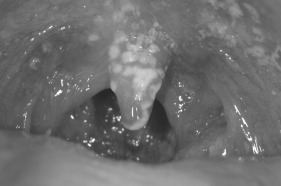
A) a Candida albicans infection
B) dental caries
C) strep throat
D) a Streptococcus mutans infection
A) a Candida albicans infection
B) dental caries
C) strep throat
D) a Streptococcus mutans infection
Question
Question
Question
Question
Question
Question
Question
Question
Question
Question
Question
Question
Question
What type of organism is shown in the figure?
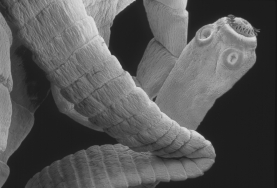
A) tapeworm
B) pinworm
C) whipworm
D) hookworm
A) tapeworm
B) pinworm
C) whipworm
D) hookworm
Question
Question
Question
Question
Question
Question
Question
Question
Question
Question
Question
Question
Question
Question
Question
Question
Question
Question
Question
Question
Question
Question
Question
Question
Question
Question
Question
Question
Question
Question
Question
Question
Question

Unlock Deck
Sign up to unlock the cards in this deck!
Unlock Deck
Unlock Deck
1/62

Play

Full screen (f)
Deck 22: Infections of the Digestive System
1
Cynthia travels to Honduras and eats raw oysters from a small restaurant out in the middle of nowhere.After feeling sick for a while,she goes to the clinic when jaundice appears.Cynthia is very concerned that she is going to die.What does the health care worker tell her?
A) She should be fine, as the virus causing her condition is self-limited and will be cleared by her immune system.
B) She should be fine since she came in quickly and will respond well to antiviral drugs.
C) She will need to be hospitalized, but with the right treatment, she will eventually be fine.
D) She has a fatal condition.
A) She should be fine, as the virus causing her condition is self-limited and will be cleared by her immune system.
B) She should be fine since she came in quickly and will respond well to antiviral drugs.
C) She will need to be hospitalized, but with the right treatment, she will eventually be fine.
D) She has a fatal condition.
A
2
What is the purpose of drinking fluoride-treated water?
A) hardens tooth enamel
B) softens tooth enamel
C) fights plaque
D) kills organisms that cause cavities
A) hardens tooth enamel
B) softens tooth enamel
C) fights plaque
D) kills organisms that cause cavities
A
3
Which of the following is NOT a natural defense of the oral cavity?
A) acidic conditions
B) lysozyme
C) IgA
D) digestive mucus
A) acidic conditions
B) lysozyme
C) IgA
D) digestive mucus
A
4
Why would a nondeadly intestinal pathogen most likely want to cause diarrhea?
A) to leave before the host is irreparably harmed
B) to leave before the host immune system becomes activated and begins attacking the pathogen
C) to escape to a different organ system
D) to flush out the competition
A) to leave before the host is irreparably harmed
B) to leave before the host immune system becomes activated and begins attacking the pathogen
C) to escape to a different organ system
D) to flush out the competition
Unlock Deck
Unlock for access to all 62 flashcards in this deck.
Unlock Deck
k this deck
5
When does dental caries become painful?
A) when the biofilm forms on the tooth
B) when the enamel breaks down
C) when the decay penetrates the nerve
D) Dental caries is never painful.
A) when the biofilm forms on the tooth
B) when the enamel breaks down
C) when the decay penetrates the nerve
D) Dental caries is never painful.
Unlock Deck
Unlock for access to all 62 flashcards in this deck.
Unlock Deck
k this deck
6
Which type of diarrhea does NOT involve water leaving intestinal cells?
A) osmotic
B) secretory
C) motility-related
D) inflammatory
A) osmotic
B) secretory
C) motility-related
D) inflammatory
Unlock Deck
Unlock for access to all 62 flashcards in this deck.
Unlock Deck
k this deck
7
A patient presents at the clinic exhibiting signs of jaundice.How can you confirm that the individual has jaundice?
A) urinalysis
B) spinal tap
C) eye exam
D) MRI
A) urinalysis
B) spinal tap
C) eye exam
D) MRI
Unlock Deck
Unlock for access to all 62 flashcards in this deck.
Unlock Deck
k this deck
8
Tom has been experiencing hepatitis-like symptoms for seven months.When he finally gets around to going to the doctor,his blood tests positive for HBsAg and IgG antibody to HBsAg.Which of the following is the best diagnosis for Tom?
A) acute hepatitis B
B) chronic hepatitis B
C) acute hepatitis D
D) chronic hepatitis D
A) acute hepatitis B
B) chronic hepatitis B
C) acute hepatitis D
D) chronic hepatitis D
Unlock Deck
Unlock for access to all 62 flashcards in this deck.
Unlock Deck
k this deck
9
Which is NOT a common cause of periodontal disease?
A) Aggregatibacter
B) Porphyromonas
C) Bacteroides
D) Lactobacillus
A) Aggregatibacter
B) Porphyromonas
C) Bacteroides
D) Lactobacillus
Unlock Deck
Unlock for access to all 62 flashcards in this deck.
Unlock Deck
k this deck
10
What is chyme?
A) the wavelike motion of intestinal muscles
B) semisolid waste
C) food broken down by muscle contraction and gastric juices
D) the interior stomach lining
A) the wavelike motion of intestinal muscles
B) semisolid waste
C) food broken down by muscle contraction and gastric juices
D) the interior stomach lining
Unlock Deck
Unlock for access to all 62 flashcards in this deck.
Unlock Deck
k this deck
11
Individuals with ________ find eating and swallowing to be painful.
A) gingivitis
B) trench mouth
C) dental caries
D) plaque
A) gingivitis
B) trench mouth
C) dental caries
D) plaque
Unlock Deck
Unlock for access to all 62 flashcards in this deck.
Unlock Deck
k this deck
12
When does breakdown of food begin?
A) in the esophagus
B) when saliva is secreted by the salivary glands
C) in the gastric acids of the stomach
D) in the large intestine
A) in the esophagus
B) when saliva is secreted by the salivary glands
C) in the gastric acids of the stomach
D) in the large intestine
Unlock Deck
Unlock for access to all 62 flashcards in this deck.
Unlock Deck
k this deck
13
Shannon comes down with a Clostridium difficile infection that results in severe colitis.Which of the following conditions is she experiencing?
A) inflammation of the small intestine
B) inflammation of the large intestine
C) inflammation of the stomach lining
D) inflammation of the Paneth cells
A) inflammation of the small intestine
B) inflammation of the large intestine
C) inflammation of the stomach lining
D) inflammation of the Paneth cells
Unlock Deck
Unlock for access to all 62 flashcards in this deck.
Unlock Deck
k this deck
14
Which part of the human digestive tract cannot be colonized by microorganisms?
A) mouth
B) All parts of the digestive tract can be colonized.
C) liver
D) small intestine
A) mouth
B) All parts of the digestive tract can be colonized.
C) liver
D) small intestine
Unlock Deck
Unlock for access to all 62 flashcards in this deck.
Unlock Deck
k this deck
15
Even with healthy liver function,the majority of individuals infected with ________ develop a chronic infection.
A) rotavirus
B) hepatitis A
C) hepatitis B
D) hepatitis C
A) rotavirus
B) hepatitis A
C) hepatitis B
D) hepatitis C
Unlock Deck
Unlock for access to all 62 flashcards in this deck.
Unlock Deck
k this deck
16
What is shown in this figure?
A) a Candida albicans infection
B) dental caries
C) strep throat
D) a Streptococcus mutans infection
A) a Candida albicans infection
B) dental caries
C) strep throat
D) a Streptococcus mutans infection
Unlock Deck
Unlock for access to all 62 flashcards in this deck.
Unlock Deck
k this deck
17
During digestion,bicarbonate is secreted by ________ cells.
A) parietal
B) chief
C) mucus neck
D) M
A) parietal
B) chief
C) mucus neck
D) M
Unlock Deck
Unlock for access to all 62 flashcards in this deck.
Unlock Deck
k this deck
18
Many enteric pathogens are transmitted through
A) sexual contact.
B) the parenteral route.
C) airborne transmission.
D) expulsion of feces.
A) sexual contact.
B) the parenteral route.
C) airborne transmission.
D) expulsion of feces.
Unlock Deck
Unlock for access to all 62 flashcards in this deck.
Unlock Deck
k this deck
19
The tropism of Salmonella infections includes
A) the intestinal lumen.
B) the ileum.
C) Paneth cells.
D) M cells.
A) the intestinal lumen.
B) the ileum.
C) Paneth cells.
D) M cells.
Unlock Deck
Unlock for access to all 62 flashcards in this deck.
Unlock Deck
k this deck
20
What is the job of the esophagus?
A) to propel food toward the stomach
B) to separate the contents of the abdominal cavity from the chest
C) to digest food
D) to break down toxins
A) to propel food toward the stomach
B) to separate the contents of the abdominal cavity from the chest
C) to digest food
D) to break down toxins
Unlock Deck
Unlock for access to all 62 flashcards in this deck.
Unlock Deck
k this deck
21
Which of the following organisms is NOT transmitted by direct fecal-oral contact?
A) Entamoeba
B) Giardia
C) Cyclospora
D) Cryptosporidium
A) Entamoeba
B) Giardia
C) Cyclospora
D) Cryptosporidium
Unlock Deck
Unlock for access to all 62 flashcards in this deck.
Unlock Deck
k this deck
22
Yersinia enterocolitica infection should be treated with
A) surgery.
B) proton pump inhibitors.
C) antibiotics.
D) hydration.
A) surgery.
B) proton pump inhibitors.
C) antibiotics.
D) hydration.
Unlock Deck
Unlock for access to all 62 flashcards in this deck.
Unlock Deck
k this deck
23
Peritonitis and cholecystitis can result when ________ infects immunocompromised individuals.
A) Campylobacter jejuni
B) Salmonella enterica
C) E. coli
D) Shigella dysenteriae
A) Campylobacter jejuni
B) Salmonella enterica
C) E. coli
D) Shigella dysenteriae
Unlock Deck
Unlock for access to all 62 flashcards in this deck.
Unlock Deck
k this deck
24
The most common bacterial cause of diarrhea in the United States is
A) E. coli.
B) Shigella.
C) Campylobacter.
D) Salmonella.
A) E. coli.
B) Shigella.
C) Campylobacter.
D) Salmonella.
Unlock Deck
Unlock for access to all 62 flashcards in this deck.
Unlock Deck
k this deck
25
Within three hours of attending the church carnival,Maya and her family are all vomiting uncontrollably.What organism have they likely ingested?
A) no organism-most likely a toxin from Staphylococcus aureus
B) Listeria monocytogenes
C) Salmonella typhimurium
D) Campylobacter jejuni
A) no organism-most likely a toxin from Staphylococcus aureus
B) Listeria monocytogenes
C) Salmonella typhimurium
D) Campylobacter jejuni
Unlock Deck
Unlock for access to all 62 flashcards in this deck.
Unlock Deck
k this deck
26
Oophoritis can result in ________ infected with mumps.
A) prepubescent males
B) postpubescent males
C) prepubescent females
D) postpubescent females
A) prepubescent males
B) postpubescent males
C) prepubescent females
D) postpubescent females
Unlock Deck
Unlock for access to all 62 flashcards in this deck.
Unlock Deck
k this deck
27
What would be the expected result if the acid-resistance genes of EHEC strains were deleted?
A) It would be better adapted to survive in the stomach.
B) It would no longer be able to colonize the respiratory tract.
C) It would have a higher oral infectious dose.
D) It would have a lower oral infectious dose.
A) It would be better adapted to survive in the stomach.
B) It would no longer be able to colonize the respiratory tract.
C) It would have a higher oral infectious dose.
D) It would have a lower oral infectious dose.
Unlock Deck
Unlock for access to all 62 flashcards in this deck.
Unlock Deck
k this deck
28
If humans began engaging in regular cannibalism,which of the following might become more prevalent?
A) Trichinella
B) Stongyloides
C) Necator
D) Ascarsis
A) Trichinella
B) Stongyloides
C) Necator
D) Ascarsis
Unlock Deck
Unlock for access to all 62 flashcards in this deck.
Unlock Deck
k this deck
29
What type of organism is shown in the figure?
A) tapeworm
B) pinworm
C) whipworm
D) hookworm
A) tapeworm
B) pinworm
C) whipworm
D) hookworm
Unlock Deck
Unlock for access to all 62 flashcards in this deck.
Unlock Deck
k this deck
30
Adult infection with ________ can sometimes lead to meningitis.
A) rotavirus
B) mumps virus
C) hepatitis A
D) hepatitis D
A) rotavirus
B) mumps virus
C) hepatitis A
D) hepatitis D
Unlock Deck
Unlock for access to all 62 flashcards in this deck.
Unlock Deck
k this deck
31
Tapeworms are transmitted by the ________ route.
A) fecal-environment-skin
B) fecal-oral
C) fecal-oral-environment-skin
D) fecal-intermediate host-oral
A) fecal-environment-skin
B) fecal-oral
C) fecal-oral-environment-skin
D) fecal-intermediate host-oral
Unlock Deck
Unlock for access to all 62 flashcards in this deck.
Unlock Deck
k this deck
32
Which of the following organisms is noninvasive,yet causes bloody diarrhea?
A) Salmonella
B) Shigella
C) Campylobacter
D) enterohemorrhagic E. coli
A) Salmonella
B) Shigella
C) Campylobacter
D) enterohemorrhagic E. coli
Unlock Deck
Unlock for access to all 62 flashcards in this deck.
Unlock Deck
k this deck
33
What is the problem with antihelminth drugs?
A) They are not able to completely eliminate the worm from the body.
B) They are not able to kill the worm.
C) They are not able to starve the worm.
D) There is no problem with antihelminth drugs.
A) They are not able to completely eliminate the worm from the body.
B) They are not able to kill the worm.
C) They are not able to starve the worm.
D) There is no problem with antihelminth drugs.
Unlock Deck
Unlock for access to all 62 flashcards in this deck.
Unlock Deck
k this deck
34
What would be the expected result on the body if the pathogenicity island of Clostridium difficile were removed?
A) an increase in production of TNF-a
B) a decrease in production of TNF-a
C) an increased ability to detect the toxin in a fecal sample
D) an increased ability to identify the organism by PCR
A) an increase in production of TNF-a
B) a decrease in production of TNF-a
C) an increased ability to detect the toxin in a fecal sample
D) an increased ability to identify the organism by PCR
Unlock Deck
Unlock for access to all 62 flashcards in this deck.
Unlock Deck
k this deck
35
Orchitis can result in ________ infected with mumps.
A) prepubescent males
B) postpubescent males
C) prepubescent females
D) postpubescent females
A) prepubescent males
B) postpubescent males
C) prepubescent females
D) postpubescent females
Unlock Deck
Unlock for access to all 62 flashcards in this deck.
Unlock Deck
k this deck
36
Which of the following organisms might someday be prevented from causing infections by a vaccine?
A) E. coli
B) Shigella
C) Salmonella
D) Listeria
A) E. coli
B) Shigella
C) Salmonella
D) Listeria
Unlock Deck
Unlock for access to all 62 flashcards in this deck.
Unlock Deck
k this deck
37
Jim and his family were on vacation in sunny Florida.One evening after spending the day at the beach,Jim noticed a painful wound that he was not aware he had.After 24 hours without treatment,Jim was pronounced dead.What organism infected Jim?
A) Listeria monocytogenes
B) Clostridium difficile
C) Vibrio cholerae
D) Vibrio vulnificus
A) Listeria monocytogenes
B) Clostridium difficile
C) Vibrio cholerae
D) Vibrio vulnificus
Unlock Deck
Unlock for access to all 62 flashcards in this deck.
Unlock Deck
k this deck
38
Viruses that cause vomiting will often produce enterotoxins that result in
A) overstimulation of the vagus nerve.
B) understimulation of the vagus nerve.
C) hypoperistalsis.
D) isoperistalsis.
A) overstimulation of the vagus nerve.
B) understimulation of the vagus nerve.
C) hypoperistalsis.
D) isoperistalsis.
Unlock Deck
Unlock for access to all 62 flashcards in this deck.
Unlock Deck
k this deck
39
Infection with ________ could mimic symptoms of hepatitis.
A) Entamoeba histolytica
B) Cryptosporidium hominis
C) Cyclospora cayetanensis
D) Giardia intestinalis
A) Entamoeba histolytica
B) Cryptosporidium hominis
C) Cyclospora cayetanensis
D) Giardia intestinalis
Unlock Deck
Unlock for access to all 62 flashcards in this deck.
Unlock Deck
k this deck
40
Karen is suffering from a gastrointestinal illness caused by a Gram-negative bacterium without flagella.Which of the following conditions could Karen have?
A) salmonellosis
B) shigellosis
C) hemolytic uremia syndrome
D) peptic ulcers
A) salmonellosis
B) shigellosis
C) hemolytic uremia syndrome
D) peptic ulcers
Unlock Deck
Unlock for access to all 62 flashcards in this deck.
Unlock Deck
k this deck
41
What is the likely cause of the condition suffered by the individual who said the sentence below? Explain the mistake.
"I went on a cruise last week and was so sick with the stomach flu!"
"I went on a cruise last week and was so sick with the stomach flu!"
Unlock Deck
Unlock for access to all 62 flashcards in this deck.
Unlock Deck
k this deck
42
Explain how infections with Yersinia enterocolitica can cause symptoms outside of the gastrointestinal tract.
Unlock Deck
Unlock for access to all 62 flashcards in this deck.
Unlock Deck
k this deck
43
A recall on spinach potentially contaminated with Yersinia enterocolitica occurs.Sally hears about the recall but has kept her spinach in the refrigerator.She figures that even if her spinach had been contaminated,the organism will not grow in the refrigerator.Therefore,the number of organisms present will be so small that even if her spinach is contaminated,she will not be affected.Is Sally correct? Explain.
Unlock Deck
Unlock for access to all 62 flashcards in this deck.
Unlock Deck
k this deck
44
________ results when intestinal mucosal cells increase ion secretion.
Unlock Deck
Unlock for access to all 62 flashcards in this deck.
Unlock Deck
k this deck
45
During digestion,pepsin is secreted by ________.
Unlock Deck
Unlock for access to all 62 flashcards in this deck.
Unlock Deck
k this deck
46
The part of a tooth protruding outward from the gum is called the ________.
Unlock Deck
Unlock for access to all 62 flashcards in this deck.
Unlock Deck
k this deck
47
Lactobacillus species are a major type of probiotic.Describe one positive aspect of Lactobacillus and one negative aspect.
Unlock Deck
Unlock for access to all 62 flashcards in this deck.
Unlock Deck
k this deck
48
Describe the life cycle of the tapeworm.
Unlock Deck
Unlock for access to all 62 flashcards in this deck.
Unlock Deck
k this deck
49
________ can result from overcrowding/bad hygiene as well as eating undercooked seafood.
Unlock Deck
Unlock for access to all 62 flashcards in this deck.
Unlock Deck
k this deck
50
People infected with ________ are treated with proton pump inhibitors and a high dose of antibiotics.
Unlock Deck
Unlock for access to all 62 flashcards in this deck.
Unlock Deck
k this deck
51
How would you distinguish between gingivitis,periodontal disease,and trench mouth?
Unlock Deck
Unlock for access to all 62 flashcards in this deck.
Unlock Deck
k this deck
52
Giardiasis is caused by the ________ Giardia intestinalis.
Unlock Deck
Unlock for access to all 62 flashcards in this deck.
Unlock Deck
k this deck
53
Jack presents at the clinic with mild nausea,vomiting,abdominal pain,and jaundice.The most likely cause of Jack's condition is ________.
Unlock Deck
Unlock for access to all 62 flashcards in this deck.
Unlock Deck
k this deck
54
The most common sign of a gastrointestinal infection is ________,having three or more loose stools per day.
Unlock Deck
Unlock for access to all 62 flashcards in this deck.
Unlock Deck
k this deck
55
A liver biopsy is used to diagnose infection with the ________ helminth.
Unlock Deck
Unlock for access to all 62 flashcards in this deck.
Unlock Deck
k this deck
56
The gastrointestinal tract is a long tube extending from ________to________.
Unlock Deck
Unlock for access to all 62 flashcards in this deck.
Unlock Deck
k this deck
57
CASE HISTORY
A 2)1-kilogram (4.7-pound)female neonate was born at 32 weeks.A normal neonate averages 3.17 kg,or 7 pounds,and is born at 40 weeks.The baby was clearly in distress and was intubated at birth because of poor respiratory effort.A chest X-ray showed an infiltrate in the baby's right lung.Her mother,Linda,presented at the time of delivery with lower abdominal pain,a temperature of 39° C (102°F),and a white cell count of 25,000/ml (normal is 4,000-10,000).Blood cultures from Linda and her child grew Gram-positive coccobacilli.Mother and baby fully recovered after antibiotic treatment.The physician later learned that Linda had recently visited Mexico,where she ate unpasteurized soft cheese called queso blanco.
Which bacterium,possessing virulence factors that enable it to cross the placental barrier,is the likely etiologic agent of Linda's infection (and her baby's)?
A) Listeria monocytogenes
B) Clostridium perfringens
C) Staphylococcus aureus
D) Corynebacterium diptheriae
A 2)1-kilogram (4.7-pound)female neonate was born at 32 weeks.A normal neonate averages 3.17 kg,or 7 pounds,and is born at 40 weeks.The baby was clearly in distress and was intubated at birth because of poor respiratory effort.A chest X-ray showed an infiltrate in the baby's right lung.Her mother,Linda,presented at the time of delivery with lower abdominal pain,a temperature of 39° C (102°F),and a white cell count of 25,000/ml (normal is 4,000-10,000).Blood cultures from Linda and her child grew Gram-positive coccobacilli.Mother and baby fully recovered after antibiotic treatment.The physician later learned that Linda had recently visited Mexico,where she ate unpasteurized soft cheese called queso blanco.
Which bacterium,possessing virulence factors that enable it to cross the placental barrier,is the likely etiologic agent of Linda's infection (and her baby's)?
A) Listeria monocytogenes
B) Clostridium perfringens
C) Staphylococcus aureus
D) Corynebacterium diptheriae
Unlock Deck
Unlock for access to all 62 flashcards in this deck.
Unlock Deck
k this deck
58
Infections of the oral cavity start as a ________.
Unlock Deck
Unlock for access to all 62 flashcards in this deck.
Unlock Deck
k this deck
59
CPE is an enterotoxin produced by ________.
Unlock Deck
Unlock for access to all 62 flashcards in this deck.
Unlock Deck
k this deck
60
Explain why a gastrointestinal pathogen would want to cause diarrhea when it could easily result in its removal from the host.
Unlock Deck
Unlock for access to all 62 flashcards in this deck.
Unlock Deck
k this deck
61
CASE HISTORY
Tammy,a six-year-old girl from Montgomery County,Pennsylvania,arrived at a hospital's emergency department with bloody diarrhea,a temperature of 39° C (102.2°F),abdominal cramping,and vomiting.She was admitted to the hospital five days after a kindergarten field trip to the local dairy farm.The child's health history was otherwise unremarkable.At the time of hospital admission,her parents were asked about Tammy's activities during the trip.They confirmed that Tammy bought a snack while at the farm.The laboratory reported that her fecal smear was positive for leukocytes and contained Gram-negative rods that produced shiga toxins 1 and 2.Subsequent testing of the isolate's serotype revealed E.coli O157:H₇.By this time,Tammy had developed further problems.Her face and hands had become puffy,she had decreased urine output despite being given IV fluids (suggesting kidney damage),and she was beginning to develop some neurological abnormalities.Laboratory analyses of blood samples revealed thrombocytopenia (reduced blood platelet count)and confirmed hemolytic uremic syndrome (HUS,renal failure).The child was given intravenous fluid and electrolyte replacement.Antibiotics were not administered,and Tammy eventually recovered.
E.coli O157:H₇ is Verotoxin-producing Escherichia coli,or EHEC.How do these differ from Enterotoxigenic Escherichia coli,or ETEC,and how would Tammy's disease progress have been observably different if she had been infected with ETEC instead?
Tammy,a six-year-old girl from Montgomery County,Pennsylvania,arrived at a hospital's emergency department with bloody diarrhea,a temperature of 39° C (102.2°F),abdominal cramping,and vomiting.She was admitted to the hospital five days after a kindergarten field trip to the local dairy farm.The child's health history was otherwise unremarkable.At the time of hospital admission,her parents were asked about Tammy's activities during the trip.They confirmed that Tammy bought a snack while at the farm.The laboratory reported that her fecal smear was positive for leukocytes and contained Gram-negative rods that produced shiga toxins 1 and 2.Subsequent testing of the isolate's serotype revealed E.coli O157:H₇.By this time,Tammy had developed further problems.Her face and hands had become puffy,she had decreased urine output despite being given IV fluids (suggesting kidney damage),and she was beginning to develop some neurological abnormalities.Laboratory analyses of blood samples revealed thrombocytopenia (reduced blood platelet count)and confirmed hemolytic uremic syndrome (HUS,renal failure).The child was given intravenous fluid and electrolyte replacement.Antibiotics were not administered,and Tammy eventually recovered.
E.coli O157:H₇ is Verotoxin-producing Escherichia coli,or EHEC.How do these differ from Enterotoxigenic Escherichia coli,or ETEC,and how would Tammy's disease progress have been observably different if she had been infected with ETEC instead?
Unlock Deck
Unlock for access to all 62 flashcards in this deck.
Unlock Deck
k this deck
62
CASE HISTORY
Tammy,a six-year-old girl from Montgomery County,Pennsylvania,arrived at a hospital's emergency department with bloody diarrhea,a temperature of 39° C (102.2°F),abdominal cramping,and vomiting.She was admitted to the hospital five days after a kindergarten field trip to the local dairy farm.The child's health history was otherwise unremarkable.At the time of hospital admission,her parents were asked about Tammy's activities during the trip.They confirmed that Tammy bought a snack while at the farm.The laboratory reported that her fecal smear was positive for leukocytes and contained Gram-negative rods that produced shiga toxins 1 and 2.Subsequent testing of the isolate's serotype revealed E.coli O157:H₇.By this time,Tammy had developed further problems.Her face and hands had become puffy,she had decreased urine output despite being given IV fluids (suggesting kidney damage),and she was beginning to develop some neurological abnormalities.Laboratory analyses of blood samples revealed thrombocytopenia (reduced blood platelet count)and confirmed hemolytic uremic syndrome (HUS,renal failure).The child was given intravenous fluid and electrolyte replacement.Antibiotics were not administered,and Tammy eventually recovered.
Why did physicians choose not to treat Tammy with antibiotics,despite her disease's bacterial etiology?
Tammy,a six-year-old girl from Montgomery County,Pennsylvania,arrived at a hospital's emergency department with bloody diarrhea,a temperature of 39° C (102.2°F),abdominal cramping,and vomiting.She was admitted to the hospital five days after a kindergarten field trip to the local dairy farm.The child's health history was otherwise unremarkable.At the time of hospital admission,her parents were asked about Tammy's activities during the trip.They confirmed that Tammy bought a snack while at the farm.The laboratory reported that her fecal smear was positive for leukocytes and contained Gram-negative rods that produced shiga toxins 1 and 2.Subsequent testing of the isolate's serotype revealed E.coli O157:H₇.By this time,Tammy had developed further problems.Her face and hands had become puffy,she had decreased urine output despite being given IV fluids (suggesting kidney damage),and she was beginning to develop some neurological abnormalities.Laboratory analyses of blood samples revealed thrombocytopenia (reduced blood platelet count)and confirmed hemolytic uremic syndrome (HUS,renal failure).The child was given intravenous fluid and electrolyte replacement.Antibiotics were not administered,and Tammy eventually recovered.
Why did physicians choose not to treat Tammy with antibiotics,despite her disease's bacterial etiology?
Unlock Deck
Unlock for access to all 62 flashcards in this deck.
Unlock Deck
k this deck
Unlock Deck
Unlock for access to all 62 flashcards in this deck.






