







 Chat with AI

Deck 17: Environmental Hazards and Human Health
Full screen (f)

Question

Question
Question
Question
Question
Question
Question
Question
Question
Question
Question
Question
Question
Question
Question
Question
Question
Question
Question
Question
Question
Question
Question
Question
Question
Question
Question
Question
Question
Question
Question
Question
Question
Question
Question
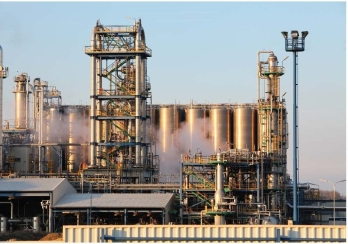
Industrial pollution from this oil refinery best represents a type of
A)biological environmental hazard.
B)cultural environmental hazard.
C)physical environmental hazard.
D)chemical environmental hazard.
Question
Question
Question
Question
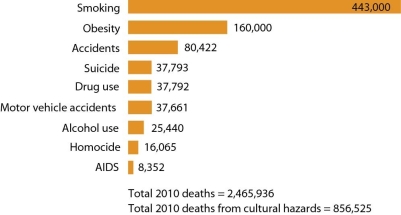
This figure illustrates examples of environmental hazards related to
A)biology.
B)culture.
C)the physical environment.
D)chemicals in the environment.
Question
Question
Question
Question
Question
Question
Question
Question
Question
Question
Question
Question
Question
Question
Question
Question
Question
Question
Question
Question
Question
Question
Question
Question
Question
Question
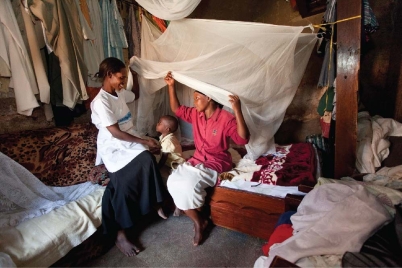
The people in this photograph are using
A)a bed net for mosquito vector control.
B)antibiotic-treated white sheets to kill the parasite the causes malaria.
C)a bed raised off the ground to prevent malarial infection by ticks.
D)a DDT-treated tent and sheets strategy that kills the parasite that causes malaria.
Question
Question
Question
Question
Question
Question
Question
Question
Question
Question
Question
Question
Question
Question
Question

Unlock Deck
Sign up to unlock the cards in this deck!
Unlock Deck
Unlock Deck
1/84

Play

Full screen (f)
Deck 17: Environmental Hazards and Human Health
1
In the United States,if you are concerned about an infectious disease such as the bird flu,the most reliable source of information would be the
A)United States Department of Human Health and Sciences.
B)United States Department of Agriculture.
C)National Academy of Sciences.
D)Centers for Disease Control and Prevention.
A)United States Department of Human Health and Sciences.
B)United States Department of Agriculture.
C)National Academy of Sciences.
D)Centers for Disease Control and Prevention.
Centers for Disease Control and Prevention.
2
Which of the following is a good example of a cultural hazard to public health?
A)During an earthquake in Japan,people are killed by falling pieces of a building.
B)Air pollution near an oil refinery releases known carcinogens into the air.
C)People living in southern Africa face some of the highest risks of developing tuberculosis.
D)Eating a high-fat diet and engaging in little exercise,a man increasingly becomes obese.
A)During an earthquake in Japan,people are killed by falling pieces of a building.
B)Air pollution near an oil refinery releases known carcinogens into the air.
C)People living in southern Africa face some of the highest risks of developing tuberculosis.
D)Eating a high-fat diet and engaging in little exercise,a man increasingly becomes obese.
Eating a high-fat diet and engaging in little exercise,a man increasingly becomes obese.
3
During a January storm in Vermont,a highway truck crashes and spills 3 tons of rock salt onto the side of the road,covering grasses and tumbling down to a creek.Learning about this accident,you wonder about the environmental consequences.This sort of salt naturally occurs in the soil.According to the U.S.Environmental Protection Agency's definition of pollution,this spill would be considered as a
A)nontoxic,non-polluting spill of a natural substance.
B)pollutant that should be cleaned up as much as possible.
C)nutrient supplement,and no environmental harm is expected.
D)problem better suited for the CDC.
A)nontoxic,non-polluting spill of a natural substance.
B)pollutant that should be cleaned up as much as possible.
C)nutrient supplement,and no environmental harm is expected.
D)problem better suited for the CDC.
pollutant that should be cleaned up as much as possible.
4
The causes of mortality differ greatly between developing and developed countries.In developing countries,a high proportion of mortality is caused by
A)infectious disease while in the developed world;most deaths are related to crime.
B)poor nutrition while in the developed world;infectious disease causes most deaths.
C)wars and accidents while in the developed world;most deaths are related to infectious disease.
D)infectious disease while in the developed world;most deaths are related to voluntary behaviors.
A)infectious disease while in the developed world;most deaths are related to crime.
B)poor nutrition while in the developed world;infectious disease causes most deaths.
C)wars and accidents while in the developed world;most deaths are related to infectious disease.
D)infectious disease while in the developed world;most deaths are related to voluntary behaviors.
Unlock Deck
Unlock for access to all 84 flashcards in this deck.
Unlock Deck
k this deck
5
Even if people cannot easily spread bird flu from person to person,how might bird flu virus spread in the world?
A)Vaccines against bird flu might spread the disease all over the world.
B)Antibiotics against bird flu will stop working.
C)Migrating birds might spread the flu widely.
D)Hunters shooting the birds and eating the meat might be infected.
A)Vaccines against bird flu might spread the disease all over the world.
B)Antibiotics against bird flu will stop working.
C)Migrating birds might spread the flu widely.
D)Hunters shooting the birds and eating the meat might be infected.
Unlock Deck
Unlock for access to all 84 flashcards in this deck.
Unlock Deck
k this deck
6
The concern about human-to-human transmission of bird flu is most closely monitored by
A)the national governments of the countries of the world.
B)the World Health Organization and the Centers for Disease Control.
C)World Wide Institute for Infectious Disease.
D)International Centers for Health and Human Disease.
A)the national governments of the countries of the world.
B)the World Health Organization and the Centers for Disease Control.
C)World Wide Institute for Infectious Disease.
D)International Centers for Health and Human Disease.
Unlock Deck
Unlock for access to all 84 flashcards in this deck.
Unlock Deck
k this deck
7
The H1N1 swine flu pandemic of 2009-2010 resulted in the immunization of millions of people.When the immunizations were first available,people under 25 or over 65 were given priority.This was done because H1N1
A)was a hazard to people in these age groups,and only these people were vulnerable to infection.
B)these age groups were most vulnerable to the hazard,putting them at greatest risk.
C)was not a hazard to these people,but they were most vulnerable to infection.
D)vaccines only worked on people in these age groups.
A)was a hazard to people in these age groups,and only these people were vulnerable to infection.
B)these age groups were most vulnerable to the hazard,putting them at greatest risk.
C)was not a hazard to these people,but they were most vulnerable to infection.
D)vaccines only worked on people in these age groups.
Unlock Deck
Unlock for access to all 84 flashcards in this deck.
Unlock Deck
k this deck
8
As depicted in the film Contagion,isolated viral outbreaks can quickly become global threats if the virus is easily
A)transferred between infected animals and people.
B)transferred between people who then travel widely while infected.
C)transferred between people who then quickly get ill and do not travel.
D)transferred from infected people to people already ill with other diseases.
A)transferred between infected animals and people.
B)transferred between people who then travel widely while infected.
C)transferred between people who then quickly get ill and do not travel.
D)transferred from infected people to people already ill with other diseases.
Unlock Deck
Unlock for access to all 84 flashcards in this deck.
Unlock Deck
k this deck
9
Which of the following types of pollution became much more common in the 20th century?
A)large-scale pollution in developing countries
B)small-scale regional pollution in developing countries
C)small-scale regional pollution in developed countries
D)large-scale pollution in developed countries
A)large-scale pollution in developing countries
B)small-scale regional pollution in developing countries
C)small-scale regional pollution in developed countries
D)large-scale pollution in developed countries
Unlock Deck
Unlock for access to all 84 flashcards in this deck.
Unlock Deck
k this deck
10
Studying environmental biology has got you thinking about what you do with your kitchen wastes,the discarded egg shells,orange and banana peels,coffee grounds,etc.Living at the edge of town,you have several options.Which of the following would be the least efficient (or slowest)way to allow natural decay of your kitchen wastes?
A)collecting your kitchen garbage in small plastic bags and disposing of it in a large city landfill
B)collecting your kitchen garbage in paper bags and disposing of it in a large city landfill
C)spreading your kitchen wastes on the top of a garden
D)burying your kitchen wastes deep in your garden soil
A)collecting your kitchen garbage in small plastic bags and disposing of it in a large city landfill
B)collecting your kitchen garbage in paper bags and disposing of it in a large city landfill
C)spreading your kitchen wastes on the top of a garden
D)burying your kitchen wastes deep in your garden soil
Unlock Deck
Unlock for access to all 84 flashcards in this deck.
Unlock Deck
k this deck
11
Risk in environmental health is most related to
A)hazards.
B)vulnerability.
C)hazards multiplied by vulnerability.
D)hazards or vulnerability.
A)hazards.
B)vulnerability.
C)hazards multiplied by vulnerability.
D)hazards or vulnerability.
Unlock Deck
Unlock for access to all 84 flashcards in this deck.
Unlock Deck
k this deck
12
People suffering from AIDS have a weakened immune system.Because of their disease,AIDS patients are
A)more vulnerable to the risk of nitrogen in the air.
B)less vulnerable to the risk of bacteria in the air.
C)more vulnerable to bacteria,which are less of a risk to healthy people.
D)less vulnerable to any type of fungal,bacterial,or viral infection.
A)more vulnerable to the risk of nitrogen in the air.
B)less vulnerable to the risk of bacteria in the air.
C)more vulnerable to bacteria,which are less of a risk to healthy people.
D)less vulnerable to any type of fungal,bacterial,or viral infection.
Unlock Deck
Unlock for access to all 84 flashcards in this deck.
Unlock Deck
k this deck
13
Biologists advising park rangers wondered how best to dispose of human wastes with the potential of transmitting diarrhea at remote camping sites along a turbulent river.Every year thousands of people canoe down the river and are required to stay at predetermined campsites.These remote locations are not accessible by road or any large boat.Which of the following strategies of managing human waste would have the least impact on the environment?
A)Encourage people to urinate in the river and carry out solid human waste in special biodegradable bags later to be disposed of as hazardous waste.
B)Require everyone to dig their own latrine and bury their own waste when they are done.
C)Accumulate all human wastes in large tanks,seal them forever and bury them when they are full.
D)Allow people to leave all human wastes on top the ground as long as they are out of sight.
A)Encourage people to urinate in the river and carry out solid human waste in special biodegradable bags later to be disposed of as hazardous waste.
B)Require everyone to dig their own latrine and bury their own waste when they are done.
C)Accumulate all human wastes in large tanks,seal them forever and bury them when they are full.
D)Allow people to leave all human wastes on top the ground as long as they are out of sight.
Unlock Deck
Unlock for access to all 84 flashcards in this deck.
Unlock Deck
k this deck
14
Over the past 50 years,global life expectancy has
A)decreased by about 5 years,due primarily to increases in viral infections.
B)stayed about the same,due to new diseases spread by global climate change.
C)risen about 5 years due to the development of many poor nations.
D)risen more than 20 years due to better health care and nutrition worldwide.
A)decreased by about 5 years,due primarily to increases in viral infections.
B)stayed about the same,due to new diseases spread by global climate change.
C)risen about 5 years due to the development of many poor nations.
D)risen more than 20 years due to better health care and nutrition worldwide.
Unlock Deck
Unlock for access to all 84 flashcards in this deck.
Unlock Deck
k this deck
15
Which of the following is the least biodegradable?
A)paper bag from a grocery store
B)leaves and branches piled up on a hillside
C)glass beer bottle
D)polyethylene wrapper that was used to package Campbell's soup
A)paper bag from a grocery store
B)leaves and branches piled up on a hillside
C)glass beer bottle
D)polyethylene wrapper that was used to package Campbell's soup
Unlock Deck
Unlock for access to all 84 flashcards in this deck.
Unlock Deck
k this deck
16
Which of the following is a good example of a physical hazard to public health?
A)In much of the United States,mosquitoes are known to transmit West Nile Virus to people.
B)The use of condoms is known to reduce the risk of most sexually transmitted diseases.
C)An earthquake kills more than 200,000 people in Haiti and destroys countless homes,roads and buildings.
D)Levels of mercury in some lakes result in dangerous levels in the meat of fish.
A)In much of the United States,mosquitoes are known to transmit West Nile Virus to people.
B)The use of condoms is known to reduce the risk of most sexually transmitted diseases.
C)An earthquake kills more than 200,000 people in Haiti and destroys countless homes,roads and buildings.
D)Levels of mercury in some lakes result in dangerous levels in the meat of fish.
Unlock Deck
Unlock for access to all 84 flashcards in this deck.
Unlock Deck
k this deck
17
The greatest public health concerns about the H5N1 bird flu virus,as recently highlighted in the potentially dangerous dual-use experiments,is that it will
A)be spread from one bird to another.
B)be spread from birds to people.
C)spread out of the country of Australia.
D)spread from person to person.
A)be spread from one bird to another.
B)be spread from birds to people.
C)spread out of the country of Australia.
D)spread from person to person.
Unlock Deck
Unlock for access to all 84 flashcards in this deck.
Unlock Deck
k this deck
18
In the winter in North America,the common cold often shows
A)high morbidity but low mortality.
B)high morbidity and high mortality.
C)low morbidity but high mortality.
D)low morbidity and low mortality.
A)high morbidity but low mortality.
B)high morbidity and high mortality.
C)low morbidity but high mortality.
D)low morbidity and low mortality.
Unlock Deck
Unlock for access to all 84 flashcards in this deck.
Unlock Deck
k this deck
19
A recent study indicated that more than 60% of human pathogens are zoonotic,meaning that they
A)can infect any animal species.
B)originate in humans and spread to various species of animals.
C)can be transmitted between animals and humans.
D)are invariably fatal in animals but can cause serious illness to humans.
A)can infect any animal species.
B)originate in humans and spread to various species of animals.
C)can be transmitted between animals and humans.
D)are invariably fatal in animals but can cause serious illness to humans.
Unlock Deck
Unlock for access to all 84 flashcards in this deck.
Unlock Deck
k this deck
20
The Centers for Disease Control employs many people who study epidemiology.These people might be interested in
A)identifying new types of infectious disease.
B)the prevention of infectious disease.
C)the worldwide distribution of infectious disease.
D)identifying,tracking the spread of,and preventing infectious disease.
A)identifying new types of infectious disease.
B)the prevention of infectious disease.
C)the worldwide distribution of infectious disease.
D)identifying,tracking the spread of,and preventing infectious disease.
Unlock Deck
Unlock for access to all 84 flashcards in this deck.
Unlock Deck
k this deck
21
Which of the following products contains the greatest number of carcinogens?
A)a thick vanilla milkshake
B)a Twinkie snack
C)chewing tobacco
D)tap water from most cities in the United States
A)a thick vanilla milkshake
B)a Twinkie snack
C)chewing tobacco
D)tap water from most cities in the United States
Unlock Deck
Unlock for access to all 84 flashcards in this deck.
Unlock Deck
k this deck
22
Which of the following is a good example of a biological hazard to public health?
A)Rotavirus infections lead to deadly diarrhea in more than a million children each year.
B)Chewing tobacco is known to greatly increase the chances of cancer of the mouth and throat.
C)Living deep in a forest,the drought increased the chances of a deadly forest fire.
D)The use of air bags and safety belts has greatly reduced accidental deaths in moving vehicles.
A)Rotavirus infections lead to deadly diarrhea in more than a million children each year.
B)Chewing tobacco is known to greatly increase the chances of cancer of the mouth and throat.
C)Living deep in a forest,the drought increased the chances of a deadly forest fire.
D)The use of air bags and safety belts has greatly reduced accidental deaths in moving vehicles.
Unlock Deck
Unlock for access to all 84 flashcards in this deck.
Unlock Deck
k this deck
23
The greatest risk of death from an infectious disease for people living in northern Eurasia and Africa is most likely
A)tetanus.
B)measles.
C)tuberculosis.
D)hepatitis.
A)tetanus.
B)measles.
C)tuberculosis.
D)hepatitis.
Unlock Deck
Unlock for access to all 84 flashcards in this deck.
Unlock Deck
k this deck
24
The infectious diseases that cause the greatest mortality in the world today are
A)malaria,meningitis,and dengue.
B)syphilis,hepatitis,and herpes.
C)trypanosomiasis,intestinal roundworms,and tuberculosis.
D)acute respiratory infections,diarrhea,and HIV/AIDS.
A)malaria,meningitis,and dengue.
B)syphilis,hepatitis,and herpes.
C)trypanosomiasis,intestinal roundworms,and tuberculosis.
D)acute respiratory infections,diarrhea,and HIV/AIDS.
Unlock Deck
Unlock for access to all 84 flashcards in this deck.
Unlock Deck
k this deck
25
Which of the following is true or accurate about malaria?
A)Malaria is the greatest health threat to northern Eurasia and North America.
B)Mosquito saliva transmits tiny sporozooites to the victim when they are bitten.
C)The organism that causes malaria is a virus related to H5N1.
D)Malaria can be transmitted to humans by contact with pig or bird feces.
A)Malaria is the greatest health threat to northern Eurasia and North America.
B)Mosquito saliva transmits tiny sporozooites to the victim when they are bitten.
C)The organism that causes malaria is a virus related to H5N1.
D)Malaria can be transmitted to humans by contact with pig or bird feces.
Unlock Deck
Unlock for access to all 84 flashcards in this deck.
Unlock Deck
k this deck
26
You learn that an old friend has died from a disease that resulted from their lifelong exposure to a substance.This loved one most likely died from
A)whooping cough.
B)a bacterial infection.
C)cancer.
D)malaria.
A)whooping cough.
B)a bacterial infection.
C)cancer.
D)malaria.
Unlock Deck
Unlock for access to all 84 flashcards in this deck.
Unlock Deck
k this deck
27
More than anything else,the greatest adult mortality from infectious disease in the world can be traced to
A)tuberculosis.
B)compromised immune systems resulting from HIV infection.
C)malaria.
D)cancer from toxic pollutants in the environment.
A)tuberculosis.
B)compromised immune systems resulting from HIV infection.
C)malaria.
D)cancer from toxic pollutants in the environment.
Unlock Deck
Unlock for access to all 84 flashcards in this deck.
Unlock Deck
k this deck
28
Which of the following is a good example of a chemical hazard to public health?
A)Immunizations may be the best defense against pandemic viral disease.
B)In southern Florida,homes must be well constructed to resist severe hurricanes.
C)Before the switch to unleaded gas,children living near highways had high lead exposure.
D)Women who smoke and use birth control pills greatly increase their risk of developing heart disease.
A)Immunizations may be the best defense against pandemic viral disease.
B)In southern Florida,homes must be well constructed to resist severe hurricanes.
C)Before the switch to unleaded gas,children living near highways had high lead exposure.
D)Women who smoke and use birth control pills greatly increase their risk of developing heart disease.
Unlock Deck
Unlock for access to all 84 flashcards in this deck.
Unlock Deck
k this deck
29
Questions about the danger of a particular chemical hazard will relate to that chemical's
A)toxicity,exposure,and dose.
B)exposure in the natural environment.
C)toxicity and abundance in the environment.
D)ability to dissolve in either water or oil.
A)toxicity,exposure,and dose.
B)exposure in the natural environment.
C)toxicity and abundance in the environment.
D)ability to dissolve in either water or oil.
Unlock Deck
Unlock for access to all 84 flashcards in this deck.
Unlock Deck
k this deck
30
Carcinogens' danger lies in their effect on
A)oxygen-carrying red blood cells.
B)the ability of the lining of the lungs to absorb oxygen.
C)DNA molecules inside cells.
D)the ability to absorb nutrients in the wall of the intestines.
A)oxygen-carrying red blood cells.
B)the ability of the lining of the lungs to absorb oxygen.
C)DNA molecules inside cells.
D)the ability to absorb nutrients in the wall of the intestines.
Unlock Deck
Unlock for access to all 84 flashcards in this deck.
Unlock Deck
k this deck
31
Which of the following natural threats to human health is least predictable,providing the least amount of lead time before the disaster strikes?
A)earthquakes,tsunamis,and tornados
B)forest fires
C)hurricanes and floods
D)severe snowstorms
A)earthquakes,tsunamis,and tornados
B)forest fires
C)hurricanes and floods
D)severe snowstorms
Unlock Deck
Unlock for access to all 84 flashcards in this deck.
Unlock Deck
k this deck
32
Because many places that people build homes are at high risk of a physical disaster,some people have suggested that town zoning boards identify such high risk environments as "stupid zones." Which one of the following would probably not be located in such a "stupid zone"?
A)A new home is built in Iowa,about two feet above normal water levels and 1,000 feet away from the Mississippi River.
B)A log cabin home is constructed in a dry,drought-prone,coniferous forest in California.
C)A new home in South Dakota sits 200 feet up a hillside,overlooking a vast natural prairie.
D)Along the coast of southern Florida,a retired couple builds their dream home on a barrier island.
A)A new home is built in Iowa,about two feet above normal water levels and 1,000 feet away from the Mississippi River.
B)A log cabin home is constructed in a dry,drought-prone,coniferous forest in California.
C)A new home in South Dakota sits 200 feet up a hillside,overlooking a vast natural prairie.
D)Along the coast of southern Florida,a retired couple builds their dream home on a barrier island.
Unlock Deck
Unlock for access to all 84 flashcards in this deck.
Unlock Deck
k this deck
33
The fact that life expectancy has increased significantly over the past 60 years in developing nations is primarily a result of the
A)epidemiologic transition.
B)cultural transition.
C)demographic transition.
D)socioeconomic transition.
A)epidemiologic transition.
B)cultural transition.
C)demographic transition.
D)socioeconomic transition.
Unlock Deck
Unlock for access to all 84 flashcards in this deck.
Unlock Deck
k this deck
34
The rise of tuberculosis in the past few decades is largely the result of
A)the evolution of antibiotic resistance and increases in HIV infections which compromise the immune system of victims.
B)more people moving to large cities,living more closely together.
C)the increased use of genetically engineered crops and drugs.
D)the spread of mice and rats across the globe,carrying the disease.
A)the evolution of antibiotic resistance and increases in HIV infections which compromise the immune system of victims.
B)more people moving to large cities,living more closely together.
C)the increased use of genetically engineered crops and drugs.
D)the spread of mice and rats across the globe,carrying the disease.
Unlock Deck
Unlock for access to all 84 flashcards in this deck.
Unlock Deck
k this deck
35
Industrial pollution from this oil refinery best represents a type of
A)biological environmental hazard.
B)cultural environmental hazard.
C)physical environmental hazard.
D)chemical environmental hazard.
Unlock Deck
Unlock for access to all 84 flashcards in this deck.
Unlock Deck
k this deck
36
A pharmacist asks a mother about a new prescription for an antibiotic,wanting to be sure that the drug is for the mother.The pharmacist is most likely concerned because
A)antibiotics do not typically work on children.
B)most types of antibiotics prescribed to an adult will likely kill a child.
C)a normal dosage for an adult can be toxic to a child.
D)a normal child's dosage may be toxic to an adult.
A)antibiotics do not typically work on children.
B)most types of antibiotics prescribed to an adult will likely kill a child.
C)a normal dosage for an adult can be toxic to a child.
D)a normal child's dosage may be toxic to an adult.
Unlock Deck
Unlock for access to all 84 flashcards in this deck.
Unlock Deck
k this deck
37
In the United States,we could save more lives if we simply
A)drove more safely and did not abuse drugs.
B)stopped smoking and reduced obesity.
C)stopped drug abuse and suicides.
D)reduced the number of infections with HIV.
A)drove more safely and did not abuse drugs.
B)stopped smoking and reduced obesity.
C)stopped drug abuse and suicides.
D)reduced the number of infections with HIV.
Unlock Deck
Unlock for access to all 84 flashcards in this deck.
Unlock Deck
k this deck
38
Developing countries are said to face double jeopardy for environmental hazards because of the threats of
A)physical disasters and traditional cultural practices.
B)physical disasters and infectious disease.
C)infectious disease and increased exposure to toxic chemicals.
D)their dependence on farms for food and income.
A)physical disasters and traditional cultural practices.
B)physical disasters and infectious disease.
C)infectious disease and increased exposure to toxic chemicals.
D)their dependence on farms for food and income.
Unlock Deck
Unlock for access to all 84 flashcards in this deck.
Unlock Deck
k this deck
39
This figure illustrates examples of environmental hazards related to
A)biology.
B)culture.
C)the physical environment.
D)chemicals in the environment.
Unlock Deck
Unlock for access to all 84 flashcards in this deck.
Unlock Deck
k this deck
40
Some milk becomes contaminated with mercury.If each of the following people consume 16 ounces of this contaminated milk each day for a month,who will most likely be impacted by this poison?
A)an 82-year-old woman
B)a fetus inside a mother who drinks this contaminated milk
C)a 12-year-old girl
D)a 51-year-old man
A)an 82-year-old woman
B)a fetus inside a mother who drinks this contaminated milk
C)a 12-year-old girl
D)a 51-year-old man
Unlock Deck
Unlock for access to all 84 flashcards in this deck.
Unlock Deck
k this deck
41
Under the 2009 Tobacco Control Act,the FDA
A)cannot regulate tobacco in any way.
B)can regulate cigarettes as a drug.
C)can only regulate the way that cigarettes are packaged.
D)can investigate the health effects of cigarettes but not regulate how they are manufactured and sold.
A)cannot regulate tobacco in any way.
B)can regulate cigarettes as a drug.
C)can only regulate the way that cigarettes are packaged.
D)can investigate the health effects of cigarettes but not regulate how they are manufactured and sold.
Unlock Deck
Unlock for access to all 84 flashcards in this deck.
Unlock Deck
k this deck
42
Mexico reduced deaths in children by 70% in less than a decade by
A)improving sanitation in villages.
B)improving hygiene in the homes.
C)fighting dehydration from diarrhea with home hydration kits.
D)requiring the use of bottled water.
A)improving sanitation in villages.
B)improving hygiene in the homes.
C)fighting dehydration from diarrhea with home hydration kits.
D)requiring the use of bottled water.
Unlock Deck
Unlock for access to all 84 flashcards in this deck.
Unlock Deck
k this deck
43
The most rapidly increasing cultural risk to health in most developing countries is
A)lack of exercise.
B)poor nutrition.
C)the use of tobacco.
D)consumption of alcohol.
A)lack of exercise.
B)poor nutrition.
C)the use of tobacco.
D)consumption of alcohol.
Unlock Deck
Unlock for access to all 84 flashcards in this deck.
Unlock Deck
k this deck
44
Around the world,the greatest health risk to children under the age of five,especially in low income families and nations is
A)infectious disease.
B)lack of immunizations.
C)being underweight.
D)the loss of both parents.
A)infectious disease.
B)lack of immunizations.
C)being underweight.
D)the loss of both parents.
Unlock Deck
Unlock for access to all 84 flashcards in this deck.
Unlock Deck
k this deck
45
The most effective antimalarial strategies involve the use of
A)DDT,bed nets,and quick access to drug treatment.
B)DDT,immunization,and the drainage of all standing water in a region.
C)immunizations,surgery,and a change in diet.
D)sterilization of mosquitoes,treatment of mosquito breeding sites,and antibiotics.
A)DDT,bed nets,and quick access to drug treatment.
B)DDT,immunization,and the drainage of all standing water in a region.
C)immunizations,surgery,and a change in diet.
D)sterilization of mosquitoes,treatment of mosquito breeding sites,and antibiotics.
Unlock Deck
Unlock for access to all 84 flashcards in this deck.
Unlock Deck
k this deck
46
Lyme disease is a serious bacterial infection of humans caused by the bite of infected deer ticks.Therefore,the vector of Lyme disease is
A)bacteria.
B)ticks.
C)deer.
D)people.
A)bacteria.
B)ticks.
C)deer.
D)people.
Unlock Deck
Unlock for access to all 84 flashcards in this deck.
Unlock Deck
k this deck
47
Smoking is attributed to all of the following,except
A)lung cancer.
B)heart disease.
C)COPD and other related lung diseases.
D)malaria and tuberculosis.
A)lung cancer.
B)heart disease.
C)COPD and other related lung diseases.
D)malaria and tuberculosis.
Unlock Deck
Unlock for access to all 84 flashcards in this deck.
Unlock Deck
k this deck
48
Malaria,dengue fever,and yellow fever are most common in
A)North America.
B)Australia and New Zealand.
C)countries located near the equator.
D)countries that are located nearest the poles.
A)North America.
B)Australia and New Zealand.
C)countries located near the equator.
D)countries that are located nearest the poles.
Unlock Deck
Unlock for access to all 84 flashcards in this deck.
Unlock Deck
k this deck
49
According to the CDC,approximately what fraction of Americans will die or become disabled because of smoking cigarettes?
A)4 in 10
B)3 in 10
C)2 in 10
D)1 in 10
A)4 in 10
B)3 in 10
C)2 in 10
D)1 in 10
Unlock Deck
Unlock for access to all 84 flashcards in this deck.
Unlock Deck
k this deck
50
Since the 1960s in the United States,public policies and high taxes on cigarettes to discourage smoking have
A)increased,and the number of adult smokers has been cut in half.
B)increased,but the number of adult smokers has stayed about the same.
C)increased,but the number of adult smokers has increased by about 50%.
D)decreased,and the number of adult smokers has dropped by about 20%.
A)increased,and the number of adult smokers has been cut in half.
B)increased,but the number of adult smokers has stayed about the same.
C)increased,but the number of adult smokers has increased by about 50%.
D)decreased,and the number of adult smokers has dropped by about 20%.
Unlock Deck
Unlock for access to all 84 flashcards in this deck.
Unlock Deck
k this deck
51
A person who dies of a heart attack at the age of 93 is more likely to have lived in a
A)developed country.
B)developing country.
C)country located near the equator.
D)country in Central America.
A)developed country.
B)developing country.
C)country located near the equator.
D)country in Central America.
Unlock Deck
Unlock for access to all 84 flashcards in this deck.
Unlock Deck
k this deck
52
According to the WHO,the greatest global root cause of risk of disease is
A)infectious disease.
B)cancer.
C)heart disease.
D)poverty.
A)infectious disease.
B)cancer.
C)heart disease.
D)poverty.
Unlock Deck
Unlock for access to all 84 flashcards in this deck.
Unlock Deck
k this deck
53
Although all of the following have had positive effects,the most effective way to reduce smoking in children in the United States has been to
A)raise cigarette taxes.
B)prohibit the use of cigarettes by characters in movies and on TV.
C)ban cigarette sales within a half-mile of schools.
D)ban cigarette sales to people under the age of 18.
A)raise cigarette taxes.
B)prohibit the use of cigarettes by characters in movies and on TV.
C)ban cigarette sales within a half-mile of schools.
D)ban cigarette sales to people under the age of 18.
Unlock Deck
Unlock for access to all 84 flashcards in this deck.
Unlock Deck
k this deck
54
Synergistic health risks are associated with a person who smokes and
A)delivers mail in a farming community.
B)works inside of an office building.
C)works in a coal mine.
D)jogs in a park for exercise.
A)delivers mail in a farming community.
B)works inside of an office building.
C)works in a coal mine.
D)jogs in a park for exercise.
Unlock Deck
Unlock for access to all 84 flashcards in this deck.
Unlock Deck
k this deck
55
Treating malaria with drugs is difficult because
A)no drug has yet been found that effectively treats malaria.
B)the malarial parasite has quickly evolved drug resistance.
C)it is impossible to distribute drugs to regions affected by malaria.
D)the best drugs cost thousands of dollars per person.
A)no drug has yet been found that effectively treats malaria.
B)the malarial parasite has quickly evolved drug resistance.
C)it is impossible to distribute drugs to regions affected by malaria.
D)the best drugs cost thousands of dollars per person.
Unlock Deck
Unlock for access to all 84 flashcards in this deck.
Unlock Deck
k this deck
56
In general,countries that enjoy the best health have
A)the warmest climates.
B)diets primarily based on eating grains.
C)the largest families.
D)good educational systems,particularly for women.
A)the warmest climates.
B)diets primarily based on eating grains.
C)the largest families.
D)good educational systems,particularly for women.
Unlock Deck
Unlock for access to all 84 flashcards in this deck.
Unlock Deck
k this deck
57
Which of the following is the best predictor of underweight of people of in a particular country?
A)the amount of annual precipitation
B)the wealth or poverty of the country
C)the country's distance from the equator
D)the reliance on coal for heat and electricity generation
A)the amount of annual precipitation
B)the wealth or poverty of the country
C)the country's distance from the equator
D)the reliance on coal for heat and electricity generation
Unlock Deck
Unlock for access to all 84 flashcards in this deck.
Unlock Deck
k this deck
58
Being exposed to secondhand smoke by living with a person who smokes
A)only poses a health risk for those in the household who smoke.
B)has not been shown to increase the health risks of nonsmokers in the home.
C)is now known to increase the chances of cancer of everyone in the home.
D)increases the risk of cardiovascular disease but not cancer for others living in the home.
A)only poses a health risk for those in the household who smoke.
B)has not been shown to increase the health risks of nonsmokers in the home.
C)is now known to increase the chances of cancer of everyone in the home.
D)increases the risk of cardiovascular disease but not cancer for others living in the home.
Unlock Deck
Unlock for access to all 84 flashcards in this deck.
Unlock Deck
k this deck
59
One of the greatest risks of diarrheal disease outbreaks in industrialized countries,for example,from Salmonella,results from
A)poorly trained public health inspectors in the food industry.
B)contamination in the mass production of food.
C)the increased demand for organic products.
D)the addition of preservatives in foods.
A)poorly trained public health inspectors in the food industry.
B)contamination in the mass production of food.
C)the increased demand for organic products.
D)the addition of preservatives in foods.
Unlock Deck
Unlock for access to all 84 flashcards in this deck.
Unlock Deck
k this deck
60
The FAO's MPOWER campaign and FCTC program are a global efforts to
A)decrease poverty in the world.
B)decrease underweight children in the world.
C)increase the influence of women in developing countries.
D)reduce smoking primarily in developing countries.
A)decrease poverty in the world.
B)decrease underweight children in the world.
C)increase the influence of women in developing countries.
D)reduce smoking primarily in developing countries.
Unlock Deck
Unlock for access to all 84 flashcards in this deck.
Unlock Deck
k this deck
61
The most effective way that malaria can be reduced in a region is using
A)Salmonella control to treat infections and treatment strategies to prevent infections.
B)vector control to prevent infections and treatment strategies for infections.
C)antiviral medicines to reduce fevers and prevent disease transmission.
D)better hygiene,improved sanitation practices,and uncontaminated sources of water.
A)Salmonella control to treat infections and treatment strategies to prevent infections.
B)vector control to prevent infections and treatment strategies for infections.
C)antiviral medicines to reduce fevers and prevent disease transmission.
D)better hygiene,improved sanitation practices,and uncontaminated sources of water.
Unlock Deck
Unlock for access to all 84 flashcards in this deck.
Unlock Deck
k this deck
62
Risk assessment by the EPA currently follows four sequential steps.In order,these are
A)exposure determination,dose-response determination,hazard control,and risk identification.
B)risk identification,hazard characterization,dose-response determination,and exposure control.
C)hazard assessment,dose-response assessment,exposure assessment,and risk characterization.
D)risk characterization,exposure assessment,dose-response assessment,and hazard assessment.
A)exposure determination,dose-response determination,hazard control,and risk identification.
B)risk identification,hazard characterization,dose-response determination,and exposure control.
C)hazard assessment,dose-response assessment,exposure assessment,and risk characterization.
D)risk characterization,exposure assessment,dose-response assessment,and hazard assessment.
Unlock Deck
Unlock for access to all 84 flashcards in this deck.
Unlock Deck
k this deck
63
The EPA's policy-making process relies heavily on
A)risk management.
B)pollution control.
C)a tertiary analysis.
D)cost-risk analysis.
A)risk management.
B)pollution control.
C)a tertiary analysis.
D)cost-risk analysis.
Unlock Deck
Unlock for access to all 84 flashcards in this deck.
Unlock Deck
k this deck
64
Over the past three years,24 people living in a new subdivision develop respiratory infections and skin rashes.People living nearby in a subdivision built 30 years previously show no signs of such disease.Suspicions arise about possible molds or vapors that are associated with imported building materials in these new homes.To investigate the possibility that the new homes are causing the disease,the neighborhood association in the new subdivision decides to hire
A)a herpetologist.
B)respiratory therapist.
C)a virologist.
D)a toxicologist.
A)a herpetologist.
B)respiratory therapist.
C)a virologist.
D)a toxicologist.
Unlock Deck
Unlock for access to all 84 flashcards in this deck.
Unlock Deck
k this deck
65
The people in this photograph are using
A)a bed net for mosquito vector control.
B)antibiotic-treated white sheets to kill the parasite the causes malaria.
C)a bed raised off the ground to prevent malarial infection by ticks.
D)a DDT-treated tent and sheets strategy that kills the parasite that causes malaria.
Unlock Deck
Unlock for access to all 84 flashcards in this deck.
Unlock Deck
k this deck
66
The WHO World Health Report uses the DALY as a common unit of different types of risks.The DALY is a measurement of the loss of
A)one percentage of average life expectancy.
B)life per 1,000 people per year.
C)one healthy day in a person's life.
D)one healthy year in a person's life.
A)one percentage of average life expectancy.
B)life per 1,000 people per year.
C)one healthy day in a person's life.
D)one healthy year in a person's life.
Unlock Deck
Unlock for access to all 84 flashcards in this deck.
Unlock Deck
k this deck
67
Initial testing on mice indicates that a new food coloring is a carcinogen.Now the researchers hope to examine the effects of different concentrations of the carcinogen on mice in a type of
A)exposure assessment.
B)dose-response assessment.
C)hazard assessment.
D)risk characterization.
A)exposure assessment.
B)dose-response assessment.
C)hazard assessment.
D)risk characterization.
Unlock Deck
Unlock for access to all 84 flashcards in this deck.
Unlock Deck
k this deck
68
In the case of indoor air pollutants,increasing the insulation in a home will most likely
A)increase the risk of developing an infectious disease.
B)decrease acute reactions to pollutants already in the home.
C)decrease the chances of developing chronic respiratory diseases.
D)increase the chances of developing chronic respiratory diseases.
A)increase the risk of developing an infectious disease.
B)decrease acute reactions to pollutants already in the home.
C)decrease the chances of developing chronic respiratory diseases.
D)increase the chances of developing chronic respiratory diseases.
Unlock Deck
Unlock for access to all 84 flashcards in this deck.
Unlock Deck
k this deck
69
The "hygiene hypothesis" suggests that asthma is the result of minimal childhood exposure to chemicals that cause asthma attacks.According to this hypothesis,exposure to allergens in childhood strengthens the immune system's response to these relatively harmless molecules,making asthma cases uncommon.
The hygiene hypothesis predicts that the lowest levels of asthma should occur in people living in
A)poor rural families in developing countries.
B)wealthy families in developing countries.
C)poor urban families in developed countries.
D)wealthy families in developed countries.
The hygiene hypothesis predicts that the lowest levels of asthma should occur in people living in
A)poor rural families in developing countries.
B)wealthy families in developing countries.
C)poor urban families in developed countries.
D)wealthy families in developed countries.
Unlock Deck
Unlock for access to all 84 flashcards in this deck.
Unlock Deck
k this deck
70
The WHO 2002 conclusion on the importance of risk assessment in modern medicine was most like the proverb,
A)"Actions speak louder than words."
B)"There is safety in numbers."
C)"An ounce of prevention is worth a pound of cure."
D)"Do unto others as you would have them do unto you."
A)"Actions speak louder than words."
B)"There is safety in numbers."
C)"An ounce of prevention is worth a pound of cure."
D)"Do unto others as you would have them do unto you."
Unlock Deck
Unlock for access to all 84 flashcards in this deck.
Unlock Deck
k this deck
71
A new food preservative has been discovered and the company that makes it needs to determine if it poses any health risk.Experiments are planned to test the effects of the new preservative on mice.These experiments represent a type of
A)respiratory assessment.
B)chemical identification.
C)hazard assessment.
D)risk characterization.
A)respiratory assessment.
B)chemical identification.
C)hazard assessment.
D)risk characterization.
Unlock Deck
Unlock for access to all 84 flashcards in this deck.
Unlock Deck
k this deck
72
Examining an old abandoned home several months after a flood,a relief worker suddenly experiences difficulty breathing.At the hospital,she learns that she experienced
A)a chronic respiratory illness,tuberculosis,more common in the developed world.
B)a chronic respiratory illness,malaria more common in the developing world.
C)an acute respiratory illness,asthma,more common in the developed world.
D)an acute respiratory illness,schistosomiasis,more common in the developing world.
A)a chronic respiratory illness,tuberculosis,more common in the developed world.
B)a chronic respiratory illness,malaria more common in the developing world.
C)an acute respiratory illness,asthma,more common in the developed world.
D)an acute respiratory illness,schistosomiasis,more common in the developing world.
Unlock Deck
Unlock for access to all 84 flashcards in this deck.
Unlock Deck
k this deck
73
The "hygiene hypothesis" suggests that asthma is the result of minimal childhood exposure to chemicals that cause asthma attacks.According to this hypothesis,exposure to allergens in childhood strengthens the immune system's response to these relatively harmless molecules,making asthma cases uncommon.
According to the "hygiene hypothesis," to reduce the chances of developing asthma,people raising children in
A)developing countries should keep their children away from farm animals.
B)developing countries should try to raise their children in cities.
C)cities in developed countries might want to have a pet dog or cat.
D)rural portions of developed countries should not have dogs or cats.
According to the "hygiene hypothesis," to reduce the chances of developing asthma,people raising children in
A)developing countries should keep their children away from farm animals.
B)developing countries should try to raise their children in cities.
C)cities in developed countries might want to have a pet dog or cat.
D)rural portions of developed countries should not have dogs or cats.
Unlock Deck
Unlock for access to all 84 flashcards in this deck.
Unlock Deck
k this deck
74
Which of the following industries would profit the most by providing financial support for a disaster risk reduction task force?
A)clothing industry
B)automobile industry
C)insurance industry
D)entertainment industry
A)clothing industry
B)automobile industry
C)insurance industry
D)entertainment industry
Unlock Deck
Unlock for access to all 84 flashcards in this deck.
Unlock Deck
k this deck
75
Arriving at the hotel for the meeting,a woman decides to get a workout in the pool.Upon stepping into the pool area,she quickly finds it difficult to breathe because of the high levels of chlorine in the air above the pool.This woman is experiencing
A)a lethal reaction to the chlorine in the air.
B)a chronic reaction to the chlorine in the air.
C)an acute reaction to the chlorine in the air.
D)a carcinogenic reaction to the chlorine in the air.
A)a lethal reaction to the chlorine in the air.
B)a chronic reaction to the chlorine in the air.
C)an acute reaction to the chlorine in the air.
D)a carcinogenic reaction to the chlorine in the air.
Unlock Deck
Unlock for access to all 84 flashcards in this deck.
Unlock Deck
k this deck
76
After testing its water,a city water department issues a report to the related citizens,noting what chemicals have been identified,their doses,and the estimated risks of exposure at these levels.This report represents a type of
A)exposure assessment.
B)dose-response assessment.
C)hazard assessment.
D)risk characterization.
A)exposure assessment.
B)dose-response assessment.
C)hazard assessment.
D)risk characterization.
Unlock Deck
Unlock for access to all 84 flashcards in this deck.
Unlock Deck
k this deck
77
Consulting government data and other scientific studies,Jasmine considers the different ways that she might commute to her job in downtown Toronto,Canada.She might walk 20 blocks or so through a busy downtown,which means crossing many city streets every day.If she drives a car to work,it could be difficult and dangerous in the traffic.Taking a bus might be best,but she once had her purse stolen on a bus and remains concerned about riding a bus again.As Jasmine considers her options,she is engaging in
A)a cost-benefit analysis.
B)a technical analysis.
C)risk assessment.
D)a tertiary calculation.
A)a cost-benefit analysis.
B)a technical analysis.
C)risk assessment.
D)a tertiary calculation.
Unlock Deck
Unlock for access to all 84 flashcards in this deck.
Unlock Deck
k this deck
78
When an herbicide is typically sprayed on a field,it breaks down in the presence of sunlight into a new molecule.Researchers hope to investigate whether the new molecule occurs in municipal water samples and well water in a rural community in Minnesota.This water testing,and a determination of the amount of chemical ingested by members of the community,represents a type of
A)exposure assessment.
B)dose-response assessment.
C)hazard assessment.
D)risk characterization.
A)exposure assessment.
B)dose-response assessment.
C)hazard assessment.
D)risk characterization.
Unlock Deck
Unlock for access to all 84 flashcards in this deck.
Unlock Deck
k this deck
79
Health problems associated with indoor air pollution in developing countries is most commonly associated with
A)chlorine gas released from tap water.
B)the use of biofuels for cooking and heating.
C)poor hygiene and sanitation inside the home.
D)the widespread use of pesticides to control disease vectors.
A)chlorine gas released from tap water.
B)the use of biofuels for cooking and heating.
C)poor hygiene and sanitation inside the home.
D)the widespread use of pesticides to control disease vectors.
Unlock Deck
Unlock for access to all 84 flashcards in this deck.
Unlock Deck
k this deck
80
When the EPA began risk assessment in the mid-1970s,it was primarily concerned with
A)the safety of public transportation systems.
B)interactions between people and wildlife in national parks.
C)cancer risks associated with pesticides and toxic chemicals.
D)accidents associated with lost time on the job and workman's compensation.
A)the safety of public transportation systems.
B)interactions between people and wildlife in national parks.
C)cancer risks associated with pesticides and toxic chemicals.
D)accidents associated with lost time on the job and workman's compensation.
Unlock Deck
Unlock for access to all 84 flashcards in this deck.
Unlock Deck
k this deck
Unlock Deck
Unlock for access to all 84 flashcards in this deck.






