







 Chat with AI

Deck 6: Wild Species and Biodiversity
Full screen (f)

Question

Question
Question
Question
Question
Question
Question
Question
Question
Question
Question
Question
Question
Question
Question
Question
Question
Question
Question
Question
Question
Question
Question
Question
Question
Question
Question
Question
Question
Question
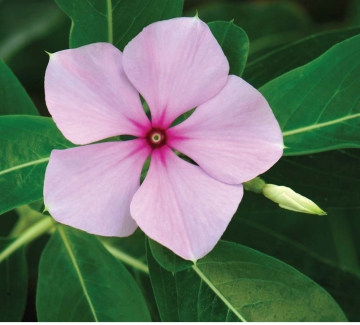
This plant is the rosy periwinkle,which produces chemicals that are important in the treatment of several types of cancer.This medically significant plant represents the potential of
A)bioengineering.
B)genetic therapy.
C)the fields of bioinformatics and agriculture
D)the fields of ethnobotany and bioprospecting
Question
Question
Question
Question
Question
Question
Question
Question
Question
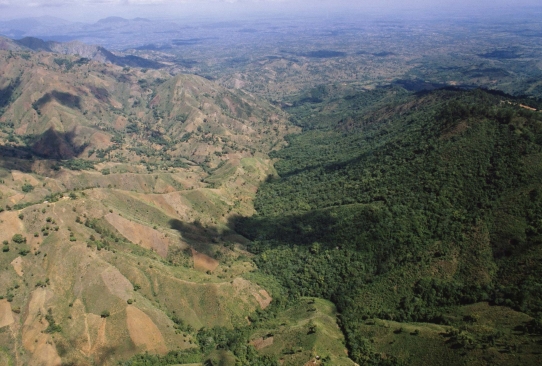
The photograph reveals the border of two countries.Compared to the country on the left,the country on the right is more likely to have
A)higher rates of human population growth.
B)higher rates of poverty.
C)greater political and economic stability.
D)greater reliance upon natural ecosystems for trade.
Question
Question
Question
Question
Question
Question
Question
Question
Question
Question
Question
Question
Question
Question
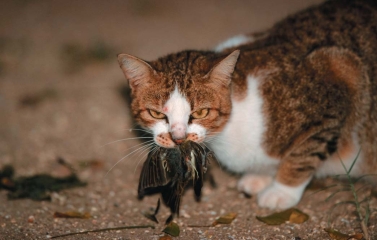
Domestic and feral house cats in the United States
A)are a keystone species,controlling potentially huge populations of rodents.
B)provide the necessary population control for pigeons,starlings and cowbirds.
C)kill more than a billion small mammals and birds annually.
D)spread viral infections to native carnivores.
Question
Question
Question
Question
Question
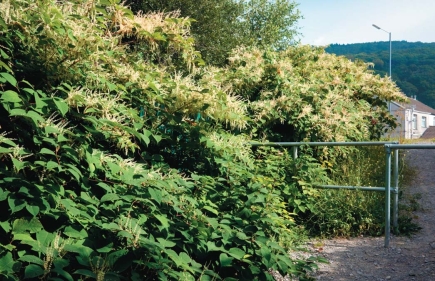
Japanese knotweed
A)began as an invasive exotic but has become an excellent forage plant for cattle.
B)was originally imported as an attractive horticultural species but has become invasive in North America and Europe.
C)was named the official flower of the 2012 Olympics in England.
D)is invasive,but fortunately can only propagate by seeds.
Question
Question
Question
Question
Question
Question
Question
Question
Question
Question
Question
Question
Question
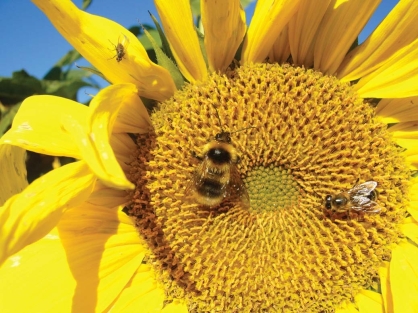
The Great Sunflower Project
A)has the goal of restoring native sunflowers to areas in the Midwest where they are now extinct.
B)invites local citizens to observe and document pollinators which are in decline.
C)is attempting to preserve flower species by inserting into them genes from other species.
D)is the basis of a large organic agriculture project involving flowers with edible seeds.
Question
Question
Question
Question
Question
Question
Question
Question
Question

Unlock Deck
Sign up to unlock the cards in this deck!
Unlock Deck
Unlock Deck
1/82

Play

Full screen (f)
Deck 6: Wild Species and Biodiversity
1
Which one of the following least represents ecosystem capital?
A)oil and natural gas reserves buried underground
B)prairies and forests that reduce erosion
C)introduced species that change environments
D)natural populations of salmon in the oceans
A)oil and natural gas reserves buried underground
B)prairies and forests that reduce erosion
C)introduced species that change environments
D)natural populations of salmon in the oceans
introduced species that change environments
2
Which of the following concepts are most closely associated to each other?
A)biological wealth and introduced species
B)biological wealth and biodiversity
C)anthropocentric values and extinction
D)intrinsic value and anthropocentric value
A)biological wealth and introduced species
B)biological wealth and biodiversity
C)anthropocentric values and extinction
D)intrinsic value and anthropocentric value
biological wealth and biodiversity
3
Over the past 12,000 years,the greatest loss of biological wealth has resulted from the
A)conversion of natural ecosystems to modern agriculture.
B)movement of human products down rivers and across oceans.
C)extraction of oil and mineral from reserves buried deeply underground.
D)use of deep aquifers,lakes,and rivers as sources of freshwater.
A)conversion of natural ecosystems to modern agriculture.
B)movement of human products down rivers and across oceans.
C)extraction of oil and mineral from reserves buried deeply underground.
D)use of deep aquifers,lakes,and rivers as sources of freshwater.
conversion of natural ecosystems to modern agriculture.
4
Plants that can best resist a variety of environmental challenges are most likely
A)domesticated plants with little genetic variation.
B)cultivars with little genetic variation.
C)wild plants with high degrees of variation.
D)wild plants with low degrees of variation.
A)domesticated plants with little genetic variation.
B)cultivars with little genetic variation.
C)wild plants with high degrees of variation.
D)wild plants with low degrees of variation.
Unlock Deck
Unlock for access to all 82 flashcards in this deck.
Unlock Deck
k this deck
5
The river dolphin hotspots being protected in Bangladesh are areas that
A)will protect dolphins from hunters.
B)will provide food resources and breeding sites.
C)no longer support river dolphin populations.
D)are designed to allow heavy human fishing activities,as well as being dolphin refuges.
A)will protect dolphins from hunters.
B)will provide food resources and breeding sites.
C)no longer support river dolphin populations.
D)are designed to allow heavy human fishing activities,as well as being dolphin refuges.
Unlock Deck
Unlock for access to all 82 flashcards in this deck.
Unlock Deck
k this deck
6
The main instrumental value of biological diversity is the
A)ability of organisms to adapt to fluctuations in their natural environments.
B)ability of natural ecosystems to respond to natural disasters.
C)joy that humans gain from their beauty in nature.
D)the potential for new types of domesticated animals and plants.
A)ability of organisms to adapt to fluctuations in their natural environments.
B)ability of natural ecosystems to respond to natural disasters.
C)joy that humans gain from their beauty in nature.
D)the potential for new types of domesticated animals and plants.
Unlock Deck
Unlock for access to all 82 flashcards in this deck.
Unlock Deck
k this deck
7
Someone who argues that every species has a right to exist,undisturbed,on this planet is arguing for the
A)institutional value of life.
B)intrinsic value of life.
C)finite value of life.
D)economic value of life.
A)institutional value of life.
B)intrinsic value of life.
C)finite value of life.
D)economic value of life.
Unlock Deck
Unlock for access to all 82 flashcards in this deck.
Unlock Deck
k this deck
8
When cultivars require adaptations not currently in their genetics,plant breeders
A)may treat the seeds with chemicals that cause mutations,to try to generate new forms.
B)often introduce traits found in wild varieties of the plant.
C)may try to introduce genetic traits found in pests of the crops.
D)use fertilizers to change the chemistry of the crops.
A)may treat the seeds with chemicals that cause mutations,to try to generate new forms.
B)often introduce traits found in wild varieties of the plant.
C)may try to introduce genetic traits found in pests of the crops.
D)use fertilizers to change the chemistry of the crops.
Unlock Deck
Unlock for access to all 82 flashcards in this deck.
Unlock Deck
k this deck
9
Which of the following best represents a loss of biological wealth?
A)people fishing for catfish in a lake
B)mining coal from deep underground mines
C)the extinction of several beetle species
D)a naturally occurring fire in a forest
A)people fishing for catfish in a lake
B)mining coal from deep underground mines
C)the extinction of several beetle species
D)a naturally occurring fire in a forest
Unlock Deck
Unlock for access to all 82 flashcards in this deck.
Unlock Deck
k this deck
10
Which of the following is placing stress on the endangered Ganges River dolphin?
A)local people killing them for food
B)pollution and competition for fish from fishermen
C)invasive marine dolphins
D)poaching for the pet trade
A)local people killing them for food
B)pollution and competition for fish from fishermen
C)invasive marine dolphins
D)poaching for the pet trade
Unlock Deck
Unlock for access to all 82 flashcards in this deck.
Unlock Deck
k this deck
11
Ecosystem sustainability primarily results from the
A)relationships between the organisms in an ecosystem.
B)number of predators found in the ecosystem.
C)frequency of fires or other natural disasters in an ecosystem.
D)total amount of biomass that exists in an ecosystem.
A)relationships between the organisms in an ecosystem.
B)number of predators found in the ecosystem.
C)frequency of fires or other natural disasters in an ecosystem.
D)total amount of biomass that exists in an ecosystem.
Unlock Deck
Unlock for access to all 82 flashcards in this deck.
Unlock Deck
k this deck
12
Which of the following organisms has the greatest anthropocentric value?
A)salmon
B)termites
C)mosquitoes
D)lichens
A)salmon
B)termites
C)mosquitoes
D)lichens
Unlock Deck
Unlock for access to all 82 flashcards in this deck.
Unlock Deck
k this deck
13
The decision of the Bangladeshi government to identify and protect dolphin hot spots
A)will protect some prime habitat as a preserve for Ganges and Indus river dolphins.
B)will be easy because the area has very low numbers of people.
C)is now unnecessary because both species have been declared extinct.
D)is being opposed by the United Nations Commission on Biodiversity.
A)will protect some prime habitat as a preserve for Ganges and Indus river dolphins.
B)will be easy because the area has very low numbers of people.
C)is now unnecessary because both species have been declared extinct.
D)is being opposed by the United Nations Commission on Biodiversity.
Unlock Deck
Unlock for access to all 82 flashcards in this deck.
Unlock Deck
k this deck
14
The greatest potential for developing new types of agricultural crops depends upon
A)bioengineering new combinations of wheat and rice.
B)grafting together different plants into one new type of plant,such as a plant with tomatoes and sweet potato roots.
C)thousands of plant species that occur only in the wild.
D)our ability to identify and culture new types of animal pollinators.
A)bioengineering new combinations of wheat and rice.
B)grafting together different plants into one new type of plant,such as a plant with tomatoes and sweet potato roots.
C)thousands of plant species that occur only in the wild.
D)our ability to identify and culture new types of animal pollinators.
Unlock Deck
Unlock for access to all 82 flashcards in this deck.
Unlock Deck
k this deck
15
The best way to sustainably manage natural environments is to
A)maintain the interactions between the members of the ecosystem.
B)stop hunting animals and harvesting the fruits of the plants in the ecosystem.
C)minimize the impact of natural disasters,such as fires and storms.
D)carefully limit the growth of the major carnivores and herbivores in the ecosystem.
A)maintain the interactions between the members of the ecosystem.
B)stop hunting animals and harvesting the fruits of the plants in the ecosystem.
C)minimize the impact of natural disasters,such as fires and storms.
D)carefully limit the growth of the major carnivores and herbivores in the ecosystem.
Unlock Deck
Unlock for access to all 82 flashcards in this deck.
Unlock Deck
k this deck
16
The structure and maintenance of all ecosystems results from the
A)bacteria,fungi and sols in that ecosystem.
B)types of plants in that ecosystem.
C)types of animals in that ecosystem.
D)the totality of organisms in that ecosystem.
A)bacteria,fungi and sols in that ecosystem.
B)types of plants in that ecosystem.
C)types of animals in that ecosystem.
D)the totality of organisms in that ecosystem.
Unlock Deck
Unlock for access to all 82 flashcards in this deck.
Unlock Deck
k this deck
17
Off the northern Atlantic coast,cod populations were severely depleted by the 1990s.Biologists that successfully argued for fishing bans on cod to let the cod populations recover argued for the
A)aesthetic value of cod.
B)institutional value of cod.
C)intrinsic value of cod.
D)instrumental value of cod.
A)aesthetic value of cod.
B)institutional value of cod.
C)intrinsic value of cod.
D)instrumental value of cod.
Unlock Deck
Unlock for access to all 82 flashcards in this deck.
Unlock Deck
k this deck
18
Species are most likely to be conserved by humans if they have
A)instrumental value.
B)institutional value.
C)intrinsic value.
D)aesthetic value.
A)instrumental value.
B)institutional value.
C)intrinsic value.
D)aesthetic value.
Unlock Deck
Unlock for access to all 82 flashcards in this deck.
Unlock Deck
k this deck
19
Wild plants often have greater resistance to parasites than domesticated plants because the wild plants experience
A)natural selection,while domesticated plants experience artificial selection.
B)natural selection,while domesticated plants do not experience any selection.
C)artificial selection,while domesticated plants experience natural selection.
D)artificial selection,while domesticated plants do not experience any selection.
A)natural selection,while domesticated plants experience artificial selection.
B)natural selection,while domesticated plants do not experience any selection.
C)artificial selection,while domesticated plants experience natural selection.
D)artificial selection,while domesticated plants do not experience any selection.
Unlock Deck
Unlock for access to all 82 flashcards in this deck.
Unlock Deck
k this deck
20
The primary habitat of the river dolphin is
A)uninhabited by humans.
B)subject to periodic fires and drought.
C)also inhabited by many other fresh water dolphin species.
D)the Sundarbans,the world's largest mangrove forest.
A)uninhabited by humans.
B)subject to periodic fires and drought.
C)also inhabited by many other fresh water dolphin species.
D)the Sundarbans,the world's largest mangrove forest.
Unlock Deck
Unlock for access to all 82 flashcards in this deck.
Unlock Deck
k this deck
21
The world's wild species represent a warehouse of genetic diversity of instrumental value commonly called
A)the genetic bank.
B)the agricultural genome project.
C)a genome center.
D)a chromosome concentration.
A)the genetic bank.
B)the agricultural genome project.
C)a genome center.
D)a chromosome concentration.
Unlock Deck
Unlock for access to all 82 flashcards in this deck.
Unlock Deck
k this deck
22
Which of the following represents the greatest conservation of the genetic bank?
A)the human genome center,analyzing the components of the human genome
B)the MSB and Svalbard seed banks storing seeds of thousands of plants from around the world
C)the field of proteomics,investigating the many ways the proteins function in organisms
D)all of the varieties of corn,wheat,and rice currently serving as crops
A)the human genome center,analyzing the components of the human genome
B)the MSB and Svalbard seed banks storing seeds of thousands of plants from around the world
C)the field of proteomics,investigating the many ways the proteins function in organisms
D)all of the varieties of corn,wheat,and rice currently serving as crops
Unlock Deck
Unlock for access to all 82 flashcards in this deck.
Unlock Deck
k this deck
23
Which of the following ecosystems might be considered as a bank of biodiversity?
A)boreal forests
B)tropical forests
C)large lakes,such as the Great Lakes in North America
D)Antarctica
A)boreal forests
B)tropical forests
C)large lakes,such as the Great Lakes in North America
D)Antarctica
Unlock Deck
Unlock for access to all 82 flashcards in this deck.
Unlock Deck
k this deck
24
In general,biodiversity is
A)fairly evenly spread among all of the major groups of animals and plants.
B)accurately quantified for most ecosystems.
C)75% plant species and 25% animal species.
D)declining in the United States and around the world.
A)fairly evenly spread among all of the major groups of animals and plants.
B)accurately quantified for most ecosystems.
C)75% plant species and 25% animal species.
D)declining in the United States and around the world.
Unlock Deck
Unlock for access to all 82 flashcards in this deck.
Unlock Deck
k this deck
25
Biodiversity in the world is
A)declining and is most negatively impacting the poorest people of the world.
B)declining and is most negatively impacting the wealthiest people of the world.
C)increasing but is negatively impacting the poorest people of the world.
D)increasing but is negatively impacting the wealthiest people of the world.
A)declining and is most negatively impacting the poorest people of the world.
B)declining and is most negatively impacting the wealthiest people of the world.
C)increasing but is negatively impacting the poorest people of the world.
D)increasing but is negatively impacting the wealthiest people of the world.
Unlock Deck
Unlock for access to all 82 flashcards in this deck.
Unlock Deck
k this deck
26
The search is on as the evidence from ethnobotany reveals the genetic potential of wild plants to produce chemicals of medical significance.The scientists exploring the medicinal use of plants by indigenous peoples throughout the world are engaged in
A)bioengineering.
B)transnational corporations.
C)bioprospecting.
D)creating seed banks.
A)bioengineering.
B)transnational corporations.
C)bioprospecting.
D)creating seed banks.
Unlock Deck
Unlock for access to all 82 flashcards in this deck.
Unlock Deck
k this deck
27
Ecotourism throughout the world relies upon
A)the harvesting and sale of natural products.
B)the human desire to collect wildlife and wildlife products from throughout the world.
C)a widespread public interest in exploring and maintaining natural environments.
D)an interest in discovering plants to create new crops and agricultural products.
A)the harvesting and sale of natural products.
B)the human desire to collect wildlife and wildlife products from throughout the world.
C)a widespread public interest in exploring and maintaining natural environments.
D)an interest in discovering plants to create new crops and agricultural products.
Unlock Deck
Unlock for access to all 82 flashcards in this deck.
Unlock Deck
k this deck
28
The greatest number of known or yet to be discovered species are types of
A)animals.
B)plants.
C)fungi.
D)mammals.
A)animals.
B)plants.
C)fungi.
D)mammals.
Unlock Deck
Unlock for access to all 82 flashcards in this deck.
Unlock Deck
k this deck
29
The greatest loss of biodiversity in the last two centuries has resulted from
A)the introduction of alien species to new ecosystems.
B)the use of fossil fuels to power transportation and electrical production.
C)the physical alteration of habitats.
D)the use of rivers,lakes,and oceans for transportation.
A)the introduction of alien species to new ecosystems.
B)the use of fossil fuels to power transportation and electrical production.
C)the physical alteration of habitats.
D)the use of rivers,lakes,and oceans for transportation.
Unlock Deck
Unlock for access to all 82 flashcards in this deck.
Unlock Deck
k this deck
30
This plant is the rosy periwinkle,which produces chemicals that are important in the treatment of several types of cancer.This medically significant plant represents the potential of
A)bioengineering.
B)genetic therapy.
C)the fields of bioinformatics and agriculture
D)the fields of ethnobotany and bioprospecting
Unlock Deck
Unlock for access to all 82 flashcards in this deck.
Unlock Deck
k this deck
31
According to the Global Biodiversity Outlook in 2010,groups showing highest extinction risk are
A)cycads and conifers
B)birds,amphibians and freshwater fish
C)corals and freshwater crabs
D)invasive species in general
A)cycads and conifers
B)birds,amphibians and freshwater fish
C)corals and freshwater crabs
D)invasive species in general
Unlock Deck
Unlock for access to all 82 flashcards in this deck.
Unlock Deck
k this deck
32
Some drugs that are currently used with great success to treat cancer and viral infections
A)are derived from wild plants.
B)represent the intrinsic value of wild species.
C)are derived from cultivars that combine together traits of several other plants.
D)were discovered as mutations in the development of new cultivars of wheat.
A)are derived from wild plants.
B)represent the intrinsic value of wild species.
C)are derived from cultivars that combine together traits of several other plants.
D)were discovered as mutations in the development of new cultivars of wheat.
Unlock Deck
Unlock for access to all 82 flashcards in this deck.
Unlock Deck
k this deck
33
Endemic species are
A)well-established and show the least risk of extinction.
B)limited to just one location,such as an island.
C)widely distributed,found especially on large continents.
D)usually the dominant species within an ecosystem.
A)well-established and show the least risk of extinction.
B)limited to just one location,such as an island.
C)widely distributed,found especially on large continents.
D)usually the dominant species within an ecosystem.
Unlock Deck
Unlock for access to all 82 flashcards in this deck.
Unlock Deck
k this deck
34
The greatest biodiversity would be in an ecosystem with the same number of species as other ecosystems but which has
A)no dominant species.
B)a single dominant species.
C)more consumers species than producer species.
D)several dominant species in intense competition with each other.
A)no dominant species.
B)a single dominant species.
C)more consumers species than producer species.
D)several dominant species in intense competition with each other.
Unlock Deck
Unlock for access to all 82 flashcards in this deck.
Unlock Deck
k this deck
35
Compared to the long-term historical average rate of extinction,extinction rates today are
A)lower.
B)about the same.
C)higher.
D)changing from higher to lower rates in the past century.
A)lower.
B)about the same.
C)higher.
D)changing from higher to lower rates in the past century.
Unlock Deck
Unlock for access to all 82 flashcards in this deck.
Unlock Deck
k this deck
36
The acronym HIPPO identifies the five major factors contributing to extinction today.These are
A)humans,invasive species,periodic climate changes,pollution,and overexploitation.
B)hunting,immigration,people,population,and outsourcing.
C)housing,immigration,people,pollution,and overproduction.
D)habitat destruction,invasive species,pollution,population growth,and overexploitation.
A)humans,invasive species,periodic climate changes,pollution,and overexploitation.
B)hunting,immigration,people,population,and outsourcing.
C)housing,immigration,people,pollution,and overproduction.
D)habitat destruction,invasive species,pollution,population growth,and overexploitation.
Unlock Deck
Unlock for access to all 82 flashcards in this deck.
Unlock Deck
k this deck
37
The ability of scientists to understand the natural relationships between organisms and their environments depends upon the
A)institutional value of the organisms in the ecosystem.
B)development of bioengineered organisms.
C)instrumental value of the natural resources in the region.
D)availability and preservation of undisturbed regions in the world.
A)institutional value of the organisms in the ecosystem.
B)development of bioengineered organisms.
C)instrumental value of the natural resources in the region.
D)availability and preservation of undisturbed regions in the world.
Unlock Deck
Unlock for access to all 82 flashcards in this deck.
Unlock Deck
k this deck
38
Although unusually high,extinction rates may be
A)declining because of overestimates of some groups in some ecosystems.
B)declining because fewer species are becoming threatened worldwide.
C)even higher because of the loss of tropical forests.
D)even higher because of intense predation in many grassland ecosystems.
A)declining because of overestimates of some groups in some ecosystems.
B)declining because fewer species are becoming threatened worldwide.
C)even higher because of the loss of tropical forests.
D)even higher because of intense predation in many grassland ecosystems.
Unlock Deck
Unlock for access to all 82 flashcards in this deck.
Unlock Deck
k this deck
39
The photograph reveals the border of two countries.Compared to the country on the left,the country on the right is more likely to have
A)higher rates of human population growth.
B)higher rates of poverty.
C)greater political and economic stability.
D)greater reliance upon natural ecosystems for trade.
Unlock Deck
Unlock for access to all 82 flashcards in this deck.
Unlock Deck
k this deck
40
The species most vulnerable to extinction are those that are
A)endemic and limited to a single population.
B)endemic and widespread in several large regions.
C)genetically diverse and found in many regions.
D)widespread but are not dominant in an ecosystem.
A)endemic and limited to a single population.
B)endemic and widespread in several large regions.
C)genetically diverse and found in many regions.
D)widespread but are not dominant in an ecosystem.
Unlock Deck
Unlock for access to all 82 flashcards in this deck.
Unlock Deck
k this deck
41
To best protect the biodiversity of the world when purchasing a pet you should
A)purchase only captive bred species.
B)identify pets that have been humanely harvested from the wild.
C)purchase pets only from pet stores.
D)collect your own animals to keep as pets.
A)purchase only captive bred species.
B)identify pets that have been humanely harvested from the wild.
C)purchase pets only from pet stores.
D)collect your own animals to keep as pets.
Unlock Deck
Unlock for access to all 82 flashcards in this deck.
Unlock Deck
k this deck
42
In the southeastern United States,the red fire ant is
A)a natural predator that is a dominant species in forest ecosystems.
B)an invasive species that has caused a decline in biodiversity.
C)used to control invasive insect species that could potentially hurt agricultural crops.
D)has increased songbird populations which use it as food.
A)a natural predator that is a dominant species in forest ecosystems.
B)an invasive species that has caused a decline in biodiversity.
C)used to control invasive insect species that could potentially hurt agricultural crops.
D)has increased songbird populations which use it as food.
Unlock Deck
Unlock for access to all 82 flashcards in this deck.
Unlock Deck
k this deck
43
Which one of the following is not a major source of invasive species in the world?
A)deliberate introductions with specific intentions
B)accidental introductions as parasites or pathogens on commercial species
C)escape from zoos and animal parks
D)escape from commercial aquaculture enclosures
A)deliberate introductions with specific intentions
B)accidental introductions as parasites or pathogens on commercial species
C)escape from zoos and animal parks
D)escape from commercial aquaculture enclosures
Unlock Deck
Unlock for access to all 82 flashcards in this deck.
Unlock Deck
k this deck
44
A loss of biodiversity will likely
A)increase the number of k-strategists.
B)increase the demand for ecotourism.
C)increase the number of pest species.
D)eliminate most forest ecosystems of the world.
A)increase the number of k-strategists.
B)increase the demand for ecotourism.
C)increase the number of pest species.
D)eliminate most forest ecosystems of the world.
Unlock Deck
Unlock for access to all 82 flashcards in this deck.
Unlock Deck
k this deck
45
Which of the following would most likely have the greatest impact on a large ecosystem?
A)loss of a keystone species from the ecosystem
B)construction of a two-lane gravel road through the middle of the ecosystem
C)construction of a lodge and trails to permit better access for ecotourists
D)allow the ecosystem to burn on a natural cycle
A)loss of a keystone species from the ecosystem
B)construction of a two-lane gravel road through the middle of the ecosystem
C)construction of a lodge and trails to permit better access for ecotourists
D)allow the ecosystem to burn on a natural cycle
Unlock Deck
Unlock for access to all 82 flashcards in this deck.
Unlock Deck
k this deck
46
If a subdivision is built by clearing several portions of a large wooded region,we might see an increase in the
A)number of jays or cowbirds in the region.
B)number of songbirds in the region.
C)biodiversity in the region.
D)number of large-sized species with slower individual growth.
A)number of jays or cowbirds in the region.
B)number of songbirds in the region.
C)biodiversity in the region.
D)number of large-sized species with slower individual growth.
Unlock Deck
Unlock for access to all 82 flashcards in this deck.
Unlock Deck
k this deck
47
The fragmentation of natural habitats in the conversion of land for human uses creates
A)more opportunities to preserve wildlife in many small parks.
B)focused regions where careful wildlife management can actually increase biodiversity.
C)habitats that favor species that grow slowly or have naturally unstable populations.
D)habitat breaks that favor species that thrive at the edges of ecosystems.
A)more opportunities to preserve wildlife in many small parks.
B)focused regions where careful wildlife management can actually increase biodiversity.
C)habitats that favor species that grow slowly or have naturally unstable populations.
D)habitat breaks that favor species that thrive at the edges of ecosystems.
Unlock Deck
Unlock for access to all 82 flashcards in this deck.
Unlock Deck
k this deck
48
In a rural hilly neighborhood,a landowner uses bulldozers to clear all but the largest trees and cleans up a nearby stream,lining the bottom of the stream with pretty rocks and stepping-stones.Planting lawn grasses around the base of the trees,the owner wants to create a pretty park-like setting around his home.We expect that in this ecological simplification of the cleared yard,there will be
A)more species of invertebrates in the stream and on the land but fewer species of vertebrates and plants everywhere.
B)more mammal and plant species but fewer birds and invertebrates on the land and in the stream.
C)fewer species of vertebrates and plants everywhere but more invertebrates in the stream.
D)fewer species of plants,invertebrates,and vertebrates everywhere.
A)more species of invertebrates in the stream and on the land but fewer species of vertebrates and plants everywhere.
B)more mammal and plant species but fewer birds and invertebrates on the land and in the stream.
C)fewer species of vertebrates and plants everywhere but more invertebrates in the stream.
D)fewer species of plants,invertebrates,and vertebrates everywhere.
Unlock Deck
Unlock for access to all 82 flashcards in this deck.
Unlock Deck
k this deck
49
Protection of biodiversity around the world requires
A)basic science to guide public policies and laws that then must be enforced.
B)changes to social structure and political organizations that drive basic science.
C)new technologies and techniques that are still being developed.
D)the introduction of new species into new regions to spread a species range.
A)basic science to guide public policies and laws that then must be enforced.
B)changes to social structure and political organizations that drive basic science.
C)new technologies and techniques that are still being developed.
D)the introduction of new species into new regions to spread a species range.
Unlock Deck
Unlock for access to all 82 flashcards in this deck.
Unlock Deck
k this deck
50
If the red fire ant were accidentally introduced into California and spread widely throughout the state,we would expect
A)insect agricultural pests to decrease
B)a decline in biodiversity.
C)an increase in song bird populations
D)that another species could be introduced that would control the population of ants.
A)insect agricultural pests to decrease
B)a decline in biodiversity.
C)an increase in song bird populations
D)that another species could be introduced that would control the population of ants.
Unlock Deck
Unlock for access to all 82 flashcards in this deck.
Unlock Deck
k this deck
51
Almost all of the threats to biodiversity represented by the acronym HIPPO are related to the
A)overpopulation of the world by humans.
B)overuse of pesticides and herbicides.
C)introduction of exotic species to new parts of the world.
D)reliance upon fossil fuels to power human societies.
A)overpopulation of the world by humans.
B)overuse of pesticides and herbicides.
C)introduction of exotic species to new parts of the world.
D)reliance upon fossil fuels to power human societies.
Unlock Deck
Unlock for access to all 82 flashcards in this deck.
Unlock Deck
k this deck
52
Environmental pollution often decreases biodiversity by
A)dramatically changing abiotic factors in the environment.
B)favoring invasive species in a region.
C)spreading pathogenic microorganisms in natural environments.
D)reducing the number of pathogens in a region.
A)dramatically changing abiotic factors in the environment.
B)favoring invasive species in a region.
C)spreading pathogenic microorganisms in natural environments.
D)reducing the number of pathogens in a region.
Unlock Deck
Unlock for access to all 82 flashcards in this deck.
Unlock Deck
k this deck
53
Domestic and feral house cats in the United States
A)are a keystone species,controlling potentially huge populations of rodents.
B)provide the necessary population control for pigeons,starlings and cowbirds.
C)kill more than a billion small mammals and birds annually.
D)spread viral infections to native carnivores.
Unlock Deck
Unlock for access to all 82 flashcards in this deck.
Unlock Deck
k this deck
54
Which one of the following problems is the result of invasive species?
A)the infection of wild mammals by human pathogens
B)deformities in frogs from natural frog populations
C)the depletion of oxygen from thousands of square miles of ocean in the Gulf of Mexico
D)the infection of European squirrels with a fatal virus
A)the infection of wild mammals by human pathogens
B)deformities in frogs from natural frog populations
C)the depletion of oxygen from thousands of square miles of ocean in the Gulf of Mexico
D)the infection of European squirrels with a fatal virus
Unlock Deck
Unlock for access to all 82 flashcards in this deck.
Unlock Deck
k this deck
55
In 1968,Garret Hardin described an environmental problem in which shared environmental resources may be depleted as individuals maximize their gains by disproportionately using the resource.He called this "The Tragedy of the Commons." Which of the following threats to biodiversity best reflect this "Tragedy of the Commons"?
A)the appearance of many deformed frogs from overuse of herbicides
B)the accidental introduction of invasive species into North America
C)the decline of fish populations due to overexploitation
D)the fragmentation of natural habitat to build bridges and highways
A)the appearance of many deformed frogs from overuse of herbicides
B)the accidental introduction of invasive species into North America
C)the decline of fish populations due to overexploitation
D)the fragmentation of natural habitat to build bridges and highways
Unlock Deck
Unlock for access to all 82 flashcards in this deck.
Unlock Deck
k this deck
56
Which of the following represents a habitat intrusion in the United States that kills at least 5 million individual birds annually?
A)offshore oil exploration and drilling platforms
B)telecommunications towers
C)construction and repair of highways
D)barges and ships on lakes,rivers,and oceans
A)offshore oil exploration and drilling platforms
B)telecommunications towers
C)construction and repair of highways
D)barges and ships on lakes,rivers,and oceans
Unlock Deck
Unlock for access to all 82 flashcards in this deck.
Unlock Deck
k this deck
57
Invasive species have been
A)hunted to extinction in most places where they occur.
B)successfully controlled in most regions using predators,viral or bacterial agents.
C)successfully controlled by the introduction of other alien species that are natural competitors.
D)an ecological problem in North America since the first European colonists arrived.
A)hunted to extinction in most places where they occur.
B)successfully controlled in most regions using predators,viral or bacterial agents.
C)successfully controlled by the introduction of other alien species that are natural competitors.
D)an ecological problem in North America since the first European colonists arrived.
Unlock Deck
Unlock for access to all 82 flashcards in this deck.
Unlock Deck
k this deck
58
Japanese knotweed
A)began as an invasive exotic but has become an excellent forage plant for cattle.
B)was originally imported as an attractive horticultural species but has become invasive in North America and Europe.
C)was named the official flower of the 2012 Olympics in England.
D)is invasive,but fortunately can only propagate by seeds.
Unlock Deck
Unlock for access to all 82 flashcards in this deck.
Unlock Deck
k this deck
59
Which one of the following statements best reflects the overall position of current science on the role of biodiversity in ecosystems?
A)The more species in an ecosystem,the greater the biomass production.
B)The more species in an ecosystem,the greater its drought resistance.
C)The effects of biodiversity loss on ecosystem function depend on how many and which species are lost.
D)Every species in an ecosystem is essential to maintain the overall ecosystem.
A)The more species in an ecosystem,the greater the biomass production.
B)The more species in an ecosystem,the greater its drought resistance.
C)The effects of biodiversity loss on ecosystem function depend on how many and which species are lost.
D)Every species in an ecosystem is essential to maintain the overall ecosystem.
Unlock Deck
Unlock for access to all 82 flashcards in this deck.
Unlock Deck
k this deck
60
One challenge to the protection of endangered animal species from overexploitation for commercial purposes,such as rhinoceros horns,is that as a species becomes increasingly rare,
A)the laws protecting that species tend to become even more restrictive.
B)the price of illegal animal products increases.
C)it is more difficult for poachers to capture the animal.
D)fewer poachers may search for the endangered animal.
A)the laws protecting that species tend to become even more restrictive.
B)the price of illegal animal products increases.
C)it is more difficult for poachers to capture the animal.
D)fewer poachers may search for the endangered animal.
Unlock Deck
Unlock for access to all 82 flashcards in this deck.
Unlock Deck
k this deck
61
Wild turkey populations in the United States have made a dramatic recovery in large part because of
A)the Endangered Species Act.
B)the Lacey Act.
C)hunting restrictions.
D)the elimination of wolves in their native environments.
A)the Endangered Species Act.
B)the Lacey Act.
C)hunting restrictions.
D)the elimination of wolves in their native environments.
Unlock Deck
Unlock for access to all 82 flashcards in this deck.
Unlock Deck
k this deck
62
In the United States today,
A)some game animals are still being hunted to extinction.
B)most people do not need permission or licenses to hunt common game animals.
C)property owners do not own the wildlife on their lands.
D)turkey populations are threatened with extinction due to overhunting.
A)some game animals are still being hunted to extinction.
B)most people do not need permission or licenses to hunt common game animals.
C)property owners do not own the wildlife on their lands.
D)turkey populations are threatened with extinction due to overhunting.
Unlock Deck
Unlock for access to all 82 flashcards in this deck.
Unlock Deck
k this deck
63
Human interactions between wildlife,homes,and highways
A)has never really been a problem.
B)is an increasing problem as humans populations increase and spread.
C)has declined as the populations of most animals near humans have plummeted.
D)has largely been addressed by expanding hunting seasons and limits.
A)has never really been a problem.
B)is an increasing problem as humans populations increase and spread.
C)has declined as the populations of most animals near humans have plummeted.
D)has largely been addressed by expanding hunting seasons and limits.
Unlock Deck
Unlock for access to all 82 flashcards in this deck.
Unlock Deck
k this deck
64
The philosophy of the Endangered Species Act primarily reflects
A)anthropocentric values.
B)instrumental values.
C)intrinsic values.
D)economic interests.
A)anthropocentric values.
B)instrumental values.
C)intrinsic values.
D)economic interests.
Unlock Deck
Unlock for access to all 82 flashcards in this deck.
Unlock Deck
k this deck
65
Legal hunters in the United States
A)often object to limits on the number of prey they can kill and the times when they can hunt.
B)pay hunting fees that help manage the populations of their prey.
C)have opposed most laws that protect the very habitat where their prey survive.
D)are mostly interested in the intrinsic value of their prey.
A)often object to limits on the number of prey they can kill and the times when they can hunt.
B)pay hunting fees that help manage the populations of their prey.
C)have opposed most laws that protect the very habitat where their prey survive.
D)are mostly interested in the intrinsic value of their prey.
Unlock Deck
Unlock for access to all 82 flashcards in this deck.
Unlock Deck
k this deck
66
A poacher kills polar bears in Alaska and ships their skins to buyers in Asia.The poacher is most likely in violation of laws that come from the
A)Endangered Species Coalition and the Animal Protection Institute.
B)Endangered Species Act and CITES.
C)National Wildlife Association and Audubon Society.
D)World Wildlife Fund and the Alaska Wildlife Alliance.
A)Endangered Species Coalition and the Animal Protection Institute.
B)Endangered Species Act and CITES.
C)National Wildlife Association and Audubon Society.
D)World Wildlife Fund and the Alaska Wildlife Alliance.
Unlock Deck
Unlock for access to all 82 flashcards in this deck.
Unlock Deck
k this deck
67
A taxonomist would be most helpful in determining
A)naming and classifying the number of insect species in a particular part of a rain forest.
B)the best way to manage a population of endangered birds.
C)how to increase the diversity of species in a national park.
D)the amount of fish that can be harvested annually to maintain sustainable populations.
A)naming and classifying the number of insect species in a particular part of a rain forest.
B)the best way to manage a population of endangered birds.
C)how to increase the diversity of species in a national park.
D)the amount of fish that can be harvested annually to maintain sustainable populations.
Unlock Deck
Unlock for access to all 82 flashcards in this deck.
Unlock Deck
k this deck
68
The Critical Ecosystem Partnership Fund provides money to
A)governments to purchase land that contains endangered species.
B)non-governmental agencies to protect biodiversity hot spots.
C)international organizations to kill organisms that carry human disease vectors.
D)the Defenders of Wildlife to replant trees in large burned areas of the rain forest to increase biodiversity.
A)governments to purchase land that contains endangered species.
B)non-governmental agencies to protect biodiversity hot spots.
C)international organizations to kill organisms that carry human disease vectors.
D)the Defenders of Wildlife to replant trees in large burned areas of the rain forest to increase biodiversity.
Unlock Deck
Unlock for access to all 82 flashcards in this deck.
Unlock Deck
k this deck
69
Wild turkeys,peregrine falcons,and snowy egrets are examples of birds that have
A)now gone extinct despite extensive efforts to save these species.
B)very few individuals restricted to just a few small populations.
C)all been severely impacted by the spread of the bird flu.
D)recovered significantly since gaining legal protection.
A)now gone extinct despite extensive efforts to save these species.
B)very few individuals restricted to just a few small populations.
C)all been severely impacted by the spread of the bird flu.
D)recovered significantly since gaining legal protection.
Unlock Deck
Unlock for access to all 82 flashcards in this deck.
Unlock Deck
k this deck
70
Recent events indicate that when permission for exemption from the CITES agreement is granted to allow the sale of legally collected ivory,
A)there is no longer a market for elephant ivory.
B)the elephant population increases.
C)the sale of poached ivory decreases.
D)the sale of poached ivory increases.
A)there is no longer a market for elephant ivory.
B)the elephant population increases.
C)the sale of poached ivory decreases.
D)the sale of poached ivory increases.
Unlock Deck
Unlock for access to all 82 flashcards in this deck.
Unlock Deck
k this deck
71
The Great Sunflower Project
A)has the goal of restoring native sunflowers to areas in the Midwest where they are now extinct.
B)invites local citizens to observe and document pollinators which are in decline.
C)is attempting to preserve flower species by inserting into them genes from other species.
D)is the basis of a large organic agriculture project involving flowers with edible seeds.
Unlock Deck
Unlock for access to all 82 flashcards in this deck.
Unlock Deck
k this deck
72
The Endangered Species Act
A)protects critical habitats of endangered species,but cannot control privately held lands.
B)includes species recovery plans intended to help listed species survive and thrive.
C)currently protects animal but not plant species.
D)has resulted in the recovery of more than 1,000 species that have been taken off the list.
A)protects critical habitats of endangered species,but cannot control privately held lands.
B)includes species recovery plans intended to help listed species survive and thrive.
C)currently protects animal but not plant species.
D)has resulted in the recovery of more than 1,000 species that have been taken off the list.
Unlock Deck
Unlock for access to all 82 flashcards in this deck.
Unlock Deck
k this deck
73
Among the goals of the UNEP-supported Convention on Biological Diversity are
A)government policies that subsidize the exploitation of natural resources.
B)an army of UN conservation agents to control environmental hot spots.
C)captive breeding programs for all species in hot spots.
D)equitable sharing of genetic resources within each nation.
A)government policies that subsidize the exploitation of natural resources.
B)an army of UN conservation agents to control environmental hot spots.
C)captive breeding programs for all species in hot spots.
D)equitable sharing of genetic resources within each nation.
Unlock Deck
Unlock for access to all 82 flashcards in this deck.
Unlock Deck
k this deck
74
Ultralight aircraft played an important part in the recovery of whooping cranes by
A)spotting potential predators from the sky.
B)identifying unknown populations of these birds from the sky.
C)leading flocks of these birds on their seasonal migrations.
D)distributing vital supplies of food to distant populations during severe winter storms.
A)spotting potential predators from the sky.
B)identifying unknown populations of these birds from the sky.
C)leading flocks of these birds on their seasonal migrations.
D)distributing vital supplies of food to distant populations during severe winter storms.
Unlock Deck
Unlock for access to all 82 flashcards in this deck.
Unlock Deck
k this deck
75
The Convention on Biological Diversity is an international treaty
A)ratified by the United States to globally limit the loss of biodiversity.
B)ratified by the United States to limit the international trade of endangered species.
C)that aims to conserve biological diversity worldwide but has not been ratified in the United States.
D)that would purchase all endangered species habitats in the world but has not been ratified in the United States.
A)ratified by the United States to globally limit the loss of biodiversity.
B)ratified by the United States to limit the international trade of endangered species.
C)that aims to conserve biological diversity worldwide but has not been ratified in the United States.
D)that would purchase all endangered species habitats in the world but has not been ratified in the United States.
Unlock Deck
Unlock for access to all 82 flashcards in this deck.
Unlock Deck
k this deck
76
Only about 10 species have recovered significantly enough to be removed from the Endangered Species List.Recovery to this extent is limited because
A)the regulations protecting the species do not extend to private landowners.
B)hunting of protected species often continues even after the organisms are listed.
C)populations are already low and at high risk by the time they are listed.
D)protecting the habitat of an endangered species is not as critical as once assumed.
A)the regulations protecting the species do not extend to private landowners.
B)hunting of protected species often continues even after the organisms are listed.
C)populations are already low and at high risk by the time they are listed.
D)protecting the habitat of an endangered species is not as critical as once assumed.
Unlock Deck
Unlock for access to all 82 flashcards in this deck.
Unlock Deck
k this deck
77
Passed in 1900,the most significant legislation to protect wildlife from illegal killing or sale is the
A)Endangered Species Act.
B)Lacey Act.
C)Threatened and Endangered Species Recovery Act.
D)Wildlife Protection Act.
A)Endangered Species Act.
B)Lacey Act.
C)Threatened and Endangered Species Recovery Act.
D)Wildlife Protection Act.
Unlock Deck
Unlock for access to all 82 flashcards in this deck.
Unlock Deck
k this deck
78
The loss of biodiversity most severely affects
A)developed nations of the world.
B)the wealthiest people in the world.
C)the poorest people in developing nations.
D)the production of food in the developed world.
A)developed nations of the world.
B)the wealthiest people in the world.
C)the poorest people in developing nations.
D)the production of food in the developed world.
Unlock Deck
Unlock for access to all 82 flashcards in this deck.
Unlock Deck
k this deck
79
Many conservationists support returning top predators such as wolves and panthers to areas where they have been exterminated.Although some reintroductions have been made,the practice is controversial because these animals are
A)considered by some ranchers to be a threat to livestock and humans.
B)being introduced into areas that have never had predators before.
C)predators that feed on many other endangered species.
D)carriers of diseases that may infect other species in the region.
A)considered by some ranchers to be a threat to livestock and humans.
B)being introduced into areas that have never had predators before.
C)predators that feed on many other endangered species.
D)carriers of diseases that may infect other species in the region.
Unlock Deck
Unlock for access to all 82 flashcards in this deck.
Unlock Deck
k this deck
80
The Endangered Species Act
A)has been subject to political pressures and now operates on year-to-year budget extensions.
B)protects only those species that are of great economic significance.
C)must take into consideration the economic impact of the species listed.
D)expired in 1992 and has since been replaced by increased hunting and fishing regulations.
A)has been subject to political pressures and now operates on year-to-year budget extensions.
B)protects only those species that are of great economic significance.
C)must take into consideration the economic impact of the species listed.
D)expired in 1992 and has since been replaced by increased hunting and fishing regulations.
Unlock Deck
Unlock for access to all 82 flashcards in this deck.
Unlock Deck
k this deck
Unlock Deck
Unlock for access to all 82 flashcards in this deck.






