







 Chat with AI

Deck 28: Postpartum Adaptation and Nursing Assessment
Full screen (f)

Question
The nurse is assessing the abdomen of a client who delivered an infant 1 hour ago. On the diagram, where should the nurse assess the client's uterine level? 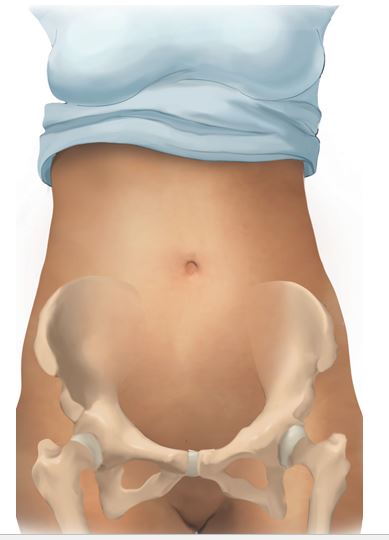

Question
Question
Question
Question
Question
Question
Question
Question
Question
Question
Question
Question
Question
Question
Question
Question
Question
Question

Unlock Deck
Sign up to unlock the cards in this deck!
Unlock Deck
Unlock Deck
1/19

Play

Full screen (f)
Deck 28: Postpartum Adaptation and Nursing Assessment
1
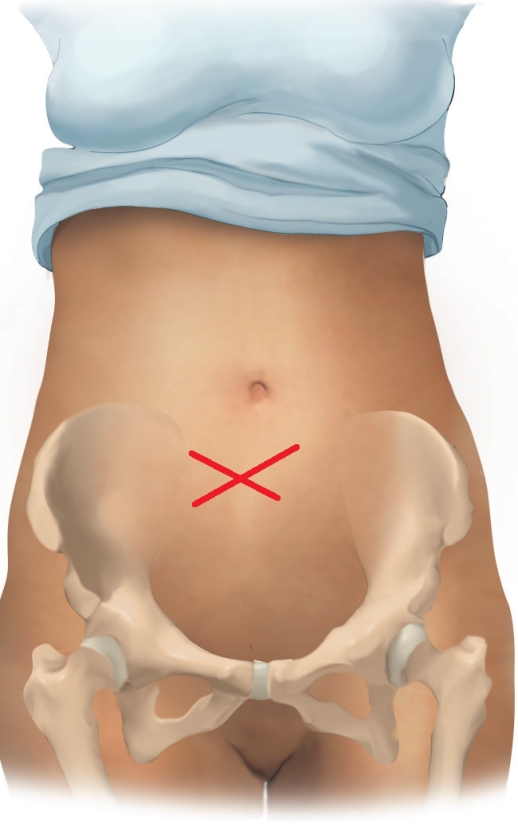
The nurse is assessing the abdomen of a client who delivered an infant 1 hour ago. On the diagram, where should the nurse assess the client's uterine level?
2
The nurse is assessing the episiotomy of a client who is 2 days postpartum. In which order should the nurse complete this assessment? A. Edema
B) Redness
C) Ecchymosis
D) Approximation
E) Discharge/drainage
1) B, A, C, E, D
2) A, B, D, E, C
3) B, A, D, E, C
4) D, E, C, B, A
B) Redness
C) Ecchymosis
D) Approximation
E) Discharge/drainage
1) B, A, C, E, D
2) A, B, D, E, C
3) B, A, D, E, C
4) D, E, C, B, A
1
3
What amount of weight loss, in pounds, should the nurse expect in an average postpartum client?
1) 5 to 8
2) 10 to 12
3) 12 to 15
4) 15 to 20
1) 5 to 8
2) 10 to 12
3) 12 to 15
4) 15 to 20
2
4
The nurse is observing a graduate nurse's assessment of a postpartum client. For which action by the graduate nurse should the nurse intervene?
1) Asking the client to void before applying clean gloves
2) Instructing visitors to leave the room prior to beginning the assessment
3) Requesting the client lie flat in bed with the head on a pillow prior to the fundal assessment
4) Discussing the effectiveness of comfort measures while performing the perineal assessment
1) Asking the client to void before applying clean gloves
2) Instructing visitors to leave the room prior to beginning the assessment
3) Requesting the client lie flat in bed with the head on a pillow prior to the fundal assessment
4) Discussing the effectiveness of comfort measures while performing the perineal assessment
Unlock Deck
Unlock for access to all 19 flashcards in this deck.
Unlock Deck
k this deck
5
A postpartum client is not going to breastfeed her newborn. What should the nurse include when teaching this client about breast care?
1) The let-down reflex
2) Lactation suppression
3) The purpose of fundal massage
4) The cause of afterpains
1) The let-down reflex
2) Lactation suppression
3) The purpose of fundal massage
4) The cause of afterpains
Unlock Deck
Unlock for access to all 19 flashcards in this deck.
Unlock Deck
k this deck
6
The nurse is preparing material to instruct a client who has given birth to her first child. What aspect of teaching is most important?
1) Determine if father-infant attachment is taking place.
2) Discuss adaptation to grandparenthood by her parents.
3) Describe the likely reaction of siblings to the new baby.
4) Assist the mother in identifying behavior cues of the baby.
1) Determine if father-infant attachment is taking place.
2) Discuss adaptation to grandparenthood by her parents.
3) Describe the likely reaction of siblings to the new baby.
4) Assist the mother in identifying behavior cues of the baby.
Unlock Deck
Unlock for access to all 19 flashcards in this deck.
Unlock Deck
k this deck
7
A new mother rarely interacts with the infant unless the infant begins to cry vigorously and she appears relieved when the nurse comes to check on the infant. What is the appropriate nursing intervention for this patient?
1) Contact Social Services with concerns of neglect.
2) Teach the client how to interact appropriately with the infant.
3) Take the infant to the nursery so the baby can receive more consistent care.
4) Provide the care the infant needs while continuing to evaluate the mother's actions.
1) Contact Social Services with concerns of neglect.
2) Teach the client how to interact appropriately with the infant.
3) Take the infant to the nursery so the baby can receive more consistent care.
4) Provide the care the infant needs while continuing to evaluate the mother's actions.
Unlock Deck
Unlock for access to all 19 flashcards in this deck.
Unlock Deck
k this deck
8
A postpartum client weighing 165 lb is prescribed to take 12 mg/kg/day of lysine to help with afterpains. If the client ingests 375 mg of lysine in food, how many additional milligrams of the supplement should the client take? (Calculate to the nearest whole number.)
Unlock Deck
Unlock for access to all 19 flashcards in this deck.
Unlock Deck
k this deck
9
The nurse decides that a family with a newborn would benefit from a Social Services consultation. What statements were made by family members that caused the nurse to make this decision? Select all that apply.
1) "I think we're getting along better."
2) "I'm not going to let a baby make me fat."
3) "My mother could care less about this baby."
4) "At least help me if you don't want to get a job."
5) "That's fine. Go to work. Leave me here to do all of the work."
1) "I think we're getting along better."
2) "I'm not going to let a baby make me fat."
3) "My mother could care less about this baby."
4) "At least help me if you don't want to get a job."
5) "That's fine. Go to work. Leave me here to do all of the work."
Unlock Deck
Unlock for access to all 19 flashcards in this deck.
Unlock Deck
k this deck
10
The nurse is making a visit to the home of a new mother. Which observation indicates that the mother and infant are in the phase of mutual regulation?
1) The infant grasps the mother's finger while nursing.
2) The mother vocalizes feelings of frustration with her infant.
3) The infant begins to seek out the mother over other individuals.
4) The mother spends more time making eye-to-eye contact with the infant.
1) The infant grasps the mother's finger while nursing.
2) The mother vocalizes feelings of frustration with her infant.
3) The infant begins to seek out the mother over other individuals.
4) The mother spends more time making eye-to-eye contact with the infant.
Unlock Deck
Unlock for access to all 19 flashcards in this deck.
Unlock Deck
k this deck
11
What should the nurse assess to determine healing of the uterus at the placental site?
1) Laboratory values
2) Uterine size
3) Blood pressure
4) Type, amount, and consistency of lochia
1) Laboratory values
2) Uterine size
3) Blood pressure
4) Type, amount, and consistency of lochia
Unlock Deck
Unlock for access to all 19 flashcards in this deck.
Unlock Deck
k this deck
12
In which order should the nurse conduct the examination of a postpartum client? 1. L-lochia
2) B-bowel
3) B-breast
4) U-uterus
5) B-bladder
6) E-emotional
7) H-Homans/hemorrhoids
8) E-episiotomy/laceration/edema
2) B-bowel
3) B-breast
4) U-uterus
5) B-bladder
6) E-emotional
7) H-Homans/hemorrhoids
8) E-episiotomy/laceration/edema
Unlock Deck
Unlock for access to all 19 flashcards in this deck.
Unlock Deck
k this deck
13
Every time the nurse enters the client's room, the client, who delivered 3 hours ago, asks the nurse something else about the birth experience. What action should the nurse take?
1) Answer questions quickly and try to divert attention to other subjects.
2) Review documentation of the birth experience and discuss it with the client.
3) Contact the healthcare provider because of changes in the client's memory.
4) Submit a referral to Social Services because of concerns about obsessive behavior.
1) Answer questions quickly and try to divert attention to other subjects.
2) Review documentation of the birth experience and discuss it with the client.
3) Contact the healthcare provider because of changes in the client's memory.
4) Submit a referral to Social Services because of concerns about obsessive behavior.
Unlock Deck
Unlock for access to all 19 flashcards in this deck.
Unlock Deck
k this deck
14
On the first postpartum day, the nurse teaches a client about breastfeeding. Two hours later, the mother seems to remember very little of the teaching. What should the nurse identify as the reason for the client's memory lapse?
1) Epidural anesthesia
2) The taking-in phase
3) The taking-hold phase
4) Postpartum hemorrhage
1) Epidural anesthesia
2) The taking-in phase
3) The taking-hold phase
4) Postpartum hemorrhage
Unlock Deck
Unlock for access to all 19 flashcards in this deck.
Unlock Deck
k this deck
15
During a home visit the nurse is concerned that a new mother is experiencing postpartum blues. What did the nurse assess to make this clinical determination? Select all that apply.
1) Fear
2) Anger
3) Euphoria
4) Anorexia
5) Weepiness
1) Fear
2) Anger
3) Euphoria
4) Anorexia
5) Weepiness
Unlock Deck
Unlock for access to all 19 flashcards in this deck.
Unlock Deck
k this deck
16
The nurse is performing an assessment of early attachment. Which action indicates that the client is pleased with the baby's appearance and sex?
1) The mother enfolds the infant in her arms.
2) The mother feeds the infant every 2 to 3 hours as instructed.
3) The mother points out family traits she sees in the newborn.
4) The mother asks questions about how to properly bathe her infant.
1) The mother enfolds the infant in her arms.
2) The mother feeds the infant every 2 to 3 hours as instructed.
3) The mother points out family traits she sees in the newborn.
4) The mother asks questions about how to properly bathe her infant.
Unlock Deck
Unlock for access to all 19 flashcards in this deck.
Unlock Deck
k this deck
17
A client weighing 80 kg lost 5 kg of body weight immediately after delivery. In 2 days, another 3 kg has been lost. During a 6-week postpartum examination the client was pleased to learn of returning to her prepregnancy weight of 143 lb. How many kilograms of weight did the client lose during the 6 weeks postpartum? (Calculate to the nearest whole number.)
Unlock Deck
Unlock for access to all 19 flashcards in this deck.
Unlock Deck
k this deck
18
The nurse is preparing to assess assigned clients on a postpartum unit. Which client should be seen first?
1) Multipara, second day postcesarean, moderate lochia serosa
2) Primipara, day of delivery, fundus firm 2 cm above umbilicus
3) Multipara, first postpartum day, 4 cm diastasis recti abdominis
4) Primipara, first postpartum day, hypoactive bowel sounds all quadrants
1) Multipara, second day postcesarean, moderate lochia serosa
2) Primipara, day of delivery, fundus firm 2 cm above umbilicus
3) Multipara, first postpartum day, 4 cm diastasis recti abdominis
4) Primipara, first postpartum day, hypoactive bowel sounds all quadrants
Unlock Deck
Unlock for access to all 19 flashcards in this deck.
Unlock Deck
k this deck
19
A postpartum client becomes concerned when a gush of blood occurs during the fundal assessment. What should the nurse explain about this occurrence?
1) "Do not worry. I will make sure everything is fine."
2) "We see this from time to time. It's not a big deal."
3) "Blood has pooled in the vagina while you were in bed."
4) "The gush is an indication that your fundus is not contracting."
1) "Do not worry. I will make sure everything is fine."
2) "We see this from time to time. It's not a big deal."
3) "Blood has pooled in the vagina while you were in bed."
4) "The gush is an indication that your fundus is not contracting."
Unlock Deck
Unlock for access to all 19 flashcards in this deck.
Unlock Deck
k this deck
Unlock Deck
Unlock for access to all 19 flashcards in this deck.






