







 Chat with AI

Deck 45: Nursing Management: Lower Gastrointestinal Problems
Full screen (f)

Question

Question
Question
Question
Question
Question
Question
Question
Question
Question
Question
Question
Question
Question
Question
Question
Question
Question
Question
Question
Question
Question
Question
Question
Question
Question
Question
Question
Question
Question
Question
Question
Question
Question
Question
Question
Question
Question
Question
Question
Question
Question
Question
Question
Question
A patient with a gunshot wound to the abdomen undergoes surgery,and a colostomy is formed as illustrated.What should the nurse explain to the patient? 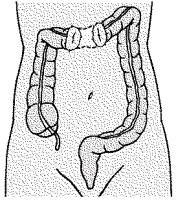
A) This type of colostomy is usually temporary.
B) Soft,formed stool can be expected as drainage.
C) The drainage is liquid at this site but less odorous than at higher sites.
D) Colostomy irrigations can help regulate the drainage from the proximal stoma.
A) This type of colostomy is usually temporary.
B) Soft,formed stool can be expected as drainage.
C) The drainage is liquid at this site but less odorous than at higher sites.
D) Colostomy irrigations can help regulate the drainage from the proximal stoma.

Unlock Deck
Sign up to unlock the cards in this deck!
Unlock Deck
Unlock Deck
1/45

Play

Full screen (f)
Deck 45: Nursing Management: Lower Gastrointestinal Problems
1
A patient with acute diarrhea of 24 hours' duration calls the clinic to ask for directions for care.In talking with the patient,what should the nurse do?
A) Ask the patient to describe the character of the stools and any associated symptoms.
B) Advise the patient to use over-the-counter loperamide (Imodium)to slow gastrointestinal motility.
C) Inform the patient that laboratory testing of blood and stool specimens will be necessary.
D) Advise the patient to drink clear liquid fluids with electrolytes,such as Gatorade or Pedialyte.
A) Ask the patient to describe the character of the stools and any associated symptoms.
B) Advise the patient to use over-the-counter loperamide (Imodium)to slow gastrointestinal motility.
C) Inform the patient that laboratory testing of blood and stool specimens will be necessary.
D) Advise the patient to drink clear liquid fluids with electrolytes,such as Gatorade or Pedialyte.
Ask the patient to describe the character of the stools and any associated symptoms.
2
A patient is brought to the emergency department with a knife impaled in his abdomen following a domestic fight.During the initial assessment of the patient,what is it most important for the nurse to do?
A) Assess the BP and pulse.
B) Remove the knife to assess the wound.
C) Determine the presence of Rovsing's sign.
D) Palpate the abdomen for distension and rigidity.
A) Assess the BP and pulse.
B) Remove the knife to assess the wound.
C) Determine the presence of Rovsing's sign.
D) Palpate the abdomen for distension and rigidity.
Assess the BP and pulse.
3
Psyllium (Metamucil)is prescribed for a patient with chronic constipation.In teaching the patient about chronic constipation,what should the nurse stress?
A) The use of bulk-forming laxatives is safe,and they do not cause any adverse effects.
B) At least 3000 mL of fluid daily must be taken to prevent impaction or bowel obstruction.
C) Dietary sources of fibre should be eliminated from the diet to prevent excessive gas formation.
D) Supplemental fat-soluble vitamins must be taken because the medication blocks absorption of these vitamins.
A) The use of bulk-forming laxatives is safe,and they do not cause any adverse effects.
B) At least 3000 mL of fluid daily must be taken to prevent impaction or bowel obstruction.
C) Dietary sources of fibre should be eliminated from the diet to prevent excessive gas formation.
D) Supplemental fat-soluble vitamins must be taken because the medication blocks absorption of these vitamins.
At least 3000 mL of fluid daily must be taken to prevent impaction or bowel obstruction.
4
A woman diagnosed with irritable bowel syndrome (IBS)tells the nurse that her friends say her problem is "all in [her] head." In caring for the woman,what is it most important for the nurse to do?
A) Advise her that new medications are available to treat the condition.
B) Reassure her that IBS has a specific,identifiable cause.
C) Explain that modifications to increase dietary fibre can control the symptoms.
D) Develop a trusting relationship with her to allow for the expression of her concerns.
A) Advise her that new medications are available to treat the condition.
B) Reassure her that IBS has a specific,identifiable cause.
C) Explain that modifications to increase dietary fibre can control the symptoms.
D) Develop a trusting relationship with her to allow for the expression of her concerns.
Unlock Deck
Unlock for access to all 45 flashcards in this deck.
Unlock Deck
k this deck
5
The nurse identifies the collaborative problem of potential complication: hypovolemic shock related to loss of circulatory volume for a patient with bacterial peritonitis resulting from a ruptured appendix.The nurse recognizes that the major loss of circulating fluid volume occurs as a result of which of the following?
A) Nasogastric suctioning
B) Increased production of stress hormones
C) Extracellular fluid shift into the peritoneal cavity
D) Drainage of excessive fluids from the appendix into the peritoneal cavity
A) Nasogastric suctioning
B) Increased production of stress hormones
C) Extracellular fluid shift into the peritoneal cavity
D) Drainage of excessive fluids from the appendix into the peritoneal cavity
Unlock Deck
Unlock for access to all 45 flashcards in this deck.
Unlock Deck
k this deck
6
A patient is admitted to the emergency department with severe abdominal pain,anorexia,and chills.His vital signs include temperature 38.3°C,pulse 130 beats/min,respiration 34 breaths/min,and blood pressure (BP)82/50 mm Hg.His pain is more intense in the left lower quadrant but radiates throughout the entire abdomen,with rebound tenderness and abdominal rigidity.The nurse plans care for the patient based on the knowledge that management of his condition initially involves which of the following actions?
A) Intravenous (IV)fluid resuscitation
B) Exploratory laparotomy
C) Administration of IV antibiotics
D) Diagnostic testing with barium studies and endoscopy
A) Intravenous (IV)fluid resuscitation
B) Exploratory laparotomy
C) Administration of IV antibiotics
D) Diagnostic testing with barium studies and endoscopy
Unlock Deck
Unlock for access to all 45 flashcards in this deck.
Unlock Deck
k this deck
7
A patient hospitalized with an acute exacerbation of ulcerative colitis is having 14 to 16 bloody stools a day and crampy abdominal pain associated with the diarrhea.Which of the following will the nurse plan to implement?
A) Place the patient on NPO status.
B) Administer cobalamin (vitamin B12)injections.
C) Start bowel preparation for colonoscopy.
D) Administer IV metoclopramide.
A) Place the patient on NPO status.
B) Administer cobalamin (vitamin B12)injections.
C) Start bowel preparation for colonoscopy.
D) Administer IV metoclopramide.
Unlock Deck
Unlock for access to all 45 flashcards in this deck.
Unlock Deck
k this deck
8
A patient is brought to the emergency department following an automobile accident in which she suffered blunt trauma to the abdomen.She is splinting her abdomen and complaining of pain,and bowel sounds are decreased.A peritoneal lavage returns brown drainage.Based on the results of the lavage,what should the nurse plan for?
A) Preparation for a paracentesis
B) Administration of pain medications
C) Continued monitoring of the patient's condition
D) Immediate preparation of the patient for surgery
A) Preparation for a paracentesis
B) Administration of pain medications
C) Continued monitoring of the patient's condition
D) Immediate preparation of the patient for surgery
Unlock Deck
Unlock for access to all 45 flashcards in this deck.
Unlock Deck
k this deck
9
Two days following an exploratory laparotomy with a resection of a short segment of small bowel,the patient complains of gas pains and abdominal distension.Which nursing action is most appropriate to take at this time?
A) Assisting the patient to ambulate
B) Administering the ordered IV morphine sulphate
C) Giving a return-flow enema
D) Inserting the ordered promethazine (Phenergan)suppository
A) Assisting the patient to ambulate
B) Administering the ordered IV morphine sulphate
C) Giving a return-flow enema
D) Inserting the ordered promethazine (Phenergan)suppository
Unlock Deck
Unlock for access to all 45 flashcards in this deck.
Unlock Deck
k this deck
10
While obtaining a nursing history from a patient with IBD,which of the following data leads the nurse to suspect that the patient most likely has ulcerative colitis rather than Crohn's disease?
A) Weight loss
B) Bloody diarrhea
C) Abdominal pain and cramping
D) Onset of the disease at age 20
A) Weight loss
B) Bloody diarrhea
C) Abdominal pain and cramping
D) Onset of the disease at age 20
Unlock Deck
Unlock for access to all 45 flashcards in this deck.
Unlock Deck
k this deck
11
After teaching a patient with IBD about the recommended low-residue diet,the nurse identifies a need for further instruction when the patient chooses which of the following foods from the menu?
A) Boiled shrimp
B) Ham hocks and beans
C) Spaghetti with tomato sauce
D) Poached eggs and crisp bacon
A) Boiled shrimp
B) Ham hocks and beans
C) Spaghetti with tomato sauce
D) Poached eggs and crisp bacon
Unlock Deck
Unlock for access to all 45 flashcards in this deck.
Unlock Deck
k this deck
12
Sulphasalazine (Salazopyrin)is prescribed for a patient who has been diagnosed with ulcerative colitis.The nurse recognizes that teaching about this drug has been effective when the patient states which of the following?
A) "The medication will prevent infections that cause the diarrhea."
B) "The medication suppresses the inflammation in my large intestine."
C) "I will need lab tests to be sure that I can still fight infections."
D) "I will take the sulphasalazine as an enema or suppository."
A) "The medication will prevent infections that cause the diarrhea."
B) "The medication suppresses the inflammation in my large intestine."
C) "I will need lab tests to be sure that I can still fight infections."
D) "I will take the sulphasalazine as an enema or suppository."
Unlock Deck
Unlock for access to all 45 flashcards in this deck.
Unlock Deck
k this deck
13
Which of the following is a neoplastic polyp of the large intestine?
A) Familial juvenile polyps
B) Pseudopolyps
C) Hereditary polyposis syndromes
D) Leiomyomas
A) Familial juvenile polyps
B) Pseudopolyps
C) Hereditary polyposis syndromes
D) Leiomyomas
Unlock Deck
Unlock for access to all 45 flashcards in this deck.
Unlock Deck
k this deck
14
A 20-year-old university student is admitted to the emergency department for evaluation of abdominal pain with nausea and vomiting.She has a white blood cell count of 14,000 cells/microlitre with a shift to the left.Which one of the following actions is appropriate for the nurse to take?
A) Encourage the patient to take sips of clear liquids.
B) Apply an ice pack to the right lower quadrant.
C) Check for rebound tenderness every 30 minutes.
D) Teach the patient how to cough and breathe deeply.
A) Encourage the patient to take sips of clear liquids.
B) Apply an ice pack to the right lower quadrant.
C) Check for rebound tenderness every 30 minutes.
D) Teach the patient how to cough and breathe deeply.
Unlock Deck
Unlock for access to all 45 flashcards in this deck.
Unlock Deck
k this deck
15
The nurse identifies a nursing diagnosis of impaired skin integrity related to diarrhea for a patient with ulcerative colitis.The nurse recognizes that teaching regarding perianal care has been effective when the patient implements which of the following actions?
A) Takes a sitz bath for 40 minutes following each stool
B) Asks for antidiarrheal medication after each diarrhea stool
C) Applies barrier cream after each cleansing of the perianal area
D) Cleans her perianal area with soap and water after each diarrhea stool
A) Takes a sitz bath for 40 minutes following each stool
B) Asks for antidiarrheal medication after each diarrhea stool
C) Applies barrier cream after each cleansing of the perianal area
D) Cleans her perianal area with soap and water after each diarrhea stool
Unlock Deck
Unlock for access to all 45 flashcards in this deck.
Unlock Deck
k this deck
16
An older adult man is hospitalized with a diagnosis of Giardia lamblia infection.He frequently has explosive diarrhea stools that he is unable to control.He closes his eyes and will not talk to the nurse when his linens are changed and skin care is performed.To help maintain the patient's self-esteem,what should the nurse implement?
A) Use incontinence briefs for the patient so that cleaning him is less cumbersome and embarrassing.
B) Request an order for an antidiarrheal drug from the physician to help control the diarrhea episodes.
C) Assure the patient that his lack of control is temporary and will resolve with treatment of the disorder.
D) Acknowledge his behaviour as reflective of a difficult situation for him,and provide privacy during hygiene.
A) Use incontinence briefs for the patient so that cleaning him is less cumbersome and embarrassing.
B) Request an order for an antidiarrheal drug from the physician to help control the diarrhea episodes.
C) Assure the patient that his lack of control is temporary and will resolve with treatment of the disorder.
D) Acknowledge his behaviour as reflective of a difficult situation for him,and provide privacy during hygiene.
Unlock Deck
Unlock for access to all 45 flashcards in this deck.
Unlock Deck
k this deck
17
Surgery is recommended by the physician for a patient with severe ulcerative colitis who has not responded to conservative treatment.The patient tells the nurse that she does not know what decision to make about the proposed surgery or how to choose among the surgical alternatives offered by the surgeon.In responding to the patient's concerns,what should the nurse explain?
A) Surgery for ulcerative colitis involves the formation of a temporary ileostomy to divert fecal contents until the large bowel heals.
B) In a total proctocolectomy with a continent ileostomy,a pouch is created that holds bowel contents and is emptied once a day with the use of a catheter.
C) A total colectomy and ileal reservoir provide the most normal elimination function,but this surgery consists of two procedures,requiring a temporary ileostomy for 8 to 12 weeks.
D) Any proposed surgery for treatment of ulcerative colitis should be given serious consideration because the disease often recurs in previously unaffected parts of the bowel.
A) Surgery for ulcerative colitis involves the formation of a temporary ileostomy to divert fecal contents until the large bowel heals.
B) In a total proctocolectomy with a continent ileostomy,a pouch is created that holds bowel contents and is emptied once a day with the use of a catheter.
C) A total colectomy and ileal reservoir provide the most normal elimination function,but this surgery consists of two procedures,requiring a temporary ileostomy for 8 to 12 weeks.
D) Any proposed surgery for treatment of ulcerative colitis should be given serious consideration because the disease often recurs in previously unaffected parts of the bowel.
Unlock Deck
Unlock for access to all 45 flashcards in this deck.
Unlock Deck
k this deck
18
Which stool consistency would the nurse expect to see in a patient with a sigmoid colostomy?
A) Semiliquid
B) Semiformed
C) Formed
D) Pasty
A) Semiliquid
B) Semiformed
C) Formed
D) Pasty
Unlock Deck
Unlock for access to all 45 flashcards in this deck.
Unlock Deck
k this deck
19
A patient is being evaluated in the emergency department for acute lower abdominal pain with diarrhea and vomiting.During the nursing history,what is the most helpful question to obtain information regarding the patient's condition?
A) "What do you usually eat?"
B) "Can you tell me about your pain?"
C) "What is your usual elimination pattern?"
D) "When did the diarrhea and vomiting start?"
A) "What do you usually eat?"
B) "Can you tell me about your pain?"
C) "What is your usual elimination pattern?"
D) "When did the diarrhea and vomiting start?"
Unlock Deck
Unlock for access to all 45 flashcards in this deck.
Unlock Deck
k this deck
20
A 78-year-old patient is transferred to the hospital from a nursing home on developing abdominal pain and watery,incontinent diarrhea following a course of antibiotic therapy for pneumonia.Stool cultures reveal the presence of Clostridium difficile.In planning care for the patient,the nurse will do which of the following?
A) Order a diet with no dairy products for the patient.
B) Place the patient in a private room with contact isolation.
C) Explain to the patient why antibiotics are not being used.
D) Teach the patient about proper food handling and storage.
A) Order a diet with no dairy products for the patient.
B) Place the patient in a private room with contact isolation.
C) Explain to the patient why antibiotics are not being used.
D) Teach the patient about proper food handling and storage.
Unlock Deck
Unlock for access to all 45 flashcards in this deck.
Unlock Deck
k this deck
21
During preoperative teaching for a patient scheduled for an abdominal-perineal resection,which intervention will the nurse perform?
A) Give IV antibiotics starting 24 hours before surgery to reduce the number of bowel bacteria.
B) Teach the patient that activities such as sitting at the bedside will be started the first postoperative day.
C) Instruct the patient that another surgery in 8 to 12 weeks will be used to create an ileal-anal reservoir.
D) Administer enemas and laxatives to ensure that the bowel is empty before the surgery.
A) Give IV antibiotics starting 24 hours before surgery to reduce the number of bowel bacteria.
B) Teach the patient that activities such as sitting at the bedside will be started the first postoperative day.
C) Instruct the patient that another surgery in 8 to 12 weeks will be used to create an ileal-anal reservoir.
D) Administer enemas and laxatives to ensure that the bowel is empty before the surgery.
Unlock Deck
Unlock for access to all 45 flashcards in this deck.
Unlock Deck
k this deck
22
A patient with Crohn's disease develops a fever and symptoms of a urinary tract infection.The nurse recognizes that this complication may occur as a result of which of the following events?
A) Perianal irritation from frequent diarrhea
B) Fistula formation between the bowel and the bladder
C) Extraintestinal manifestations of the bowel disease
D) Impaired immunological response to infectious microorganisms
A) Perianal irritation from frequent diarrhea
B) Fistula formation between the bowel and the bladder
C) Extraintestinal manifestations of the bowel disease
D) Impaired immunological response to infectious microorganisms
Unlock Deck
Unlock for access to all 45 flashcards in this deck.
Unlock Deck
k this deck
23
A patient newly diagnosed with Crohn's disease asks the nurse what to expect in the future.What is the best response?
A) "You need to know that lifelong,unpredictable periods of remissions and recurrences are probable."
B) "You can expect to lead a normal life and may have long periods without episodes of diarrhea or other symptoms."
C) "Most patients with Crohn's disease require an ostomy to control the disease,but you can adjust to that."
D) "After about 10 years,patients with Crohn's disease have a high risk for colon cancer unless the colon is removed."
A) "You need to know that lifelong,unpredictable periods of remissions and recurrences are probable."
B) "You can expect to lead a normal life and may have long periods without episodes of diarrhea or other symptoms."
C) "Most patients with Crohn's disease require an ostomy to control the disease,but you can adjust to that."
D) "After about 10 years,patients with Crohn's disease have a high risk for colon cancer unless the colon is removed."
Unlock Deck
Unlock for access to all 45 flashcards in this deck.
Unlock Deck
k this deck
24
An 81-year-old patient has a large bowel obstruction that occurred as a result of a fecal impaction.During nursing assessment of the patient,which of the following findings is consistent with a large bowel obstruction?
A) Metabolic alkalosis
B) Referred pain to the back
C) Bile-coloured vomiting
D) Abdominal distension
A) Metabolic alkalosis
B) Referred pain to the back
C) Bile-coloured vomiting
D) Abdominal distension
Unlock Deck
Unlock for access to all 45 flashcards in this deck.
Unlock Deck
k this deck
25
A 26-year-old woman is diagnosed with Crohn's disease after having frequent diarrhea and a weight loss of 4.5 kg over 2 months.When the patient asks what will happen,the nurse explains that initial therapy usually includes which of the following treatments?
A) Bed rest
B) Fluid restriction
C) Use of corticosteroids
D) Small,frequent feedings of a high-calorie diet
A) Bed rest
B) Fluid restriction
C) Use of corticosteroids
D) Small,frequent feedings of a high-calorie diet
Unlock Deck
Unlock for access to all 45 flashcards in this deck.
Unlock Deck
k this deck
26
In providing discharge teaching for a patient who has undergone a hemorrhoidectomy at an outpatient surgical centre,what should the nurse instruct the patient to do?
A) Maintain a low-residue diet until the surgical area is healed.
B) Use ice packs on the perianal area to relieve pain and swelling.
C) Take prescribed pain medications before a bowel movement is expected.
D) Delay having a bowel movement for several days until healing has occurred.
A) Maintain a low-residue diet until the surgical area is healed.
B) Use ice packs on the perianal area to relieve pain and swelling.
C) Take prescribed pain medications before a bowel movement is expected.
D) Delay having a bowel movement for several days until healing has occurred.
Unlock Deck
Unlock for access to all 45 flashcards in this deck.
Unlock Deck
k this deck
27
A total proctocolectomy with a continent ileostomy is performed for a patient with ulcerative colitis.Postoperatively,a catheter is in place in the stoma,and irrigations are performed every 4 hours.The patient is very upset and tells the nurse that the stoma is ugly,and she does not think she can live with all the alterations in her body.What is the best response to the patient's remarks?
A) Reassure the patient that the stoma will shrink,and she will get used to caring for the ileostomy.
B) Consult with the patient and the surgeon to arrange a visitor from a local ostomy support group.
C) Develop a detailed written plan for the patient,which includes all the information she will need to care for her ileostomy.
D) Recognize that this is a difficult period for the patient,and avoid intervening until she has had time to adjust to her situation.
A) Reassure the patient that the stoma will shrink,and she will get used to caring for the ileostomy.
B) Consult with the patient and the surgeon to arrange a visitor from a local ostomy support group.
C) Develop a detailed written plan for the patient,which includes all the information she will need to care for her ileostomy.
D) Recognize that this is a difficult period for the patient,and avoid intervening until she has had time to adjust to her situation.
Unlock Deck
Unlock for access to all 45 flashcards in this deck.
Unlock Deck
k this deck
28
The nurse identifies a nursing diagnosis of imbalanced nutrition: less than body requirements for a patient who is hospitalized with an acute exacerbation of Crohn's disease based on which of the following findings?
A) Fatigue and weakness
B) A hemoglobin of 6.2 mmol/L (10 g/dL)
C) A weight loss of 0.9 kg in 2 days
D) A 24-hour diet history that reveals a 1500-calorie intake
A) Fatigue and weakness
B) A hemoglobin of 6.2 mmol/L (10 g/dL)
C) A weight loss of 0.9 kg in 2 days
D) A 24-hour diet history that reveals a 1500-calorie intake
Unlock Deck
Unlock for access to all 45 flashcards in this deck.
Unlock Deck
k this deck
29
A 42-year-old patient recently developed abdominal distension,weight loss,steatorrhea,and flatulence.A diagnosis of adult celiac disease is made,and treatment is initiated.The nurse identifies that teaching about the treatment of the disease has been effective when the patient makes which of the following statements?
A) "I must take maintenance folic acid for the rest of my life."
B) "I must avoid all sources of wheat,rye,and oats in my diet."
C) "A course of antibiotics is usually effective in treating this disorder."
D) "To control the fatty,greasy stools,I should eat only very low-fat or fat-free foods."
A) "I must take maintenance folic acid for the rest of my life."
B) "I must avoid all sources of wheat,rye,and oats in my diet."
C) "A course of antibiotics is usually effective in treating this disorder."
D) "To control the fatty,greasy stools,I should eat only very low-fat or fat-free foods."
Unlock Deck
Unlock for access to all 45 flashcards in this deck.
Unlock Deck
k this deck
30
The nurse explains to a patient with a new ileostomy that after her system adjusts to the ileostomy,the usual drainage will be about which following amount?
A) 250 mL
B) 500 mL
C) 800 mL
D) 1400 mL
A) 250 mL
B) 500 mL
C) 800 mL
D) 1400 mL
Unlock Deck
Unlock for access to all 45 flashcards in this deck.
Unlock Deck
k this deck
31
The nurse identifies a nursing diagnosis of acute pain related to edema and surgical incision for a patient who has had a herniorrhaphy performed for an incarcerated inguinal hernia.What is an appropriate nursing intervention for this problem?
A) Apply moist heat to the abdomen.
B) Administer stool softeners as ordered.
C) Provide warm sitz baths several times a day.
D) Apply a scrotal support with application of ice.
A) Apply moist heat to the abdomen.
B) Administer stool softeners as ordered.
C) Provide warm sitz baths several times a day.
D) Apply a scrotal support with application of ice.
Unlock Deck
Unlock for access to all 45 flashcards in this deck.
Unlock Deck
k this deck
32
A patient is hospitalized with severe vomiting and colicky abdominal pain that is somewhat relieved with the vomiting.The physician suspects an intussusception and orders placement of an nasogastric (NG)tube while determining whether surgery is indicated.What is an appropriate collaborative problem for the nurse to identify for the patient at this time?
A) Potential complication: volvulus
B) Potential complication: thromboembolism
C) Potential complication: renal insufficiency
D) Potential complication: metabolic alkalosis
A) Potential complication: volvulus
B) Potential complication: thromboembolism
C) Potential complication: renal insufficiency
D) Potential complication: metabolic alkalosis
Unlock Deck
Unlock for access to all 45 flashcards in this deck.
Unlock Deck
k this deck
33
A recent colonoscopy revealed an increased number of polyps in a patient with a history of moderately severe familial adenomatous polyposis (FAP).In planning care for the patient,what does the nurse recognize that the medical recommendation for patients with FAP will include?
A) A total colectomy with ileostomy to prevent colon cancer
B) Annual colonoscopy until the age of 40
C) Routine periodic polypectomies via a colonoscope to remove abnormal growths
D) Biannual colonoscopy for life because of a 50% chance of developing colon cancer
A) A total colectomy with ileostomy to prevent colon cancer
B) Annual colonoscopy until the age of 40
C) Routine periodic polypectomies via a colonoscope to remove abnormal growths
D) Biannual colonoscopy for life because of a 50% chance of developing colon cancer
Unlock Deck
Unlock for access to all 45 flashcards in this deck.
Unlock Deck
k this deck
34
During the initial postoperative assessment of a patient's stoma formed with a transverse colostomy,the nurse finds it to be red with moderate edema and a small amount of bleeding.What is the most appropriate nursing action?
A) Document the stoma assessment.
B) Notify the surgeon about the stoma appearance.
C) Monitor the stoma every 30 minutes.
D) Place an ice pack on the stoma to reduce swelling.
A) Document the stoma assessment.
B) Notify the surgeon about the stoma appearance.
C) Monitor the stoma every 30 minutes.
D) Place an ice pack on the stoma to reduce swelling.
Unlock Deck
Unlock for access to all 45 flashcards in this deck.
Unlock Deck
k this deck
35
When implementing the initial plan of care for a patient admitted with acute diverticulosis,what should the nurse implement for the patient?
A) Administer IV fluids.
B) Order a diet high in fibre and fluids.
C) Give stool softeners.
D) Prepare the patient for colonoscopy.
A) Administer IV fluids.
B) Order a diet high in fibre and fluids.
C) Give stool softeners.
D) Prepare the patient for colonoscopy.
Unlock Deck
Unlock for access to all 45 flashcards in this deck.
Unlock Deck
k this deck
36
Before undergoing a colon resection for cancer of the colon,a patient has an elevated carcinoembryonic antigen (CEA)test result.What should the nurse explain that the test is used to do?
A) Identify the extent of cancer spread.
B) Confirm the diagnosis of colon cancer.
C) Monitor the tumour status after surgery.
D) Identify the need for radiation or chemotherapy.
A) Identify the extent of cancer spread.
B) Confirm the diagnosis of colon cancer.
C) Monitor the tumour status after surgery.
D) Identify the need for radiation or chemotherapy.
Unlock Deck
Unlock for access to all 45 flashcards in this deck.
Unlock Deck
k this deck
37
A patient returns from surgery following an abdominal-perineal resection with a sigmoid colostomy and abdominal and perineal incisions.The colostomy is dressed with petroleum jelly gauze and dry-gauze dressings.The perineal incision is partially closed and has two drains attached to Jackson-Pratt suction.During the early postoperative period,to what should the nurse give the highest priority?
A) Teaching about a low-residue diet
B) Monitoring drainage from the colostomy stoma
C) Assessing perineal drainage and incision
D) Encouraging acceptance of the colostomy site
A) Teaching about a low-residue diet
B) Monitoring drainage from the colostomy stoma
C) Assessing perineal drainage and incision
D) Encouraging acceptance of the colostomy site
Unlock Deck
Unlock for access to all 45 flashcards in this deck.
Unlock Deck
k this deck
38
While obtaining a nursing history from a patient scheduled for a colonoscopy,what would the nurse be most concerned about?
A) Lifelong constipation
B) Nausea and vomiting
C) History of an appendectomy
D) Recent blood in the stools
A) Lifelong constipation
B) Nausea and vomiting
C) History of an appendectomy
D) Recent blood in the stools
Unlock Deck
Unlock for access to all 45 flashcards in this deck.
Unlock Deck
k this deck
39
A patient has a newly formed ileostomy for treatment of ulcerative colitis.In teaching the patient about the care of her ileostomy,what should the nurse advise the patient to do?
A) Restrict fluid intake to prevent constant liquid drainage from the stoma.
B) Change the pouch every day to prevent leakage of contents onto the skin.
C) Use care when eating high-fibre foods to avoid obstruction of the ileum.
D) Irrigate the ileostomy daily to avoid having to wear a drainage appliance.
A) Restrict fluid intake to prevent constant liquid drainage from the stoma.
B) Change the pouch every day to prevent leakage of contents onto the skin.
C) Use care when eating high-fibre foods to avoid obstruction of the ileum.
D) Irrigate the ileostomy daily to avoid having to wear a drainage appliance.
Unlock Deck
Unlock for access to all 45 flashcards in this deck.
Unlock Deck
k this deck
40
When teaching a patient to irrigate a new colostomy,the nurse recognizes that additional teaching is needed when the patient indicates which of the following?
A) "I should hang the irrigating container about 46 to 60 cm above the stoma."
B) "Irrigation will help control and train my bowel."
C) "I should use a hard plastic catheter for irrigating."
D) "If resistance is met,force is not to be used."
A) "I should hang the irrigating container about 46 to 60 cm above the stoma."
B) "Irrigation will help control and train my bowel."
C) "I should use a hard plastic catheter for irrigating."
D) "If resistance is met,force is not to be used."
Unlock Deck
Unlock for access to all 45 flashcards in this deck.
Unlock Deck
k this deck
41
A patient presents at the emergency department with complaints of diarrhea and weight loss.Upon further assessment,steatorrhea is noted and the patient is found to have oxalate kidney stones.The nurse knows that these signs and symptoms are common with which following condition?
A) Intestinal obstruction
B) Short-bowel syndrome (SBS)
C) Lactase deficiency
D) Colorectal cancer
A) Intestinal obstruction
B) Short-bowel syndrome (SBS)
C) Lactase deficiency
D) Colorectal cancer
Unlock Deck
Unlock for access to all 45 flashcards in this deck.
Unlock Deck
k this deck
42
After being treated for a respiratory tract infection with a 10-day course of antibiotics,a 69-year-old patient calls the clinic and tells the nurse about developing frequent,watery diarrhea.What will the nurse anticipate that the patient will need to do?
A) Prepare for colonoscopy by taking laxatives.
B) Have blood drawn for blood cultures.
C) Bring a stool specimen in to be tested for C.difficile.
D) Schedule a barium enema to check for inflammation.
A) Prepare for colonoscopy by taking laxatives.
B) Have blood drawn for blood cultures.
C) Bring a stool specimen in to be tested for C.difficile.
D) Schedule a barium enema to check for inflammation.
Unlock Deck
Unlock for access to all 45 flashcards in this deck.
Unlock Deck
k this deck
43
A patient with Crohn's disease has a megaloblastic anemia.The nurse will anticipate teaching the patient about the ongoing need for which of the following?
A) Oral ferrous sulphate tablets
B) Cobalamin (vitamin B12)injections
C) Iron dextran (Imferon)injections
D) Regular blood transfusions
A) Oral ferrous sulphate tablets
B) Cobalamin (vitamin B12)injections
C) Iron dextran (Imferon)injections
D) Regular blood transfusions
Unlock Deck
Unlock for access to all 45 flashcards in this deck.
Unlock Deck
k this deck
44
Which of the following is a clinical manifestation of an obstruction in the small intestine as opposed to the large intestine?
A) Gradual onset
B) Immediate and frequent vomiting
C) Low-grade cramping abdominal pain
D) Complete constipation
A) Gradual onset
B) Immediate and frequent vomiting
C) Low-grade cramping abdominal pain
D) Complete constipation
Unlock Deck
Unlock for access to all 45 flashcards in this deck.
Unlock Deck
k this deck
45
A patient with a gunshot wound to the abdomen undergoes surgery,and a colostomy is formed as illustrated.What should the nurse explain to the patient?
A) This type of colostomy is usually temporary.
B) Soft,formed stool can be expected as drainage.
C) The drainage is liquid at this site but less odorous than at higher sites.
D) Colostomy irrigations can help regulate the drainage from the proximal stoma.
A) This type of colostomy is usually temporary.
B) Soft,formed stool can be expected as drainage.
C) The drainage is liquid at this site but less odorous than at higher sites.
D) Colostomy irrigations can help regulate the drainage from the proximal stoma.
Unlock Deck
Unlock for access to all 45 flashcards in this deck.
Unlock Deck
k this deck
Unlock Deck
Unlock for access to all 45 flashcards in this deck.






