







 Chat with AI

Deck 5: Nursing Care of Patients Experiencing Loss, Grief and Death
Full screen (f)

Question

Question
Question
Question
Question
Question
Question
Question
Question
Question
Question
Question
Question
Question
Question
Question
Question
Question
Question
Question
Question
Question
Question
Question
Question
Question
Question
Question
Question
Question
Question
Question
Question
Question
Question
Question
Question
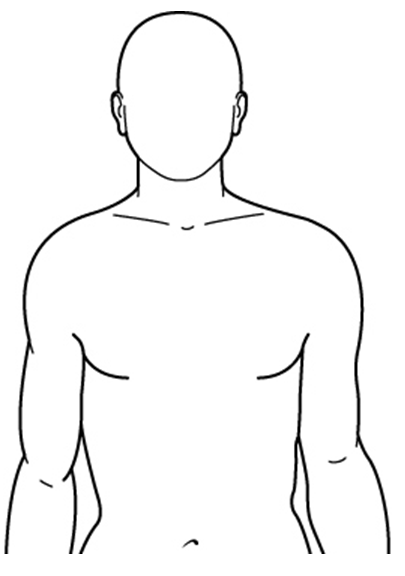
A patient in the final stages of colon cancer is demonstrating Cheyne-Stokes respirations. To assess these respirations, the nurse would auscultate breath sounds over which area of the thorax? (Click the cursor over the location where the stethoscope should be placed.)
Question
Question
Question
Question
Question
Question
Question
Question
Question
Question
Question

Unlock Deck
Sign up to unlock the cards in this deck!
Unlock Deck
Unlock Deck
1/48

Play

Full screen (f)
Deck 5: Nursing Care of Patients Experiencing Loss, Grief and Death
1
At the time of admission, a patient tells the nurse that his daughter will be allowed to make health-related decisions if he becomes incapacitated. The nurse realizes this patient is describing which of the following?
A)healthcare surrogate
B)living will
C)durable power of attorney
D)advanced directive
A)healthcare surrogate
B)living will
C)durable power of attorney
D)advanced directive
healthcare surrogate
2
A patient tells the nurse that her husband passed away a year ago and is now beginning to realize that he truly gone. The patient is planning to begin a new job and possibly move to a new community. The nurse realizes that this patient is in which of the following stages of Bowlby's theory of attachment?
A)detachment
B)protest
C)despair
D)anger
A)detachment
B)protest
C)despair
D)anger
detachment
3
A patient tells the nurse that since his wife died he has not been able to sleep and sees no reason to continue living without her. If using Freud's theory on grief and loss, the nurse realizes this patient is experiencing which of the following?
A)depression
B)grieving
C)emancipation
D)denial
A)depression
B)grieving
C)emancipation
D)denial
depression
4
A terminally ill patient, without an advance directive or do-not-resuscitate order, stops breathing. Which of the following should the nurse do to assist this patient?
A)Call a code.
B)Initiate a slow code.
C)Contact the physician to assess the patient for death.
D)Contact the nursing supervisor.
A)Call a code.
B)Initiate a slow code.
C)Contact the physician to assess the patient for death.
D)Contact the nursing supervisor.
Unlock Deck
Unlock for access to all 48 flashcards in this deck.
Unlock Deck
k this deck
5
A patient has decided to join a support group for surviving spouses of victims of violent crime. According to Engel's theory of grief and loss, the nurse identifies that this patient is in the stage of which of the following?
A)restitution
B)acute grief
C)shock and disbelief
D)denial
A)restitution
B)acute grief
C)shock and disbelief
D)denial
Unlock Deck
Unlock for access to all 48 flashcards in this deck.
Unlock Deck
k this deck
6
A competent elderly patient has a living will that states to avoid resuscitation and heroic life support measures. The family members are not supportive of this directive. Which of the following actions by the nurse is the most appropriate?
A)Place the document on the chart.
B)Contact the Social Services department.
C)Notify the hospital attorney.
D)Explain to the patient that the conflict could invalidate the document.
A)Place the document on the chart.
B)Contact the Social Services department.
C)Notify the hospital attorney.
D)Explain to the patient that the conflict could invalidate the document.
Unlock Deck
Unlock for access to all 48 flashcards in this deck.
Unlock Deck
k this deck
7
A terminally ill patient nearing end of life is dehydrated and complains of being thirsty. Which of the following can the nurse do to assist this patient with comfort during this time?
A)Provide oral care every two hours.
B)Increase intravenous fluids.
C)Increase the head of the bed.
D)Begin enteral feedings.
A)Provide oral care every two hours.
B)Increase intravenous fluids.
C)Increase the head of the bed.
D)Begin enteral feedings.
Unlock Deck
Unlock for access to all 48 flashcards in this deck.
Unlock Deck
k this deck
8
A 30-year-old terminally ill patient is concerned about how her 7-year-old child will perceive her death. What advice from the nurse would be most beneficial?
A)Explain to the patient that children of this age recognize death is permanent.
B)Advise the patient that children that age emotionally distance themselves from the death.
C)Encourage the patient to prepare the child by explaining that death is permanent since the child fears separation.
D)Advise the patient that children at this age think death is sleeping.
A)Explain to the patient that children of this age recognize death is permanent.
B)Advise the patient that children that age emotionally distance themselves from the death.
C)Encourage the patient to prepare the child by explaining that death is permanent since the child fears separation.
D)Advise the patient that children at this age think death is sleeping.
Unlock Deck
Unlock for access to all 48 flashcards in this deck.
Unlock Deck
k this deck
9
The brother of a terminally ill patient states, "I'll donate a million dollars to the hospital if they cure my brother." The nurse realizes this statement is indicative of which phase of Kübler-Ross's loss stages?
A)bargaining
B)denial
C)anger
D)acceptance
A)bargaining
B)denial
C)anger
D)acceptance
Unlock Deck
Unlock for access to all 48 flashcards in this deck.
Unlock Deck
k this deck
10
While preparing for the discharge of an elderly, terminally ill patient, the family asks for information concerning the most appropriate time to become involved with a hospice agency. Which action by the nurse is most correct?
A)Assist the family with making contact with a hospice agency at this time.
B)Determine the patient's expected life expectancy to gauge when the contact should be made.
C)Encourage the family to "hold off" making the contact until death is very close.
D)Determine what expectations the family has of the hospice agency.
A)Assist the family with making contact with a hospice agency at this time.
B)Determine the patient's expected life expectancy to gauge when the contact should be made.
C)Encourage the family to "hold off" making the contact until death is very close.
D)Determine what expectations the family has of the hospice agency.
Unlock Deck
Unlock for access to all 48 flashcards in this deck.
Unlock Deck
k this deck
11
A terminally ill patient is experiencing dyspnea and tells the nurse that he feels like he is suffocating. Which of the following can the nurse do to assist this patient?
A)Keep the room cool with a slight breeze.
B)Increase the heat in the room.
C)Provide additional intravenous fluids.
D)Assist to a sitting position out of bed.
A)Keep the room cool with a slight breeze.
B)Increase the heat in the room.
C)Provide additional intravenous fluids.
D)Assist to a sitting position out of bed.
Unlock Deck
Unlock for access to all 48 flashcards in this deck.
Unlock Deck
k this deck
12
After an unsuccessful resuscitation attempt, a patient dies. Which of the following should the nurse do first at this time?
A)Document the time of death.
B)Notify the funeral home.
C)Contact the physician.
D)Contact the orderly for transport to the morgue.
A)Document the time of death.
B)Notify the funeral home.
C)Contact the physician.
D)Contact the orderly for transport to the morgue.
Unlock Deck
Unlock for access to all 48 flashcards in this deck.
Unlock Deck
k this deck
13
A terminally ill patient is demonstrating signs of spiritual distress. Which of the following can the nurse do first to assist this patient?
A)Use the FICA assessment.
B)Help the patient with guided imagery.
C)Offer to pray with the patient.
D)Leave the patient to be alone with his thoughts.
A)Use the FICA assessment.
B)Help the patient with guided imagery.
C)Offer to pray with the patient.
D)Leave the patient to be alone with his thoughts.
Unlock Deck
Unlock for access to all 48 flashcards in this deck.
Unlock Deck
k this deck
14
A patient with a chronic illness asks the nurse if the new medication is going to cure his disease. Which of the following is the nurse's best response?
A)"It will help you be more comfortable.I don't think it's going to cure the disease."
B)"Of course it's going to cure the disease."
C)"If you believe it will cure the disease, then it will."
D)"I don't think it's going to help or hurt at this time."
A)"It will help you be more comfortable.I don't think it's going to cure the disease."
B)"Of course it's going to cure the disease."
C)"If you believe it will cure the disease, then it will."
D)"I don't think it's going to help or hurt at this time."
Unlock Deck
Unlock for access to all 48 flashcards in this deck.
Unlock Deck
k this deck
15
A terminally ill patient is receiving palliative care. The nurse recognizes that the purpose of this type of care is to
A)alleviate suffering and promote quality of life.
B)decrease pain and prevent medical complications.
C)control side effects of illness while postponing death.
D)withdraw all medical care to allow natural death.
A)alleviate suffering and promote quality of life.
B)decrease pain and prevent medical complications.
C)control side effects of illness while postponing death.
D)withdraw all medical care to allow natural death.
Unlock Deck
Unlock for access to all 48 flashcards in this deck.
Unlock Deck
k this deck
16
A terminally ill patient is experiencing secretions pooling in the back of the throat. Which of the following can the nurse do to help this patient feel more comfortable?
A)Raise the head of the bed.
B)Gently massage the patient.
C)Provide small frequent sips of fluids.
D)Provide oral care.
A)Raise the head of the bed.
B)Gently massage the patient.
C)Provide small frequent sips of fluids.
D)Provide oral care.
Unlock Deck
Unlock for access to all 48 flashcards in this deck.
Unlock Deck
k this deck
17
A patient tells the nurse that her estranged husband died a little over a year ago and states, "I am not sure why this is so difficult, I really couldn't stand him near the end." Which response by the nurse is most appropriate?
A)"Sometimes a rocky relationship with someone at the time of their death can impact your ability to grieve."
B)"You seem angry."
C)"You should contact a therapist."
D)"You are just entering the grief process, things will get better."
A)"Sometimes a rocky relationship with someone at the time of their death can impact your ability to grieve."
B)"You seem angry."
C)"You should contact a therapist."
D)"You are just entering the grief process, things will get better."
Unlock Deck
Unlock for access to all 48 flashcards in this deck.
Unlock Deck
k this deck
18
A terminally ill patient and family agree that the physician write a do-not-resuscitate order for the patient. The nurse realizes that which of the following should be implemented when following this order?
A)Do not call a code if the patient stops breathing or the heart stops beating.
B)Call a code only if the patient stops breathing.
C)Call a code only if the patient's heart stops beating.
D)Withhold food and fluids but provide pain medication.
A)Do not call a code if the patient stops breathing or the heart stops beating.
B)Call a code only if the patient stops breathing.
C)Call a code only if the patient's heart stops beating.
D)Withhold food and fluids but provide pain medication.
Unlock Deck
Unlock for access to all 48 flashcards in this deck.
Unlock Deck
k this deck
19
A patient of American Indian descent is expected to die. The family arrives at the hospital and wants to observe most of their religious and cultural traditions. Which of the following interventions by the nursing staff would be most appropriate?
A)Offer the family a private room to sit together.
B)Discourage the family from sitting with their loved one prior to death.
C)Discuss the possibility of transferring the patient home for the death.
D)Encourage the family to assist in the care of the dying patient.
A)Offer the family a private room to sit together.
B)Discourage the family from sitting with their loved one prior to death.
C)Discuss the possibility of transferring the patient home for the death.
D)Encourage the family to assist in the care of the dying patient.
Unlock Deck
Unlock for access to all 48 flashcards in this deck.
Unlock Deck
k this deck
20
A patient asks the nurse what it means to have hospice care at home. Which of the following is the most correct response to this patient?
A)"Hospice makes sure that you are comfortable at home."
B)"Hospice care helps cure your illness."
C)"Hospice care is for patients who will be sick for longer than a year."
D)"Hospice care means your physical needs will be met."
A)"Hospice makes sure that you are comfortable at home."
B)"Hospice care helps cure your illness."
C)"Hospice care is for patients who will be sick for longer than a year."
D)"Hospice care means your physical needs will be met."
Unlock Deck
Unlock for access to all 48 flashcards in this deck.
Unlock Deck
k this deck
21
A patient who is a recent widow states, "I wanted to ask him for a divorce and then he died." The nurse realizes this patient is at risk for which of the following?
A)accelerated grief reaction
B)a dysfunctional grief reaction
C)a typical grief reaction process
D)psychosomatic disorders
A)accelerated grief reaction
B)a dysfunctional grief reaction
C)a typical grief reaction process
D)psychosomatic disorders
Unlock Deck
Unlock for access to all 48 flashcards in this deck.
Unlock Deck
k this deck
22
A patient tells the nurse, "My husband left me to be with God." The nurse realizes this patient is demonstrating which of the following?
A)coping
B)denial
C)a regional difference in which death is expressed
D)a cultural rite related to death
A)coping
B)denial
C)a regional difference in which death is expressed
D)a cultural rite related to death
Unlock Deck
Unlock for access to all 48 flashcards in this deck.
Unlock Deck
k this deck
23
The patient endured the death of her daughter four years ago after the daughter was diagnosed with cancer. Surprisingly, the patient entered through each stage described by Elizabeth Kübler-Ross in order. Rank the following statements made by the patient during psychological counseling in the most likely sequence. Click and drag the options below to move them up or down.
A)"I have to admit I tried to make a deal with God to bring her back to me."
B)"I'm going to try to use my experience with her illness to help other parents."
C)"I cannot get my mind around it.I still keep waiting for her to come home from school."
D)"I can hardly get out of bed because I just want to sleep."
E)"I just feel so mad at her for leaving me!"
A)"I have to admit I tried to make a deal with God to bring her back to me."
B)"I'm going to try to use my experience with her illness to help other parents."
C)"I cannot get my mind around it.I still keep waiting for her to come home from school."
D)"I can hardly get out of bed because I just want to sleep."
E)"I just feel so mad at her for leaving me!"
Unlock Deck
Unlock for access to all 48 flashcards in this deck.
Unlock Deck
k this deck
24
The spouse of a former patient tells the nurse that he has joined a support group to help with the loss of his wife. The nurse realizes this patient is in which phase of Engel's grief process?
A)acute
B)restitution
C)long-term
D)resolution
A)acute
B)restitution
C)long-term
D)resolution
Unlock Deck
Unlock for access to all 48 flashcards in this deck.
Unlock Deck
k this deck
25
The brother of a terminally ill patient states, "I'll donate money to the hospital that cures my brother." The nurse realizes this statement is indicative of which phase of Kübler-Ross's loss stages?
A)denial
B)anger
C)bargaining
D)acceptance
A)denial
B)anger
C)bargaining
D)acceptance
Unlock Deck
Unlock for access to all 48 flashcards in this deck.
Unlock Deck
k this deck
26
A patient who has just lost her spouse asks the nurse how long it will be until she feels like living again. The nurse realizes this patient has to work through which of the phases of the grieving process according to Bowlby? Select all that apply.
A)denial
B)despair
C)detachment
D)protest
A)denial
B)despair
C)detachment
D)protest
Unlock Deck
Unlock for access to all 48 flashcards in this deck.
Unlock Deck
k this deck
27
The nurse, reviewing data for a patient receiving hospice, believes death is imminent. Which of the following are manifestations of impending death? (Review the information provided from the patient's medical record.) 11ea992e_0a91_9666_9f38_298e1297d77a
A)vital signs and skin appearance
B)vital signs and output
C)vital signs and intake
D)vital signs and lung sounds
A)vital signs and skin appearance
B)vital signs and output
C)vital signs and intake
D)vital signs and lung sounds
Unlock Deck
Unlock for access to all 48 flashcards in this deck.
Unlock Deck
k this deck
28
The hospice nurse receives an order to administer nebulized morphine to all of the following patients. For which of the following patients would the nurse Select all that apply.
A)The patient diagnosed with end-stage renal failure.
B)The patient diagnosed with hepatic cancer.
C)The patient diagnosed with chronic bronchitis.
D)The patient diagnosed with end-stage emphysema.
E)The patient diagnosed with ovarian cancer.
A)The patient diagnosed with end-stage renal failure.
B)The patient diagnosed with hepatic cancer.
C)The patient diagnosed with chronic bronchitis.
D)The patient diagnosed with end-stage emphysema.
E)The patient diagnosed with ovarian cancer.
Unlock Deck
Unlock for access to all 48 flashcards in this deck.
Unlock Deck
k this deck
29
A patient being treated for terminal cancer is prescribed morphine sulfate through a continuous intravenous infusion. The pharmacy is requesting the patient's current weight in kilograms. During the last measurement, the patient's weight was documented as being 128 lbs. The nurse should calculate the patient's current weight in kilograms to be what?
Unlock Deck
Unlock for access to all 48 flashcards in this deck.
Unlock Deck
k this deck
30
A young adult male patient diagnosed with terminal pancreatic cancer tells the nurse that if he lets his hair grow, God will cure him. The nurse realizes this patient is demonstrating which of the following? Select all that apply.
A)delusions, and is using religious beliefs to block his loss
B)bargaining, and is postponing his loss
C)denial, and his religious beliefs block his loss
D)normal, because of bargaining with God in the hope to obtain physical healing
E)anger, and is using his religious beliefs to project his loss
A)delusions, and is using religious beliefs to block his loss
B)bargaining, and is postponing his loss
C)denial, and his religious beliefs block his loss
D)normal, because of bargaining with God in the hope to obtain physical healing
E)anger, and is using his religious beliefs to project his loss
Unlock Deck
Unlock for access to all 48 flashcards in this deck.
Unlock Deck
k this deck
31
The nurse is instructing others on the use of hospice care. Which of the following statements determines that the teaching session has been effective? Select all that apply.
A)"Hospice care is designed for those individuals with a terminal prognosis and who cannot stay at the hospital."
B)"Hospice care is designed for those individuals with a terminal prognosis who decide to spend their final days at home with their families."
C)"Hospice care is designed for those individuals with a terminal prognosis who decide to stay in the hospital for symptom management."
D)"Hospice care is designed for those individuals with a terminal prognosis who have to go into a hospice center in order to have proper symptom management."
E)"Hospice care is designed for those individuals with a terminal prognosis who decide to receive treatment for their symptoms at home, the hospital, or the hospice center."
A)"Hospice care is designed for those individuals with a terminal prognosis and who cannot stay at the hospital."
B)"Hospice care is designed for those individuals with a terminal prognosis who decide to spend their final days at home with their families."
C)"Hospice care is designed for those individuals with a terminal prognosis who decide to stay in the hospital for symptom management."
D)"Hospice care is designed for those individuals with a terminal prognosis who have to go into a hospice center in order to have proper symptom management."
E)"Hospice care is designed for those individuals with a terminal prognosis who decide to receive treatment for their symptoms at home, the hospital, or the hospice center."
Unlock Deck
Unlock for access to all 48 flashcards in this deck.
Unlock Deck
k this deck
32
The patient is a Mexican American who is dying. Which of the following statements made by the patient's only son are expected? Select all that apply.
A)"We have already notified our priest about Dad's condition."
B)"When the time of death gets closer, we would like him transferred to the inpatient hospice unit at the hospital."
C)"My sister is pregnant and so she really can't help with his care."
D)"My family members will be here at the house a lot right now."
E)"We don't want to worry him so if there is any change in his condition, please talk to me about it."
A)"We have already notified our priest about Dad's condition."
B)"When the time of death gets closer, we would like him transferred to the inpatient hospice unit at the hospital."
C)"My sister is pregnant and so she really can't help with his care."
D)"My family members will be here at the house a lot right now."
E)"We don't want to worry him so if there is any change in his condition, please talk to me about it."
Unlock Deck
Unlock for access to all 48 flashcards in this deck.
Unlock Deck
k this deck
33
A patient diagnosed with terminal cancer tells the nurse that she knows everything about a living will. Upon assessment, the nurse realizes the patient needs additional instruction on this type of advance directive when the patient makes which of the following statements? Select all that apply.
A)"A living will is a document where I designate someone to make healthcare related decisions for me in the event I become unconscious."
B)"A living will is a document where I designate someone to make healthcare and legal decisions for me in the event I become unconscious."
C)"A living will is a document where I designate my personal wishes and which directions to follow in the event I become unconscious."
D)"A living will is a document where I designate which directions to follow in the event I become unconscious, but the directions can be modified by my family."
E)"A living will is a document where my family designates for me someone to make decisions for me in the event I become unconscious."
A)"A living will is a document where I designate someone to make healthcare related decisions for me in the event I become unconscious."
B)"A living will is a document where I designate someone to make healthcare and legal decisions for me in the event I become unconscious."
C)"A living will is a document where I designate my personal wishes and which directions to follow in the event I become unconscious."
D)"A living will is a document where I designate which directions to follow in the event I become unconscious, but the directions can be modified by my family."
E)"A living will is a document where my family designates for me someone to make decisions for me in the event I become unconscious."
Unlock Deck
Unlock for access to all 48 flashcards in this deck.
Unlock Deck
k this deck
34
A patient diagnosed with pancreatic cancer is prescribed strict intake and output. During the last shift, the patient received 1 liter 0.9% Normal Saline; two 50 milliliter doses of morphine sulfate in 0.9% Normal Saline; 3 ounces water. The nurse would calculate this patient's total intake for the previous shift to be what?
Unlock Deck
Unlock for access to all 48 flashcards in this deck.
Unlock Deck
k this deck
35
The patient is dying. The patient's sibling insisted on intravenous fluids because she stated, "My brother wants to live." The nurse assesses this patient. Which of the following are expected findings? Select all that apply.
A)The nurse notes the presence of inspiratory and expiratory crackles in all lung fields.
B)The nurse notes that there is increasing edema in the patient's ankles and feet bilaterally.
C)The patient has developed ascites.
D)The patient has lost six pounds from last week.
E)The nurse learns during shift report that the patient vomited three times during the night shift.
A)The nurse notes the presence of inspiratory and expiratory crackles in all lung fields.
B)The nurse notes that there is increasing edema in the patient's ankles and feet bilaterally.
C)The patient has developed ascites.
D)The patient has lost six pounds from last week.
E)The nurse learns during shift report that the patient vomited three times during the night shift.
Unlock Deck
Unlock for access to all 48 flashcards in this deck.
Unlock Deck
k this deck
36
A patient tells the nurse, "I dread going on after the divorce is final. I have no idea how I am going to manage financially or emotionally." The nurse realizes this patient is demonstrating which aspect of Caplan's stress and loss theory?
A)living without the assets and guidance
B)psychic pain
C)reduced problem-solving ability
D)emotional turmoil
A)living without the assets and guidance
B)psychic pain
C)reduced problem-solving ability
D)emotional turmoil
Unlock Deck
Unlock for access to all 48 flashcards in this deck.
Unlock Deck
k this deck
37
A patient in the final stages of colon cancer is demonstrating Cheyne-Stokes respirations. To assess these respirations, the nurse would auscultate breath sounds over which area of the thorax? (Click the cursor over the location where the stethoscope should be placed.)
Unlock Deck
Unlock for access to all 48 flashcards in this deck.
Unlock Deck
k this deck
38
A patient diagnosed with testicular cancer tells the nurse that he does not believe he has cancer. The nurse realizes that the patient may be progressing through the stages of grief. Place in order the following stages of grief. Click and drag the options below to move them up or down.
A)depression
B)acceptance
C)anger
D)denial
E)bargaining
A)depression
B)acceptance
C)anger
D)denial
E)bargaining
Unlock Deck
Unlock for access to all 48 flashcards in this deck.
Unlock Deck
k this deck
39
The nurse suspects a patient is in the final stages of the dying process when which of the following physiological manifestations is assessed? Select all that apply.
A)change in level of consciousness
B)sudden increase in taste and smell
C)urinary incontinence
D)increased blood pressure
E)irregular heart rate
A)change in level of consciousness
B)sudden increase in taste and smell
C)urinary incontinence
D)increased blood pressure
E)irregular heart rate
Unlock Deck
Unlock for access to all 48 flashcards in this deck.
Unlock Deck
k this deck
40
A patient who had a below-the-knee amputation two months ago is seen walking with a new limb prosthesis and returning to work. The nurse realizes that this patient
A)has completed the work of mourning the loss of his leg.
B)isi having difficulty with grief.
C)is in denial.
D)is forgetting about the disease that caused the loss of his limb.
A)has completed the work of mourning the loss of his leg.
B)isi having difficulty with grief.
C)is in denial.
D)is forgetting about the disease that caused the loss of his limb.
Unlock Deck
Unlock for access to all 48 flashcards in this deck.
Unlock Deck
k this deck
41
The patient states, "My husband is the person you should talk with if I am not able to make decisions about my care." The nurse realizes the spouse has been identified as which of the following?
A)the person who has the patient's living will
B)the healthcare surrogate
C)the person with the durable power of attorney
D)nothing more than the spouse
A)the person who has the patient's living will
B)the healthcare surrogate
C)the person with the durable power of attorney
D)nothing more than the spouse
Unlock Deck
Unlock for access to all 48 flashcards in this deck.
Unlock Deck
k this deck
42
The family of a dying patient states, "She has to be in pain because all she does is moan." The nurse realizes the family is doing which of the following?
A)overreacting
B)asking for more pain medication for the patient
C)not understanding that moaning can be agitation in the patient
D)considering this to be a sign the patient is recovering
A)overreacting
B)asking for more pain medication for the patient
C)not understanding that moaning can be agitation in the patient
D)considering this to be a sign the patient is recovering
Unlock Deck
Unlock for access to all 48 flashcards in this deck.
Unlock Deck
k this deck
43
The nurse who provided care to a terminally ill patient does not want to spend any time with the grieving family and begins to provide care to another patient. This nurse is demonstrating which of the following?
A)empathy
B)apathy
C)over-emotionality
D)blunting
A)empathy
B)apathy
C)over-emotionality
D)blunting
Unlock Deck
Unlock for access to all 48 flashcards in this deck.
Unlock Deck
k this deck
44
A dying patient tells the nurse, "Don't let my family leave me." The nurse realizes this patient is demonstrating which of the following?
A)fear of dying alone
B)the anticipation of improving in health
C)the need for the family to see them improve
D)the desire to prolong life
A)fear of dying alone
B)the anticipation of improving in health
C)the need for the family to see them improve
D)the desire to prolong life
Unlock Deck
Unlock for access to all 48 flashcards in this deck.
Unlock Deck
k this deck
45
A preoperative patient says to the nurse, "I hope I wake up after surgery. I don't know what my family would do if I didn't." The nurse realizes this patient is demonstrating which nursing diagnosis?
A)coping
B)chronic sorrow
C)anticipatory grieving
D)death anxiety
A)coping
B)chronic sorrow
C)anticipatory grieving
D)death anxiety
Unlock Deck
Unlock for access to all 48 flashcards in this deck.
Unlock Deck
k this deck
46
A patient who has recently loss his spouse states, "I just can't cry." The nurse realizes this patient is at risk for developing which of the following?
A)psychological issues
B)depression
C)over-emotionality
D)somatic symptoms
A)psychological issues
B)depression
C)over-emotionality
D)somatic symptoms
Unlock Deck
Unlock for access to all 48 flashcards in this deck.
Unlock Deck
k this deck
47
The family of a dying patient wants to help with progressive dyspnea. Which of the following can the nurse instruct the family to provide for the patient?
A)Lower the head of the bed.
B)Raise the head of the bed.
C)Suction the patient as much as possible.
D)Perform chest physiotherapy.
A)Lower the head of the bed.
B)Raise the head of the bed.
C)Suction the patient as much as possible.
D)Perform chest physiotherapy.
Unlock Deck
Unlock for access to all 48 flashcards in this deck.
Unlock Deck
k this deck
48
The nurse is assessing a dying patient's spiritual beliefs about death. Which of the following acronyms may be utilized as a method help the nurse with this assessment process?
A)ABC
B)FICA
C)DABDA
D)RACE
A)ABC
B)FICA
C)DABDA
D)RACE
Unlock Deck
Unlock for access to all 48 flashcards in this deck.
Unlock Deck
k this deck
Unlock Deck
Unlock for access to all 48 flashcards in this deck.






