







 Chat with AI

Deck 46: Nursing Care of Patients with Eye or Ear Disorders
Full screen (f)

Question

Question
Question
Question
Question
Question
Question
Question
Question
Question
Question
Question
Question
Question
Question
Question
Question
Question
Question
Question
Question
Question
Question
Question
Question
Question
Question
Question
Question
Question
Question
Question
Question
Question
The nurse knows that a patient with age-related macular would have vision as seen in which illustration?
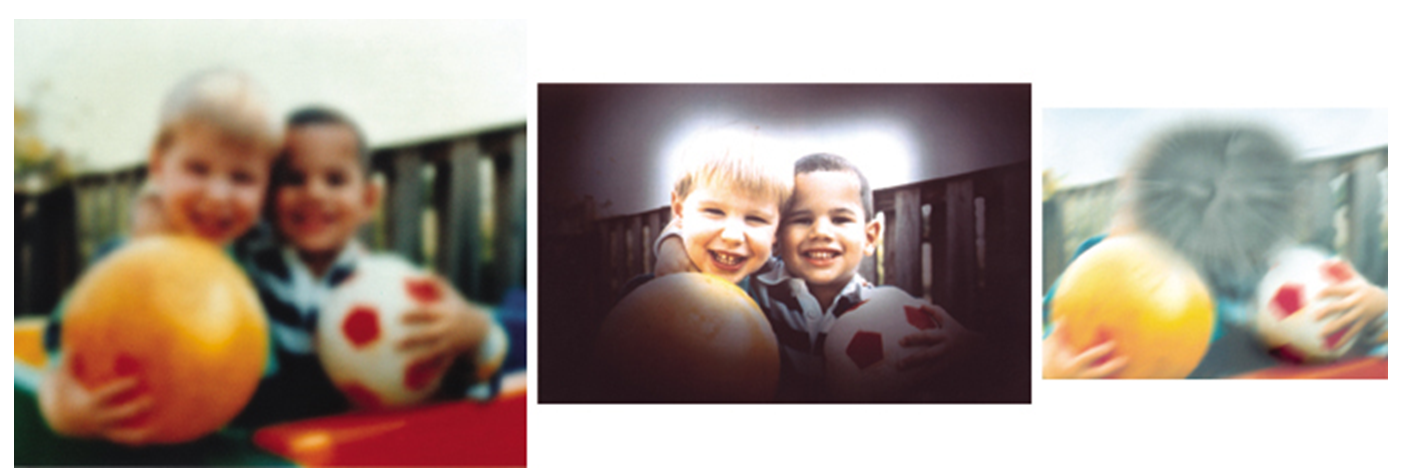
Question
Question
Question
Question
Question
Question
Question

Unlock Deck
Sign up to unlock the cards in this deck!
Unlock Deck
Unlock Deck
1/41

Play

Full screen (f)
Deck 46: Nursing Care of Patients with Eye or Ear Disorders
1
A patient is diagnosed with exudative macular degeneration. The patient's primary recreation is reading. Which of the following can the nurse suggest to this patient?
A)Obtain books on tape or CD.
B)Find another activity that does not require reading.
C)Spend more time with friends and family.
D)Listen to music instead of watching so much television.
A)Obtain books on tape or CD.
B)Find another activity that does not require reading.
C)Spend more time with friends and family.
D)Listen to music instead of watching so much television.
Obtain books on tape or CD.
2
The nurse is instructing a patient on the self-instillation of eye drops for acute conjunctivitis. The most important step to instruct this patient is which of the following?
A)proper hand hygiene before instilling the drops
B)rub the eyes only when necessary
C)reuse cotton swabs as needed
D)insert contact lenses after the eye drops have been instilled
A)proper hand hygiene before instilling the drops
B)rub the eyes only when necessary
C)reuse cotton swabs as needed
D)insert contact lenses after the eye drops have been instilled
proper hand hygiene before instilling the drops
3
During an assessment, a patient without any health problems explains how his "ears ring" periodically. The nurse realizes that this assessment finding most likely is which of the following?
A)nothing
B)a preliminary symptom of a severe disease
C)pending drug toxicity
D)aspirin overdose
A)nothing
B)a preliminary symptom of a severe disease
C)pending drug toxicity
D)aspirin overdose
nothing
4
A patient experiences an increase in ear pain when the auricle is pulled up and back. The nurse realizes that this patient might be experiencing which of the following?
A)otitis externa
B)otitis media
C)otitis interna
D)mastoiditis
A)otitis externa
B)otitis media
C)otitis interna
D)mastoiditis
Unlock Deck
Unlock for access to all 41 flashcards in this deck.
Unlock Deck
k this deck
5
A patient is learning how to apply and care for a new set of contact lenses. Instructions for this patient should include which of the following? Select all that apply.
A)Wash hands before and after applying the lenses.
B)Eye pain is a common complaint and should not be a concern.
C)Distilled water is the best solution for the lenses.
D)Once applied, only remove when cloudy.
E)Contact eye physician if eyes become red or tear.
A)Wash hands before and after applying the lenses.
B)Eye pain is a common complaint and should not be a concern.
C)Distilled water is the best solution for the lenses.
D)Once applied, only remove when cloudy.
E)Contact eye physician if eyes become red or tear.
Unlock Deck
Unlock for access to all 41 flashcards in this deck.
Unlock Deck
k this deck
6
An elderly patient often responds incorrectly to questions or during general conversation. The nurse realizes that this patient should be assessed for which of the following?
A)hearing disorder
B)history of strokes
C)level of education
D)cognitive impairment
A)hearing disorder
B)history of strokes
C)level of education
D)cognitive impairment
Unlock Deck
Unlock for access to all 41 flashcards in this deck.
Unlock Deck
k this deck
7
A patient is experiencing a severe episode of Ménière's disease. The medication to help reduce the sensation of spinning and nausea is which of the following?
A)meclizine hydrochloride (Antivert)
B)hydrochlorothiazide (HydroDIURIL)
C)diazepam (Valium)
D)droperidol (Inapsine)
A)meclizine hydrochloride (Antivert)
B)hydrochlorothiazide (HydroDIURIL)
C)diazepam (Valium)
D)droperidol (Inapsine)
Unlock Deck
Unlock for access to all 41 flashcards in this deck.
Unlock Deck
k this deck
8
The nurse assesses a reduction in a patient's peripheral vision. Which of the following additional measures is a priority during the assessment of this patient?
A)intraocular pressure assessment
B)cranial nerve assessment
C)neck range of motion assessment
D)retinal assessment
A)intraocular pressure assessment
B)cranial nerve assessment
C)neck range of motion assessment
D)retinal assessment
Unlock Deck
Unlock for access to all 41 flashcards in this deck.
Unlock Deck
k this deck
9
A patient comes into the clinic complaining of "black spots and a curtain dropping" in the right eye. The nurse realizes that this patient is experiencing signs of which of the following?
A)detached retina
B)conjunctivitis
C)sty
D)cataract
A)detached retina
B)conjunctivitis
C)sty
D)cataract
Unlock Deck
Unlock for access to all 41 flashcards in this deck.
Unlock Deck
k this deck
10
An elderly patient with a mobility disorder is being discharged after having a cataract removed as an outpatient. The nurse should assess this patient for which of the following?
A)the ability to administer eye drops post-procedure
B)the ability to read discharge instructions
C)the ability to drive
D)the ability to ambulate
A)the ability to administer eye drops post-procedure
B)the ability to read discharge instructions
C)the ability to drive
D)the ability to ambulate
Unlock Deck
Unlock for access to all 41 flashcards in this deck.
Unlock Deck
k this deck
11
A patient with COPD is being treated for glaucoma. The medication that will most likely be prescribed for this patient is which of the following?
A)an adrenergic agonist
B)a beta-blocker
C)a calcium channel blocker
D)an antibiotic
A)an adrenergic agonist
B)a beta-blocker
C)a calcium channel blocker
D)an antibiotic
Unlock Deck
Unlock for access to all 41 flashcards in this deck.
Unlock Deck
k this deck
12
A patient with an ectropion continues to experience eye dryness and corneal abrasions. This patient might benefit from which of the following?
A)corrective surgery
B)corrective lenses
C)UV protective sunglasses
D)contact lenses
A)corrective surgery
B)corrective lenses
C)UV protective sunglasses
D)contact lenses
Unlock Deck
Unlock for access to all 41 flashcards in this deck.
Unlock Deck
k this deck
13
A patient is hospitalized with blunt trauma to the left eye. To best minimize eye movement, the nurse should do which of the following?
A)Patch or provide an eye shield for both eyes.
B)Place the patient in a side lying position, with the eye up.
C)Keep the bed position flat.
D)Patch the unaffected eye.
A)Patch or provide an eye shield for both eyes.
B)Place the patient in a side lying position, with the eye up.
C)Keep the bed position flat.
D)Patch the unaffected eye.
Unlock Deck
Unlock for access to all 41 flashcards in this deck.
Unlock Deck
k this deck
14
A patient is seen for hearing loss and odd popping noises in his left ear after "having a cold." This patient is demonstrating signs of which of the following?
A)serous otitis media
B)otitis externa
C)acute otitis media
D)otitis interna
A)serous otitis media
B)otitis externa
C)acute otitis media
D)otitis interna
Unlock Deck
Unlock for access to all 41 flashcards in this deck.
Unlock Deck
k this deck
15
A mother is concerned that her school-age child is having difficulty walking and seeing during the night. The nurse realizes that this patient might be demonstrating signs of which of the following?
A)retinitis pigmentosa
B)early macular degeneration
C)detached retina
D)glaucoma
A)retinitis pigmentosa
B)early macular degeneration
C)detached retina
D)glaucoma
Unlock Deck
Unlock for access to all 41 flashcards in this deck.
Unlock Deck
k this deck
16
A patient with chronic acute otitis media infections is having tympanostomy tubes placed. Post-tube placement instructions for this patient should include which of the following?
A)Avoid getting any water into the ears.
B)Wash hair only with warm water.
C)Make sure showers are completed within 10 minutes.
D)Avoid gum chewing.
A)Avoid getting any water into the ears.
B)Wash hair only with warm water.
C)Make sure showers are completed within 10 minutes.
D)Avoid gum chewing.
Unlock Deck
Unlock for access to all 41 flashcards in this deck.
Unlock Deck
k this deck
17
A patient who became blind in the left eye because of an industrial accident says, "I still have one good eye and I can still do a lot." The nurse realizes that this patient is demonstrating signs of which of the following?
A)acceptance
B)denial
C)remorse
D)anticipatory grieving
A)acceptance
B)denial
C)remorse
D)anticipatory grieving
Unlock Deck
Unlock for access to all 41 flashcards in this deck.
Unlock Deck
k this deck
18
The nurse is instructing a patient who has a hearing and balance disorder. Which of the following should be included in these instructions? Select all that apply.
A)Change positions slowly.
B)Turn the whole body, rather than just the head.
C)Stand very still with the onset of vertigo.
D)Increase pace of ambulation.
E)Take antivertigo medication only when able to lie down.
A)Change positions slowly.
B)Turn the whole body, rather than just the head.
C)Stand very still with the onset of vertigo.
D)Increase pace of ambulation.
E)Take antivertigo medication only when able to lie down.
Unlock Deck
Unlock for access to all 41 flashcards in this deck.
Unlock Deck
k this deck
19
A patient with chronic otitis media is diagnosed with a cholesteatoma. The nurse realizes that the treatment of choice for this patient will be which of the following?
A)surgery
B)nothing, it will resolve on its own
C)antibiotics
D)tympanostomy tubes
A)surgery
B)nothing, it will resolve on its own
C)antibiotics
D)tympanostomy tubes
Unlock Deck
Unlock for access to all 41 flashcards in this deck.
Unlock Deck
k this deck
20
A patient is diagnosed with a corneal abrasion. Which of the following should the nurse instruct this patient?
A)Do not share or use another person's eye makeup.
B)Only share a towel with family members.
C)Gently rub the eyes when itchy.
D)Use the prescribed eye drops until the symptoms disappear.
A)Do not share or use another person's eye makeup.
B)Only share a towel with family members.
C)Gently rub the eyes when itchy.
D)Use the prescribed eye drops until the symptoms disappear.
Unlock Deck
Unlock for access to all 41 flashcards in this deck.
Unlock Deck
k this deck
21
Following myringotomy for acute otitis media, which topic would be appropriate for patient teaching about home management by the nurse?
A)Air travel and sudden barometric shifts will not affect the surgical procedure.
B)Ear irrigations should be placed on the wall of the external canal.
C)Sterile cotton-tipped swabs can be used to clean the ear drainage.
D)Swimming is restricted for approximately two weeks.
A)Air travel and sudden barometric shifts will not affect the surgical procedure.
B)Ear irrigations should be placed on the wall of the external canal.
C)Sterile cotton-tipped swabs can be used to clean the ear drainage.
D)Swimming is restricted for approximately two weeks.
Unlock Deck
Unlock for access to all 41 flashcards in this deck.
Unlock Deck
k this deck
22
Following a severe corneal ulcer, the patient had keratoplasty (corneal transplant). What information should be included in the nursing plan of care? Select all that apply.
A)wearing an eye-shield the first 24 hours and then at night until several weeks postoperatively as directed by healthcare provider
B)avoiding lifting, sneezing, coughing or bending over at the waist
C)report any change, such as increased pain, drainage, bleeding, floaters, and cloudiness noted
D)administering all eyedrops and ointments in a sterile manner
E)administering mydriatics during the postoperative period
A)wearing an eye-shield the first 24 hours and then at night until several weeks postoperatively as directed by healthcare provider
B)avoiding lifting, sneezing, coughing or bending over at the waist
C)report any change, such as increased pain, drainage, bleeding, floaters, and cloudiness noted
D)administering all eyedrops and ointments in a sterile manner
E)administering mydriatics during the postoperative period
Unlock Deck
Unlock for access to all 41 flashcards in this deck.
Unlock Deck
k this deck
23
When teaching about home management for patients with open-angled glaucoma, which order should be questioned by the nurse?
A)timolol (Timoptic), beta-adrenergic blocker, for a 60-year-old with congestive heart failure (CHF)
B)dorzolamide (Trusopt), a carbonic anhydrase inhibitor, for a patient with asthma and chronic obstructive pulmonary disease (COPD)
C)acetazolamide (Diamox) for a 20-year-old male
D)brimonidine (Alphagan), an adrenergic agonist, for a healthy 40-year-old
A)timolol (Timoptic), beta-adrenergic blocker, for a 60-year-old with congestive heart failure (CHF)
B)dorzolamide (Trusopt), a carbonic anhydrase inhibitor, for a patient with asthma and chronic obstructive pulmonary disease (COPD)
C)acetazolamide (Diamox) for a 20-year-old male
D)brimonidine (Alphagan), an adrenergic agonist, for a healthy 40-year-old
Unlock Deck
Unlock for access to all 41 flashcards in this deck.
Unlock Deck
k this deck
24
The nurse is teaching a community education class on prevention of eye injuries and care of someone with an eye injury. What should be included in this presentation? Select all that apply.
A)Eye protection devices should be worn when participating in high-risk sports or occupations.
B)Use of seat belts and air bags prevents eye injuries in automobile crashes.
C)In case of injury, immediately flush the eye with copious amounts of water if a chemical splash occurs.
D)Loose, visible objects can be removed using a clean, moistened cotton-tipped swab.
E)If an object appears to penetrate the eye, gently remove it using sterile gauze and seek medical attention.
A)Eye protection devices should be worn when participating in high-risk sports or occupations.
B)Use of seat belts and air bags prevents eye injuries in automobile crashes.
C)In case of injury, immediately flush the eye with copious amounts of water if a chemical splash occurs.
D)Loose, visible objects can be removed using a clean, moistened cotton-tipped swab.
E)If an object appears to penetrate the eye, gently remove it using sterile gauze and seek medical attention.
Unlock Deck
Unlock for access to all 41 flashcards in this deck.
Unlock Deck
k this deck
25
Which nursing diagnosis is a priority for a patient with severe symptoms of tinnitus, vertigo, sensorineural hearing deficit, nausea, and vomiting?
A)Disturbed Sensory Perception
B)Imbalanced Nutrition: Less than Body Requirements
C)Risk for Trauma
D)Disturbed Sleep Patterns
A)Disturbed Sensory Perception
B)Imbalanced Nutrition: Less than Body Requirements
C)Risk for Trauma
D)Disturbed Sleep Patterns
Unlock Deck
Unlock for access to all 41 flashcards in this deck.
Unlock Deck
k this deck
26
Which nursing interventions are most appropriate for a patient with a nursing diagnosis of Impaired Verbal Communication related to hearing deficit? Select all that apply. Select all that apply.
A)Speak face-to-face, but do not over-articulate your words.
B)Offer alternative methods of communication, such as paper and pencil.
C)Use facial and hand gestures while talking
D)Speak loudly and in a higher pitch for easier understanding of words.
E)Restate in exactly the same words if not understood the first time.
A)Speak face-to-face, but do not over-articulate your words.
B)Offer alternative methods of communication, such as paper and pencil.
C)Use facial and hand gestures while talking
D)Speak loudly and in a higher pitch for easier understanding of words.
E)Restate in exactly the same words if not understood the first time.
Unlock Deck
Unlock for access to all 41 flashcards in this deck.
Unlock Deck
k this deck
27
A patient with keratitis is to undergo diagnostic testing. Which of the following exams does the nurse anticipate the patient will undergo?
A)fluorescein staining with slit-lamp exam
B)photoreactive keratectomy
C)computed tomography (CT) scan
D)glycerol test
A)fluorescein staining with slit-lamp exam
B)photoreactive keratectomy
C)computed tomography (CT) scan
D)glycerol test
Unlock Deck
Unlock for access to all 41 flashcards in this deck.
Unlock Deck
k this deck
28
A nurse is completing the health history interview of a patient with a suspected diagnosis of retinitis pigmentosa. What are focused Select all that apply.
A)Do you have any other health problems that have a genetic basis?
B)Do you know if your parents have had or your children are experiencing any symptoms similar to what you are experiencing?
C)What is your current occupation?
D)Have you ever suffered blunt trauma to the head?
E)Have you ever been told you were HIV positive?
A)Do you have any other health problems that have a genetic basis?
B)Do you know if your parents have had or your children are experiencing any symptoms similar to what you are experiencing?
C)What is your current occupation?
D)Have you ever suffered blunt trauma to the head?
E)Have you ever been told you were HIV positive?
Unlock Deck
Unlock for access to all 41 flashcards in this deck.
Unlock Deck
k this deck
29
A nurse is teaching a diabetic education class when one of the patients asks, "What can I do to prevent going blind due to my diabetes?" What is the best response by the nurse?
A)"The risk of developing blindness is related to how long you've had diabetes, and how well your blood sugar and hypertension are controlled."
B)"It is due to the small blood vessels in the eye becoming hardened and clogged and not being able to transport oxygen and nutrients to the retina."
C)"This is only a problem with type 2 diabetes so you won't have this problem."
D)"Laser photocoagulation surgery will treat any problems that develop and stop the progression of diabetic retinopathy."
A)"The risk of developing blindness is related to how long you've had diabetes, and how well your blood sugar and hypertension are controlled."
B)"It is due to the small blood vessels in the eye becoming hardened and clogged and not being able to transport oxygen and nutrients to the retina."
C)"This is only a problem with type 2 diabetes so you won't have this problem."
D)"Laser photocoagulation surgery will treat any problems that develop and stop the progression of diabetic retinopathy."
Unlock Deck
Unlock for access to all 41 flashcards in this deck.
Unlock Deck
k this deck
30
A patient comes to the clinic with a hordeolum (sty) and questions the nurse as to the cause of it. What is the nurse's best response?
A)"This may be due to the fact that you have dandruff on your scalp and eyebrows."
B)"This is possibly a side-effect of a medication you are taking."
C)"It is a result of eversion of the eyelid and associated with the aging process."
D)"It may be due to squinting when you are in the sun and not wearing sunglasses."
A)"This may be due to the fact that you have dandruff on your scalp and eyebrows."
B)"This is possibly a side-effect of a medication you are taking."
C)"It is a result of eversion of the eyelid and associated with the aging process."
D)"It may be due to squinting when you are in the sun and not wearing sunglasses."
Unlock Deck
Unlock for access to all 41 flashcards in this deck.
Unlock Deck
k this deck
31
Which physical assessment finding should the nurse anticipate in the patient with otosclerosis?
A)Rinne test results show that bone conduction is equal or greater than air conduction
B)Severe vertigo is present when questioned.
C)Purulent drainage is observed or reported with cyanosis of the tympanic membrane.
D)Diminished hearing is noted in the lower tones, such as a man's speaking voice.
A)Rinne test results show that bone conduction is equal or greater than air conduction
B)Severe vertigo is present when questioned.
C)Purulent drainage is observed or reported with cyanosis of the tympanic membrane.
D)Diminished hearing is noted in the lower tones, such as a man's speaking voice.
Unlock Deck
Unlock for access to all 41 flashcards in this deck.
Unlock Deck
k this deck
32
The nurse is talking with a member of the family of a patient who had surgery for a cochlear implant. Which statement by the family member is correct?
A)"A cochlear implant won't replace normal hearing; it will improve sound perception."
B)"It will be much nicer than a hearing aid, as nothing needs to be worn or will be visible."
C)"The speaking voice will improve too."
D)"It will be less expensive since you don't have to buy batteries."
A)"A cochlear implant won't replace normal hearing; it will improve sound perception."
B)"It will be much nicer than a hearing aid, as nothing needs to be worn or will be visible."
C)"The speaking voice will improve too."
D)"It will be less expensive since you don't have to buy batteries."
Unlock Deck
Unlock for access to all 41 flashcards in this deck.
Unlock Deck
k this deck
33
The nurse is caring for a 25-year old soldier on the day following an enucleation due to traumatic injury. The soldier states, "My girlfriend probably won't have anything to do with me since I'll never look the same!" What is an appropriate response by the nurse?
A)"You'll probably get your temporary prosthesis in a week and your permanent one in 1-2 months.Most people won't know which is your own eye and which is the false one."
B)"I wouldn't worry; your girlfriend is not going to give up on you."
C)"Your hearing aid will be nearly invisible; no one will know you have one."
D)"Why don't you tell a couple of your friends to bring you a pizza.That will cheer you up."
A)"You'll probably get your temporary prosthesis in a week and your permanent one in 1-2 months.Most people won't know which is your own eye and which is the false one."
B)"I wouldn't worry; your girlfriend is not going to give up on you."
C)"Your hearing aid will be nearly invisible; no one will know you have one."
D)"Why don't you tell a couple of your friends to bring you a pizza.That will cheer you up."
Unlock Deck
Unlock for access to all 41 flashcards in this deck.
Unlock Deck
k this deck
34
The nurse knows that a patient with age-related macular would have vision as seen in which illustration?
Unlock Deck
Unlock for access to all 41 flashcards in this deck.
Unlock Deck
k this deck
35
A patient who is a single parent of two young children has recently lost vision in one eye following a car accident. Which nursing diagnoses are most appropriate for this family when planning care? Select all that apply. Select all that apply.
A)Actual/Anticipatory Grieving
B)Interrupted Family Processes
C)Situational Low Self-Esteem
D)Risk for Injury
E)Post-Trauma Syndrome
A)Actual/Anticipatory Grieving
B)Interrupted Family Processes
C)Situational Low Self-Esteem
D)Risk for Injury
E)Post-Trauma Syndrome
Unlock Deck
Unlock for access to all 41 flashcards in this deck.
Unlock Deck
k this deck
36
Which instructions would be appropriate for the nurse to give to a patient with acute conjunctivitis from staphylococcus? Select all that apply. Select all that apply.
A)"You should wash your hands before cleansing the eye and giving eyedrops."
B)"You can soak your lids with warm saline to soften crusts and exudates."
C)"You should not share towels, makeup, or contact lenses with anyone else."
D)"You can use sterile water to flush your eyes if dryness or itching occurs."
E)"You can rub your eyes with a clean, soft cloth for itching."
A)"You should wash your hands before cleansing the eye and giving eyedrops."
B)"You can soak your lids with warm saline to soften crusts and exudates."
C)"You should not share towels, makeup, or contact lenses with anyone else."
D)"You can use sterile water to flush your eyes if dryness or itching occurs."
E)"You can rub your eyes with a clean, soft cloth for itching."
Unlock Deck
Unlock for access to all 41 flashcards in this deck.
Unlock Deck
k this deck
37
In a patient with human immunodeficiency virus (HIV), which complications should the nurse anticipate and assess for? Select all that apply. Select all that apply.
A)Kaposi neoplasms of the external surfaces of the eyelid
B)cotton-wool spots around the optic nerve
C)cytomegalovirus (CMV) retinitis
D)retinitis pigmentosa with retinal atrophy
E)exudative macular degeneration
A)Kaposi neoplasms of the external surfaces of the eyelid
B)cotton-wool spots around the optic nerve
C)cytomegalovirus (CMV) retinitis
D)retinitis pigmentosa with retinal atrophy
E)exudative macular degeneration
Unlock Deck
Unlock for access to all 41 flashcards in this deck.
Unlock Deck
k this deck
38
Which actions by the nurse are most appropriate upon admission to the hospital for a patient who has been blind since birth? Select all that apply.
A)Orient the patient verbally and physically to the layout of the room.
B)Describe everything in detail as to how equipment works.
C)Place signs to remind staff not to move equipment.
D)Ensure the call light is within reach at all times.
E)Tell the patient you will leave the light on 24 hours a day.
A)Orient the patient verbally and physically to the layout of the room.
B)Describe everything in detail as to how equipment works.
C)Place signs to remind staff not to move equipment.
D)Ensure the call light is within reach at all times.
E)Tell the patient you will leave the light on 24 hours a day.
Unlock Deck
Unlock for access to all 41 flashcards in this deck.
Unlock Deck
k this deck
39
Place the following steps in the correct order for the procedure of instilling eardrops. Click and drag the options below to move them up or down.
A)Warm the medication by placing it in the hand or pocket for a few minutes.
B)Tilt the patient's head toward the unaffected side.
C)Straighten the ear canal by pulling the pinna up and back, using the nondominant hand.
D)Insert the prescribed number of drops into the ear canal.
E)Have the patient remain in position for approximately 5 minutes.
F)Loosely place a cotton ball at the auditory meatus for 15 to 20 minutes.
A)Warm the medication by placing it in the hand or pocket for a few minutes.
B)Tilt the patient's head toward the unaffected side.
C)Straighten the ear canal by pulling the pinna up and back, using the nondominant hand.
D)Insert the prescribed number of drops into the ear canal.
E)Have the patient remain in position for approximately 5 minutes.
F)Loosely place a cotton ball at the auditory meatus for 15 to 20 minutes.
Unlock Deck
Unlock for access to all 41 flashcards in this deck.
Unlock Deck
k this deck
40
A young child is being seen with an impaction of the ear canal by a large plastic bead. Which of the following procedures could be used to remove this object?
A)suction using a soft piece of tubing
B)instillation of lidocaine drops
C)instillation of mineral oil
D)forceps
A)suction using a soft piece of tubing
B)instillation of lidocaine drops
C)instillation of mineral oil
D)forceps
Unlock Deck
Unlock for access to all 41 flashcards in this deck.
Unlock Deck
k this deck
41
The nurse knows that a patient may develop sensorineural hearing loss as a result of ototoxic drugs. Which of the following patients would be at high risk for this type of hearing deficit?
A)a patient with methicillin-resistant Staphylococcus aureus (MRSA) on high doses of vancomycin (Vancocin))
B)the patient on low-dose aspirin to prevent stroke
C)a patient on steroids (Prednisone) for chronic spondylolisthesis
D)the patient using atorvastatin (Lipitor) to prevent heart disease and stroke
A)a patient with methicillin-resistant Staphylococcus aureus (MRSA) on high doses of vancomycin (Vancocin))
B)the patient on low-dose aspirin to prevent stroke
C)a patient on steroids (Prednisone) for chronic spondylolisthesis
D)the patient using atorvastatin (Lipitor) to prevent heart disease and stroke
Unlock Deck
Unlock for access to all 41 flashcards in this deck.
Unlock Deck
k this deck
Unlock Deck
Unlock for access to all 41 flashcards in this deck.






