







 Chat with AI

Deck 20: Nursing Care of Patients with Diabetes Mellitus
Full screen (f)

Question

Question
Question
Question
Question
Question
Question
Question
Question
Question
Question
Question
Question
Question
Question
Question
Question
Question
Question
Question
Question
Question
Question
Question
Question
Question
Question
Question
Question
Question
Question
Question
Question
Question
Question
Question
Question
Question
Question
Question
Question
Question
Question
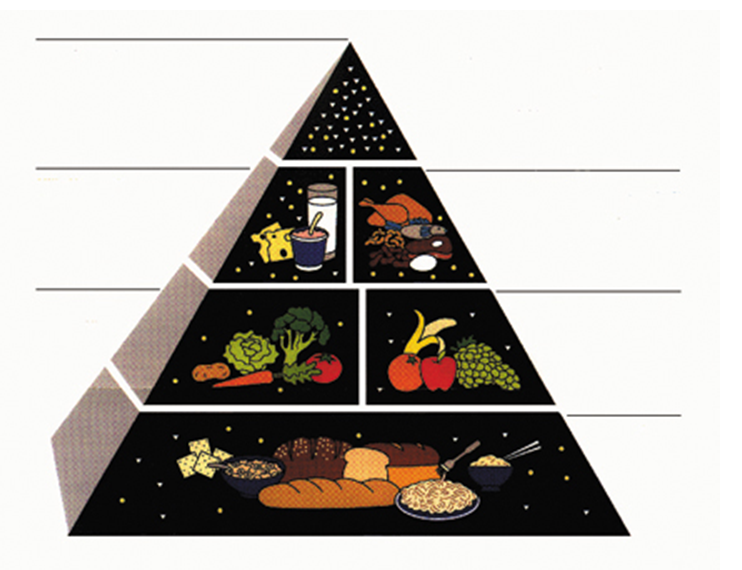
The nurse is teaching a patient with diabetes mellitus about diet. Indicate with an "X" the group of foods which make up 15% to 20% of the diet plan for the patient.

Unlock Deck
Sign up to unlock the cards in this deck!
Unlock Deck
Unlock Deck
1/43

Play

Full screen (f)
Deck 20: Nursing Care of Patients with Diabetes Mellitus
1
The nurse is caring for a healthy patient who has a serum glucose level of 60 mg/dL. The nurse anticipates which of the following counterregulatory serum hormonal changes are likely to occur in this patient? Select all that apply.
A)increased epinephrine levels
B)increased growth hormone levels
C)increased insulin levels
D)decreased thyroxine levels
E)decreased glucocorticoid levels
A)increased epinephrine levels
B)increased growth hormone levels
C)increased insulin levels
D)decreased thyroxine levels
E)decreased glucocorticoid levels
increased epinephrine levels
increased growth hormone levels
increased growth hormone levels
2
The nurse is teaching a patient who has a diagnosis of diabetes about hormones related to the diagnosis. The nurse knows the patient needs further teaching when the patients identifies which of the following as pancreatic cells that produce or secrete hormones? Select all that apply.
A)alpha cells produce glucagon
B)beta cells secrete insulin
C)cephalon cells produce creatine
D)delta cells produce somatostatin
E)epsilon cells produce erythropoietin
A)alpha cells produce glucagon
B)beta cells secrete insulin
C)cephalon cells produce creatine
D)delta cells produce somatostatin
E)epsilon cells produce erythropoietin
alpha cells produce glucagon
beta cells secrete insulin
delta cells produce somatostatin
beta cells secrete insulin
delta cells produce somatostatin
3
A nurse is acting as a preceptor for a new graduate nurse. One of the patients assigned to their care is a 41-year-old patient whose laboratory test results reveal a fasting serum blood glucose level of 125 mg/dL. The graduate nurse asks the nurse what this means. Which of the following statements by the nurse is most correct?
A)"These results must be called to the physician."
B)"This patient has diabetes."
C)"These results are normal."
D)"The results are consistent with prediabetes."
A)"These results must be called to the physician."
B)"This patient has diabetes."
C)"These results are normal."
D)"The results are consistent with prediabetes."
"The results are consistent with prediabetes."
4
A patient at risk for the development of type 2 diabetes mellitus asks why weight loss will reduce risk of the condition. Which of the following responses by the nurse is most correct?
A)"The amount of foods taken in require more insulin to adequately metabolize them, resulting in diabetes."
B)"Excess body weight impairs the body's release of insulin."
C)"Thin people are less likely to become diabetic."
D)"The physical inactivity associated with obesity causes a reduced ability by the body to produce insulin."
A)"The amount of foods taken in require more insulin to adequately metabolize them, resulting in diabetes."
B)"Excess body weight impairs the body's release of insulin."
C)"Thin people are less likely to become diabetic."
D)"The physical inactivity associated with obesity causes a reduced ability by the body to produce insulin."
Unlock Deck
Unlock for access to all 43 flashcards in this deck.
Unlock Deck
k this deck
5
The nurse is preparing to administer pork insulin to an underweight patient. Which of the following techniques should be observed when planning this therapy? Select all that apply.
A)Inject insulin that is at room temperature.
B)Make sure no air bubbles are present in the syringe.
C)Massage the site of insertion.
D)Rotation injection sites.
E)Insert the needle at a 90-degree angle.
A)Inject insulin that is at room temperature.
B)Make sure no air bubbles are present in the syringe.
C)Massage the site of insertion.
D)Rotation injection sites.
E)Insert the needle at a 90-degree angle.
Unlock Deck
Unlock for access to all 43 flashcards in this deck.
Unlock Deck
k this deck
6
A nurse is conducting an educational session for a group of patients regarding the incidence and prevalence of diabetes. The nurse explains that approximately 24 percent of patients with diabetes are not aware of their health disorder and have not received a medical diagnosis or education regarding diabetes. The nurse knows a patient understands teaching when the patient states, "Statistically, of 200 people with diabetes, the number that will be undiagnosed is________ people."
Unlock Deck
Unlock for access to all 43 flashcards in this deck.
Unlock Deck
k this deck
7
The nurse is teaching parents of a 3-year-old child who has undergone genetic testing. Testing indicates that the child and has DR3 and DR4 antigens on chromosome six of the human leukocyte antigen system. Which of the following statements, if made by the parents, would indicate that the parents need further instruction? "These markers
A)are related to immune responses."
B)are used to diagnose the presence of diabetes."
C)are present in 95% of people with diabetes."
D)are associated with increased susceptibility to diabetes."
A)are related to immune responses."
B)are used to diagnose the presence of diabetes."
C)are present in 95% of people with diabetes."
D)are associated with increased susceptibility to diabetes."
Unlock Deck
Unlock for access to all 43 flashcards in this deck.
Unlock Deck
k this deck
8
The nurse is assessing a diaphoretic patient who has a heart rate of 112 beats per minute. The patient states, "I feel nervous and shaky." Which of the following actions by the nurse should be taken first?
A)Provide the patient with a snack of milk and crackers.
B)Administer insulin utilizing the prescribed sliding scale dosages.
C)Contact the laboratory and order a serum glucose level.
D)Obtain a capillary serum glucose level reading with a glucose meter.
A)Provide the patient with a snack of milk and crackers.
B)Administer insulin utilizing the prescribed sliding scale dosages.
C)Contact the laboratory and order a serum glucose level.
D)Obtain a capillary serum glucose level reading with a glucose meter.
Unlock Deck
Unlock for access to all 43 flashcards in this deck.
Unlock Deck
k this deck
9
A patient recently diagnosed with diabetes states, "I have been told that it is more economical to use urine dipsticks instead of monitoring blood levels with a glucometer." Which response by the nurse to the patient is most appropriate?
A)"Urine dipstick testing is best when combined with serum testing."
B)"Urine dipstick testing is as reliable as finger stick testing."
C)"Yes, urine dipsticks are cheaper than glucose test strips."
D)"Would you like to switch to this method of monitoring?"
A)"Urine dipstick testing is best when combined with serum testing."
B)"Urine dipstick testing is as reliable as finger stick testing."
C)"Yes, urine dipsticks are cheaper than glucose test strips."
D)"Would you like to switch to this method of monitoring?"
Unlock Deck
Unlock for access to all 43 flashcards in this deck.
Unlock Deck
k this deck
10
A patient recently diagnosed with type 2 diabetes has been hospitalized for insulin regulation. The patient states he is experiencing blurred vision and states, "I am concerned that I will become blind because of my diabetes." What response by the nurse is most appropriate?
A)"I will make an appointment for you to see an ophthalmologist."
B)"I will call the physician to report your symptoms."
C)"Blurry vision is very common.Do not worry."
D)"This is a normal response when insulin therapy is initiated."
A)"I will make an appointment for you to see an ophthalmologist."
B)"I will call the physician to report your symptoms."
C)"Blurry vision is very common.Do not worry."
D)"This is a normal response when insulin therapy is initiated."
Unlock Deck
Unlock for access to all 43 flashcards in this deck.
Unlock Deck
k this deck
11
A patient has been recently diagnosed with type 1 diabetes mellitus. The patient states, "I am thin and eat all of the time, how can I have diabetes?" Which of the following responses by the nurse is most appropriate?
A)"Thin people can be diabetic, too."
B)"Your condition makes it impossible for you to gain weight."
C)"Diabetes makes it difficult for your body to obtain energy from the foods you eat"
D)"Your lab tests indicate the presence of diabetes."
A)"Thin people can be diabetic, too."
B)"Your condition makes it impossible for you to gain weight."
C)"Diabetes makes it difficult for your body to obtain energy from the foods you eat"
D)"Your lab tests indicate the presence of diabetes."
Unlock Deck
Unlock for access to all 43 flashcards in this deck.
Unlock Deck
k this deck
12
A staff nurse is observing a nursing student providing teaching to a 5-year-old patient who has a diagnosis of diabetes mellitus. The nurse knows the student is providing appropriate teaching when the student states, "Insulin acts like
A)building blocks that help make protein into strong muscles."
B)a wagon that carries sugar into the cells of the body."
C)a mud pie that makes the blood vessels thick and sticky."
D)salty potato chips that make people feel very thirsty."
A)building blocks that help make protein into strong muscles."
B)a wagon that carries sugar into the cells of the body."
C)a mud pie that makes the blood vessels thick and sticky."
D)salty potato chips that make people feel very thirsty."
Unlock Deck
Unlock for access to all 43 flashcards in this deck.
Unlock Deck
k this deck
13
The nurse is caring for a patient who has a diagnosis of diabetes mellitus type I. The patient has voided 4,000 mL of urine in the past 24 hours. The patient's skin turgor is poor and the patient is reporting polyphagia and polydipsia. The nurse reviews the patient's urine glucose level and anticipates the level will be at least ______ mg/dL.
Unlock Deck
Unlock for access to all 43 flashcards in this deck.
Unlock Deck
k this deck
14
The nurse is caring for a patient with a diagnosis of diabetes. The nurse notes the patient's toenails are thick and ingrown. Which of these explanations would be most appropriate for the nurse to give to the patient?
A)Soak feet in Epsom salts daily.
B)Use a clean sharp razor blade to trim nails.
C)Make an appointment with a podiatrist.
D)Cut toenails immediately prior to bathing.
A)Soak feet in Epsom salts daily.
B)Use a clean sharp razor blade to trim nails.
C)Make an appointment with a podiatrist.
D)Cut toenails immediately prior to bathing.
Unlock Deck
Unlock for access to all 43 flashcards in this deck.
Unlock Deck
k this deck
15
The nurse is conducting an educational session with a patient who is newly diagnosed with diabetes. The nurse knows further education is needed when the patient states, "In the U.S.
A)6 million people are diagnosed with diabetes per year."
B)23.6 million people have diabetes."
C)17.9 million people have been diagnosed with diabetes."
D)5.7 million people have diabetes but have not been diagnosed."
A)6 million people are diagnosed with diabetes per year."
B)23.6 million people have diabetes."
C)17.9 million people have been diagnosed with diabetes."
D)5.7 million people have diabetes but have not been diagnosed."
Unlock Deck
Unlock for access to all 43 flashcards in this deck.
Unlock Deck
k this deck
16
The nurse notes the laboratory testing performed on a 78-year-old patient reveals a serum glucose level of 130 mg/dL. The nurse performs an assessment of the patient and notes the absence of polyuria, polydipsia, or polyphagia. Which of the following impressions by the nurse is most correct?
A)The patient might have eaten a meal with high sugar content prior to the testing.
B)The laboratory results might be erroneous.
C)The patient has type 1 diabetes mellitus.
D)The patient will need to be assessed for other manifestations of diabetes.
A)The patient might have eaten a meal with high sugar content prior to the testing.
B)The laboratory results might be erroneous.
C)The patient has type 1 diabetes mellitus.
D)The patient will need to be assessed for other manifestations of diabetes.
Unlock Deck
Unlock for access to all 43 flashcards in this deck.
Unlock Deck
k this deck
17
The nurse is caring for a patient with type 1 diabetes mellitus. The patient reports feeling a sensation of nausea and states that he has had one episode of vomiting in the past two hours. The patient states that he does believe he should take the scheduled morning insulin based on his symptoms. What action by the nurse is best at this time?
A)Contact the physician.
B)Explain the need to take the insulin.
C)Document the refusal and continue on with the planned care.
D)Check the patient's fasting serum glucose level.
A)Contact the physician.
B)Explain the need to take the insulin.
C)Document the refusal and continue on with the planned care.
D)Check the patient's fasting serum glucose level.
Unlock Deck
Unlock for access to all 43 flashcards in this deck.
Unlock Deck
k this deck
18
The diabetic patient reports the presence of corns, and asks for information about preventing the condition. What is the best response by the nurse to the patient's inquiry?
A)"You will need to make sure that you select shoes that are appropriately fitted."
B)"You can use corn pads to gradually remove the growths."
C)"Corns are best treated by shaving them off."
D)"You can use a mild abrasive soap to scrub the area to remove them."
A)"You will need to make sure that you select shoes that are appropriately fitted."
B)"You can use corn pads to gradually remove the growths."
C)"Corns are best treated by shaving them off."
D)"You can use a mild abrasive soap to scrub the area to remove them."
Unlock Deck
Unlock for access to all 43 flashcards in this deck.
Unlock Deck
k this deck
19
The nurse is assessing a patient who has a family history of type II diabetes. Which of these findings if identified in this patient would require follow-up by the nurse? "The patient has
A)a new prescription for levothyroxine (Synthroid) for hypothyroidism."
B)decreased his waist-to-hip ratio through dietary changes."
C)delivered a baby that weighed 8 pounds and 12 ounces."
D)a fasting blood glucose level of 100 mg/dL."
A)a new prescription for levothyroxine (Synthroid) for hypothyroidism."
B)decreased his waist-to-hip ratio through dietary changes."
C)delivered a baby that weighed 8 pounds and 12 ounces."
D)a fasting blood glucose level of 100 mg/dL."
Unlock Deck
Unlock for access to all 43 flashcards in this deck.
Unlock Deck
k this deck
20
The nurse is caring for a patient who has a diagnosis of diabetes mellitus type I. Which of these findings if identified in the patient would best indicate that the patient is at risk for developing diabetic ketoacidosis?
A)reports of anxiety
B)pale, cool skin
C)urine glucose level of 180 mg/dL
D)ulcer on plantar aspect of right foot
A)reports of anxiety
B)pale, cool skin
C)urine glucose level of 180 mg/dL
D)ulcer on plantar aspect of right foot
Unlock Deck
Unlock for access to all 43 flashcards in this deck.
Unlock Deck
k this deck
21
A nurse identifies that a patient who has a diagnosis of diabetes mellitus demonstrates albuminuria, hypertension, and edema. These findings would help substantiate a nursing diagnosis of which of the following?
A)Excess Fluid Volume related to compromised regulatory mechanisms
B)Anxiety related to illness
C)Risk for Infection related to chronic disease process
D)Ineffective Denial related to minimization of symptoms
A)Excess Fluid Volume related to compromised regulatory mechanisms
B)Anxiety related to illness
C)Risk for Infection related to chronic disease process
D)Ineffective Denial related to minimization of symptoms
Unlock Deck
Unlock for access to all 43 flashcards in this deck.
Unlock Deck
k this deck
22
Which of these findings, if identified in a patient with a diagnosis of diabetes mellitus type 1 who has a serum hematocrit of 18%, should a nurse report to the primary healthcare provider immediately?
A)capillary blood glucose of 60 mg/dL
B)glycosylated hemoglobin of 7.0
C)the presence of albumin in urine
D)the presence of glucose in urine
A)capillary blood glucose of 60 mg/dL
B)glycosylated hemoglobin of 7.0
C)the presence of albumin in urine
D)the presence of glucose in urine
Unlock Deck
Unlock for access to all 43 flashcards in this deck.
Unlock Deck
k this deck
23
Which of these questions would be most important for a nurse to ask a patient in determining whether the patient has type 1 or type 2 diabetes?
A)"Have you been urinating in greater amounts than in the past?"
B)"Have you been drinking more liquids than in the past?"
C)"Have you been hungrier than in the past?"
D)"Have you noticed any changes in your vision?"
A)"Have you been urinating in greater amounts than in the past?"
B)"Have you been drinking more liquids than in the past?"
C)"Have you been hungrier than in the past?"
D)"Have you noticed any changes in your vision?"
Unlock Deck
Unlock for access to all 43 flashcards in this deck.
Unlock Deck
k this deck
24
(Fill in the Blank.) The nurse is caring for a patient who has a prescription for 120 units of U-100 regular insulin to be administered at 0700 and 1600. The physician has written a new prescription for an equivalent dose of U-500 insulin. The nurse reviews the order with the primary healthcare provider and states, "120 units of U-100 insulin is equivalent to _______units of U-500 insulin."
Unlock Deck
Unlock for access to all 43 flashcards in this deck.
Unlock Deck
k this deck
25
A nurse is caring for a patient with no history of diabetes who has a new laboratory finding of glycosylated hemoglobin (A1C) level of 6.0%. Which of these nursing diagnoses should receive priority for this patient?
A)Deficient Knowledge regarding disease process
B)Risk for Deficient Fluid Volume
C)Risk for Impaired Skin Integrity
D)Ineffective Tissue Perfusion
A)Deficient Knowledge regarding disease process
B)Risk for Deficient Fluid Volume
C)Risk for Impaired Skin Integrity
D)Ineffective Tissue Perfusion
Unlock Deck
Unlock for access to all 43 flashcards in this deck.
Unlock Deck
k this deck
26
Which of these measures, if included in the plan of care for a patient who has type 1 diabetes mellitus would be most effective to reduce the development of complications? Teach the patient
A)self-monitoring of blood glucose levels.
B)performance of effective foot care.
C)the necessity of a yearly eye exam.
D)the symptoms of urinary tract infections.
A)self-monitoring of blood glucose levels.
B)performance of effective foot care.
C)the necessity of a yearly eye exam.
D)the symptoms of urinary tract infections.
Unlock Deck
Unlock for access to all 43 flashcards in this deck.
Unlock Deck
k this deck
27
The nurse is using evidence-based practice in caring for a patient with a four-year diagnosis of diabetes mellitus and a nursing diagnosis of Health Behavior Risk Prone related to poor self-management. When developing the plan of care for the patient, which of these outcomes should receive priority in the plan?
A)The patient will seek treatment for depression.
B)The patient will demonstrate ability to perform blood glucose monitoring.
C)The patient will complete a stress management course.
D)The patient will bring a family member to the next healthcare appointment.
A)The patient will seek treatment for depression.
B)The patient will demonstrate ability to perform blood glucose monitoring.
C)The patient will complete a stress management course.
D)The patient will bring a family member to the next healthcare appointment.
Unlock Deck
Unlock for access to all 43 flashcards in this deck.
Unlock Deck
k this deck
28
A nurse is teaching a nursing student about medications that may precipitate diabetes in people with predisposing insulin resistance. Which of these medications, if identified by the nursing student as a medication that may precipitate diabetes, would indicate that the student understands teaching? Select all that apply.
A)nicotinic Acid (Niacor)
B)prednisone (Deltasone)
C)levothyroxine (Synthroid)
D)furosemide (Lasix)
E)phenytoin (Dilantin)
A)nicotinic Acid (Niacor)
B)prednisone (Deltasone)
C)levothyroxine (Synthroid)
D)furosemide (Lasix)
E)phenytoin (Dilantin)
Unlock Deck
Unlock for access to all 43 flashcards in this deck.
Unlock Deck
k this deck
29
The nurse is assessing a patient who has a diagnosis of diabetes mellitus. Which of the following Select all that apply.
A)"Do you use insulin or oral hypoglycemic agents?"
B)"What were your glycosylated hemoglobin values over the past year?"
C)"Do you have any problems with your eyes related to diabetes?"
D)"Do you have any problems with your kidney related to diabetes?"
E)"When were you first diagnosed with diabetes mellitus?"
A)"Do you use insulin or oral hypoglycemic agents?"
B)"What were your glycosylated hemoglobin values over the past year?"
C)"Do you have any problems with your eyes related to diabetes?"
D)"Do you have any problems with your kidney related to diabetes?"
E)"When were you first diagnosed with diabetes mellitus?"
Unlock Deck
Unlock for access to all 43 flashcards in this deck.
Unlock Deck
k this deck
30
The nurse is identifying patient demographic groups that are at increased risk for receiving prescriptions for insulin. Which of the following patient groups would the nurse identify? Select all that apply.
A)patients who are fasting or malnourished
B)patients with type 2 diabetes who are diagnosed with an infection
C)patients with type 2 diabetes who are undergoing surgical procedures
D)patients with gestational diabetes
E)patients with prescriptions for total parenteral nutrition
A)patients who are fasting or malnourished
B)patients with type 2 diabetes who are diagnosed with an infection
C)patients with type 2 diabetes who are undergoing surgical procedures
D)patients with gestational diabetes
E)patients with prescriptions for total parenteral nutrition
Unlock Deck
Unlock for access to all 43 flashcards in this deck.
Unlock Deck
k this deck
31
A nurse is preparing patients with new diagnoses of diabetes mellitus for discharge from an acute care facility. Which should the nurse include in patient teaching regarding medications to treat diabetes mellitus?
A)Patients with type 1 diabetes may achieve normal blood glucose levels with oral medications.
B)Patients with type 1 diabetes may progress to type 2 if blood glucose levels are not well controlled.
C)Patients with type 2 diabetes will always need an exogenous source of insulin.
D)Patients with type 2 diabetes may achieve normal blood glucose levels with a combination of oral medications and insulin.
A)Patients with type 1 diabetes may achieve normal blood glucose levels with oral medications.
B)Patients with type 1 diabetes may progress to type 2 if blood glucose levels are not well controlled.
C)Patients with type 2 diabetes will always need an exogenous source of insulin.
D)Patients with type 2 diabetes may achieve normal blood glucose levels with a combination of oral medications and insulin.
Unlock Deck
Unlock for access to all 43 flashcards in this deck.
Unlock Deck
k this deck
32
The nurse is reviewing the healthcare record of a patient who has a diagnosis of diabetes and a nursing diagnosis of Altered Skin Integrity. Which of these outcomes would be most appropriate for a nurse to establish with this patient? The patient will 11ea992e_0a5a_cea9_9f38_8d76dcd00b02
A)bring a caregiver to the next healthcare appointment.
B)describe the steps of effective diabetic foot care.
C)explain why patients with diabetes should not go barefoot.
D)obtain a thermometer for monitoring bath water temperature.
A)bring a caregiver to the next healthcare appointment.
B)describe the steps of effective diabetic foot care.
C)explain why patients with diabetes should not go barefoot.
D)obtain a thermometer for monitoring bath water temperature.
Unlock Deck
Unlock for access to all 43 flashcards in this deck.
Unlock Deck
k this deck
33
A patient who has diabetes mellitus says to a nurse, "I've had difficulty swallowing and have felt nauseous for months. I have been taking milk of magnesia every day for constipation, too." A nurse should recognize these statements as likely being indicative of which of the following?
A)manifestations related to the aging process
B)manifestations of an autonomic neuropathy
C)manifestations related to retinopathy
D)manifestation related to nephropathy
A)manifestations related to the aging process
B)manifestations of an autonomic neuropathy
C)manifestations related to retinopathy
D)manifestation related to nephropathy
Unlock Deck
Unlock for access to all 43 flashcards in this deck.
Unlock Deck
k this deck
34
Which of these statements by a patient who has a new diagnosis of diabetes mellitus requires immediate nursing intervention?
A)"I am allergic to eggs."
B)"I will take my lispro insulin 15 minutes before I eat breakfast."
C)"I won't mix my cloudy regular insulin with other insulins."
D)"I will not use detemir insulin in my insulin pump."
A)"I am allergic to eggs."
B)"I will take my lispro insulin 15 minutes before I eat breakfast."
C)"I won't mix my cloudy regular insulin with other insulins."
D)"I will not use detemir insulin in my insulin pump."
Unlock Deck
Unlock for access to all 43 flashcards in this deck.
Unlock Deck
k this deck
35
Which of these questions would be most important for the nurse to ask a patient with no previous history of diabetes mellitus whose urine is positive for the presence of ketones?
A)"What did you eat for breakfast and lunch today?"
B)"Can you please describe any weight loss strategies you've been using?"
C)"Have you donated blood recently?"
D)"Have you ever been told you have albumin in your urine?"
A)"What did you eat for breakfast and lunch today?"
B)"Can you please describe any weight loss strategies you've been using?"
C)"Have you donated blood recently?"
D)"Have you ever been told you have albumin in your urine?"
Unlock Deck
Unlock for access to all 43 flashcards in this deck.
Unlock Deck
k this deck
36
The nurse has given instructions regarding insulin to a nursing student. Which of these statements, if made by the student, would indicate that further instruction is needed? Select all that apply.
A)Lispro is a rapid-acting insulin.
B)Regular insulin can be administered intravenously.
C)NPH insulin may be mixed with lispro insulin.
D)Detemir insulin is administered prior to each meal.
E)Lantus insulin may be used to treat gestational diabetes.
A)Lispro is a rapid-acting insulin.
B)Regular insulin can be administered intravenously.
C)NPH insulin may be mixed with lispro insulin.
D)Detemir insulin is administered prior to each meal.
E)Lantus insulin may be used to treat gestational diabetes.
Unlock Deck
Unlock for access to all 43 flashcards in this deck.
Unlock Deck
k this deck
37
The nurse recognizes that which of these factors in a patient's history is most likely related to the development of type II diabetes?
A)having a body mass index of 23 kg/m2
B)blood pressure of 120/70
C)physical inactivity
D)low waist-to-hip ratio
A)having a body mass index of 23 kg/m2
B)blood pressure of 120/70
C)physical inactivity
D)low waist-to-hip ratio
Unlock Deck
Unlock for access to all 43 flashcards in this deck.
Unlock Deck
k this deck
38
A patient who has a diagnosis of type 2 diabetes tells the nurse that the patient is scheduled to have laparoscopic adjustable gastric banding (LAGB) surgical procedure. Which of the following comments is most appropriate for the nurse to make to this patient?
A)"Evidence indicates positive outcomes for many diabetic patients who undergo surgical weight loss procedures."
B)"Surgical procedures can be dangerous for patients with diabetes."
C)"You feel that a surgical weight loss procedure will cure your obesity?"
D)"This procedure is more appropriate for a patient who has a diagnosis of type 1 diabetes mellitus."
A)"Evidence indicates positive outcomes for many diabetic patients who undergo surgical weight loss procedures."
B)"Surgical procedures can be dangerous for patients with diabetes."
C)"You feel that a surgical weight loss procedure will cure your obesity?"
D)"This procedure is more appropriate for a patient who has a diagnosis of type 1 diabetes mellitus."
Unlock Deck
Unlock for access to all 43 flashcards in this deck.
Unlock Deck
k this deck
39
A nurse is teaching a group of patients about the prevalence of type 2 diabetes in older adults. The nurse knows teaching has been effective when the patient states, "Statistically, in a group of 100 older adults approximately
A)10 will have type 2 diabetes."
B)15 will have type 2 diabetes."
C)25 will have type 2 diabetes."
D)30 will have type 2 diabetes."
A)10 will have type 2 diabetes."
B)15 will have type 2 diabetes."
C)25 will have type 2 diabetes."
D)30 will have type 2 diabetes."
Unlock Deck
Unlock for access to all 43 flashcards in this deck.
Unlock Deck
k this deck
40
The nurse is evaluating the effectiveness of teaching for a patient with a diagnosis of diabetes mellitus type 2 who is learning to perform self monitoring of blood glucose. The nurse knows teaching has been effective when the patient identifies which of the following as factors that may affect glucose meter performance? Select all that apply.
A)the timing of applying the blood to the meter strip
B)failure to follow manufacturer's recommendation regarding cleaning of meter
C)a patient's diagnosis of sickle cell anemia
D)the ingestion of grapefruit juice
E)insufficient amounts of blood on the meter strip
A)the timing of applying the blood to the meter strip
B)failure to follow manufacturer's recommendation regarding cleaning of meter
C)a patient's diagnosis of sickle cell anemia
D)the ingestion of grapefruit juice
E)insufficient amounts of blood on the meter strip
Unlock Deck
Unlock for access to all 43 flashcards in this deck.
Unlock Deck
k this deck
41
The nurse is providing teaching to a group of patients who are planning to participate in an athletic triathlon. Each member of the group has been diagnosed with either diabetes mellitus type 1 or type 2. A member of the group asks, "If we each follow our usual daily diabetic control routine, which diabetic complication is most likely to occur during this athletic event?" The nurse's best answer is which of the following?
A)diabetic ketoacidosis
B)hypoglycemia
C)hyperosmolar hyperglycemic state
D)impaired glucose tolerance
A)diabetic ketoacidosis
B)hypoglycemia
C)hyperosmolar hyperglycemic state
D)impaired glucose tolerance
Unlock Deck
Unlock for access to all 43 flashcards in this deck.
Unlock Deck
k this deck
42
The nurse is teaching a patient who has a diagnosis of diabetes mellitus type 2 about a new prescription for glyburide (DiaBeta). The nurse knows the patient understands teaching when the patient states, "I need to monitor for dizziness, lightheadedness, and sweating if I take Select all that apply.
A)ibuprophen (Motrin) for pain."
B)ranitidine (Zantac) for heartburn."
C)cetirizine (Zyrtec) for allergies."
D)metoprolol (Lopressor) for hypertension."
E)docusate sodium (Colace) for constipation."
A)ibuprophen (Motrin) for pain."
B)ranitidine (Zantac) for heartburn."
C)cetirizine (Zyrtec) for allergies."
D)metoprolol (Lopressor) for hypertension."
E)docusate sodium (Colace) for constipation."
Unlock Deck
Unlock for access to all 43 flashcards in this deck.
Unlock Deck
k this deck
43
The nurse is teaching a patient with diabetes mellitus about diet. Indicate with an "X" the group of foods which make up 15% to 20% of the diet plan for the patient.
Unlock Deck
Unlock for access to all 43 flashcards in this deck.
Unlock Deck
k this deck
Unlock Deck
Unlock for access to all 43 flashcards in this deck.






