







 Chat with AI

Deck 27: Nursing Care of Patients With Urinary Tract Disorders
Full screen (f)

Question

Question
Question
Question
Question
Question
Question
Question
Question
Question
Question
Question
Question
Question
Question
Question
Question
Question
Question
Question
Question
Question
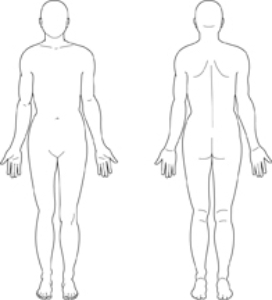
A patient is experiencing pain from acute pyelonephritis. Which area of the body should the nurse assess for costovertebral pain? Place an "X" over the body area.
Question
Question
Question
Question
Question
Question
Question
Question
Question
Question
Question
Question
Question
Question
Question
Question
Question
Question

Unlock Deck
Sign up to unlock the cards in this deck!
Unlock Deck
Unlock Deck
1/40

Play

Full screen (f)
Deck 27: Nursing Care of Patients With Urinary Tract Disorders
1
A male patient has a history of calcium calculi. Which medication should the nurse expect to be prescribed for this patient?
A) furosemide (Lasix)
B) penicillin (Pentids)
C) allopurinol (Alloprim)
D) NSAIDs
A) furosemide (Lasix)
B) penicillin (Pentids)
C) allopurinol (Alloprim)
D) NSAIDs
furosemide (Lasix)
2
An 80-year-old female patient says to the nurse, "I can't hold my water very well so I don't leave the house much." What is an appropriate nursing response?
A) "This is not something you have to live with. Talk with your doctor about this problem."
B) "I understand."
C) "I guess it's hard getting older."
D) "Do you get enjoyment out of watching television?"
A) "This is not something you have to live with. Talk with your doctor about this problem."
B) "I understand."
C) "I guess it's hard getting older."
D) "Do you get enjoyment out of watching television?"
"This is not something you have to live with. Talk with your doctor about this problem."
3
A middle-aged male patient comes to the clinic complaining of "frequency" and voiding "small amounts of urine at a time." The nurse realizes that this patient might be experiencing symptoms of which health problem?
A) benign prostatic hypertrophy (BPH)
B) cystitis
C) renal calculi
D) bladder cancer
A) benign prostatic hypertrophy (BPH)
B) cystitis
C) renal calculi
D) bladder cancer
benign prostatic hypertrophy (BPH)
4
A patient has had a renal stent removed. What should be included in the care of this patient?
A) monitoring urine output
B) encouraging ambulation
C) ensuring adequate protein intake
D) monitoring blood pressure
A) monitoring urine output
B) encouraging ambulation
C) ensuring adequate protein intake
D) monitoring blood pressure
Unlock Deck
Unlock for access to all 40 flashcards in this deck.
Unlock Deck
k this deck
5
A patient is diagnosed with chronic pyelonephritis. The nurse recognizes that this patient is prone to developing which health problem?
A) chronic kidney disease
B) cystitis
C) acute renal failure
D) renal calculi
A) chronic kidney disease
B) cystitis
C) acute renal failure
D) renal calculi
Unlock Deck
Unlock for access to all 40 flashcards in this deck.
Unlock Deck
k this deck
6
While being catheterized for urinary retention, a patient becomes diaphoretic and pale. What should the nurse do to help this patient?
A) The nurse should clamp the catheter after draining 500 mL of urine.
B) No action is needed, as this situation is transient.
C) The nurse should remove the urinary catheter.
D) The nurse should provide the patient with fluids.
A) The nurse should clamp the catheter after draining 500 mL of urine.
B) No action is needed, as this situation is transient.
C) The nurse should remove the urinary catheter.
D) The nurse should provide the patient with fluids.
Unlock Deck
Unlock for access to all 40 flashcards in this deck.
Unlock Deck
k this deck
7
A female patient is admitted with multiple medical problems and incontinence, regardless of the position or situation. For which type of incontinence should the nurse plan care?
A) total
B) urge
C) stress
D) overflow
A) total
B) urge
C) stress
D) overflow
Unlock Deck
Unlock for access to all 40 flashcards in this deck.
Unlock Deck
k this deck
8
A patient is participating in bladder retraining activities. Which toileting activities will reduce the patient's episodes of incontinence?
A) scheduled toileting
B) habit training
C) intermittent straight catheterization
D) external catheter placement at bedtime
E) use of adult incontinence protection devices
A) scheduled toileting
B) habit training
C) intermittent straight catheterization
D) external catheter placement at bedtime
E) use of adult incontinence protection devices
Unlock Deck
Unlock for access to all 40 flashcards in this deck.
Unlock Deck
k this deck
9
An older patient with diabetes is diagnosed with a flaccid bladder. What should be included in the care of this patient?
A) instruction on the Credé method of bladder emptying
B) the importance of maintaining alkaline urine
C) instruction on the use of anticholinergic medications
D) reminder to restrict fluids
A) instruction on the Credé method of bladder emptying
B) the importance of maintaining alkaline urine
C) instruction on the use of anticholinergic medications
D) reminder to restrict fluids
Unlock Deck
Unlock for access to all 40 flashcards in this deck.
Unlock Deck
k this deck
10
A male patient with a urinary stoma says, "I looked at it while you were out of the room. It's not so bad." The nurse realizes that this patient is demonstrating which behavior?
A) coping
B) denial
C) grief
D) anger
A) coping
B) denial
C) grief
D) anger
Unlock Deck
Unlock for access to all 40 flashcards in this deck.
Unlock Deck
k this deck
11
A male patient comes to the emergency department with symptoms of renal colic. The nurse realizes that this patient likely has a calculus that is obstructing which body structure?
A) ureter
B) bladder
C) renal pelvis
D) urethra
A) ureter
B) bladder
C) renal pelvis
D) urethra
Unlock Deck
Unlock for access to all 40 flashcards in this deck.
Unlock Deck
k this deck
12
A male patient is admitted for removal of a bladder papilloma. What should the nurse assess in this patient?
A) history of cigarette smoking
B) daily fluid intake
C) pedal pulses
D) appetite level
A) history of cigarette smoking
B) daily fluid intake
C) pedal pulses
D) appetite level
Unlock Deck
Unlock for access to all 40 flashcards in this deck.
Unlock Deck
k this deck
13
A patient is discharged after transurethral resection of a superficial bladder tumor. What should the nurse include in this patient's discharge instructions?
A) Avoid constipation and continue to use stool softener.
B) Increase fluid intake.
C) Maintain bed rest.
D) Call the physician if painless hematuria develops.
E) Make a follow-up appointment in 1 year.
A) Avoid constipation and continue to use stool softener.
B) Increase fluid intake.
C) Maintain bed rest.
D) Call the physician if painless hematuria develops.
E) Make a follow-up appointment in 1 year.
Unlock Deck
Unlock for access to all 40 flashcards in this deck.
Unlock Deck
k this deck
14
A female patient asks the nurse for ways to prevent recurrent urinary tract infections. How should the nurse respond?
A) "Avoid douching."
B) "Clean the perineal area from back to front."
C) "Use feminine hygiene sprays."
D) "Wear clean nylon underpants."
A) "Avoid douching."
B) "Clean the perineal area from back to front."
C) "Use feminine hygiene sprays."
D) "Wear clean nylon underpants."
Unlock Deck
Unlock for access to all 40 flashcards in this deck.
Unlock Deck
k this deck
15
A patient who is recovering from spinal surgery had "an accident" while attempting to reach the bathroom to void. Which type of incontinence did this patient probably experience?
A) functional
B) urge
C) stress
D) total
A) functional
B) urge
C) stress
D) total
Unlock Deck
Unlock for access to all 40 flashcards in this deck.
Unlock Deck
k this deck
16
A married female patient has a history of repeated urinary tract infections (UTIs). What should the nurse include in the assessment of this patient?
A) preferred method of birth control
B) employment status
C) height and weight
D) activity status
A) preferred method of birth control
B) employment status
C) height and weight
D) activity status
Unlock Deck
Unlock for access to all 40 flashcards in this deck.
Unlock Deck
k this deck
17
A patient is scheduled for a lithotripsy for renal calculi. What should the nurse explain to the patient as the purpose of a bowel preparation prior to this procedure?
A) ensuring maximum visualization of the kidney and the stones
B) ensuring that there is no evidence of constipation prior to the procedure
C) increasing comfort
D) reducing postoperative pain
A) ensuring maximum visualization of the kidney and the stones
B) ensuring that there is no evidence of constipation prior to the procedure
C) increasing comfort
D) reducing postoperative pain
Unlock Deck
Unlock for access to all 40 flashcards in this deck.
Unlock Deck
k this deck
18
A female patient is admitted with an overdistended bladder. Which diagnostic test can be done to confirm the diagnosis of urine retention?
A) bladder scan
B) renal scan
C) intravenous pyelography (IVP)
D) MRI
A) bladder scan
B) renal scan
C) intravenous pyelography (IVP)
D) MRI
Unlock Deck
Unlock for access to all 40 flashcards in this deck.
Unlock Deck
k this deck
19
The nurse is caring for an older patient who is prone to developing urinary tract infections (UTIs). Which method of bladder emptying should the nurse recommend for this patient?
A) intermittent catheterization
B) indwelling urinary catheterizations
C) Credé method
D) timed intervals for taking patient to bathroom to void
A) intermittent catheterization
B) indwelling urinary catheterizations
C) Credé method
D) timed intervals for taking patient to bathroom to void
Unlock Deck
Unlock for access to all 40 flashcards in this deck.
Unlock Deck
k this deck
20
A patient with an indwelling urinary catheter is exhibiting signs of asymptomatic bacteriuria. What would be the best course of action for this patient?
A) removing the catheter and beginning antibiotic therapy
B) beginning intravenous antibiotic therapy
C) beginning 3-day course of oral antibiotic therapy
D) removing the catheter and monitoring for continued signs of bacteriuria
A) removing the catheter and beginning antibiotic therapy
B) beginning intravenous antibiotic therapy
C) beginning 3-day course of oral antibiotic therapy
D) removing the catheter and monitoring for continued signs of bacteriuria
Unlock Deck
Unlock for access to all 40 flashcards in this deck.
Unlock Deck
k this deck
21
A patient is experiencing postoperative urinary retention. Which medication should the nurse expect to be prescribed for this patient?
A) bethanechol chloride (Urecholine)
B) tolterodine (Detrol)
C) propantheline bromide (Pro-Banthine)
D) nitrofurantoin (Macrobid)
A) bethanechol chloride (Urecholine)
B) tolterodine (Detrol)
C) propantheline bromide (Pro-Banthine)
D) nitrofurantoin (Macrobid)
Unlock Deck
Unlock for access to all 40 flashcards in this deck.
Unlock Deck
k this deck
22
A patient is experiencing pain from acute pyelonephritis. Which area of the body should the nurse assess for costovertebral pain? Place an "X" over the body area.
Unlock Deck
Unlock for access to all 40 flashcards in this deck.
Unlock Deck
k this deck
23
The nurse instructs a patient with spastic bladder about the prescribed medication tolterodine (Detrol). What patient statements indicate that teaching has been effective?
A) "I can take this with or without food."
B) "This medication might make me drowsy."
C) "I should call my doctor if I have problems breathing."
D) "I should be careful driving while taking this medication."
E) "I can drink wine with dinner while taking this medication."
A) "I can take this with or without food."
B) "This medication might make me drowsy."
C) "I should call my doctor if I have problems breathing."
D) "I should be careful driving while taking this medication."
E) "I can drink wine with dinner while taking this medication."
Unlock Deck
Unlock for access to all 40 flashcards in this deck.
Unlock Deck
k this deck
24
The nurse instructs a female patient on ways to prevent urinary tract infections (UTIs). Which patient statement indicates that teaching has been effective?
A) "I should drink 2 to 2-1/2 quarts of fluid per day."
B) "I should limit my intake of water so I won't need to urinate so often."
C) "I should wear only nylon underpants."
D) "I should void every 6 hours while I am awake."
A) "I should drink 2 to 2-1/2 quarts of fluid per day."
B) "I should limit my intake of water so I won't need to urinate so often."
C) "I should wear only nylon underpants."
D) "I should void every 6 hours while I am awake."
Unlock Deck
Unlock for access to all 40 flashcards in this deck.
Unlock Deck
k this deck
25
A patient with bladder cancer is scheduled for surgery to create a continent urinary reservoir. What should the nurse include when teaching the patient about this procedure?
A) Electrolytes may need to be monitored.
B) The ureters are brought to the surface.
C) Part of the bowel is used for the pouch.
D) The patient will learn how to perform self-catheterization.
E) A urinary collection device is not necessary.
A) Electrolytes may need to be monitored.
B) The ureters are brought to the surface.
C) Part of the bowel is used for the pouch.
D) The patient will learn how to perform self-catheterization.
E) A urinary collection device is not necessary.
Unlock Deck
Unlock for access to all 40 flashcards in this deck.
Unlock Deck
k this deck
26
A patient is discharged after photocoagulation for a bladder papilloma. Instructions for this patient should include making an appointment for follow-up:
A) in 3 months.
B) in 1 year.
C) in 3 years.
D) if symptoms return in the year following surgery.
A) in 3 months.
B) in 1 year.
C) in 3 years.
D) if symptoms return in the year following surgery.
Unlock Deck
Unlock for access to all 40 flashcards in this deck.
Unlock Deck
k this deck
27
The nurse is caring for a patient with a urinary stoma. In which order should the nurse provide care?
A) Cleanse the skin around stoma with soap and water, rinse, and pat or air-dry.
B) Assess the stoma, noting color and moisture.
C) Remove the old pouch; use warm water to loosen the seal.
D) Use the stoma guide to determine the size of the bag opening and/or protective ring. Trim as needed.
E) Apply the bag with an opening no more than 1-2 mm wider than the outside of the stoma.
F) Apply a skin barrier; allow the skin to dry, then connect the bag to the urine-collection device.
G) non of the above.
A) Cleanse the skin around stoma with soap and water, rinse, and pat or air-dry.
B) Assess the stoma, noting color and moisture.
C) Remove the old pouch; use warm water to loosen the seal.
D) Use the stoma guide to determine the size of the bag opening and/or protective ring. Trim as needed.
E) Apply the bag with an opening no more than 1-2 mm wider than the outside of the stoma.
F) Apply a skin barrier; allow the skin to dry, then connect the bag to the urine-collection device.
G) non of the above.
Unlock Deck
Unlock for access to all 40 flashcards in this deck.
Unlock Deck
k this deck
28
A patient is diagnosed with struvite kidney stones. What interventions should the nurse anticipate being prescribed for this patient?
A) surgical intervention and antibiotic therapy
B) limiting foods high in calcium and taking thiazide diuretics
C) sodium-restricted diet and taking penicillamine
D) low-purine diet and taking potassium citrate
A) surgical intervention and antibiotic therapy
B) limiting foods high in calcium and taking thiazide diuretics
C) sodium-restricted diet and taking penicillamine
D) low-purine diet and taking potassium citrate
Unlock Deck
Unlock for access to all 40 flashcards in this deck.
Unlock Deck
k this deck
29
The nurse is instructing a patient with uric acid stones on methods to prevent lithiasis. Which patient statement indicates that teaching has been effective?
A) "I should avoid organ meats and sardines in my diet."
B) "I will increase purine-rich foods in my diet."
C) "I know to avoid eating vitamin D-enriched foods."
D) "I will have to make my urine more acidic by eating cheese, cranberries, grapes, and tomatoes."
A) "I should avoid organ meats and sardines in my diet."
B) "I will increase purine-rich foods in my diet."
C) "I know to avoid eating vitamin D-enriched foods."
D) "I will have to make my urine more acidic by eating cheese, cranberries, grapes, and tomatoes."
Unlock Deck
Unlock for access to all 40 flashcards in this deck.
Unlock Deck
k this deck
30
The nurse is planning care for a patient recovering from bladder neck surgery. What should the nurse include in this patient's plan of care?
A) securing urinary catheters in position
B) reporting any onset of bright red urine
C) measuring urine output and reporting changes
D) gently tugging on urinary catheter every shift
E) expecting urine to be pink and gradually clear
A) securing urinary catheters in position
B) reporting any onset of bright red urine
C) measuring urine output and reporting changes
D) gently tugging on urinary catheter every shift
E) expecting urine to be pink and gradually clear
Unlock Deck
Unlock for access to all 40 flashcards in this deck.
Unlock Deck
k this deck
31
A patient with a urinary diversion device is at risk for impaired skin integrity. Which intervention should the nurse perform for this patient?
A) emptying the bag reservoir every 2 hours
B) changing urine collection device every other day
C) teaching self-catheterization technique
D) monitoring for foul-smelling urine
A) emptying the bag reservoir every 2 hours
B) changing urine collection device every other day
C) teaching self-catheterization technique
D) monitoring for foul-smelling urine
Unlock Deck
Unlock for access to all 40 flashcards in this deck.
Unlock Deck
k this deck
32
An older female patient asks why she is having more urinary tract infections (UTIs) now that she is older. What should the nurse explain is a contributing factor to the incidence of UTIs among older adult females?
A) loss of tissue elasticity
B) enhanced immune response
C) reduced risk of urinary stasis
D) reduced and less protective prostatic secretions
A) loss of tissue elasticity
B) enhanced immune response
C) reduced risk of urinary stasis
D) reduced and less protective prostatic secretions
Unlock Deck
Unlock for access to all 40 flashcards in this deck.
Unlock Deck
k this deck
33
A patient with a history of recurrent urinary tract infections (UTIs) asks if there are any complementary approaches to reducing the risk of developing future infections. What should the nurse instruct this patient?
A) Take saw palmetto.
B) Drink blueberry juice.
C) Drink cranberry juice.
D) Limit the intake of vitamin C.
E) Apply lavender over the abdomen.
A) Take saw palmetto.
B) Drink blueberry juice.
C) Drink cranberry juice.
D) Limit the intake of vitamin C.
E) Apply lavender over the abdomen.
Unlock Deck
Unlock for access to all 40 flashcards in this deck.
Unlock Deck
k this deck
34
The nurse observes a distended bladder and no change in urine output in a patient with an indwelling urinary catheter and drainage system. What should the nurse do first?
A) assess the catheter tubing for kinks and position it so drainage is maintained by gravity
B) notify the physician
C) flush the catheter with sterile saline using a large syringe
D) change the catheter
A) assess the catheter tubing for kinks and position it so drainage is maintained by gravity
B) notify the physician
C) flush the catheter with sterile saline using a large syringe
D) change the catheter
Unlock Deck
Unlock for access to all 40 flashcards in this deck.
Unlock Deck
k this deck
35
The nurse is reviewing data collected on a patient with a urinary tract disorder. Which health problem should the nurse suspect is affecting this patient?
A) pyelonephritis
B) nephrolithiasis
C) hydronephrosis
D) cystitis
A) pyelonephritis
B) nephrolithiasis
C) hydronephrosis
D) cystitis
Unlock Deck
Unlock for access to all 40 flashcards in this deck.
Unlock Deck
k this deck
36
A patient diagnosed with a symptomatic urinary tract infection (UTI) is prescribed phenazopyridine (Pyridium). What should the nurse instruct the patient about the color of the urine?
A) It will become orange or red.
B) It will have a green tint.
C) It will turn brown.
D) It will become clearer and pale yellow.
A) It will become orange or red.
B) It will have a green tint.
C) It will turn brown.
D) It will become clearer and pale yellow.
Unlock Deck
Unlock for access to all 40 flashcards in this deck.
Unlock Deck
k this deck
37
A patient is being instructed on how to perform Kegel exercises. What should be included in these instructions?
A) While voiding, stop the flow of urine and hold for a few minutes.
B) Tighten the muscles around the anus to resist defecation.
C) Take a deep breath and hold while performing the exercise.
D) Perform these exercises at least once per day.
E) Perform these exercises for at least several months.
A) While voiding, stop the flow of urine and hold for a few minutes.
B) Tighten the muscles around the anus to resist defecation.
C) Take a deep breath and hold while performing the exercise.
D) Perform these exercises at least once per day.
E) Perform these exercises for at least several months.
Unlock Deck
Unlock for access to all 40 flashcards in this deck.
Unlock Deck
k this deck
38
The nurse is reviewing data collected on a patient with urinary calculi. Which complication should the nurse suspect is occurring in this patient?
A) hydronephrosis
B) infection
C) renal colic
D) ureteral tumor
A) hydronephrosis
B) infection
C) renal colic
D) ureteral tumor
Unlock Deck
Unlock for access to all 40 flashcards in this deck.
Unlock Deck
k this deck
39
A patient with pyelonephritis asks the nurse to explain the condition. How should the nurse respond?
A) "It is an infection of the kidney."
B) "It is an inflammation of the bladder."
C) "It is an infection of the lower urinary tract."
D) "It is a blockage in the tube from your kidney to your bladder."
A) "It is an infection of the kidney."
B) "It is an inflammation of the bladder."
C) "It is an infection of the lower urinary tract."
D) "It is a blockage in the tube from your kidney to your bladder."
Unlock Deck
Unlock for access to all 40 flashcards in this deck.
Unlock Deck
k this deck
40
The nurse is preparing to collect a urine culture specimen from a catheterized patient. What should the nurse do to safely obtain this specimen?
A) with a sterile syringe, aspirate several mL of urine from the sampling port using sterile technique
B) disconnect the catheter from the drainage tubing and allows 1-3 mL of urine to drain into a sterile specimen container
C) with a sterile syringe and needle, aspirate 50 mL of urine from the catheter above where it is connected to the drainage tubing
D) empty a small volume of urine from the urine collection bag into a sterile specimen cup
A) with a sterile syringe, aspirate several mL of urine from the sampling port using sterile technique
B) disconnect the catheter from the drainage tubing and allows 1-3 mL of urine to drain into a sterile specimen container
C) with a sterile syringe and needle, aspirate 50 mL of urine from the catheter above where it is connected to the drainage tubing
D) empty a small volume of urine from the urine collection bag into a sterile specimen cup
Unlock Deck
Unlock for access to all 40 flashcards in this deck.
Unlock Deck
k this deck
Unlock Deck
Unlock for access to all 40 flashcards in this deck.






