







 Chat with AI

Deck 12: Nursing Care of Patients With Infections
Full screen (f)

Question

Question
Question
Question
Question
Question
Question
Question
Question
Question
Question
Question
Question
Question
Question
Question
Question
Question
Question
Question
Question
Question
Question
Question
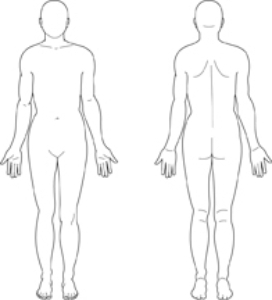
A patient has had skin testing to assess cell-mediated immunity. Place an "X" in the area the nurse will monitor for the next 48 hours.
Question
Question
Question
Question
Question
Question
Question
Question
Question
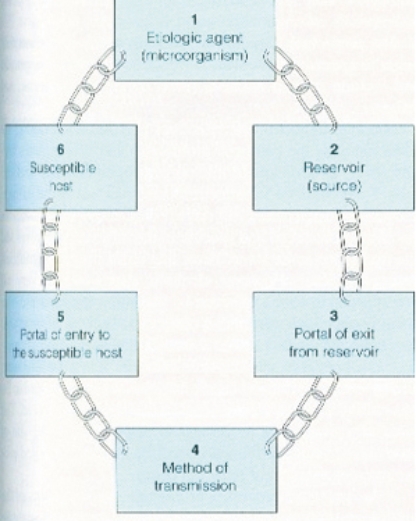
When caring for a patient with an infection, the nurse provides a stethoscope that remains in the patient's room. Place an "X" where the chain of infection is being interrupted.
Question
Question
Question
Question
Question
Question
Question
Question
Question
Question
Question
Question
Question
Question
Question
Question
Question
Question
Question
Question
Question
Question
Question

Unlock Deck
Sign up to unlock the cards in this deck!
Unlock Deck
Unlock Deck
1/56

Play

Full screen (f)
Deck 12: Nursing Care of Patients With Infections
1
A patient's white blood cell count is 11,000/mm3. What does the nurse understand this value to represent?
A) the total number of circulating leukocytes
B) the total number of circulating neutrophils
C) the total number of circulating eosinophils
D) the total number of circulating basophils
A) the total number of circulating leukocytes
B) the total number of circulating neutrophils
C) the total number of circulating eosinophils
D) the total number of circulating basophils
the total number of circulating leukocytes
2
The nurse is instructing a patient on ways to prevent the onset of infection. What should the nurse include in these instructions?
A) Wash the hands after using disposable tissues for nasal secretions.
B) Reuse disposable razors.
C) Take prescribed antibiotics until symptoms subside.
D) Do not limit interactions with people or crowds.
A) Wash the hands after using disposable tissues for nasal secretions.
B) Reuse disposable razors.
C) Take prescribed antibiotics until symptoms subside.
D) Do not limit interactions with people or crowds.
Wash the hands after using disposable tissues for nasal secretions.
3
The nurse is caring for a patient recovering from a splenectomy. What should the nurse realize will occur regarding this patient's immunity?
A) The liver and bone marrow will take over the spleen's functions.
B) The patient will need to avoid infections every day of his life.
C) The patient will have edematous lymph glands throughout his body.
D) The thymus gland will take over the spleen's functions.
A) The liver and bone marrow will take over the spleen's functions.
B) The patient will need to avoid infections every day of his life.
C) The patient will have edematous lymph glands throughout his body.
D) The thymus gland will take over the spleen's functions.
The liver and bone marrow will take over the spleen's functions.
4
A patient sustains fractures to the ribs, both femurs, and one humerus. When planning care for this patient's immunologic status, what should the nurse include?
A) Monitor complete blood count daily.
B) Limit food rich in iron.
C) Perform passive range of motion to unaffected extremities.
D) Keep on bed rest.
A) Monitor complete blood count daily.
B) Limit food rich in iron.
C) Perform passive range of motion to unaffected extremities.
D) Keep on bed rest.
Unlock Deck
Unlock for access to all 56 flashcards in this deck.
Unlock Deck
k this deck
5
The nurse is concerned that a patient is exhibiting signs and symptoms of inflammation. What did the nurse assess to come to this conclusion?
A) leg edema
B) severe pain from swelling
C) severe erythema of leg
D) leg cool to the touch
E) decreased peripheral pulses
A) leg edema
B) severe pain from swelling
C) severe erythema of leg
D) leg cool to the touch
E) decreased peripheral pulses
Unlock Deck
Unlock for access to all 56 flashcards in this deck.
Unlock Deck
k this deck
6
A patient recovering from knee surgery has a surgical infection. What findings indicate that the patient is experiencing a systemic reaction?
A) WBC 14,200 mm3
B) 10% bands
C) erythema
D) pain at the surgical site
E) respiratory rate of 16
A) WBC 14,200 mm3
B) 10% bands
C) erythema
D) pain at the surgical site
E) respiratory rate of 16
Unlock Deck
Unlock for access to all 56 flashcards in this deck.
Unlock Deck
k this deck
7
A patient is receiving intravenous vancomycin for the treatment of Clostridium difficile. Why should the nurse assess the patient for flushing, tachycardia, and hypotension during the infusion of this medication?
A) to identify red man syndrome
B) to recognize the ototoxicity effect
C) to prevent a superinfection
D) to begin treatment for hives
A) to identify red man syndrome
B) to recognize the ototoxicity effect
C) to prevent a superinfection
D) to begin treatment for hives
Unlock Deck
Unlock for access to all 56 flashcards in this deck.
Unlock Deck
k this deck
8
A patient tells the nurse that he's happy that his wife did not "catch" the same cold from which he has recently recovered. The nurse realizes that what most likely occurred in his wife?
A) Helper T cells had a memory of a previous exposure to the same virus that caused the patient's illness.
B) Suppressor T cells killed the virus.
C) The virus was eliminated via phagocytosis by neutrophils.
D) Cytokines were released.
A) Helper T cells had a memory of a previous exposure to the same virus that caused the patient's illness.
B) Suppressor T cells killed the virus.
C) The virus was eliminated via phagocytosis by neutrophils.
D) Cytokines were released.
Unlock Deck
Unlock for access to all 56 flashcards in this deck.
Unlock Deck
k this deck
9
The nurse believes that a patient is experiencing a systemic reaction associated with an inflammatory response. Which assessment finding supports this nurse's belief?
A) edematous groin lymph nodes
B) erythema
C) edema
D) pain
A) edematous groin lymph nodes
B) erythema
C) edema
D) pain
Unlock Deck
Unlock for access to all 56 flashcards in this deck.
Unlock Deck
k this deck
10
An older patient has a small pressure ulcer on the coccyx. What should the nurse do to promote healing of the wound?
A) encourage high-protein food choices in the diet
B) limit carbohydrate intake
C) encourage a high intake of vitamin E
D) restrict caloric intake
A) encourage high-protein food choices in the diet
B) limit carbohydrate intake
C) encourage a high intake of vitamin E
D) restrict caloric intake
Unlock Deck
Unlock for access to all 56 flashcards in this deck.
Unlock Deck
k this deck
11
A patient is prescribed a trough blood level to evaluate the therapeutic effect of an antibiotic. When should the nurse schedule this blood test to be drawn?
A) a few minutes before the next scheduled dose of medication
B) 1-2 hours after the oral administration of the medication
C) 30 minutes after the intravenous administration of the medication
D) during the infusion of the antibiotic
A) a few minutes before the next scheduled dose of medication
B) 1-2 hours after the oral administration of the medication
C) 30 minutes after the intravenous administration of the medication
D) during the infusion of the antibiotic
Unlock Deck
Unlock for access to all 56 flashcards in this deck.
Unlock Deck
k this deck
12
A patient is diagnosed with a positive tuberculosis skin test. The nurse understands that this response is due to what?
A) performing a cell-mediated inflammatory response
B) promoting phagocytosis of the antigen by neutrophils
C) clumping antigens to form a noninvasive aggregate
D) coating the antigen with antibodies
A) performing a cell-mediated inflammatory response
B) promoting phagocytosis of the antigen by neutrophils
C) clumping antigens to form a noninvasive aggregate
D) coating the antigen with antibodies
Unlock Deck
Unlock for access to all 56 flashcards in this deck.
Unlock Deck
k this deck
13
A patient diagnosed with active tuberculosis is being admitted to the hospital. For which type of isolation should the nurse prepare this patient?
A) airborne precautions
B) standard precautions
C) droplet precautions
D) contact precautions
A) airborne precautions
B) standard precautions
C) droplet precautions
D) contact precautions
Unlock Deck
Unlock for access to all 56 flashcards in this deck.
Unlock Deck
k this deck
14
The nurse is planning care for a patient at risk for developing an infection. Which intervention should the nurse include in the plan of care?
A) washing the hands prior to providing care to the patient
B) providing prophylactic antibiotic therapy as prescribed
C) wearing a mask when caring for the patient
D) wearing a gown and gloves when changing the patient's linen
A) washing the hands prior to providing care to the patient
B) providing prophylactic antibiotic therapy as prescribed
C) wearing a mask when caring for the patient
D) wearing a gown and gloves when changing the patient's linen
Unlock Deck
Unlock for access to all 56 flashcards in this deck.
Unlock Deck
k this deck
15
The nurse is concerned that an older adult patient could be at risk for developing an infection. Which intervention led to this concern for the patient?
A) urinary catheterization
B) applying anti-embolism stockings
C) ambulation with the assistance of a walker
D) medicating for pain as needed prior to physical therapy
A) urinary catheterization
B) applying anti-embolism stockings
C) ambulation with the assistance of a walker
D) medicating for pain as needed prior to physical therapy
Unlock Deck
Unlock for access to all 56 flashcards in this deck.
Unlock Deck
k this deck
16
The nurse is reviewing the white blood cell count differential for a patient and notes that the basophil count is elevated. What should this laboratory value indicate to the nurse?
A) The patient is experiencing an acute hypersensitivity reaction.
B) The patient has a gastrointestinal infection.
C) The patient is fighting a tuberculosis infection.
D) The patient is fighting cancer.
A) The patient is experiencing an acute hypersensitivity reaction.
B) The patient has a gastrointestinal infection.
C) The patient is fighting a tuberculosis infection.
D) The patient is fighting cancer.
Unlock Deck
Unlock for access to all 56 flashcards in this deck.
Unlock Deck
k this deck
17
A patient is diagnosed with an antibiotic-resistant infection. Which action should the nurse take to reduce the spread of this infection?
A) Isolate the supplies used to care for this patient.
B) Transfer the patient to a semiprivate room.
C) Limit exposure to this patient.
D) Restrict visitors and plan activities to coincide with meal delivery times.
A) Isolate the supplies used to care for this patient.
B) Transfer the patient to a semiprivate room.
C) Limit exposure to this patient.
D) Restrict visitors and plan activities to coincide with meal delivery times.
Unlock Deck
Unlock for access to all 56 flashcards in this deck.
Unlock Deck
k this deck
18
A patient who just delivered a newborn baby is concerned that the baby will "catch" a cold from a healthcare provider who was coughing and sneezing in the delivery room. How should the nurse respond?
A) "The baby has some protection from infections from the time of birth."
B) "The baby should be isolated."
C) "I will be sure to have everyone check the baby's temperature for signs of an infection."
D) "The healthcare provider should not have been participating in your care."
A) "The baby has some protection from infections from the time of birth."
B) "The baby should be isolated."
C) "I will be sure to have everyone check the baby's temperature for signs of an infection."
D) "The healthcare provider should not have been participating in your care."
Unlock Deck
Unlock for access to all 56 flashcards in this deck.
Unlock Deck
k this deck
19
A patient has been intubated to receive care in the intensive care unit. The nurse recognizes that the patient is at risk of developing which types of infection?
A) pneumonia
B) urinary tract infection
C) surgical wound infection
D) intravenous site infection
A) pneumonia
B) urinary tract infection
C) surgical wound infection
D) intravenous site infection
Unlock Deck
Unlock for access to all 56 flashcards in this deck.
Unlock Deck
k this deck
20
The nurse is caring for a patient diagnosed with a lung infection. Which immunoglobulin level should the nurse expect to be elevated in this patient?
A) immunoglobulin A
B) immunoglobulin M
C) immunoglobulin E
D) immunoglobulin D
A) immunoglobulin A
B) immunoglobulin M
C) immunoglobulin E
D) immunoglobulin D
Unlock Deck
Unlock for access to all 56 flashcards in this deck.
Unlock Deck
k this deck
21
A patient with an inflammatory response is prescribed a nonsteroidal anti-inflammatory drug (NSAID). The nurse understands the patient was prescribed this medication for which reason?
A) to increase the production of histamine
B) to increase the flow of serosanguineous drainage
C) to reduce the production of serotonin
D) to reduce prostaglandin synthesis
A) to increase the production of histamine
B) to increase the flow of serosanguineous drainage
C) to reduce the production of serotonin
D) to reduce prostaglandin synthesis
Unlock Deck
Unlock for access to all 56 flashcards in this deck.
Unlock Deck
k this deck
22
The nurse needs to obtain a sputum specimen for culture and sensitivity from a patient. When should the nurse obtain this specimen?
A) before the first dose of antibiotics is administered
B) immediately after the first dose of antibiotic is administered
C) 30 minutes after the first dose of antibiotics is administered
D) during administration of the first dose of antibiotics
A) before the first dose of antibiotics is administered
B) immediately after the first dose of antibiotic is administered
C) 30 minutes after the first dose of antibiotics is administered
D) during administration of the first dose of antibiotics
Unlock Deck
Unlock for access to all 56 flashcards in this deck.
Unlock Deck
k this deck
23
A patient comes to the emergency department complaining of dyspnea. Based on an analysis of the data provided, what should the nurse suspect is occurring with this patient?
A) pancytopenia
B) chronic bacterial infections
C) a respiratory infection
D) a hypersensitivity response
A) pancytopenia
B) chronic bacterial infections
C) a respiratory infection
D) a hypersensitivity response
Unlock Deck
Unlock for access to all 56 flashcards in this deck.
Unlock Deck
k this deck
24
A patient has had skin testing to assess cell-mediated immunity. Place an "X" in the area the nurse will monitor for the next 48 hours.
Unlock Deck
Unlock for access to all 56 flashcards in this deck.
Unlock Deck
k this deck
25
A patient is receiving an aminoglycoside. Which findings should the nurse immediately report?
A) history of allergy to penicillins
B) weight gain of 5 kg in 2 days
C) symptoms of vertigo
D) fluid intake below 2,000 mL/day
E) new order for IV furosemide (Lasix)
A) history of allergy to penicillins
B) weight gain of 5 kg in 2 days
C) symptoms of vertigo
D) fluid intake below 2,000 mL/day
E) new order for IV furosemide (Lasix)
Unlock Deck
Unlock for access to all 56 flashcards in this deck.
Unlock Deck
k this deck
26
The nurse is reviewing a patient's laboratory results. What conclusion should the nurse make after reviewing these results?
A) adequate nutritional status
B) risk for impaired immunity
C) antigen-antibody reaction
D) autoimmune disorder
A) adequate nutritional status
B) risk for impaired immunity
C) antigen-antibody reaction
D) autoimmune disorder
Unlock Deck
Unlock for access to all 56 flashcards in this deck.
Unlock Deck
k this deck
27
The nurse is caring for a patient with a localized inflammatory response. Which stages should the nurse expect the patient to experience with this response?
A) basilar
B) cellular
C) vascular
D) tissue repair
E) keratosis
A) basilar
B) cellular
C) vascular
D) tissue repair
E) keratosis
Unlock Deck
Unlock for access to all 56 flashcards in this deck.
Unlock Deck
k this deck
28
The nurse suspects that a patient is experiencing a local inflammatory response. What findings would support this conclusion?
A) temperature under 96.8°F (36°C)
B) heat at the site of injury
C) increased platelets
D) edema
E) functional impairment
A) temperature under 96.8°F (36°C)
B) heat at the site of injury
C) increased platelets
D) edema
E) functional impairment
Unlock Deck
Unlock for access to all 56 flashcards in this deck.
Unlock Deck
k this deck
29
A patient with a compromised immune system is admitted to the hospital with an infection. What care should the nurse expect this patient to require?
A) early discharge to recover from the infection at home
B) placement in a semiprivate room
C) isolation techniques to protect the patient from further infection
D) placement in respiratory isolation
A) early discharge to recover from the infection at home
B) placement in a semiprivate room
C) isolation techniques to protect the patient from further infection
D) placement in respiratory isolation
Unlock Deck
Unlock for access to all 56 flashcards in this deck.
Unlock Deck
k this deck
30
A patient has been prescribed cefuroxime (Ceftin). What should the nurse teach the patient about this medication?
A) Take on an empty stomach.
B) Avoid alcohol.
C) Report any hearing loss.
D) Eat yogurt daily.
E) Complete the prescription.
A) Take on an empty stomach.
B) Avoid alcohol.
C) Report any hearing loss.
D) Eat yogurt daily.
E) Complete the prescription.
Unlock Deck
Unlock for access to all 56 flashcards in this deck.
Unlock Deck
k this deck
31
A patient recovering from a splenectomy asks the nurse, "What's going to happen to me now that my spleen is gone?" What is an appropriate nursing response?
A) "You will have to avoid getting colds and flu."
B) "Your stomach will assume its functions."
C) "Your liver and bone marrow will assume its functions."
D) "A spleen is not really necessary."
A) "You will have to avoid getting colds and flu."
B) "Your stomach will assume its functions."
C) "Your liver and bone marrow will assume its functions."
D) "A spleen is not really necessary."
Unlock Deck
Unlock for access to all 56 flashcards in this deck.
Unlock Deck
k this deck
32
A patient develops hyperthermia related to a diagnosis of pneumonia. Which interventions should the nurse perform to help with this problem?
A) Reduce the temperature of the room.
B) Administer antipyretic medications as prescribed.
C) Promote frequent rest periods.
D) Administer ice packs.
E) Restrict fluids.
A) Reduce the temperature of the room.
B) Administer antipyretic medications as prescribed.
C) Promote frequent rest periods.
D) Administer ice packs.
E) Restrict fluids.
Unlock Deck
Unlock for access to all 56 flashcards in this deck.
Unlock Deck
k this deck
33
When caring for a patient with an infection, the nurse provides a stethoscope that remains in the patient's room. Place an "X" where the chain of infection is being interrupted.
Unlock Deck
Unlock for access to all 56 flashcards in this deck.
Unlock Deck
k this deck
34
The nurse is reviewing the antibody-mediated immune response with a patient experiencing a first exposure to an antigen. What events should the nurse explain that occur in this immune response?
A) Antigen-binding fragment (Fab) decreases.
B) An antigen begins the process of reaction.
C) Memory B cells and plasma cells are cloned.
D) T helper cells are stimulated.
E) Cell division and differentiation occur.
A) Antigen-binding fragment (Fab) decreases.
B) An antigen begins the process of reaction.
C) Memory B cells and plasma cells are cloned.
D) T helper cells are stimulated.
E) Cell division and differentiation occur.
Unlock Deck
Unlock for access to all 56 flashcards in this deck.
Unlock Deck
k this deck
35
One school district is not requiring vaccinations for children who are starting school. The nurse realizes that this action could have which consequence?
A) healthier children
B) a reduction in the number of colds and flu in the school
C) lower school costs
D) an epidemic of an illness that could have been avoided with immunization
A) healthier children
B) a reduction in the number of colds and flu in the school
C) lower school costs
D) an epidemic of an illness that could have been avoided with immunization
Unlock Deck
Unlock for access to all 56 flashcards in this deck.
Unlock Deck
k this deck
36
A patient is prescribed to receive linezolid (Zyvox) 600 mg intravenously twice a day. The nurse receives the medication prepared as 600 mg/300 mL with directions to give over 120 minutes. An infusion set that administers 15 gtts/mL is available. How many drops of medication per minute should the nurse set this infusion to deliver?
Unlock Deck
Unlock for access to all 56 flashcards in this deck.
Unlock Deck
k this deck
37
The nurse has completed caring for a patient's indwelling urinary catheter. What should the nurse do after clearing used supplies and removing the gloves?
A) Wash the hands with soap.
B) Document the care provided.
C) Prepare medications for the patient.
D) Discuss with the nursing assistant additional care needs for the patient.
A) Wash the hands with soap.
B) Document the care provided.
C) Prepare medications for the patient.
D) Discuss with the nursing assistant additional care needs for the patient.
Unlock Deck
Unlock for access to all 56 flashcards in this deck.
Unlock Deck
k this deck
38
The nurse needs to change a patient's abdominal wound dressing. Which techniques should the nurse use?
A) standard precautions
B) contact precautions
C) droplet precautions
D) airborne precautions
A) standard precautions
B) contact precautions
C) droplet precautions
D) airborne precautions
Unlock Deck
Unlock for access to all 56 flashcards in this deck.
Unlock Deck
k this deck
39
The nurse is reviewing data for a patient with a wound. Which type of precaution would the nurse identify as needed by this patient?
A) contact
B) droplet
C) airborne
D) reverse
A) contact
B) droplet
C) airborne
D) reverse
Unlock Deck
Unlock for access to all 56 flashcards in this deck.
Unlock Deck
k this deck
40
A patient who has never experienced a reaction to a bee sting comes into the emergency department with intense edema and redness at the site of the sting. The nurse realizes that this patient is demonstrating which type of immune response?
A) mobilization of lymphocytic memory T cells
B) activation of granulocytes
C) creation of neutrophils
D) circulation of eosinophils
A) mobilization of lymphocytic memory T cells
B) activation of granulocytes
C) creation of neutrophils
D) circulation of eosinophils
Unlock Deck
Unlock for access to all 56 flashcards in this deck.
Unlock Deck
k this deck
41
A patient wants to know why he developed an infection after being cut on the leg with a piece of wood, but his friend who was also cut did not. How should the nurse explain this phenomenon?
A) "Maybe the wood that cut your friend wasn't dirty and infected."
B) "You must have an autoimmune disorder."
C) "The organism found you more susceptible to infection."
D) "Your friend will get an infection too. It will just develop later."
A) "Maybe the wood that cut your friend wasn't dirty and infected."
B) "You must have an autoimmune disorder."
C) "The organism found you more susceptible to infection."
D) "Your friend will get an infection too. It will just develop later."
Unlock Deck
Unlock for access to all 56 flashcards in this deck.
Unlock Deck
k this deck
42
A patient who received a vaccination 2 weeks ago returns to the clinic with a wound at the inoculation site. What does the nurse realize about this patient?
A) The patient is experiencing a severe local reaction to the inoculation.
B) The patient is allergic to the inoculation.
C) The patient is scratching the inoculation site.
D) The patient is demonstrating signs of the disease that the inoculation was intended to prevent.
A) The patient is experiencing a severe local reaction to the inoculation.
B) The patient is allergic to the inoculation.
C) The patient is scratching the inoculation site.
D) The patient is demonstrating signs of the disease that the inoculation was intended to prevent.
Unlock Deck
Unlock for access to all 56 flashcards in this deck.
Unlock Deck
k this deck
43
During a home visit the nurse determines that family members would benefit from receiving the hepatitis B vaccination. Which family members did the nurse identify as being at risk for this illness?
A) 29-year-old female with ovarian cysts
B) 21-year-old male with Down syndrome
C) 63-year-old male with end-stage renal disease
D) 57-year-old female newly diagnosed with diabetes mellitus
E) 32-year-old male with liver disease from acetaminophen abuse
A) 29-year-old female with ovarian cysts
B) 21-year-old male with Down syndrome
C) 63-year-old male with end-stage renal disease
D) 57-year-old female newly diagnosed with diabetes mellitus
E) 32-year-old male with liver disease from acetaminophen abuse
Unlock Deck
Unlock for access to all 56 flashcards in this deck.
Unlock Deck
k this deck
44
A patient who is recovering from an infectious process has a poor appetite. Which nutrient is of utmost importance to support the healing process?
A) water
B) protein
C) carbohydrates
D) fats
A) water
B) protein
C) carbohydrates
D) fats
Unlock Deck
Unlock for access to all 56 flashcards in this deck.
Unlock Deck
k this deck
45
A patient with an infection is prescribed a macrolide antibiotic. What should the nurse instruct the patient about taking this medication?
A) Take the medication on a full stomach.
B) Take the medication with a glass of milk.
C) Take the medication on an empty stomach.
D) Take the medication with a full glass of juice.
A) Take the medication on a full stomach.
B) Take the medication with a glass of milk.
C) Take the medication on an empty stomach.
D) Take the medication with a full glass of juice.
Unlock Deck
Unlock for access to all 56 flashcards in this deck.
Unlock Deck
k this deck
46
A patient is resisting the use of incentive spirometry postoperatively. What should the nurse explain about this device?
A) "It will help prevent the development of pneumonia."
B) "It gives you something to do while recovering."
C) "It will prevent you from getting a cold."
D) "The doctor ordered it."
A) "It will help prevent the development of pneumonia."
B) "It gives you something to do while recovering."
C) "It will prevent you from getting a cold."
D) "The doctor ordered it."
Unlock Deck
Unlock for access to all 56 flashcards in this deck.
Unlock Deck
k this deck
47
A patient is prescribed metronidazole (Flagyl) for treatment of C. difficile. What should the nurse include when teaching the patient about this medication?
A) Do not drink any alcohol while taking this medication.
B) Drink a minimum of 2-1/2 to 3 quarts of fluid every day.
C) Notify the healthcare provider if urine color changes to reddish brown.
D) Changes in mentation and coordination are expected when taking this medication.
E) Contact the healthcare provider if urination becomes painful when taking this medication.
A) Do not drink any alcohol while taking this medication.
B) Drink a minimum of 2-1/2 to 3 quarts of fluid every day.
C) Notify the healthcare provider if urine color changes to reddish brown.
D) Changes in mentation and coordination are expected when taking this medication.
E) Contact the healthcare provider if urination becomes painful when taking this medication.
Unlock Deck
Unlock for access to all 56 flashcards in this deck.
Unlock Deck
k this deck
48
The daughter of an older patient asks why the patient is experiencing frequent episodes of pneumonia. What factors should the nurse discuss when responding?
A) Diminished thirst reflex
B) Diminished cough reflex
C) Less production of sputum
D) Reduced bladder contractility
E) Reduced mucociliary clearance in the lungs
A) Diminished thirst reflex
B) Diminished cough reflex
C) Less production of sputum
D) Reduced bladder contractility
E) Reduced mucociliary clearance in the lungs
Unlock Deck
Unlock for access to all 56 flashcards in this deck.
Unlock Deck
k this deck
49
A patient with methicillin-resistant Staphylococcus aureus (MRSA) is no longer responding to the medication vancomycin (Vancocin). What medication might be indicated for this patient?
A) penicillin
B) gentamycin
C) tetracycline
D) linezolid
A) penicillin
B) gentamycin
C) tetracycline
D) linezolid
Unlock Deck
Unlock for access to all 56 flashcards in this deck.
Unlock Deck
k this deck
50
An older patient with a history of lung disease had a pneumococcal vaccination 10 years ago. What should be done for this patient?
A) Draw a blood culture.
B) Remind the patient that he needs a booster in 5 years.
C) Remind the patient that he does not need a flu vaccination.
D) Suggest that the patient have a pneumococcal booster during this visit.
A) Draw a blood culture.
B) Remind the patient that he needs a booster in 5 years.
C) Remind the patient that he does not need a flu vaccination.
D) Suggest that the patient have a pneumococcal booster during this visit.
Unlock Deck
Unlock for access to all 56 flashcards in this deck.
Unlock Deck
k this deck
51
A patient asks the nurse how long it will be before a leg wound heals. What phases of wound healing should the nurse explain to this patient?
A) inflammation
B) deconstruction
C) reconstruction
D) resolution
E) dissolution
A) inflammation
B) deconstruction
C) reconstruction
D) resolution
E) dissolution
Unlock Deck
Unlock for access to all 56 flashcards in this deck.
Unlock Deck
k this deck
52
The nurse is preparing instructions for a patient with an inflammation of the right lower leg. What should the nurse emphasize when teaching this patient?
A) Elevate the extremity.
B) Reduce the intake of fluids.
C) Take analgesics as prescribed.
D) Increase activity to the extremity.
E) Cleanse the area with soap and water.
A) Elevate the extremity.
B) Reduce the intake of fluids.
C) Take analgesics as prescribed.
D) Increase activity to the extremity.
E) Cleanse the area with soap and water.
Unlock Deck
Unlock for access to all 56 flashcards in this deck.
Unlock Deck
k this deck
53
A patient is having skin testing done to assess for allergies. What would the nurse identify as evidence of exposure to an antigen?
A) itching at the site
B) area approximately 1 mm in diameter of induration and erythema
C) induration and erythema not evident until after 5 days
D) area larger than 10 mm of induration and erythema
A) itching at the site
B) area approximately 1 mm in diameter of induration and erythema
C) induration and erythema not evident until after 5 days
D) area larger than 10 mm of induration and erythema
Unlock Deck
Unlock for access to all 56 flashcards in this deck.
Unlock Deck
k this deck
54
The nurse is assessing a patient's arm for inflammation. Which are signs that a localized inflammatory process is occurring?
A) purulent drainage
B) pain
C) hyperemia
D) erythema
E) induration
A) purulent drainage
B) pain
C) hyperemia
D) erythema
E) induration
Unlock Deck
Unlock for access to all 56 flashcards in this deck.
Unlock Deck
k this deck
55
The nurse is caring for a patient under droplet precautions. What should the nurse wear when providing care to this patient?
A) head covering and gown
B) shoe covering and gown
C) gloves only
D) mask and eye protection or face shield
A) head covering and gown
B) shoe covering and gown
C) gloves only
D) mask and eye protection or face shield
Unlock Deck
Unlock for access to all 56 flashcards in this deck.
Unlock Deck
k this deck
56
A patient being treated for a stage 3 pressure ulcer is demonstrating delayed healing. What information in the patient's medical record and history would explain this delay?
A) The patient had total knee replacement 7 years ago.
B) The patient takes insulin for control of type 2 diabetes mellitus.
C) The patient was diagnosed with peripheral vascular disease 5 years ago.
D) The patient was prescribed steroids for treatment of chronic lung condition.
E) The patient takes acetaminophen 650 mg twice a day for arthritis pain.
A) The patient had total knee replacement 7 years ago.
B) The patient takes insulin for control of type 2 diabetes mellitus.
C) The patient was diagnosed with peripheral vascular disease 5 years ago.
D) The patient was prescribed steroids for treatment of chronic lung condition.
E) The patient takes acetaminophen 650 mg twice a day for arthritis pain.
Unlock Deck
Unlock for access to all 56 flashcards in this deck.
Unlock Deck
k this deck
Unlock Deck
Unlock for access to all 56 flashcards in this deck.






