







 Chat with AI

Deck 37: Nursing Care of Patients With Gas Exchange Disorders
Full screen (f)

Question

Question
Question
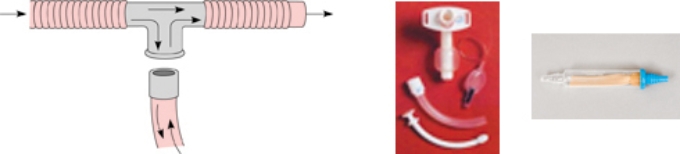
The nurse is preparing to wean a patient from a ventilator. Indicate with an "X" the equipment that the nurse will use for weaning.
Question
Question
Question
Question
Question
Question
Question
Question
Question
Question
Question
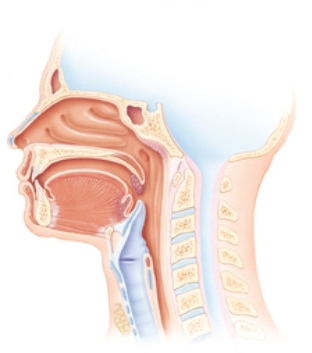
The nurse is caring for a patient weaned from a ventilator for respiratory failure. Which area should the nurse specifically monitor in the event reintubation is required? Draw an arrow pointing to the area that the nurse must monitor for the development of common complications.
Question
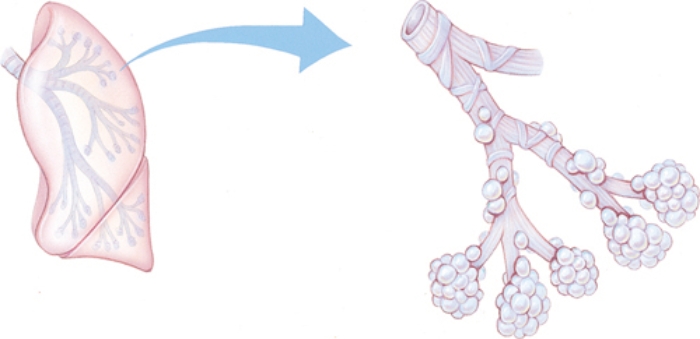
The nurse is reviewing the respiratory structures with a patient diagnosed with emphysema. Which structures should the nurse identify as being affected by this disease? Draw an arrow pointing to the structures most affected by emphysema.
Question
Question
Question
Question
Question
Question
Question
Question
Question
Question
Question
Question
Question
Question
Question
Question
Question
Question
Question
Question
Question
Question
Question
Question
Question

Unlock Deck
Sign up to unlock the cards in this deck!
Unlock Deck
Unlock Deck
1/40

Play

Full screen (f)
Deck 37: Nursing Care of Patients With Gas Exchange Disorders
1
A patient is being mechanically ventilated with SIMV at a rate of 25 breaths per minute. Why should the nurse question this order?
A) The rate could be too high for this mode.
B) The patient would be more comfortable with a different mode.
C) The patient is not receiving enough sedation.
D) SIMV is always used in combination with PEEP.
A) The rate could be too high for this mode.
B) The patient would be more comfortable with a different mode.
C) The patient is not receiving enough sedation.
D) SIMV is always used in combination with PEEP.
The rate could be too high for this mode.
2
A patient who is unable to swim fell into a swimming pool and is diagnosed with pulmonary edema. The physician prescribes furosemide 40 mg slow intravenous push. The medication available is a vial containing 100 mg/10 mL. How many mL of the medication should the nurse administer?
4
3
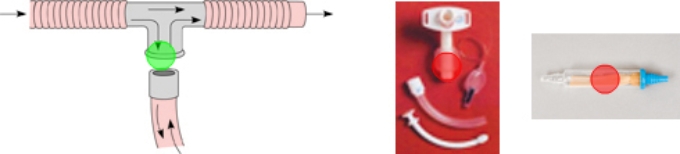
The nurse is preparing to wean a patient from a ventilator. Indicate with an "X" the equipment that the nurse will use for weaning.
4
The nurse is providing medications to a patient with asthma. What does the nurse recognize about the use of corticosteroid inhalers for this patient?
A) They should be provided after the bronchodilator.
B) They are used only for acute asthma attacks.
C) They are used often with methylxanthines.
D) They are used to activate muscarinic receptors.
A) They should be provided after the bronchodilator.
B) They are used only for acute asthma attacks.
C) They are used often with methylxanthines.
D) They are used to activate muscarinic receptors.
Unlock Deck
Unlock for access to all 40 flashcards in this deck.
Unlock Deck
k this deck
5
A patient being mechanically ventilated develops hypotension after the respiratory therapist implements the most recent physician orders. The nurse suspects that which ventilator mode might be the cause?
A) PEEP
B) SIMV mode
C) assist-control mode
D) pressure-control mode
A) PEEP
B) SIMV mode
C) assist-control mode
D) pressure-control mode
Unlock Deck
Unlock for access to all 40 flashcards in this deck.
Unlock Deck
k this deck
6
A patient has a nasal endotracheal tube. For which complications should the nurse assess this patient?
A) tracheoesophageal fistula
B) wound infection
C) pressure necrosis of nares
D) sinusitis
E) obstruction of the tube
A) tracheoesophageal fistula
B) wound infection
C) pressure necrosis of nares
D) sinusitis
E) obstruction of the tube
Unlock Deck
Unlock for access to all 40 flashcards in this deck.
Unlock Deck
k this deck
7
A patient being mechanically ventilated suddenly develops cardiac dysrhythmias from increasingly higher PEEP. What underlying issue should the nurse suspect in this patient?
A) decreased cardiac output and acidosis
B) increased cardiac output and alkalosis
C) decreased cardiac output and renal failure
D) increased cardiac output and electrolyte disturbance
A) decreased cardiac output and acidosis
B) increased cardiac output and alkalosis
C) decreased cardiac output and renal failure
D) increased cardiac output and electrolyte disturbance
Unlock Deck
Unlock for access to all 40 flashcards in this deck.
Unlock Deck
k this deck
8
A patient who has been feeling more anxious since the recent and unexpected death of his wife is experiencing an acute asthma attack. Rank the following events in the most likely order of occurrence. Standard Text: Click and drag the options below to move them up or down.
A) The patient states, "I feel like my throat is closing off and I can't breathe very well."
B) The patient is allergic to aspirin but unknowingly ingested a product with aspirin among its ingredients.
C) The patient's respiratory rate is 32 breaths per minute and his oxygen saturation level falls from 94% to 89%.
D) Inflammatory mediators are released and inflammatory cells are activated.
E) The patient is taken to the hospital via an ambulance and treated with medication.
F) non of the above
A) The patient states, "I feel like my throat is closing off and I can't breathe very well."
B) The patient is allergic to aspirin but unknowingly ingested a product with aspirin among its ingredients.
C) The patient's respiratory rate is 32 breaths per minute and his oxygen saturation level falls from 94% to 89%.
D) Inflammatory mediators are released and inflammatory cells are activated.
E) The patient is taken to the hospital via an ambulance and treated with medication.
F) non of the above
Unlock Deck
Unlock for access to all 40 flashcards in this deck.
Unlock Deck
k this deck
9
The nurse is reviewing a patient's arterial blood gas results. Which condition should the nurse suspect is developing in this patient?
A) chronic obstructive pulmonary disease, hypercapnia
B) alkalytic response from sympathomimetics
C) hypercapnia with respiratory acidosis
D) hypoxemic respiratory failure, metabolic acidosis
A) chronic obstructive pulmonary disease, hypercapnia
B) alkalytic response from sympathomimetics
C) hypercapnia with respiratory acidosis
D) hypoxemic respiratory failure, metabolic acidosis
Unlock Deck
Unlock for access to all 40 flashcards in this deck.
Unlock Deck
k this deck
10
A patient is admitted with pulmonary edema. What is important for the nurse to assess first when completing the patient's history?
A) cardiac history
B) pulmonary history
C) renal and cardiac history
D) pulmonary and renal history
E) recent drug use and past vaccination record
A) cardiac history
B) pulmonary history
C) renal and cardiac history
D) pulmonary and renal history
E) recent drug use and past vaccination record
Unlock Deck
Unlock for access to all 40 flashcards in this deck.
Unlock Deck
k this deck
11
The nurse is reviewing the information from a patient who is 22 weeks pregnant. For which physician order should the nurse request clarification before implementing it?
A) Administer oxygen at 3 liters per minute, keep oxygen saturation level above 95%.
B) Assess arterial blood gases.
C) Administer heparin: initial dose 10,000 units, then set at 1,200 units per hour via intravenous line.
D) Administer urokinase.
A) Administer oxygen at 3 liters per minute, keep oxygen saturation level above 95%.
B) Assess arterial blood gases.
C) Administer heparin: initial dose 10,000 units, then set at 1,200 units per hour via intravenous line.
D) Administer urokinase.
Unlock Deck
Unlock for access to all 40 flashcards in this deck.
Unlock Deck
k this deck
12
A patient diagnosed with sepsis suddenly develops dyspnea, crackles, agitation, and confusion. The nurse recognizes these are symptoms of which health problem?
A) noncardiogenic pulmonary edema
B) right-sided heart failure
C) left-sided heart failure
D) constrictive pericarditis
A) noncardiogenic pulmonary edema
B) right-sided heart failure
C) left-sided heart failure
D) constrictive pericarditis
Unlock Deck
Unlock for access to all 40 flashcards in this deck.
Unlock Deck
k this deck
13
A patient has been admitted to the hospital with an acute exacerbation of emphysema. The physician prescribes 60 mg of methylprednisolone per intravenous push. The medication is available from the pharmacy as 40 mg per 1 mL. How many mL of the medication should the nurse administer?
Unlock Deck
Unlock for access to all 40 flashcards in this deck.
Unlock Deck
k this deck
14
The nurse is caring for a patient weaned from a ventilator for respiratory failure. Which area should the nurse specifically monitor in the event reintubation is required? Draw an arrow pointing to the area that the nurse must monitor for the development of common complications.
Unlock Deck
Unlock for access to all 40 flashcards in this deck.
Unlock Deck
k this deck
15
The nurse is reviewing the respiratory structures with a patient diagnosed with emphysema. Which structures should the nurse identify as being affected by this disease? Draw an arrow pointing to the structures most affected by emphysema.
Unlock Deck
Unlock for access to all 40 flashcards in this deck.
Unlock Deck
k this deck
16
The nurse is preparing discharge instructions for a patient recovering from acute respiratory distress syndrome (ARDS). What should be included in this teaching?
A) Avoid smoking and exposure to air pollution.
B) Practice lifestyle modifications to reduce oxygen demands.
C) Restrict fluids to prevent congestive heart failure (CHF).
D) Get the influenza immunization annually.
E) Avoid large crowds.
A) Avoid smoking and exposure to air pollution.
B) Practice lifestyle modifications to reduce oxygen demands.
C) Restrict fluids to prevent congestive heart failure (CHF).
D) Get the influenza immunization annually.
E) Avoid large crowds.
Unlock Deck
Unlock for access to all 40 flashcards in this deck.
Unlock Deck
k this deck
17
A patient being mechanically ventilated requires increasing PEEP for worsening ARDS. The order for PEEP is now at 20 cm of H2O. The nurse will need to contact the physician immediately if the patient develops which finding?
A) lung sounds greater on one side than the other
B) lung sounds with crackles
C) diminished peripheral pulses
D) high-pressure alarm
A) lung sounds greater on one side than the other
B) lung sounds with crackles
C) diminished peripheral pulses
D) high-pressure alarm
Unlock Deck
Unlock for access to all 40 flashcards in this deck.
Unlock Deck
k this deck
18
A patient is admitted to the hospital with weight loss, fatigue, and an enlarged liver, and several diagnostic tests are performed. After reviewing the patient's chart, the nurse educates the patient about the health problem. Which patient statement indicates that further teaching is required?
A) "It sounds like my risk of dying from this is really high."
B) "This disease could just disappear all by itself."
C) "Okay, I am finally going to stop smoking."
D) "I should take my steroids with a meal."
A) "It sounds like my risk of dying from this is really high."
B) "This disease could just disappear all by itself."
C) "Okay, I am finally going to stop smoking."
D) "I should take my steroids with a meal."
Unlock Deck
Unlock for access to all 40 flashcards in this deck.
Unlock Deck
k this deck
19
The nurse is caring for a patient who is receiving neuromuscular blocking agents and is mechanically ventilated. When planning care for this patient, the nurse should recall that the alarms are not bypassed or turned off for what reason?
A) The patient cannot breathe.
B) The patient will experience oxygen toxicity.
C) The patient might have arrhythmias.
D) The patient may have reduced intrapleural pressure.
A) The patient cannot breathe.
B) The patient will experience oxygen toxicity.
C) The patient might have arrhythmias.
D) The patient may have reduced intrapleural pressure.
Unlock Deck
Unlock for access to all 40 flashcards in this deck.
Unlock Deck
k this deck
20
A patient with dyspnea and chest pain has the following diagnostic study results. The nurse suspects the patient has which condition?
A) coronary artery disease and metabolic acidosis
B) chronic obstructive pulmonary disease with respiratory acidosis
C) pulmonary embolism and respiratory alkalosis
D) acute asthma attack with metabolic alkalosis
A) coronary artery disease and metabolic acidosis
B) chronic obstructive pulmonary disease with respiratory acidosis
C) pulmonary embolism and respiratory alkalosis
D) acute asthma attack with metabolic alkalosis
Unlock Deck
Unlock for access to all 40 flashcards in this deck.
Unlock Deck
k this deck
21
A patient recovering from a lung transplant will have denervation of the lung tissue. What should the nurse include when planning this patient's care?
A) administering mucolytics every 2 hours
B) performing postural drainage twice a shift
C) ensuring oxygen delivery is below 2 liters
D) scheduling deep breathing and coughing every 2 hours
E) positioning for chest vibration and percussion twice per shift
A) administering mucolytics every 2 hours
B) performing postural drainage twice a shift
C) ensuring oxygen delivery is below 2 liters
D) scheduling deep breathing and coughing every 2 hours
E) positioning for chest vibration and percussion twice per shift
Unlock Deck
Unlock for access to all 40 flashcards in this deck.
Unlock Deck
k this deck
22
The nurse assists in the extubation of a patient recovering from injuries caused by a motor vehicle crash. Which observations indicate that the patient is able to independently maintain an airway?
A) The patient is coughing.
B) The patient has a hoarse voice.
C) The patient has inspiratory stridor.
D) The patient's oxygen saturation 75%.
E) The patient swallows small sips of water.
A) The patient is coughing.
B) The patient has a hoarse voice.
C) The patient has inspiratory stridor.
D) The patient's oxygen saturation 75%.
E) The patient swallows small sips of water.
Unlock Deck
Unlock for access to all 40 flashcards in this deck.
Unlock Deck
k this deck
23
After an assessment the nurse is concerned that a patient is experiencing cor pulmonale associated with right-heart failure. What findings led the nurse to make this clinical decision?
A) ankle edema
B) ruddy cheeks
C) nasal drainage
D) cyanotic nail beds
E) distended neck veins
A) ankle edema
B) ruddy cheeks
C) nasal drainage
D) cyanotic nail beds
E) distended neck veins
Unlock Deck
Unlock for access to all 40 flashcards in this deck.
Unlock Deck
k this deck
24
A patient who is intubated is having difficulty being weaned from the ventilator. What actions should the nurse take to successfully wean this patient?
A) weaning in the morning
B) placing in high-Fowler's position
C) limiting activities during weaning
D) coaching on coughing during weaning
E) administering a sedative before weaning
A) weaning in the morning
B) placing in high-Fowler's position
C) limiting activities during weaning
D) coaching on coughing during weaning
E) administering a sedative before weaning
Unlock Deck
Unlock for access to all 40 flashcards in this deck.
Unlock Deck
k this deck
25
The nurse instructs a patient on the use of a metered-dose inhaler for asthma medications. To demonstrate understanding of the instructions, in which order should the patient self-administer this medication?
A) Rinse the mouth.
B) Exhale slowly and completely.
C) Shake the canister vigorously for 3 to 5 seconds.
D) Press and hold the canister down while inhaling deeply and slowly for 3 to 5 seconds.
E) Hold the breath for 10 seconds, release the pressure on the container, remove from the mouth, and exhale.
F) non of the above
A) Rinse the mouth.
B) Exhale slowly and completely.
C) Shake the canister vigorously for 3 to 5 seconds.
D) Press and hold the canister down while inhaling deeply and slowly for 3 to 5 seconds.
E) Hold the breath for 10 seconds, release the pressure on the container, remove from the mouth, and exhale.
F) non of the above
Unlock Deck
Unlock for access to all 40 flashcards in this deck.
Unlock Deck
k this deck
26
A patient being mechanically ventilated is exhibiting hypoxia, with a pulse oximeter reading of 88%. After ensuring the integrity of the ventilator tubing and assessing the patient, the nurse auscultates adventitious lung sounds. Which action should the nurse take next?
A) suctioning the patient
B) contacting the physician
C) turning the patient to one side
D) silencing the alarm
A) suctioning the patient
B) contacting the physician
C) turning the patient to one side
D) silencing the alarm
Unlock Deck
Unlock for access to all 40 flashcards in this deck.
Unlock Deck
k this deck
27
A patient is diagnosed with subacute hypersensitivity pneumonitis. What should the nurse expect to assess in this patient?
A) weight loss
B) chronic cough
C) chills and fever
D) loss of appetite
E) shortness of breath
A) weight loss
B) chronic cough
C) chills and fever
D) loss of appetite
E) shortness of breath
Unlock Deck
Unlock for access to all 40 flashcards in this deck.
Unlock Deck
k this deck
28
The nurse is caring for a patient intubated for acute respiratory distress syndrome (ARDS). Which medications should the nurse expect to be prescribed for this patient?
A) surfactant
B) antibiotics
C) nitrous oxide
D) anticoagulants
E) cardiac glycosides
A) surfactant
B) antibiotics
C) nitrous oxide
D) anticoagulants
E) cardiac glycosides
Unlock Deck
Unlock for access to all 40 flashcards in this deck.
Unlock Deck
k this deck
29
The chest x-ray of a patient who was recently intubated shows the endotracheal tube located in the right bronchus. What does the nurse recognize related to this finding?
A) The tube needs to be withdrawn slightly.
B) The tube needs to be inserted further.
C) The tube is correctly placed.
D) The tube is incorrectly attached to the ventilator.
A) The tube needs to be withdrawn slightly.
B) The tube needs to be inserted further.
C) The tube is correctly placed.
D) The tube is incorrectly attached to the ventilator.
Unlock Deck
Unlock for access to all 40 flashcards in this deck.
Unlock Deck
k this deck
30
The nurse is caring for a patient experiencing atelectasis of the right lower lung lobe. What interventions should the nurse include in this patient's plan of care?
A) positioning on the left side
B) applying oxygen as prescribed
C) encouraging increased oral fluids
D) coaching to deep-breathe and cough
E) administering antibiotics as prescribed
A) positioning on the left side
B) applying oxygen as prescribed
C) encouraging increased oral fluids
D) coaching to deep-breathe and cough
E) administering antibiotics as prescribed
Unlock Deck
Unlock for access to all 40 flashcards in this deck.
Unlock Deck
k this deck
31
A patient being mechanically ventilated is diagnosed with barotrauma. Which assessment findings would lead the nurse to determine that the patient is experiencing subcutaneous emphysema?
A) blood-tinged sputum
B) swollen neck and face
C) reduced breath sounds
D) sudden reduction of heart sounds
E) crackling sound upon palpation of the skin of the upper chest
A) blood-tinged sputum
B) swollen neck and face
C) reduced breath sounds
D) sudden reduction of heart sounds
E) crackling sound upon palpation of the skin of the upper chest
Unlock Deck
Unlock for access to all 40 flashcards in this deck.
Unlock Deck
k this deck
32
A patient who is intubated is exhibiting rhonchi and has a pulse oximeter of 92%, soft abdomen, heart rate of 88 bpm, and blood pressure of 98/54 mmHg. Which would be the nurse's first priority?
A) suction the patient
B) contact the physician
C) increase the oxygen
D) start dopamine
A) suction the patient
B) contact the physician
C) increase the oxygen
D) start dopamine
Unlock Deck
Unlock for access to all 40 flashcards in this deck.
Unlock Deck
k this deck
33
The family of a mechanically ventilated patient receiving a chest tube asks why the tube is necessary. How should the nurse respond?
A) "The chest tube helps to decompress the lung and prevents further complications."
B) "The chest tube helps the patient breathe more easily when on a ventilator."
C) "The chest tube is an elective procedure that many physicians like to perform."
D) "Placement of the chest tube requires surgery."
A) "The chest tube helps to decompress the lung and prevents further complications."
B) "The chest tube helps the patient breathe more easily when on a ventilator."
C) "The chest tube is an elective procedure that many physicians like to perform."
D) "Placement of the chest tube requires surgery."
Unlock Deck
Unlock for access to all 40 flashcards in this deck.
Unlock Deck
k this deck
34
The nurse is reviewing the results of laboratory and diagnostic tests conducted on a patient experiencing respiratory dysfunction. Which results confirm the nurse's suspicion that the patient has cystic fibrosis?
A) patchy infiltrates on chest x-ray
B) mediastinal shift on chest CT scan
C) oxygen saturation 82% on room air
D) chloride concentration of sweat 85 mEq/L
E) reduced total lung capacity from pulmonary function test
A) patchy infiltrates on chest x-ray
B) mediastinal shift on chest CT scan
C) oxygen saturation 82% on room air
D) chloride concentration of sweat 85 mEq/L
E) reduced total lung capacity from pulmonary function test
Unlock Deck
Unlock for access to all 40 flashcards in this deck.
Unlock Deck
k this deck
35
The nurse is caring for a patient who is intubated and being mechanically ventilated. Which of the physician's orders should the nurse question for this patient?
A) endotracheal suctioning every hour
B) endotracheal suctioning as needed
C) NPO status while patient is ventilated
D) intake and output every 4 hours
A) endotracheal suctioning every hour
B) endotracheal suctioning as needed
C) NPO status while patient is ventilated
D) intake and output every 4 hours
Unlock Deck
Unlock for access to all 40 flashcards in this deck.
Unlock Deck
k this deck
36
The nurse instructs a patient with chronic obstructive pulmonary disease (COPD) on the huff cough technique. Which observations indicate that teaching has been effective?
A) The patient coughs twice.
B) The patient leans forward.
C) The patient makes a huff sound when exhaling.
D) The patient inhales through the nose with the mouth closed.
E) The patient places one hand on the abdomen and the other on the chest.
A) The patient coughs twice.
B) The patient leans forward.
C) The patient makes a huff sound when exhaling.
D) The patient inhales through the nose with the mouth closed.
E) The patient places one hand on the abdomen and the other on the chest.
Unlock Deck
Unlock for access to all 40 flashcards in this deck.
Unlock Deck
k this deck
37
A chest CT scan confirms that a patient has bronchiectasis. On which problems should the nurse focus when determining the care this patient will need?
A) airway clearance
B) changes in fluid balance
C) ineffective breathing pattern
D) inability to provide self-care
E) insufficient nutritional intake
A) airway clearance
B) changes in fluid balance
C) ineffective breathing pattern
D) inability to provide self-care
E) insufficient nutritional intake
Unlock Deck
Unlock for access to all 40 flashcards in this deck.
Unlock Deck
k this deck
38
The nurse realizes that the medication tiotropium bromide (Spiriva) is contraindicated for a patient with chronic obstructive pulmonary disease (COPD). What information in the patient's medical history led to this clinical decision?
A) The patient is being treated for glaucoma.
B) The patient uses a topical steroid for psoriasis.
C) The patient attends physical therapy three times a week.
D) The patient is taking medication for prostatic hypertrophy.
E) The patient limits the intake of dietary fats for weight loss.
A) The patient is being treated for glaucoma.
B) The patient uses a topical steroid for psoriasis.
C) The patient attends physical therapy three times a week.
D) The patient is taking medication for prostatic hypertrophy.
E) The patient limits the intake of dietary fats for weight loss.
Unlock Deck
Unlock for access to all 40 flashcards in this deck.
Unlock Deck
k this deck
39
A patient being mechanically ventilated has the following ventilator settings: SIMV 16, PEEP 20 cm of H2O, FiO2 45%, tidal volume .450 liters. What concern should the nurse have for this patient?
A) barotrauma
B) volutrauma
C) sinusitis
D) oxygen toxicity
A) barotrauma
B) volutrauma
C) sinusitis
D) oxygen toxicity
Unlock Deck
Unlock for access to all 40 flashcards in this deck.
Unlock Deck
k this deck
40
During an assessment the nurse suspects that a patient has chronic bronchitis. On what assessment findings is the nurse basing this clinical decision?
A) barrel chest
B) smoking 1 ppd
C) diminished breath sounds
D) persistent productive cough
E) wheezes and rhonchi lung sounds
A) barrel chest
B) smoking 1 ppd
C) diminished breath sounds
D) persistent productive cough
E) wheezes and rhonchi lung sounds
Unlock Deck
Unlock for access to all 40 flashcards in this deck.
Unlock Deck
k this deck
Unlock Deck
Unlock for access to all 40 flashcards in this deck.






