Solved

It Was Not Until 1974 That γ\gamma -Carboxyglutamic Acid (Shown Below)was Discovered (By Researchers at the University

Question 20

Multiple Choice

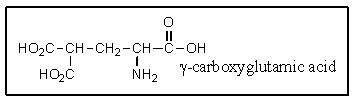
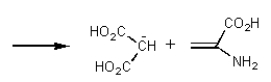
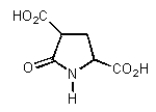
It was not until 1974 that γ\gamma -carboxyglutamic acid (shown below) was discovered (by researchers at the University of Colorado) in polypeptides.Based on your knowledge of organic chemistry,what is the most likely reason that this particular amino acid escaped identification so long?  It was not until 1974 that  \gamma -carboxyglutamic acid (shown below) was discovered (by researchers at the University of Colorado) in polypeptides.Based on your knowledge of organic chemistry,what is the most likely reason that this particular amino acid escaped identification so long?   A)  It tended to spontaneously form a cyclic anhydride:   B)  It tended to spontaneously lose carbon dioxide:   C)  It easily underwent a reverse-Knovenagle reaction:   D)  It tended to spontaneously form a cyclic amide (lactam) :   E)  It was simply too polar to extract into non-polar organic solvents.
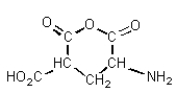


A) It tended to spontaneously form a cyclic anhydride:
 It was not until 1974 that  \gamma -carboxyglutamic acid (shown below) was discovered (by researchers at the University of Colorado) in polypeptides.Based on your knowledge of organic chemistry,what is the most likely reason that this particular amino acid escaped identification so long?   A)  It tended to spontaneously form a cyclic anhydride:   B)  It tended to spontaneously lose carbon dioxide:   C)  It easily underwent a reverse-Knovenagle reaction:   D)  It tended to spontaneously form a cyclic amide (lactam) :   E)  It was simply too polar to extract into non-polar organic solvents.
B) It tended to spontaneously lose carbon dioxide:
 It was not until 1974 that  \gamma -carboxyglutamic acid (shown below) was discovered (by researchers at the University of Colorado) in polypeptides.Based on your knowledge of organic chemistry,what is the most likely reason that this particular amino acid escaped identification so long?   A)  It tended to spontaneously form a cyclic anhydride:   B)  It tended to spontaneously lose carbon dioxide:   C)  It easily underwent a reverse-Knovenagle reaction:   D)  It tended to spontaneously form a cyclic amide (lactam) :   E)  It was simply too polar to extract into non-polar organic solvents.
C) It easily underwent a reverse-Knovenagle reaction:
 It was not until 1974 that  \gamma -carboxyglutamic acid (shown below) was discovered (by researchers at the University of Colorado) in polypeptides.Based on your knowledge of organic chemistry,what is the most likely reason that this particular amino acid escaped identification so long?   A)  It tended to spontaneously form a cyclic anhydride:   B)  It tended to spontaneously lose carbon dioxide:   C)  It easily underwent a reverse-Knovenagle reaction:   D)  It tended to spontaneously form a cyclic amide (lactam) :   E)  It was simply too polar to extract into non-polar organic solvents.
D) It tended to spontaneously form a cyclic amide (lactam) :
 It was not until 1974 that  \gamma -carboxyglutamic acid (shown below) was discovered (by researchers at the University of Colorado) in polypeptides.Based on your knowledge of organic chemistry,what is the most likely reason that this particular amino acid escaped identification so long?   A)  It tended to spontaneously form a cyclic anhydride:   B)  It tended to spontaneously lose carbon dioxide:   C)  It easily underwent a reverse-Knovenagle reaction:   D)  It tended to spontaneously form a cyclic amide (lactam) :   E)  It was simply too polar to extract into non-polar organic solvents.
E) It was simply too polar to extract into non-polar organic solvents.

Correct Answer:

verifed

Verified

Unlock this answer now
Get Access to more Verified Answers free of charge

Related Questions

Unlock this Answer For Free Now!

View this answer and more for free by performing one of the following actions

qr-code

Scan the QR code to install the App and get 2 free unlocks

upload documents

Unlock quizzes for free by uploading documents