The Ames test is used to test the mutagenicity of a compound suspected to be a carcinogen. In a simple form of the test, the carcinogen is first mixed with a rat liver extract. A disc of filter paper is soaked with this mixture and placed on a culture of a strain of Salmonella typhimurium that is defective in a gene involved in the synthesis of histidine, an amino acid that is essential for cell growth and proliferation. The strain is thus normally unable to grow into visible colonies when the histidine in the culture medium is depleted. In the presence of a mutagen, however, mutations (often "reverse mutations" in the same gene) can enable the bacteria to produce histidine on their own, and therefore grow into colonies. The results of the Ames test for three compounds A, B, and C-each used at the same concentration-are shown in the schematic diagram below. Colonies are indicated with black dots, and the disc is indicated with a white circle at the center of each plate. Which compound (A to C) appears to be a stronger mutagen in this assay? Write down A, B, or C as your answer.
A) 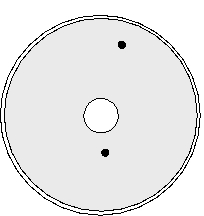
B) 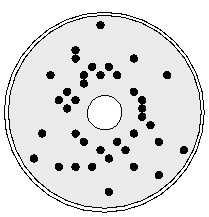
C) 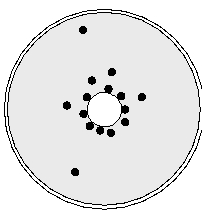
Correct Answer:

Verified
Q40: Indicate true (T) and false (F) statements
Q41: Once the molecular aberrations in a cancer
Q42: Indicate whether each of the following descriptions
Q43: Indicate whether each of the following viruses
Q44: Indicate true (T) and false (F) statements
Q46: Most DNA tumor viruses inhibit the products
Q47: You are studying the rising incidence of
Q48: Carcinoma of the uterine cervix in humans
Q49: PARP inhibitors can efficiently kill many breast
Q50: Which of the molecules (A or B)
Unlock this Answer For Free Now!
View this answer and more for free by performing one of the following actions

Scan the QR code to install the App and get 2 free unlocks

Unlock quizzes for free by uploading documents