A 1-week-old neonate is brought to the office due to a rash on his back and bilateral groin areas. The patient's mother first noticed it this morning as she was changing him; he seems to be doing well otherwise. He is breastfed every 2 hours and produces 8 wet diapers and 6 stools a day. There has been no fever. The patient sleeps most of the day and night in his crib, swaddled in a fleece blanket. Since birth, he has been using the same shampoo and bath soap and has been wearing the same brand of onesies underneath his pajamas. Other than vitamin D drops, the patient takes no medications. Temperature is 36.9 C (98.4 F) , pulse is 115/min, and respirations are 45/min. On examination, he is awake, alert, and in no distress. Skin examination of the back is shown in the exhibit. 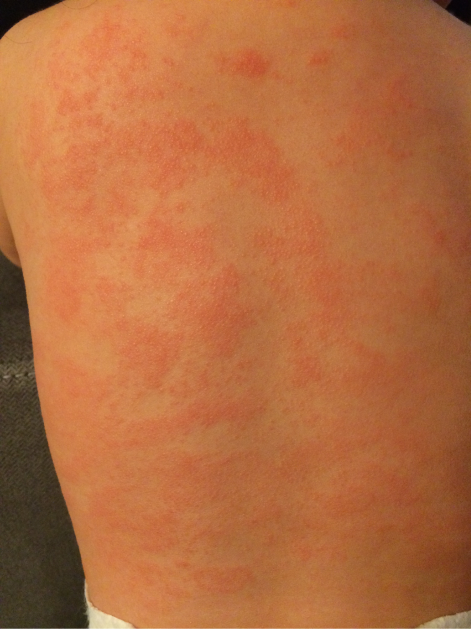 The bilateral groin areas reveal similar lesions. The remainder of the examination is unremarkable. Which of the following is the most appropriate next step in management of this patient's rash?
A) Apply high-potency topical corticosteroid
B) Apply topical antihistamine
C) Apply topical nystatin
D) Avoid overbundling and switch to thin, cotton clothing
E) Reassure and recommend no additional changes
Correct Answer:

Verified
Q320: A 1-month-old boy is brought to the
Q321: A 6-month-old boy is brought to the
Q322: A 1-hour-old boy is evaluated in the
Q323: A 4-year-old girl is brought to the
Q324: A 17-year-old girl comes to the office
Q326: A 16-year-old girl comes to the clinic
Q327: An 18-month-old girl is brought to the
Q328: An 8-year-old previously healthy girl is brought
Q329: A 17-year-old girl is brought to the
Q330: A 12-year-old boy is brought to the
Unlock this Answer For Free Now!
View this answer and more for free by performing one of the following actions

Scan the QR code to install the App and get 2 free unlocks

Unlock quizzes for free by uploading documents