A 34-year-old man comes to the physician because of foul-smelling diarrhea, fatigue, and bloating for 6 months. During this time, he has had a 5-kg (11-lb) weight loss without a change in diet. He has type 1 diabetes mellitus that is well-controlled with insulin. Examination shows conjunctival pallor and inflammation of the corners of the mouth. The abdomen is soft, and there is diffuse tenderness to palpation with no guarding or rebound. Rectal examination reveals brown stool that is negative for fecal occult blood. Laboratory results are as follows: 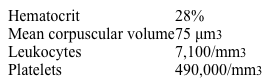 C-reactive protein level is normal. Which of the following pathologic gastrointestinal tract findings is most likely to be present in this patient?
A) Atrophic mucosa with loss of villi of the small intestine
B) Autoimmune destruction of gastric parietal cells
C) Chronic inflammation within the colonic mucosa and submucosa
D) Giardia trophozoites lining the small intestinal mucosa
E) Subepithelial collagen deposition in the colon
Correct Answer:

Verified
Q774: A 57-year-old woman comes to the physician
Q775: A 60-year-old woman is being evaluated for
Q776: After being involved in a street altercation,
Q777: A 52-year-old woman comes to the emergency
Q778: A 63-year-old man comes to the physician
Q780: A 68-year-old woman comes to the physician
Q781: A 7-year-old girl is brought to the
Q782: A 34-year-old man comes to the physician
Q783: A 35-year-old pregnant woman at 8 weeks
Q784: A 17-year-old boy is brought to the
Unlock this Answer For Free Now!
View this answer and more for free by performing one of the following actions

Scan the QR code to install the App and get 2 free unlocks

Unlock quizzes for free by uploading documents