Researchers develop a novel glycopeptide antibiotic similar to vancomycin(Hydrophilic drug) that is bactericidal against many Gram-positive bacteria. From animal studies, they determine that the effective drug dosage is 5 mg/kg/day administered intravenously in divided doses. In a clinical trial, the antibiotic is administered to adult and neonatal patients with gram-positive infections. The drug is found to be effective in adults but not in neonates. During further analysis, plasma concentrations of the drug are measured in both groups, with the results shown in the image below: 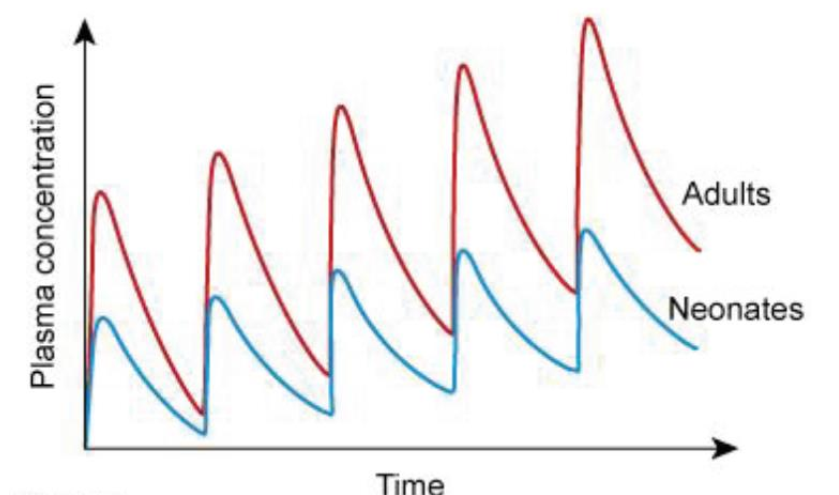 Compared to adults, which of the following neonatal factors is the most likely cause of the difference in drug effectiveness?
A) Decreased CTY450 activity
B) Decreased renal blood flow
C) Elevated Plasma protein levels
D) High body water content
Correct Answer:

Verified
Q77: A 49-year-old man with diabetes mellitus takes
Q78: An 80-year-old male nursing home resident is
Q79: A 44-year-old black male is brought to
Q80: Regarding the use of a daily baby
Q81: When comparing the administration of local anesthesia
Q82: Drug A and Drug B are of
Q83: A new vasopressor in development, Drug X,
Q84: Healthy adult volunteers are enrolled in a
Q85: A large, multinational drug corporation conducts a
Q86: Researchers are developing a new glycopeptide antibiotic
Unlock this Answer For Free Now!
View this answer and more for free by performing one of the following actions

Scan the QR code to install the App and get 2 free unlocks

Unlock quizzes for free by uploading documents