







 تكلم مع الذكاء الاصطناعي


Integrated Advertising, Promotion and Marketing Communications 5th Edition by Kenneth Clow,Donald Baack
النسخة 5الرقم المعياري الدولي: 978-0132538961Integrated Advertising, Promotion and Marketing Communications 5th Edition by Kenneth Clow,Donald Baack
النسخة 5الرقم المعياري الدولي: 978-0132538961 تمرين 2
NIKE S DILEMMA
The sport of golf has a long, storied tradition. Originating in Scotland, the game requires concentration, hand-eye coordination, stamina, and often at least a small level of wealth. The average golfing enthusiast tends to have an income higher than the average in a geographic area.
The first decade of the new millennium indicated conflicting opinions about the sport. On the one hand, the number of new golf courses grew by nearly 500 per year for much of the decade. Television ratings for some golf tournaments rose. Most analysts would agree that the emergence of Tiger Woods onto the national stage affected both of these trends.
At the same time, contradictory viewpoints about the popularity of golf could be found. Jim Kass, the research director of the National Golf Foundation, an industry group, said that a gradual but prolonged slump in golf defies the adage, "Once a golfer, always a golfer."
Kass noted that about 3 million golfers quit playing each year. A lower number takes up the sport. Kass commented, "The man in the street will tell you that golf is booming because he sees Tiger Woods on TV." Mr. Kass said, "But we track the reality. The reality is, while we haven't exactly tanked, the numbers have been disappointing for some time."
The major competitors in the golf ball manufacturing market are:
• Bridgestone
• Callaway
• TaylorMade
• Top-Flite
• Maxfli
• Titleist
• Nike
Titleist remains the dominant force in golf ball manufacturing, for years holding a greater than 30 percent market. The Titleist Pro V1 and Pro V1x balls were viewed by many golfers as the best in the industry.
Nike had begun to make some in-roads when Woods began using its golf balls full time in 2000. The company only held a 1 percent share in 1999, but that amount had increased to 12 percent by late 2001. The steady growth of the brand faced substantial challenges by the end of the decade.
First, a major recession decreased the number of people willing to spend substantial amounts of money to play. In general, monies spent on leisure time activities were reduced, as households watched budgets more carefully.
Then, in late 2009, the Tiger Woods scandals began. Woods, who had carefully crafted an image as a family man and true professional, suddenly became tabloid fodder, as a series of women came forward claiming that they had extramarital affairs with the golfing legend.
Many companies quickly dropped Woods as an endorser or spokesperson. It was feared that the damage to his image would spread and taint the names and reputations of various companies. Nike was by far the most threatened by this turn of events. Woods was closely associated with the company, wearing the Nike swoosh on his golf cap in every tournament.
Some analysts believed that following his return to the sport after a leave of absence golf would attract a wide audience of viewers enticed by the scandal. The situation became more complex when Nike released the "Have You Learned Anything " commercial in which the voice of Wood's father questioned some of his actions. Some viewed the ads as "compelling"; others just called it "creepy." Analysts believed that some fans, especially females, would turn away in wide numbers. Without question, the marketing team at Nike had major challenges to overcome as the new decade was to unfold.
1. Assess the impact of the Tiger Woods scandal on Nike's image and the Nike brand.
2. At the time of the scandal, should Titleist have attempted to take advantage of Nike's misfortune If so, how If not, why not What about the other competitors in the marketplace
3. Should Nike try to develop new brands to accompany the Crush, ONE, Power Distance, Hole in One, and Juice Plus 312 balls If so, what kinds of brands should be introduced
4. Was the "Have You Learned Anything " commercial an effective approach by Nike Why or why not
5. Assess the popularity of golf in general. Is the sport declining If so, why Is the image of golfers partly to blame If the sport is growing, what has led to the growth Compare the popularity of golf to baseball, basketball, football, and soccer. How does image play a role in each
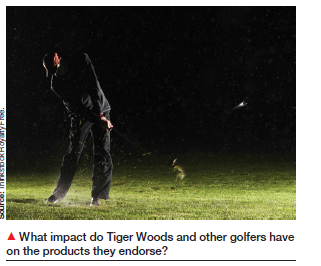
The sport of golf has a long, storied tradition. Originating in Scotland, the game requires concentration, hand-eye coordination, stamina, and often at least a small level of wealth. The average golfing enthusiast tends to have an income higher than the average in a geographic area.
The first decade of the new millennium indicated conflicting opinions about the sport. On the one hand, the number of new golf courses grew by nearly 500 per year for much of the decade. Television ratings for some golf tournaments rose. Most analysts would agree that the emergence of Tiger Woods onto the national stage affected both of these trends.
At the same time, contradictory viewpoints about the popularity of golf could be found. Jim Kass, the research director of the National Golf Foundation, an industry group, said that a gradual but prolonged slump in golf defies the adage, "Once a golfer, always a golfer."
Kass noted that about 3 million golfers quit playing each year. A lower number takes up the sport. Kass commented, "The man in the street will tell you that golf is booming because he sees Tiger Woods on TV." Mr. Kass said, "But we track the reality. The reality is, while we haven't exactly tanked, the numbers have been disappointing for some time."
The major competitors in the golf ball manufacturing market are:
• Bridgestone
• Callaway
• TaylorMade
• Top-Flite
• Maxfli
• Titleist
• Nike
Titleist remains the dominant force in golf ball manufacturing, for years holding a greater than 30 percent market. The Titleist Pro V1 and Pro V1x balls were viewed by many golfers as the best in the industry.
Nike had begun to make some in-roads when Woods began using its golf balls full time in 2000. The company only held a 1 percent share in 1999, but that amount had increased to 12 percent by late 2001. The steady growth of the brand faced substantial challenges by the end of the decade.
First, a major recession decreased the number of people willing to spend substantial amounts of money to play. In general, monies spent on leisure time activities were reduced, as households watched budgets more carefully.
Then, in late 2009, the Tiger Woods scandals began. Woods, who had carefully crafted an image as a family man and true professional, suddenly became tabloid fodder, as a series of women came forward claiming that they had extramarital affairs with the golfing legend.
Many companies quickly dropped Woods as an endorser or spokesperson. It was feared that the damage to his image would spread and taint the names and reputations of various companies. Nike was by far the most threatened by this turn of events. Woods was closely associated with the company, wearing the Nike swoosh on his golf cap in every tournament.
Some analysts believed that following his return to the sport after a leave of absence golf would attract a wide audience of viewers enticed by the scandal. The situation became more complex when Nike released the "Have You Learned Anything " commercial in which the voice of Wood's father questioned some of his actions. Some viewed the ads as "compelling"; others just called it "creepy." Analysts believed that some fans, especially females, would turn away in wide numbers. Without question, the marketing team at Nike had major challenges to overcome as the new decade was to unfold.
1. Assess the impact of the Tiger Woods scandal on Nike's image and the Nike brand.
2. At the time of the scandal, should Titleist have attempted to take advantage of Nike's misfortune If so, how If not, why not What about the other competitors in the marketplace
3. Should Nike try to develop new brands to accompany the Crush, ONE, Power Distance, Hole in One, and Juice Plus 312 balls If so, what kinds of brands should be introduced
4. Was the "Have You Learned Anything " commercial an effective approach by Nike Why or why not
5. Assess the popularity of golf in general. Is the sport declining If so, why Is the image of golfers partly to blame If the sport is growing, what has led to the growth Compare the popularity of golf to baseball, basketball, football, and soccer. How does image play a role in each
التوضيح موثّق
موثّق
موثّق
The consumer started associating company...

Integrated Advertising, Promotion and Marketing Communications 5th Edition by Kenneth Clow,Donald Baack

لماذا لم يعجبك هذا التمرين؟
أخرى 8 أحرف كحد أدنى و 255 حرفاً كحد أقصى
حرف 255






