







 تكلم مع الذكاء الاصطناعي


Integrated Advertising, Promotion and Marketing Communications 5th Edition by Kenneth Clow,Donald Baack
النسخة 5الرقم المعياري الدولي: 978-0132538961Integrated Advertising, Promotion and Marketing Communications 5th Edition by Kenneth Clow,Donald Baack
النسخة 5الرقم المعياري الدولي: 978-0132538961 تمرين 40
Assessing Smart Choices
One continuing trend in the United States is an interest in the content of food products. Many consumers want to buy foods that promote good health and nutrition. One recent effort that generated a substantial amount of controversy was the Smart Choices Program, which was created by the nonprofit American Society of Nutrition. Ten large food manufacturers enrolled in the program, including Kellogg's and Kraft.
Under the system, a food product had to meet a specific set of guidelines to qualify for the Smart Choices endorsement. The system was based on the federal Dietary Guidelines for Americans developed by a conglomerate of food industry leaders, academics, nutritionists, and public interest organizations. Accepted products received permission to print a front-of-package or front-of-box label, in the form of a large green checkmark, with the phrase "Smart Choices Program and Guiding Food Choices" underneath. The logo clearly suggested an endorsement of a nutritional program, and many critics believed consumers would interpret the label as carrying a governmental stamp of approval.
Any company wishing to place the Smart Choices label and logo was required to pay up to $100,000 per year for the right to do so. Quickly, manufacturers of a series of foods, including sugary cereals, snacks, and sandwich spreads, paid the money. Among the products that featured the endorsement were Fruit Loops, Kid Cuisine Cheeseburgers, Teddy Grahams, and Kraft Macaroni and Cheese. And as one industry observed noted, the more products receiving the label, the greater the amount of money the American Society of Nutrition was able to collect from a food producer.
It did not take long for the reactions to grow strong. Following a CBS Evening News report and other exposures in various media, companies began to withdraw support for the Smart Choices Program logo. Charges were raised that conflicts of interest could not be avoided using the system as it had been implemented. The Food and Drug Administration (FDA) issued a Guidance for Industry letter in October of 2010. The agency announced that it would analyze food labels with the intent of identifying any that might be misleading. The FDA also announced it would develop a universal front-of-packaging labeling system that all food manufacturers must follow. The FDA did not name the Smart Choices Program specifically in the letter, but the program subsequently decided to suspend the use of the logo.
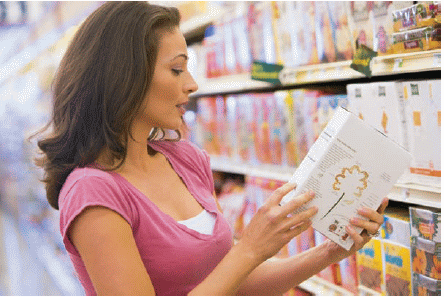
The Smart Choice endorsement suggests a nutritional healthy product.
The Friedman Sprout , which is the official student newspaper for the Friedman School for Nutrition Science and Policy, published an article wondering if the school's reputation had been damaged by the involvement of the school's dean with The American Society of Nutrition.
The American Society of Nutrition continues operations. Its chief officer remains with the organization. The organization has announced intentions to follow new FDA guidelines for labels on packages and to become re-involved with the food manufacturers that had originally participated in the program.28
Why would the FDA become involved in this situation What legal standard might have been violated
What actions could the FDA have taken beyond writing a Guidance for Industry letter
Do you believe the American Society of Nutrition violated any ethical standards If so, which ones
Do you believe the food manufacturers that sold sugary cereals and junk food carrying the Smart Choices Program label violated any ethical standards If so, which ones Explain.
Should the food manufacturers continue associating with the American Society of Nutrition Why or why not
Do you believe the dean of the School for Nutrition Science and Policy violated any ethical standards If so, which ones Explain.
One continuing trend in the United States is an interest in the content of food products. Many consumers want to buy foods that promote good health and nutrition. One recent effort that generated a substantial amount of controversy was the Smart Choices Program, which was created by the nonprofit American Society of Nutrition. Ten large food manufacturers enrolled in the program, including Kellogg's and Kraft.
Under the system, a food product had to meet a specific set of guidelines to qualify for the Smart Choices endorsement. The system was based on the federal Dietary Guidelines for Americans developed by a conglomerate of food industry leaders, academics, nutritionists, and public interest organizations. Accepted products received permission to print a front-of-package or front-of-box label, in the form of a large green checkmark, with the phrase "Smart Choices Program and Guiding Food Choices" underneath. The logo clearly suggested an endorsement of a nutritional program, and many critics believed consumers would interpret the label as carrying a governmental stamp of approval.
Any company wishing to place the Smart Choices label and logo was required to pay up to $100,000 per year for the right to do so. Quickly, manufacturers of a series of foods, including sugary cereals, snacks, and sandwich spreads, paid the money. Among the products that featured the endorsement were Fruit Loops, Kid Cuisine Cheeseburgers, Teddy Grahams, and Kraft Macaroni and Cheese. And as one industry observed noted, the more products receiving the label, the greater the amount of money the American Society of Nutrition was able to collect from a food producer.
It did not take long for the reactions to grow strong. Following a CBS Evening News report and other exposures in various media, companies began to withdraw support for the Smart Choices Program logo. Charges were raised that conflicts of interest could not be avoided using the system as it had been implemented. The Food and Drug Administration (FDA) issued a Guidance for Industry letter in October of 2010. The agency announced that it would analyze food labels with the intent of identifying any that might be misleading. The FDA also announced it would develop a universal front-of-packaging labeling system that all food manufacturers must follow. The FDA did not name the Smart Choices Program specifically in the letter, but the program subsequently decided to suspend the use of the logo.
The Smart Choice endorsement suggests a nutritional healthy product.
The Friedman Sprout , which is the official student newspaper for the Friedman School for Nutrition Science and Policy, published an article wondering if the school's reputation had been damaged by the involvement of the school's dean with The American Society of Nutrition.
The American Society of Nutrition continues operations. Its chief officer remains with the organization. The organization has announced intentions to follow new FDA guidelines for labels on packages and to become re-involved with the food manufacturers that had originally participated in the program.28
Why would the FDA become involved in this situation What legal standard might have been violated
What actions could the FDA have taken beyond writing a Guidance for Industry letter
Do you believe the American Society of Nutrition violated any ethical standards If so, which ones
Do you believe the food manufacturers that sold sugary cereals and junk food carrying the Smart Choices Program label violated any ethical standards If so, which ones Explain.
Should the food manufacturers continue associating with the American Society of Nutrition Why or why not
Do you believe the dean of the School for Nutrition Science and Policy violated any ethical standards If so, which ones Explain.
التوضيح موثّق
موثّق
موثّق
1) The Food and Drug Administration, is ...

Integrated Advertising, Promotion and Marketing Communications 5th Edition by Kenneth Clow,Donald Baack

لماذا لم يعجبك هذا التمرين؟
أخرى 8 أحرف كحد أدنى و 255 حرفاً كحد أقصى
حرف 255






