







 Chat with AI

Deck 1: Essentials of Anatomy and Physiology for Nursing Practice
Full screen (f)

Question

Question
Question
Question
Question
Question
Question
Question
Question
Question
Question
Question
Question
Question
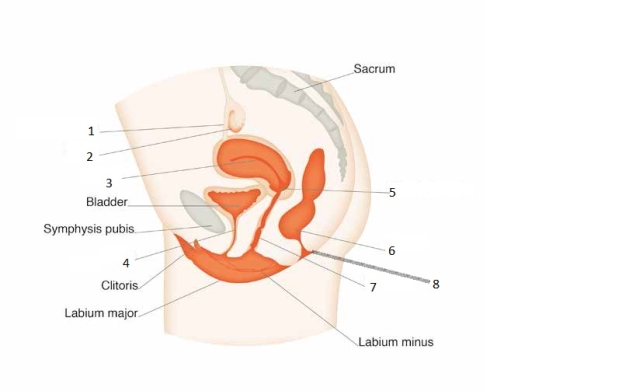
Match the numbers on the diagram of the female pelvic region to the correct organs and structures
-
-
Question
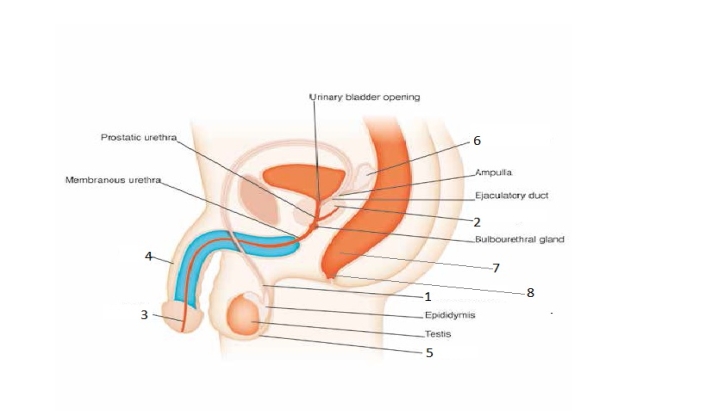
Match the numbers on the diagram of the male pelvic region to the correct organs and structures
-
-
Question
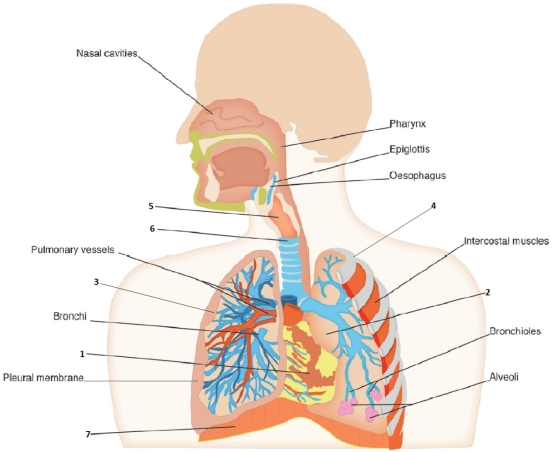
Match the numbers on the diagram of the respiratory system to the correct organs and structures
-
-
Question
Question
Question
Question
Question
Question
Question
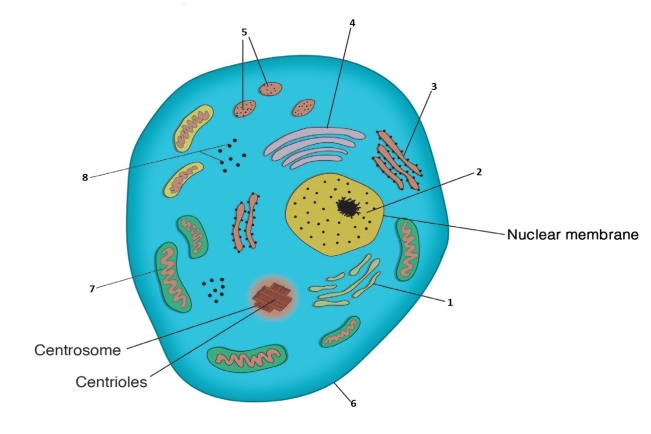
Match the names of each of the structures to the correct number on the diagram of the cell
-
-
Question
Question
Question
Question
Question
Question
Question
Question
Question
Question
Question
Question
Question
Question
Question
Question
Question
Question
Question
Question
Question
Question
Question
Question
Question
Question
Question
Question
Question
Question
Question
Question
Question
Question
Question
Question
Question
Question
Question
Question
Question
Question
Question
Question
Question
Question
Question
Question
Question
Question
Question
Question
Question
Question
Question
Question
Question

Unlock Deck
Sign up to unlock the cards in this deck!
Unlock Deck
Unlock Deck
1/104

Play

Full screen (f)
Deck 1: Essentials of Anatomy and Physiology for Nursing Practice
1
Match the following
-Substances entering the cell
A) Steady temperature; pH between 7.35 and 7.45; electrolyte balance
B) Oxygen; substances for building complex molecules; substances which act as energy sources
C) Ammonia; carbon dioxide
-Substances entering the cell
A) Steady temperature; pH between 7.35 and 7.45; electrolyte balance
B) Oxygen; substances for building complex molecules; substances which act as energy sources
C) Ammonia; carbon dioxide
B
2
Match the following
-Waste products leaving the cell
A) Steady temperature; pH between 7.35 and 7.45; electrolyte balance
B) Oxygen; substances for building complex molecules; substances which act as energy sources
C) Ammonia; carbon dioxide
-Waste products leaving the cell
A) Steady temperature; pH between 7.35 and 7.45; electrolyte balance
B) Oxygen; substances for building complex molecules; substances which act as energy sources
C) Ammonia; carbon dioxide
C
3
Match the following
-Conditions which allow life to continue
A) Steady temperature; pH between 7.35 and 7.45; electrolyte balance
B) Oxygen; substances for building complex molecules; substances which act as energy sources
C) Ammonia; carbon dioxide
-Conditions which allow life to continue
A) Steady temperature; pH between 7.35 and 7.45; electrolyte balance
B) Oxygen; substances for building complex molecules; substances which act as energy sources
C) Ammonia; carbon dioxide
A
4
Which of the following terms is used to describe the breakdown of complex molecules into simpler ones?
A) Anabolism
B) Synthesis
C) Homeostasis
D) Catabolism
A) Anabolism
B) Synthesis
C) Homeostasis
D) Catabolism
Unlock Deck
Unlock for access to all 104 flashcards in this deck.
Unlock Deck
k this deck
5
Is the following statement true or false? 'The basic building blocks of proteins are phospholipids'
Unlock Deck
Unlock for access to all 104 flashcards in this deck.
Unlock Deck
k this deck
6
What term is used to describe the metabolic mechanism whereby complex molecules are manufactured from simpler molecules?
Unlock Deck
Unlock for access to all 104 flashcards in this deck.
Unlock Deck
k this deck
7
Which of the following applies to a compound that is a sugar?
A) Because it is a sugar it can also be called a carbohydrate
B) It contains peptide bonds
C) It is a major component of the structural units of cells
D) All of the above are true
A) Because it is a sugar it can also be called a carbohydrate
B) It contains peptide bonds
C) It is a major component of the structural units of cells
D) All of the above are true
Unlock Deck
Unlock for access to all 104 flashcards in this deck.
Unlock Deck
k this deck
8
Which of the following molecules is the primary energy store in living cells?
A) DNA
B) RNA
C) Cyclic AMP
D) ATP
A) DNA
B) RNA
C) Cyclic AMP
D) ATP
Unlock Deck
Unlock for access to all 104 flashcards in this deck.
Unlock Deck
k this deck
9
What term is used to describe the maintenance of a constant internal environment in the cell or body?
A) Homeostasis
B) Equilibrium
C) pH balance
D) Oxidative phosphorylation
A) Homeostasis
B) Equilibrium
C) pH balance
D) Oxidative phosphorylation
Unlock Deck
Unlock for access to all 104 flashcards in this deck.
Unlock Deck
k this deck
10
Which of the following pH ranges best matches the pH range found in the majority of body fluids?
A) 7.8-8.0
B) 7.15-7.65
C) 7.2-7.5
D) 7.35-7.45
A) 7.8-8.0
B) 7.15-7.65
C) 7.2-7.5
D) 7.35-7.45
Unlock Deck
Unlock for access to all 104 flashcards in this deck.
Unlock Deck
k this deck
11
Which of the following lists the correct sequence of levels forming the structural hierarchy of the body?
A) Organ, organ system, cellular, tissue, organism
B) Chemical, cellular, tissue, organism, organ, organ system
C) Chemical, cellular, tissue, organ, organ system, organism
D) Organism, organ system, organ, tissue, cellular, chemical
A) Organ, organ system, cellular, tissue, organism
B) Chemical, cellular, tissue, organism, organ, organ system
C) Chemical, cellular, tissue, organ, organ system, organism
D) Organism, organ system, organ, tissue, cellular, chemical
Unlock Deck
Unlock for access to all 104 flashcards in this deck.
Unlock Deck
k this deck
12
Which of the following groups of organs are found in the abdominopelvic cavity?
A) Spinal cord, lungs, liver
B) Liver, stomach, heart
C) Brain, spinal cord, liver
D) Gallbladder, stomach, small intestine
A) Spinal cord, lungs, liver
B) Liver, stomach, heart
C) Brain, spinal cord, liver
D) Gallbladder, stomach, small intestine
Unlock Deck
Unlock for access to all 104 flashcards in this deck.
Unlock Deck
k this deck
13
What does the term proximal mean when applied to an organ?
A) The organ is nearer the front of the body
B) The organ is nearer to the point of attachment of a limb, or origin of a body part
C) The organ is further from the point of attachment of a limb, or origin of a body part
D) The organ is nearer to the mid-line
A) The organ is nearer the front of the body
B) The organ is nearer to the point of attachment of a limb, or origin of a body part
C) The organ is further from the point of attachment of a limb, or origin of a body part
D) The organ is nearer to the mid-line
Unlock Deck
Unlock for access to all 104 flashcards in this deck.
Unlock Deck
k this deck
14
Match the numbers on the diagram of the female pelvic region to the correct organs and structures
-
-
Unlock Deck
Unlock for access to all 104 flashcards in this deck.
Unlock Deck
k this deck
15
Match the numbers on the diagram of the male pelvic region to the correct organs and structures
-
-
Unlock Deck
Unlock for access to all 104 flashcards in this deck.
Unlock Deck
k this deck
16
Match the numbers on the diagram of the respiratory system to the correct organs and structures
-
-
Unlock Deck
Unlock for access to all 104 flashcards in this deck.
Unlock Deck
k this deck
17
Which of the following organelles of a cell increase the surface area to facilitate absorption of extracellular materials?
A) Endoplasmic reticulum
B) Cilia
C) Microvilli
D) Lysosomes
A) Endoplasmic reticulum
B) Cilia
C) Microvilli
D) Lysosomes
Unlock Deck
Unlock for access to all 104 flashcards in this deck.
Unlock Deck
k this deck
18
What would be the result if a cell lacked ribosomes?
A) It would be unable to move
B) It would be unable to synthesise proteins
C) It would be unable to synthesise DNA
D) It would be unable to metabolise sugars
E) It would be unable to divide
A) It would be unable to move
B) It would be unable to synthesise proteins
C) It would be unable to synthesise DNA
D) It would be unable to metabolise sugars
E) It would be unable to divide
Unlock Deck
Unlock for access to all 104 flashcards in this deck.
Unlock Deck
k this deck
19
Which compounds (1) form the inherited genetic material inside each cell and (2) relay instructions from the genes to guide protein synthesis?
A) DNA and RNA
B) DNA and ATP
C) RNA and ATP
D) ADP and ATP
A) DNA and RNA
B) DNA and ATP
C) RNA and ATP
D) ADP and ATP
Unlock Deck
Unlock for access to all 104 flashcards in this deck.
Unlock Deck
k this deck
20
Which cell organelle is the main location for the production of useable energy in the form of ATP?
A) Ribosome
B) Rough endoplasmic reticulum
C) Smooth endoplasmic reticulum
D) Golgi apparatus
E) Mitochondrion
A) Ribosome
B) Rough endoplasmic reticulum
C) Smooth endoplasmic reticulum
D) Golgi apparatus
E) Mitochondrion
Unlock Deck
Unlock for access to all 104 flashcards in this deck.
Unlock Deck
k this deck
21
Which cell organelle contains enzymes that destroy invading microbes or other harmful substances?
A) Mitochondrion
B) Ribosome
C) Centriole
D) Lysosome
A) Mitochondrion
B) Ribosome
C) Centriole
D) Lysosome
Unlock Deck
Unlock for access to all 104 flashcards in this deck.
Unlock Deck
k this deck
22
Proteins are packaged for export in the secretory granules
Unlock Deck
Unlock for access to all 104 flashcards in this deck.
Unlock Deck
k this deck
23
Match the names of each of the structures to the correct number on the diagram of the cell
-
-
Unlock Deck
Unlock for access to all 104 flashcards in this deck.
Unlock Deck
k this deck
24
Consider a feedback loop where the stimulus is an increase in blood sugar. If the feedback loop is a negative feedback loop, what would be the result of such a stimulus?
A) Increase in blood sugar levels
B) Decrease in blood sugar levels
C) Initial increase in blood sugar levels, followed by a decrease
D) Initial decrease in blood sugar levels, followed by an increase
A) Increase in blood sugar levels
B) Decrease in blood sugar levels
C) Initial increase in blood sugar levels, followed by a decrease
D) Initial decrease in blood sugar levels, followed by an increase
Unlock Deck
Unlock for access to all 104 flashcards in this deck.
Unlock Deck
k this deck
25
What is the term used to describe the maintenance of a constant internal environment?
Unlock Deck
Unlock for access to all 104 flashcards in this deck.
Unlock Deck
k this deck
26
What is result of the initial stimulus in a positive feedback loop?
A) The stimulus is suppressed
B) The stimulus is switched off
C) There is no effect on the stimulus
D) The stimulus is amplified or exaggerated
A) The stimulus is suppressed
B) The stimulus is switched off
C) There is no effect on the stimulus
D) The stimulus is amplified or exaggerated
Unlock Deck
Unlock for access to all 104 flashcards in this deck.
Unlock Deck
k this deck
27
In systems controlled by negative feedback, the effector response returns the level of the stimulus towards its original level
Unlock Deck
Unlock for access to all 104 flashcards in this deck.
Unlock Deck
k this deck
28
Which of the following lists the correct sequence of messaging between the components of a control system?
A) Control centre, receptors, effectors
B) Receptors, control centre, effectors
C) Receptors, effectors, control system
D) Effectors, control system, receptors
A) Control centre, receptors, effectors
B) Receptors, control centre, effectors
C) Receptors, effectors, control system
D) Effectors, control system, receptors
Unlock Deck
Unlock for access to all 104 flashcards in this deck.
Unlock Deck
k this deck
29
Which of the following apply to the control centre?
A) It sets the limits for a specific variable
B) It integrates the information received with other information
C) It sends instructions to change the action of the effector
D) a. and c. above only
E) a., b. and c. above
A) It sets the limits for a specific variable
B) It integrates the information received with other information
C) It sends instructions to change the action of the effector
D) a. and c. above only
E) a., b. and c. above
Unlock Deck
Unlock for access to all 104 flashcards in this deck.
Unlock Deck
k this deck
30
Receptors and ______ communicate with the control centre to form a feedback system that regulates various internal conditions
Unlock Deck
Unlock for access to all 104 flashcards in this deck.
Unlock Deck
k this deck
31
Carbohydrates are broken down into their component parts by the process of anabolism
Unlock Deck
Unlock for access to all 104 flashcards in this deck.
Unlock Deck
k this deck
32
Match the following descriptions with the correct body system
-The system that processes sensory information
A) Urinary/renal
B) Integumentary
C) Digestive
D) Cardiovascular
E) Nervous
-The system that processes sensory information
A) Urinary/renal
B) Integumentary
C) Digestive
D) Cardiovascular
E) Nervous
Unlock Deck
Unlock for access to all 104 flashcards in this deck.
Unlock Deck
k this deck
33
Match the following descriptions with the correct body system
-The system that delivers nutrients to body tissues
A) Urinary/renal
B) Integumentary
C) Digestive
D) Cardiovascular
E) Nervous
-The system that delivers nutrients to body tissues
A) Urinary/renal
B) Integumentary
C) Digestive
D) Cardiovascular
E) Nervous
Unlock Deck
Unlock for access to all 104 flashcards in this deck.
Unlock Deck
k this deck
34
Match the following descriptions with the correct body system
-The system that breaks down and absorbs food
A) Urinary/renal
B) Integumentary
C) Digestive
D) Cardiovascular
E) Nervous
-The system that breaks down and absorbs food
A) Urinary/renal
B) Integumentary
C) Digestive
D) Cardiovascular
E) Nervous
Unlock Deck
Unlock for access to all 104 flashcards in this deck.
Unlock Deck
k this deck
35
Match the following descriptions with the correct body system
-The system that includes the fingernails
A) Urinary/renal
B) Integumentary
C) Digestive
D) Cardiovascular
E) Nervous
-The system that includes the fingernails
A) Urinary/renal
B) Integumentary
C) Digestive
D) Cardiovascular
E) Nervous
Unlock Deck
Unlock for access to all 104 flashcards in this deck.
Unlock Deck
k this deck
36
Match the following descriptions with the correct body system
-The system that includes the bladder
A) Urinary/renal
B) Integumentary
C) Digestive
D) Cardiovascular
E) Nervous
-The system that includes the bladder
A) Urinary/renal
B) Integumentary
C) Digestive
D) Cardiovascular
E) Nervous
Unlock Deck
Unlock for access to all 104 flashcards in this deck.
Unlock Deck
k this deck
37
Which two body systems function to regulate and control body activities?
A) Cardiovascular and urinary
B) Lymphatic and respiratory
C) Reproductive and gastrointestinal
D) Nervous and endocrine
A) Cardiovascular and urinary
B) Lymphatic and respiratory
C) Reproductive and gastrointestinal
D) Nervous and endocrine
Unlock Deck
Unlock for access to all 104 flashcards in this deck.
Unlock Deck
k this deck
38
What term refers to study of the general structure of an organism?
Unlock Deck
Unlock for access to all 104 flashcards in this deck.
Unlock Deck
k this deck
39
Which term refers to the study of the way in which organisms work and function?
Unlock Deck
Unlock for access to all 104 flashcards in this deck.
Unlock Deck
k this deck
40
Which of the following functions are carried out by the renal system in order to maintain a state of homeostasis within the body?
A) Maintenance of fluid and electrolyte balance
B) Maintenance of pH
C) Supply of nutrients to the body
D) Excretion of nitrogenous waste products
E) Fighting infection
A) Maintenance of fluid and electrolyte balance
B) Maintenance of pH
C) Supply of nutrients to the body
D) Excretion of nitrogenous waste products
E) Fighting infection
Unlock Deck
Unlock for access to all 104 flashcards in this deck.
Unlock Deck
k this deck
41
Which organ (the largest in the body) plays a major role in the regulation of body temperature?
Unlock Deck
Unlock for access to all 104 flashcards in this deck.
Unlock Deck
k this deck
42
The cardiovascular system supplies oxygen and removes electrolytes from the body
Unlock Deck
Unlock for access to all 104 flashcards in this deck.
Unlock Deck
k this deck
43
The endocrine system provides information about the environment
Unlock Deck
Unlock for access to all 104 flashcards in this deck.
Unlock Deck
k this deck
44
What is the term used to describe fluids located outside the cell membrane?
A) Extracellular
B) Extranuclear
C) Intracellular
D) Cytoplasmic
A) Extracellular
B) Extranuclear
C) Intracellular
D) Cytoplasmic
Unlock Deck
Unlock for access to all 104 flashcards in this deck.
Unlock Deck
k this deck
45
Which compound acts as an energy source for active transport across the cell membrane?
Unlock Deck
Unlock for access to all 104 flashcards in this deck.
Unlock Deck
k this deck
46
Glucose is moved into a cell, down a concentration gradient, using a carrier protein. Therefore transport of glucose into the cell is an example of active transport
Unlock Deck
Unlock for access to all 104 flashcards in this deck.
Unlock Deck
k this deck
47
Which of the following would best describe what is meant by 'diffusion'?
A) The movement of a substance down a concentration gradient until equilibrium is reached
B) The movement of a substance across the cell membrane against a concentration gradient
C) The movement of a substance across the cell membrane by a carrier protein
D) The packaging of proteins for export out of the cell
A) The movement of a substance down a concentration gradient until equilibrium is reached
B) The movement of a substance across the cell membrane against a concentration gradient
C) The movement of a substance across the cell membrane by a carrier protein
D) The packaging of proteins for export out of the cell
Unlock Deck
Unlock for access to all 104 flashcards in this deck.
Unlock Deck
k this deck
48
The term 'osmosis' refers to the movement of water across a semi-permeable membrane which solute molecules cannot cross
Unlock Deck
Unlock for access to all 104 flashcards in this deck.
Unlock Deck
k this deck
49
Which of the following are features of active transport?
A) Energy in the form of ATP is required
B) Carrier proteins are used to move molecules across the cell membrane
C) Transport of molecules may occur against a concentration gradient
D) All of the above
E) None of the above
A) Energy in the form of ATP is required
B) Carrier proteins are used to move molecules across the cell membrane
C) Transport of molecules may occur against a concentration gradient
D) All of the above
E) None of the above
Unlock Deck
Unlock for access to all 104 flashcards in this deck.
Unlock Deck
k this deck
50
Bile pigments arise from
A) The breakdown of platelets
B) The breakdown of haemoglobin
C) The breakdown of proteins
D) The breakdown of liver cells
A) The breakdown of platelets
B) The breakdown of haemoglobin
C) The breakdown of proteins
D) The breakdown of liver cells
Unlock Deck
Unlock for access to all 104 flashcards in this deck.
Unlock Deck
k this deck
51
Bile salts ______ fats and therefore promote digestion and absorption of fats
Unlock Deck
Unlock for access to all 104 flashcards in this deck.
Unlock Deck
k this deck
52
Complete the following statement
The acid chyme that enters the small intestine is neutralised by the _______________ secretions from the pancreas
The acid chyme that enters the small intestine is neutralised by the _______________ secretions from the pancreas
Unlock Deck
Unlock for access to all 104 flashcards in this deck.
Unlock Deck
k this deck
53
Complete the following statement
The endocrine secretions of the pancreas regulate the metabolism of ___________
The endocrine secretions of the pancreas regulate the metabolism of ___________
Unlock Deck
Unlock for access to all 104 flashcards in this deck.
Unlock Deck
k this deck
54
Identify from the following those statements that apply to the pancreas
A) Secretions are alkaline
B) Secretions contain enzymes that digest fat
C) Secretions are acidic
D) Secretions contain precursors of protein-digesting enzymes
E) Secretions enter the intestine through the pyloric sphincter
F) Release of secretions is stimulated by the acid content of chyme
A) Secretions are alkaline
B) Secretions contain enzymes that digest fat
C) Secretions are acidic
D) Secretions contain precursors of protein-digesting enzymes
E) Secretions enter the intestine through the pyloric sphincter
F) Release of secretions is stimulated by the acid content of chyme
Unlock Deck
Unlock for access to all 104 flashcards in this deck.
Unlock Deck
k this deck
55
Nutrients other than fats are carried to the liver in the
A) Intestinal vein
B) Hepatic artery
C) Gastric artery
D) Hepatic portal vein
A) Intestinal vein
B) Hepatic artery
C) Gastric artery
D) Hepatic portal vein
Unlock Deck
Unlock for access to all 104 flashcards in this deck.
Unlock Deck
k this deck
56
The proteolytic enzymes arising from the pancreas
A) Are activated by intestinal secretions
B) Are secreted in precursor form
C) Digest carbohydrates in the intestine
D) b. and c. above
E) a. and b. above
A) Are activated by intestinal secretions
B) Are secreted in precursor form
C) Digest carbohydrates in the intestine
D) b. and c. above
E) a. and b. above
Unlock Deck
Unlock for access to all 104 flashcards in this deck.
Unlock Deck
k this deck
57
Complete the following statement
In the intestinal phase of the regulation of gastric secretion, the chyme entering the intestine stimulates secretion of a hormone which __________ gastric activity
In the intestinal phase of the regulation of gastric secretion, the chyme entering the intestine stimulates secretion of a hormone which __________ gastric activity
Unlock Deck
Unlock for access to all 104 flashcards in this deck.
Unlock Deck
k this deck
58
Complete the following statement
The acid content of chyme entering the intestine stimulates hormone release which initiates secretion of __________ __________
The acid content of chyme entering the intestine stimulates hormone release which initiates secretion of __________ __________
Unlock Deck
Unlock for access to all 104 flashcards in this deck.
Unlock Deck
k this deck
59
Complete the following statement
Sympathetic nervous activity _____________ gastric activity
Sympathetic nervous activity _____________ gastric activity
Unlock Deck
Unlock for access to all 104 flashcards in this deck.
Unlock Deck
k this deck
60
Complete the following statement
The three phases of gastric activity are cephalic, gastric and _________ phases
The three phases of gastric activity are cephalic, gastric and _________ phases
Unlock Deck
Unlock for access to all 104 flashcards in this deck.
Unlock Deck
k this deck
61
Complete the following statement
The _____________ plexus is within the submucosa and regulates the secretory activity of the endothelium
The _____________ plexus is within the submucosa and regulates the secretory activity of the endothelium
Unlock Deck
Unlock for access to all 104 flashcards in this deck.
Unlock Deck
k this deck
62
Food entering the stomach can initiate the gastro-colic reflex, where
A) the contents of the colon are rapidly moved towards the rectum
B) the person feels the need to defecate
C) it is strongest after breakfast
D) a. and d. above
E) all of these
A) the contents of the colon are rapidly moved towards the rectum
B) the person feels the need to defecate
C) it is strongest after breakfast
D) a. and d. above
E) all of these
Unlock Deck
Unlock for access to all 104 flashcards in this deck.
Unlock Deck
k this deck
63
Which of the following statements about the parasympathetic nervous system is not true?
A) It is active when the person is prepared for fight or flight
B) It enhances the motility of the gastrointestinal tract
C) It increases digestion and absorption
D) It includes the vagus nerve
A) It is active when the person is prepared for fight or flight
B) It enhances the motility of the gastrointestinal tract
C) It increases digestion and absorption
D) It includes the vagus nerve
Unlock Deck
Unlock for access to all 104 flashcards in this deck.
Unlock Deck
k this deck
64
Glycerol and fatty acids (recombined as triglycerides) take which of the following pathways into the blood?
A) Lacteals in villi, hepatic portal vein, liver
B) Lacteals in villi, lymphatics, subclavian vein
C) Capillaries, lymphatics, hepatic portal vein
D) Lymphatics, lacteals in villi, subclavian vein
A) Lacteals in villi, hepatic portal vein, liver
B) Lacteals in villi, lymphatics, subclavian vein
C) Capillaries, lymphatics, hepatic portal vein
D) Lymphatics, lacteals in villi, subclavian vein
Unlock Deck
Unlock for access to all 104 flashcards in this deck.
Unlock Deck
k this deck
65
Match the nutrients with the products of digestion
-Proteins
A) Monosaccharides
B) Amino acids
C) Glycerol and fatty acids
-Proteins
A) Monosaccharides
B) Amino acids
C) Glycerol and fatty acids
Unlock Deck
Unlock for access to all 104 flashcards in this deck.
Unlock Deck
k this deck
66
Match the nutrients with the products of digestion
-Carbohydrates
A) Monosaccharides
B) Amino acids
C) Glycerol and fatty acids
-Carbohydrates
A) Monosaccharides
B) Amino acids
C) Glycerol and fatty acids
Unlock Deck
Unlock for access to all 104 flashcards in this deck.
Unlock Deck
k this deck
67
Match the nutrients with the products of digestion
-Fats
A) Monosaccharides
B) Amino acids
C) Glycerol and fatty acids
-Fats
A) Monosaccharides
B) Amino acids
C) Glycerol and fatty acids
Unlock Deck
Unlock for access to all 104 flashcards in this deck.
Unlock Deck
k this deck
68
Most products of fat digestion are absorbed into
A) Capillaries
B) Veins
C) Lacteals
D) Arterioles
E) Interstitial fluid
A) Capillaries
B) Veins
C) Lacteals
D) Arterioles
E) Interstitial fluid
Unlock Deck
Unlock for access to all 104 flashcards in this deck.
Unlock Deck
k this deck
69
Protein breakdown begins in the ______
Unlock Deck
Unlock for access to all 104 flashcards in this deck.
Unlock Deck
k this deck
70
When glucose levels are low, new glucose is made from ______
Unlock Deck
Unlock for access to all 104 flashcards in this deck.
Unlock Deck
k this deck
71
Which of the following organs is usually dependent on glucose as an energy source?
A) Heart
B) Stomach
C) Brain
D) Liver
A) Heart
B) Stomach
C) Brain
D) Liver
Unlock Deck
Unlock for access to all 104 flashcards in this deck.
Unlock Deck
k this deck
72
Complete the following statement
The ________ _________ controls the movement of chyme into the small intestine
The ________ _________ controls the movement of chyme into the small intestine
Unlock Deck
Unlock for access to all 104 flashcards in this deck.
Unlock Deck
k this deck
73
Complete the following statement
Contents of the gut are continually re-exposed to the intestinal wall by _____________ movements
Contents of the gut are continually re-exposed to the intestinal wall by _____________ movements
Unlock Deck
Unlock for access to all 104 flashcards in this deck.
Unlock Deck
k this deck
74
Lacteals
A) Increase the surface area of the mucosa of the small intestine
B) Transport products of fat digestion from the small intestine to the blood
C) Produce new cells for the mucosa of the small intestine
D) Produce digestive enzymes
A) Increase the surface area of the mucosa of the small intestine
B) Transport products of fat digestion from the small intestine to the blood
C) Produce new cells for the mucosa of the small intestine
D) Produce digestive enzymes
Unlock Deck
Unlock for access to all 104 flashcards in this deck.
Unlock Deck
k this deck
75
The large intestine carries out which of the following?
A) Absorbs water, digests and absorbs proteins, synthesises vitamin K
B) Absorbs mineral salts and vitamins, absorbs digested fats, moves contents into rectum by mass movement
C) Synthesises vitamin K, absorbs water, absorbs minerals and vitamins
D) Moves contents into rectum by mass movements, absorbs water and electrolytes, synthesises vitamin K
A) Absorbs water, digests and absorbs proteins, synthesises vitamin K
B) Absorbs mineral salts and vitamins, absorbs digested fats, moves contents into rectum by mass movement
C) Synthesises vitamin K, absorbs water, absorbs minerals and vitamins
D) Moves contents into rectum by mass movements, absorbs water and electrolytes, synthesises vitamin K
Unlock Deck
Unlock for access to all 104 flashcards in this deck.
Unlock Deck
k this deck
76
The small intestine carries out which of the following?
A) Movement of intestinal contents towards the large intestine, protection against infection by lymphoid tissue, eliminates waste products
B) Absorption of nutrients, movement of intestinal contents towards the large intestine, protection against infection by lymphoid tissue
C) Absorption of nutrients, completion of digestion of nutrients, absorbs water from chyme
D) Protection against infection by lymphoid tissue, completion of digestion of nutrients, absorbs water from chyme
A) Movement of intestinal contents towards the large intestine, protection against infection by lymphoid tissue, eliminates waste products
B) Absorption of nutrients, movement of intestinal contents towards the large intestine, protection against infection by lymphoid tissue
C) Absorption of nutrients, completion of digestion of nutrients, absorbs water from chyme
D) Protection against infection by lymphoid tissue, completion of digestion of nutrients, absorbs water from chyme
Unlock Deck
Unlock for access to all 104 flashcards in this deck.
Unlock Deck
k this deck
77
The stomach
A) Begins digestion and absorption of glucose
B) Kills micro-organisms which enter the stomach
C) Absorbs water and alcohol
D) a. and c. above
E) b. and c. above
A) Begins digestion and absorption of glucose
B) Kills micro-organisms which enter the stomach
C) Absorbs water and alcohol
D) a. and c. above
E) b. and c. above
Unlock Deck
Unlock for access to all 104 flashcards in this deck.
Unlock Deck
k this deck
78
Which type of meal stays in the stomach the longest?
A) A high protein meal
B) A liquidised meal
C) A fatty meal
D) A carbohydrate meal
A) A high protein meal
B) A liquidised meal
C) A fatty meal
D) A carbohydrate meal
Unlock Deck
Unlock for access to all 104 flashcards in this deck.
Unlock Deck
k this deck
79
A sphincter is
A) A ring of muscle around a tubular organ which controls passage of contents
B) A flap of tissue which prevents food entering the nasal cavity
C) A structure which prevents fluid entering the lungs
D) A tissue which secretes enzymes into the stomach
A) A ring of muscle around a tubular organ which controls passage of contents
B) A flap of tissue which prevents food entering the nasal cavity
C) A structure which prevents fluid entering the lungs
D) A tissue which secretes enzymes into the stomach
Unlock Deck
Unlock for access to all 104 flashcards in this deck.
Unlock Deck
k this deck
80
Digestion includes the following processes
A) Conversion of large molecules in the diet to small molecules
B) Churning of contents in the gut
C) Nutrients pass across the walls of the gastrointestinal tract into the body
D) Moving contents along the gut
A) Conversion of large molecules in the diet to small molecules
B) Churning of contents in the gut
C) Nutrients pass across the walls of the gastrointestinal tract into the body
D) Moving contents along the gut
Unlock Deck
Unlock for access to all 104 flashcards in this deck.
Unlock Deck
k this deck
Unlock Deck
Unlock for access to all 104 flashcards in this deck.






