A 68-year-old man comes to the office due to right knee pain for the last several months. The pain is exacerbated by activity and occasionally associated with transient swelling but no warmth or fever. Medical history includes type 2 diabetes, hypertension, and hyperlipidemia. The patient was also diagnosed with gout 5 years ago when he had severe right foot pain, and it is treated chronically with low-dose allopurinol. He drinks 1 or 2 beers a day. Vital signs are normal. BMI is 32 kg/m2. The right knee is not swollen or erythematous, but active range of motion elicits pain. Hemoglobin A1c is 7.3% and serum uric acid level is 5.2 mg/dL (normal: 3.0-8.2) . Knee x-ray is shown in the exhibit. 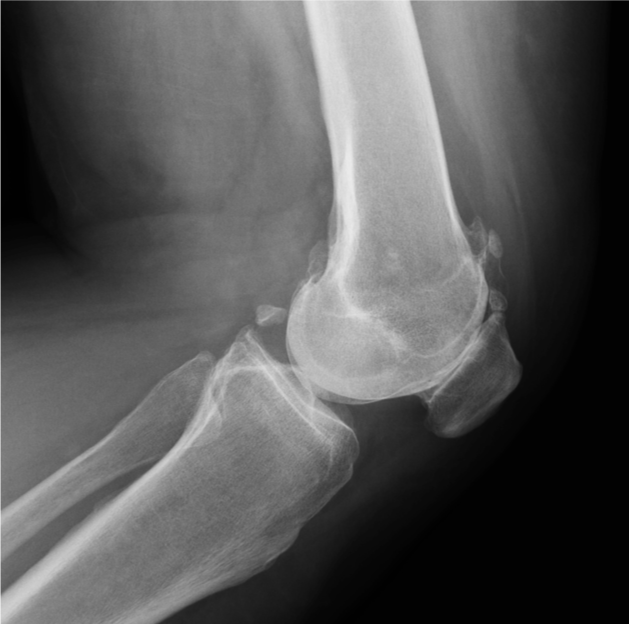 Which of the following interventions would provide the greatest long-term benefit for this patient's current symptoms?
A) Acetaminophen therapy
B) Alcohol cessation
C) Improved glycemic control
D) Increased allopurinol dosage
E) Weight loss
Correct Answer:

Verified
Q676: A 2-year-old girl is brought to the
Q677: A 30-year-old woman comes to the office
Q678: A 24-year-old woman comes to the physician
Q679: A 42-year-old man comes to the office
Q680: A 70-year-old man is brought to the
Q682: A 35-year-old woman comes to the office
Q683: A 16-year-old girl is brought to the
Q684: A 13-year-old boy is brought to the
Q685: A 47-year-old man comes to the office
Q686: A 23-year-old man comes to the urgent
Unlock this Answer For Free Now!
View this answer and more for free by performing one of the following actions

Scan the QR code to install the App and get 2 free unlocks

Unlock quizzes for free by uploading documents