A 6-year-old boy with cystic fibrosis is brought to the office for shortness of breath. He has had a worsening, productive cough over the past week and now has fever, chills, and difficulty breathing. His vaccinations are up to date. Weight is at <5th percentile and height is at the 10th percentile. His temperature is 38.9 C (102 F) , blood pressure is 122/80 mm Hg, pulse is 118/min, and respirations are 28/min. Pulse oximetry shows an oxygen saturation of 91%. Physical examination shows a tired-appearing boy with nasal flaring, intercostal retractions, and a barrel-shaped chest. Auscultation reveals diffuse bilateral wheezing and crackles. Clubbing of the fingers and toes exhibit 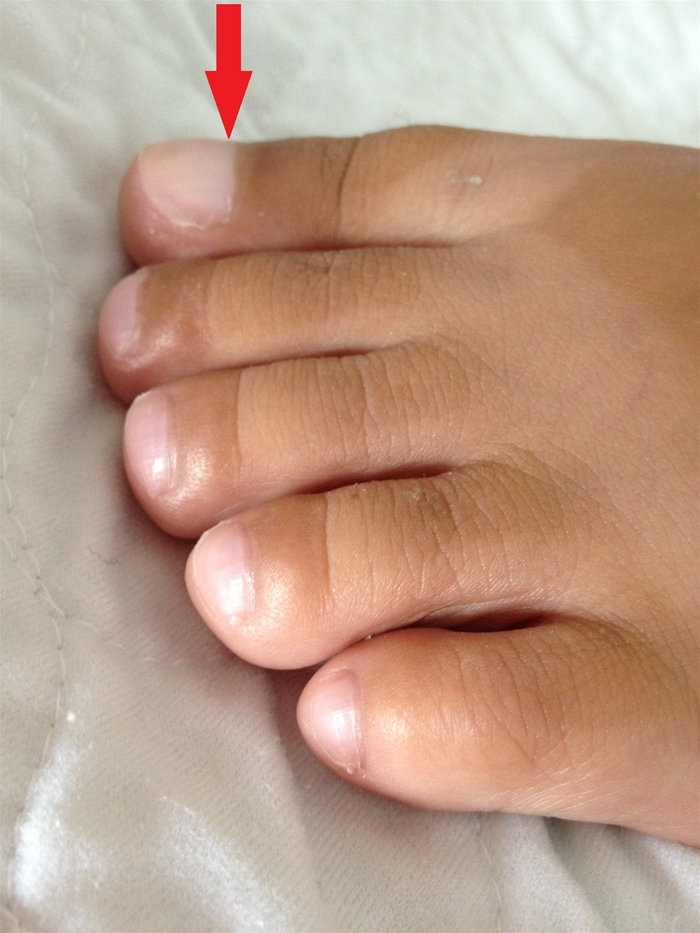 is present. Sputum culture results are pending. What is the most likely causative organism of this patient's pneumonia?
A) Burkholderia cepacia complex
B) Cryptococcus neoformans
C) Histoplasma capsulatum
D) Klebsiella pneumoniae
E) Legionella pneumophila
F) Listeria monocytogenes
G) Mycobacterium avium complex
H) Pneumocystis jirovecii
I) Pseudomonas aeruginosa
J) Staphylococcus aureus
K) Streptococcus pneumoniae
Correct Answer:

Verified
Q493: A 14-year-old girl is brought to the
Q494: A 4-year-old girl is brought to the
Q495: An 18-month-old boy is brought to the
Q496: A 1-day-old boy is admitted to the
Q497: A 6-hour-old boy is being evaluated in
Q499: A one-year-old girl is brought to the
Q500: A 16-year-old girl is brought to the
Q501: A 14-year-old boy is brought to the
Q502: A 4-year-old boy is brought to the
Q503: A 17-year-old girl comes to the office
Unlock this Answer For Free Now!
View this answer and more for free by performing one of the following actions

Scan the QR code to install the App and get 2 free unlocks

Unlock quizzes for free by uploading documents