Passage
Skin grafting is a procedure in which healthy skin from a different region of the body is transplanted onto an area of absent or damaged skin. Skin grafts are used for partial-thickness burns, which damage the epidermis and dermis, and for full-thickness burns, which damage the epidermis, dermis, and hypodermis. Superficial burns injure only epidermal tissue and heal without skin grafts. Skin grafting has greatly improved the long-term survival of burn victims. However, because grafted skin cannot effectively dissipate heat, burn survivors are at an increased risk of hyperthermia (abnormally high body temperature) , a condition that can lead to heat-related medical emergencies such as heat stroke. The greater the grafted body surface area (BSA) , the greater the risk for complications related to thermoregulation.Heat acclimation (HA) is the process by which the body increases heat tolerance through adaptive changes in the sympathetic control of skin heat dissipation. It can be induced in healthy individuals by repeated exercise at elevated ambient temperature and humidity. A group of researchers tested whether skin graft recipients could also undergo HA. Skin graft recipients who were otherwise healthy and had at least 15% grafted BSA were recruited for the study, as were controls with no history of receiving grafts. The skin graft recipients were split into two groups, those with 15%-40% grafted BSA and those with >40% grafted BSA. For a period of seven days, subjects participated daily in 90 min of exercise at 50% maximal oxygen consumption in a room where the temperature was maintained at 40°C. Exercise modality, fluid intake, and frequency and duration of rest were strictly monitored.On the days immediately preceding and following the HA regimen, the heat tolerance of participants was tested with a 90-min exercise regimen at a fixed heat production rate (Figure 1) . Tolerance testing was halted before 90 min for subjects whose internal body temperature exceeded 40°C. The change in internal temperature of participants was calculated by subtracting their internal temperature before exercise from their internal temperature at exercise cessation (either once temperature reached 40°C or at the 90-min endpoint) .
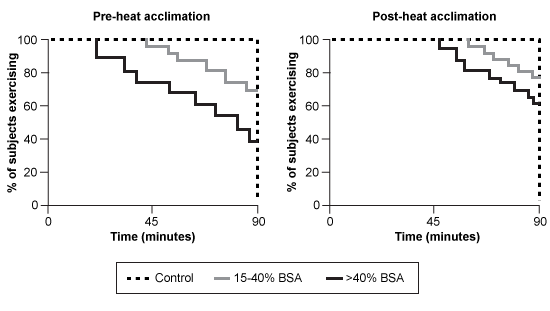 Figure 1 HA in controls and in skin graft recipients
Adapted from Schlader ZJ, Ganio MS, Pearson J, et al. J Appl Physiol. 2015;119(1) :69-76.
-What physiological change occurs in the skin of control subjects during HA exercise?
A) Enhanced contraction of arteriole smooth muscle
B) Enhanced relaxation of arteriole smooth muscle
C) Enhanced contraction of arrector pili muscles due to parasympathetic activation
D) Enhanced contraction of arrector pili muscles due to sympathetic activation
Correct Answer:

Verified
Q107: Passage
Obesity is a condition that affects over
Q108: Passage
In 1906, the Nobel Prize in Physiology
Q109: Passage
Renal reabsorption of glucose is facilitated by
Q110: Passage
Skin grafting is a procedure in which
Q111: Passage
Obesity is a condition that affects over
Q113: Passage
Obesity is a condition that affects over
Q114: Passage
Skin grafting is a procedure in which
Q115: Passage
Renal reabsorption of glucose is facilitated by
Q116: Passage
Renal reabsorption of glucose is facilitated by
Q117: Passage
Renal reabsorption of glucose is facilitated by
Unlock this Answer For Free Now!
View this answer and more for free by performing one of the following actions

Scan the QR code to install the App and get 2 free unlocks

Unlock quizzes for free by uploading documents