Solved

Consider the Following Images

Question 2

Multiple Choice

Consider the following images.The reactions occurring in each are shown in the choices. Consider the following images.The reactions occurring in each are shown in the choices.         A B C D Which of the following is an example of an electron transfer reaction? A) Pb(NO<sub>3</sub>) <sub>2</sub>(aq) + Na<sub>2</sub>SO<sub>4</sub>(aq)    2 NaNO<sub>3</sub>(aq) + PbSO<sub>4</sub>(s)  B) H<sub>2</sub>CO<sub>3</sub>(aq)    H<sub>2</sub>O(l) + CO<sub>2</sub>(g)  C) Ca(s) + 2HCl(aq)    CaCl<sub>2</sub>(aq) + H<sub>2</sub>(g)  D) Zn(s) + Cu<sup>2+</sup>(aq)    Zn<sup>2+</sup>(aq) + Cu(s)  E) Both c and d are electron transfer reactions. Consider the following images.The reactions occurring in each are shown in the choices.         A B C D Which of the following is an example of an electron transfer reaction? A) Pb(NO<sub>3</sub>) <sub>2</sub>(aq) + Na<sub>2</sub>SO<sub>4</sub>(aq)    2 NaNO<sub>3</sub>(aq) + PbSO<sub>4</sub>(s)  B) H<sub>2</sub>CO<sub>3</sub>(aq)    H<sub>2</sub>O(l) + CO<sub>2</sub>(g)  C) Ca(s) + 2HCl(aq)    CaCl<sub>2</sub>(aq) + H<sub>2</sub>(g)  D) Zn(s) + Cu<sup>2+</sup>(aq)    Zn<sup>2+</sup>(aq) + Cu(s)  E) Both c and d are electron transfer reactions.
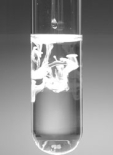
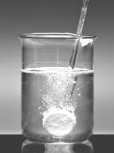
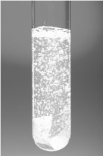
Consider the following images.The reactions occurring in each are shown in the choices.         A B C D Which of the following is an example of an electron transfer reaction? A) Pb(NO<sub>3</sub>) <sub>2</sub>(aq) + Na<sub>2</sub>SO<sub>4</sub>(aq)    2 NaNO<sub>3</sub>(aq) + PbSO<sub>4</sub>(s)  B) H<sub>2</sub>CO<sub>3</sub>(aq)    H<sub>2</sub>O(l) + CO<sub>2</sub>(g)  C) Ca(s) + 2HCl(aq)    CaCl<sub>2</sub>(aq) + H<sub>2</sub>(g)  D) Zn(s) + Cu<sup>2+</sup>(aq)    Zn<sup>2+</sup>(aq) + Cu(s)  E) Both c and d are electron transfer reactions.
A B C D
Which of the following is an example of an electron transfer reaction?


A) Pb(NO3) 2(aq) + Na2SO4(aq) Consider the following images.The reactions occurring in each are shown in the choices.         A B C D Which of the following is an example of an electron transfer reaction? A) Pb(NO<sub>3</sub>) <sub>2</sub>(aq) + Na<sub>2</sub>SO<sub>4</sub>(aq)    2 NaNO<sub>3</sub>(aq) + PbSO<sub>4</sub>(s)  B) H<sub>2</sub>CO<sub>3</sub>(aq)    H<sub>2</sub>O(l) + CO<sub>2</sub>(g)  C) Ca(s) + 2HCl(aq)    CaCl<sub>2</sub>(aq) + H<sub>2</sub>(g)  D) Zn(s) + Cu<sup>2+</sup>(aq)    Zn<sup>2+</sup>(aq) + Cu(s)  E) Both c and d are electron transfer reactions. 2 NaNO3(aq) + PbSO4(s)
B) H2CO3(aq) Consider the following images.The reactions occurring in each are shown in the choices.         A B C D Which of the following is an example of an electron transfer reaction? A) Pb(NO<sub>3</sub>) <sub>2</sub>(aq) + Na<sub>2</sub>SO<sub>4</sub>(aq)    2 NaNO<sub>3</sub>(aq) + PbSO<sub>4</sub>(s)  B) H<sub>2</sub>CO<sub>3</sub>(aq)    H<sub>2</sub>O(l) + CO<sub>2</sub>(g)  C) Ca(s) + 2HCl(aq)    CaCl<sub>2</sub>(aq) + H<sub>2</sub>(g)  D) Zn(s) + Cu<sup>2+</sup>(aq)    Zn<sup>2+</sup>(aq) + Cu(s)  E) Both c and d are electron transfer reactions. H2O(l) + CO2(g)
C) Ca(s) + 2HCl(aq) Consider the following images.The reactions occurring in each are shown in the choices.         A B C D Which of the following is an example of an electron transfer reaction? A) Pb(NO<sub>3</sub>) <sub>2</sub>(aq) + Na<sub>2</sub>SO<sub>4</sub>(aq)    2 NaNO<sub>3</sub>(aq) + PbSO<sub>4</sub>(s)  B) H<sub>2</sub>CO<sub>3</sub>(aq)    H<sub>2</sub>O(l) + CO<sub>2</sub>(g)  C) Ca(s) + 2HCl(aq)    CaCl<sub>2</sub>(aq) + H<sub>2</sub>(g)  D) Zn(s) + Cu<sup>2+</sup>(aq)    Zn<sup>2+</sup>(aq) + Cu(s)  E) Both c and d are electron transfer reactions. CaCl2(aq) + H2(g)
D) Zn(s) + Cu2+(aq) Consider the following images.The reactions occurring in each are shown in the choices.         A B C D Which of the following is an example of an electron transfer reaction? A) Pb(NO<sub>3</sub>) <sub>2</sub>(aq) + Na<sub>2</sub>SO<sub>4</sub>(aq)    2 NaNO<sub>3</sub>(aq) + PbSO<sub>4</sub>(s)  B) H<sub>2</sub>CO<sub>3</sub>(aq)    H<sub>2</sub>O(l) + CO<sub>2</sub>(g)  C) Ca(s) + 2HCl(aq)    CaCl<sub>2</sub>(aq) + H<sub>2</sub>(g)  D) Zn(s) + Cu<sup>2+</sup>(aq)    Zn<sup>2+</sup>(aq) + Cu(s)  E) Both c and d are electron transfer reactions. Zn2+(aq) + Cu(s)
E) Both c and d are electron transfer reactions.

Correct Answer:

verifed

Verified

Related Questions

Unlock this Answer For Free Now!

View this answer and more for free by performing one of the following actions

qr-code

Scan the QR code to install the App and get 2 free unlocks

upload documents

Unlock quizzes for free by uploading documents