A 38-year-old nulligravid woman comes to the office due to persistent abnormal uterine bleeding. The patient's menstrual periods previously occurred monthly and consisted of 4 days of moderate bleeding and light cramping. However, for the past 8 months, she has had intermenstrual spotting and bleeding that have occurred at varying intervals and last 3-7 days. She was started on combination oral contraceptives 4 months ago, which has not improved the bleeding pattern. Temperature is 37.2 C (99 F) , blood pressure is 126/76 mm Hg, and pulse is 86/min. BMI is 29 kg/m2. Speculum examination shows dark red blood in the posterior vaginal vault but no cervical or vaginal lesions. The remainder of the pelvic examination is normal. Laboratory results are as follows: 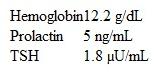 Urine pregnancy test is negative. Pelvic ultrasound shows an anteverted uterus and no adnexal masses. Which of the following is the best next step in the management of this patient?
A) Coagulation studies
B) Endometrial ablation
C) Endometrial biopsy
D) Hysterosalpingogram
E) Progesterone withdrawal test
Correct Answer:

Verified
Q40: A 25-year-old woman, gravida 2 para 2,
Q41: A 29-year-old nulligravid woman comes to the
Q42: A 23-year-old woman comes to the physician
Q43: A 34-year-old woman, gravida 1 para 1,
Q44: A 28-year-old nulligravid woman comes to the
Q46: A 34-year-old woman comes to the office
Q47: A 16-year-old girl comes to the office
Q48: A 34-year-old woman comes to the office
Q49: A 32-year-old primigravida at 16 weeks gestation
Q50: A 34-year-old woman, gravida 1 para 1,
Unlock this Answer For Free Now!
View this answer and more for free by performing one of the following actions

Scan the QR code to install the App and get 2 free unlocks

Unlock quizzes for free by uploading documents