A 3-day-old boy is brought to the ER owing to poor feeding, emesis, and lethargy over the previous 24 hours. The patient was born to a 30-year-old lady who had a normal pregnancy by straightforward spontaneous vaginal birth. The boy was released from the newborn nursery yesterday and was solely nursing until the beginning of symptoms. While he was in the newborn nursery, his stool and urine production were typical. The patient is awake and normal in blood pressure, but tachycardic and tachypneic. He seems dehydrated, with a swollen belly. During the examination, the patient vomits, and the vomitus is depicted in the display. 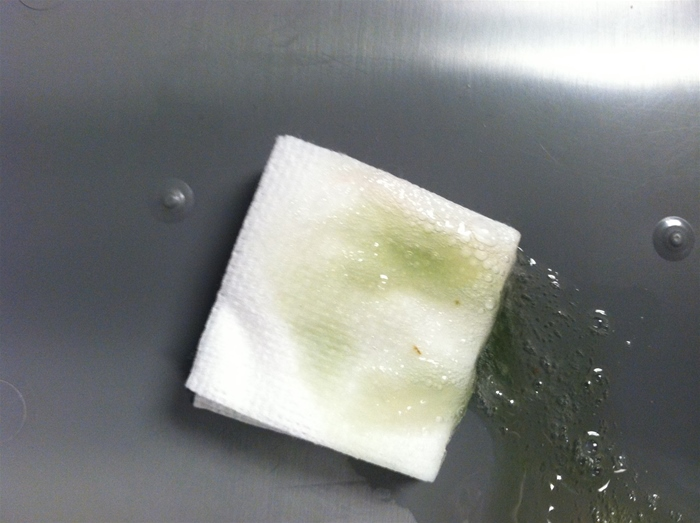 On laparotomy, fibrous bands are seen extending from the cecum and right colon to the retroperitoneum, causing extrinsic compression of the duodenum. Which of the following embryologic processes most likely failed in this patient?
A) Failure of gut recanalization
B) Fusion of the ventral and dorsal pancreatic buds
C) Midgut rotation around the superior mesenteric artery
D) Neural crest cell migration into the bowel wall
E) Obliteration of the omphalomesenteric duct
Correct Answer:

Verified
Q21: A 4-week-old kid is sent to the
Q22: A term baby boy is assessed for
Q23: A 23-year-old man arrives to the office
Q24: Researchers researching neural crest cell migration in
Q25: Due to recurrent vomiting and reluctance to
Q27: After experiencing significant stomach discomfort and vomiting,
Q28: A 30-year-old man arrives to the emergency
Q29: A 4-year-old child is brought to the
Q30: A 35-year-old man visits the emergency room
Q31: A 6-hour-old kid is having feeding challenges
Unlock this Answer For Free Now!
View this answer and more for free by performing one of the following actions

Scan the QR code to install the App and get 2 free unlocks

Unlock quizzes for free by uploading documents